
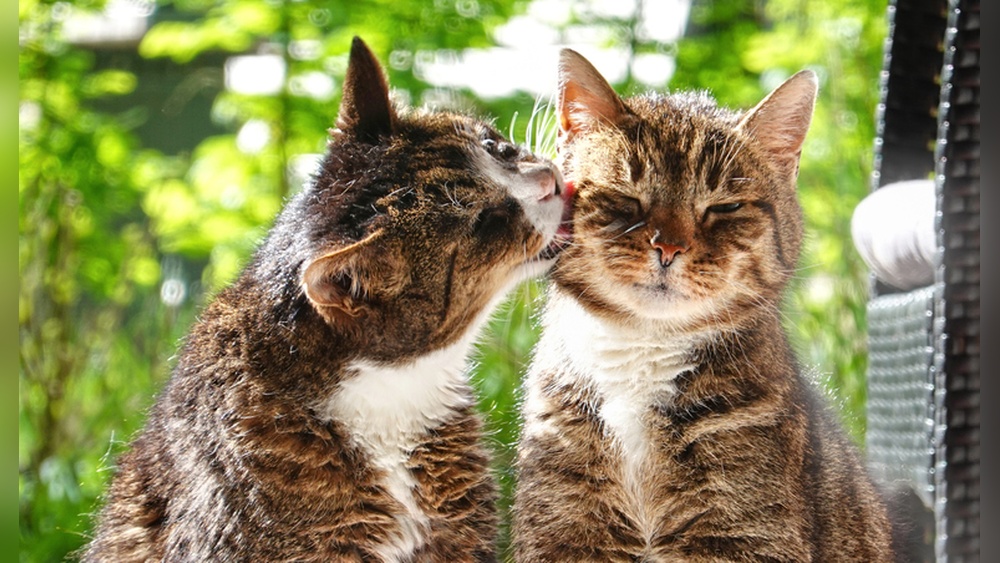
Have you ever watched your cats grooming each other and wondered if it’s good for them? You might think it’s just a cute habit, but there’s more to it than meets the eye.
When cats groom each other, they’re not only keeping clean—they’re building trust and strengthening their bond. You’ll discover why this behavior matters for your cats’ health and happiness. Keep reading to learn how mutual grooming can affect your furry friends and what it means for their well-being.
Credit: cats.com
Why Cats Groom Each Other
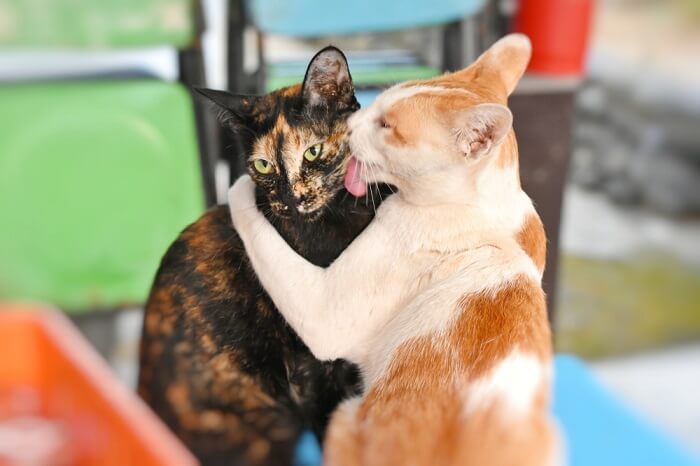
Cats grooming each other is more than just cleaning. It is a natural behavior with many reasons behind it. Cats use grooming to build trust and care for one another. This act strengthens their bond and helps them feel safe together. Understanding why cats groom each other can show us how important this behavior is for their social and physical health.
Social Bonding Among Cats
Grooming helps cats form strong friendships. Cats that groom each other often live together peacefully. It shows they trust each other. This trust is key to their social life. Grooming creates a calm and friendly group. It reduces fights and keeps peace among cats.
Mutual Cleaning Benefits
Cats cannot reach all parts of their body easily. Grooming each other helps clean those hard-to-reach spots. It removes dirt, loose fur, and parasites. This keeps cats healthier and their fur shiny. It also helps them stay cool and comfortable.
Stress Reduction Effects
Grooming lowers stress in cats. It releases feel-good chemicals in their brain. This makes them feel calm and happy. Cats groom each other to relax after play or tension. It helps them feel safe and less anxious.
Health Advantages Of Mutual Grooming
Mutual grooming is more than a social activity for cats. It offers clear health benefits that help keep them strong and happy. Cats that groom each other often enjoy better skin and fur quality. Their overall health can improve through this simple act.
Improved Skin And Coat Condition
Mutual grooming helps remove dirt and loose fur from cats’ coats. This keeps their skin clean and reduces itching. Grooming spreads natural oils that make fur soft and shiny. Cats with regular grooming usually have healthier skin and less fur loss.
Parasite Control
Cats groom each other to find and remove parasites like fleas and ticks. This helps stop parasite infestations early. Removing parasites reduces the risk of infections and skin problems. Mutual grooming acts as a natural way to keep pests away.
Wound Care And Healing
Cats often lick small wounds while grooming each other. This licking cleans the wound and helps prevent infection. It also speeds up healing by removing dirt and bacteria. Grooming supports recovery and keeps cats comfortable.
Behavioral Insights From Grooming
Grooming between cats is more than just cleaning. It shows deep social behavior and bonds. Cats use grooming to express feelings and build relationships. Understanding these behaviors helps us see why cats groom each other.
Establishing Hierarchies
Grooming helps set social order in a cat group. Dominant cats often groom others more than they get groomed. This action shows who leads and who follows. It keeps peace and order without fights.
Conflict Prevention
Mutual grooming reduces tension among cats. It acts like a peacekeeper in their group. Cats groom to calm each other down. This helps stop arguments and fights before they start.
Communication Through Grooming
Grooming is a way cats talk without words. They share trust and comfort through touch. It tells others, “You are safe with me.” This silent language strengthens their bond every day.
When Grooming Becomes Problematic
Grooming between cats usually shows trust and care. It helps keep their fur clean and bonds them closer. Yet, sometimes grooming changes from healthy to harmful. Knowing when grooming turns into a problem is important for your cat’s health.
Excessive grooming or rough behavior can signal stress or illness. These signs need attention to prevent injury or emotional harm. Watch your cats closely to spot any troubling changes early.
Overgrooming Signs
Overgrooming means a cat licks or bites the same spot too much. Fur may thin or disappear in patches. The skin can look red or sore. This may cause pain or infection if left untreated. Overgrooming often shows something is wrong physically or emotionally.
Stress-induced Grooming
Stress makes cats groom more than usual. Loud noises, new pets, or changes in routine cause stress. Cats may clean themselves or others repeatedly to calm down. This behavior can lead to hair loss or skin damage. Stress grooming needs care to reduce anxiety triggers.
Aggressive Grooming Behaviors
Sometimes grooming turns rough or forceful. One cat may bite or scratch while grooming another. This causes fear or pain instead of comfort. Aggressive grooming shows tension between cats. It can lead to fights or injury if not stopped. Watch for these behaviors to keep peace.
Encouraging Healthy Grooming Habits
Encouraging healthy grooming habits among cats helps maintain their well-being. Grooming each other strengthens bonds and keeps their fur clean. Understanding how to support this behavior is key for cat owners. This section explains how to create a good environment, introduce cats properly, and know when to step in.
Creating A Safe Environment
Cats feel safe when their space is calm and quiet. Provide separate resting spots for each cat. Clean litter boxes and fresh water should be easily accessible. Avoid loud noises or sudden movements near them. A peaceful area helps cats relax and groom comfortably.
Introducing Cats Properly
Introduce new cats slowly and carefully. Start with short, supervised meetings. Use scent swapping by exchanging bedding between cats. Let them see each other through a barrier first. This approach reduces stress and encourages friendly grooming over time.
Monitoring And Intervening
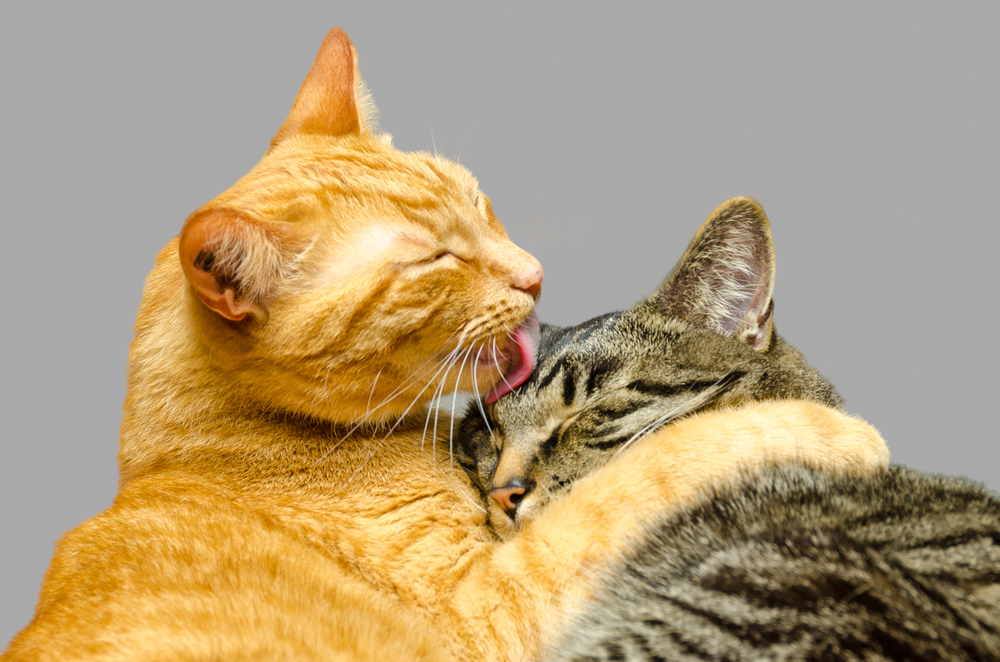
Watch how cats groom each other closely. Gentle licking is normal and healthy. Stop grooming if it becomes rough or one cat seems stressed. Separate them if you see biting or aggressive behavior. Step in calmly to prevent harm and keep grooming positive.
Credit: www.catster.com

Credit: www.fourpaws.com
Frequently Asked Questions
Why Do Cats Groom Each Other?
Cats groom each other to strengthen social bonds and show affection. It helps reduce stress and maintain group harmony. Mutual grooming also keeps their fur clean and free of parasites, promoting better health and comfort.
Is Mutual Grooming Healthy For Cats?
Yes, mutual grooming is healthy for cats. It improves their skin and coat condition. Grooming also lowers stress hormones, helping cats feel calm and secure. It supports social interactions and overall well-being.
Can Grooming Prevent Cat Aggression?
Mutual grooming can reduce aggression by building trust among cats. It creates positive interactions and decreases tension. Cats that groom each other tend to have better relationships and fewer conflicts.
How Often Do Cats Groom Each Other?
Cats groom each other several times a day, especially within close groups. The frequency depends on their social bond and environment. Regular grooming helps maintain cleanliness and emotional connection.
Conclusion
Cats grooming each other helps build trust and friendship. It keeps their fur clean and healthy too. This behavior shows they feel safe and happy together. Watching cats groom can be peaceful and heartwarming. It’s a natural way for cats to bond and relax.
So, yes, it is good for cats to groom each other. Their grooming strengthens relationships and supports their well-being. Caring for your cats means letting them share these moments. That’s how they stay close and content.