
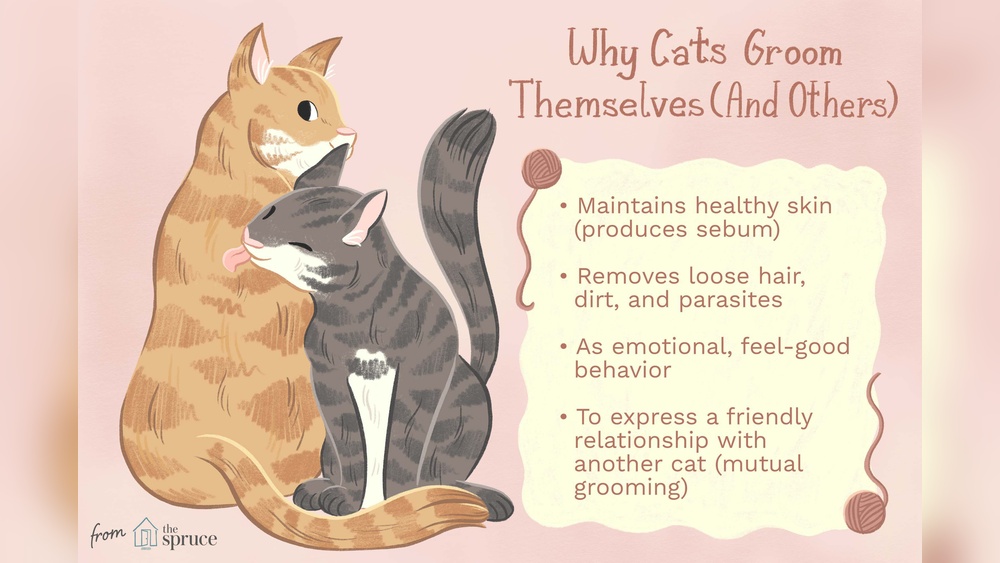
Have you ever wondered when your kitten will start grooming itself? Understanding this important milestone can help you care for your furry friend better.
Knowing when cats begin to clean themselves not only reveals how they grow but also shows how their natural instincts develop. If you want to learn the exact time your cat takes charge of its own hygiene and what you can do to support this process, keep reading.
This knowledge will make your bond stronger and ensure your cat stays healthy and happy.
:strip_icc()/grooming-cat-120689839-57d967d33df78c583396e386.jpg)
Credit: www.thesprucepets.com
Cat Grooming Timeline
Cats start grooming themselves at different stages of their life. Understanding this timeline helps you care for your kitten better. Grooming is important for their health and comfort. It also shows their growth and development.
Below is a clear look at how grooming skills appear in cats from birth to adulthood.
Grooming In Newborn Kittens
Newborn kittens cannot groom themselves. Their mother cleans them by licking. This keeps them clean and warm. Kittens rely fully on their mother for the first few weeks. They start to open their eyes around two weeks old.
At this stage, grooming is all done by the mother cat.
Self-grooming Milestones
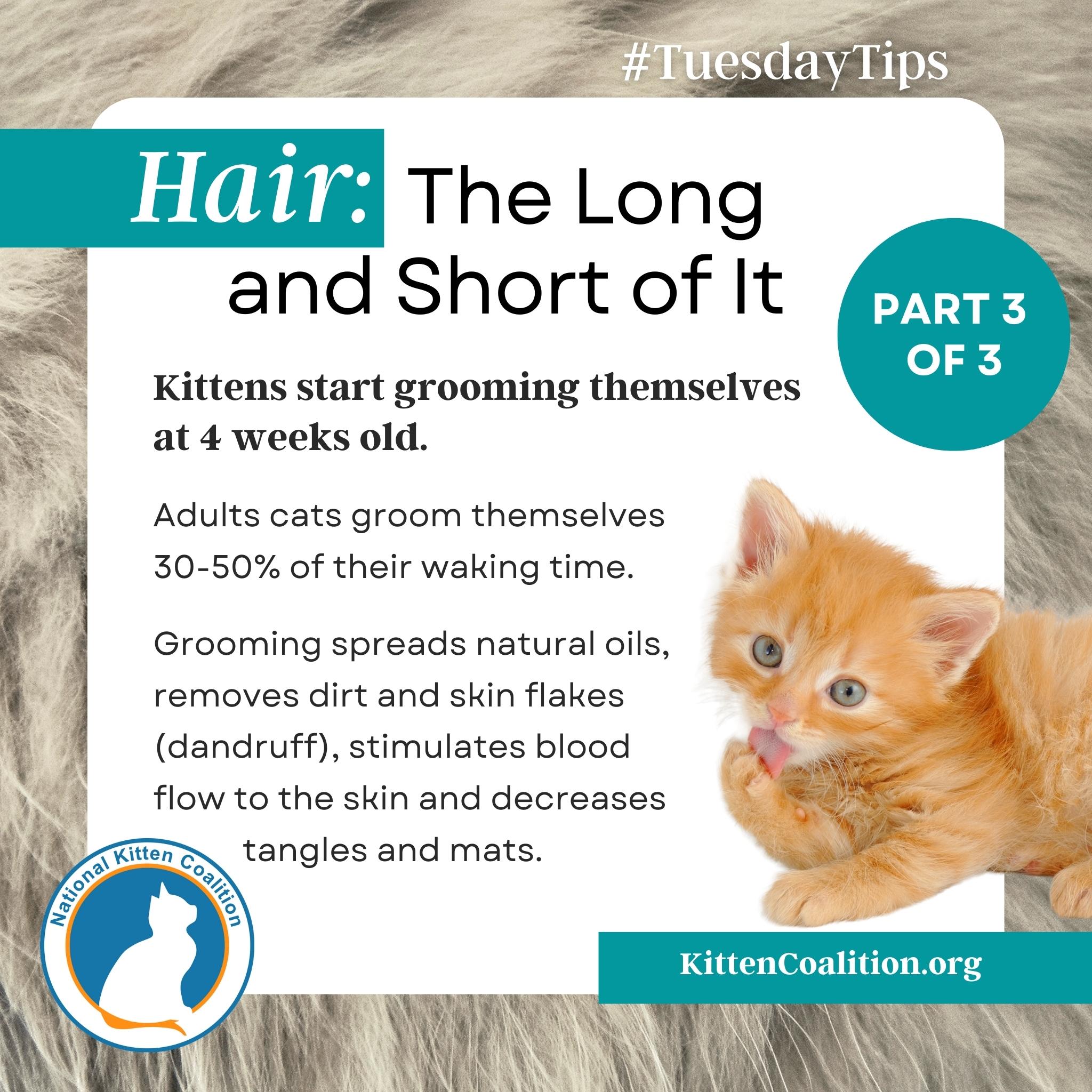
Kittens begin to groom themselves at about three weeks old. At first, it is clumsy and short. By four to five weeks, grooming becomes more regular and effective. Around eight weeks, kittens can clean most of their body. Adult cats groom several times a day to stay clean.
Factors Influencing Grooming Start
Health plays a big role in grooming habits. Sick or weak kittens may groom less. The mother’s grooming style also affects the kitten’s learning. Some breeds start grooming earlier than others. Environment and stress can delay grooming skills.
Importance Of Grooming
Grooming is a natural and important habit for cats. It starts when kittens are just a few weeks old. This behavior helps cats stay clean and healthy. Grooming also plays a role in how cats feel and interact with others. Understanding the importance of grooming helps us care better for our pets.
Hygiene Benefits
Grooming keeps a cat’s fur clean and free of dirt. It removes loose hair and prevents matting. This lowers the risk of skin infections and parasites. Clean fur also means fewer allergens in the home. Cats use their tongues to clean hard-to-reach places well.
Temperature Regulation
Grooming helps cats control their body temperature. By licking their fur, cats spread saliva that cools them down. In cold weather, grooming fluffs the fur to trap heat. This natural process helps cats stay comfortable in different climates.
Social And Emotional Roles
Grooming also has social importance. Cats groom each other to build bonds and trust. Self-grooming can calm a cat when it feels stressed. This activity helps cats feel safe and relaxed in their environment.
Helping Your Cat Groom
Cats start grooming themselves at a young age. This natural habit keeps them clean and healthy. Sometimes, cats need help from their owners. Helping your cat groom builds trust and keeps their coat shiny.
When To Assist Grooming
Assist grooming when your cat shows signs of difficulty. Older cats or those with health problems may struggle. Long-haired cats often need extra care. Help if you notice mats or dirt in their fur. Regular checks help spot grooming issues early.
Tools For Effective Grooming
Use gentle tools to make grooming easy. A soft brush works well for short-haired cats. For long-haired cats, use a wide-tooth comb. Nail clippers keep claws trimmed safely. A damp cloth can clean sensitive spots. Choose tools based on your cat’s coat type.
Encouraging Healthy Grooming Habits
Make grooming a positive experience. Start with short sessions to avoid stress. Use treats and praise during grooming time. Groom your cat in a quiet, comfortable place. Regular grooming helps your cat feel safe. This builds good habits for life.

Credit: www.thedappercat.com
Common Grooming Issues
Cats usually start grooming themselves a few weeks after birth. Grooming is vital for their health and comfort. Sometimes, cats face grooming issues that need attention. These problems can affect their fur, skin, and overall well-being.
Understanding common grooming issues helps you keep your cat healthy. Not all cats groom well due to various reasons. Spotting problems early can prevent bigger health concerns.
Signs Of Grooming Problems
Watch for bald patches or uneven fur. Matted or tangled fur shows grooming trouble. Cats that lick too much may have skin pain. Dirt or debris stuck in fur is another sign. Foul odor from the coat often means poor grooming. Scratching more than usual may indicate irritation.
Health Conditions Affecting Grooming
Arthritis can make grooming painful for older cats. Skin infections cause discomfort and poor grooming habits. Dental pain may stop cats from cleaning their faces. Obesity limits flexibility and grooming reach. Stress and anxiety often reduce grooming behavior. Parasites like fleas cause itching and disrupt grooming.
When To Consult A Vet
Take your cat to the vet if grooming issues persist. Sudden changes in grooming need medical attention. If your cat hides or acts differently, see a vet. Skin wounds or infections require professional care. Difficulty moving or signs of pain call for a checkup. Early vet visits can prevent serious problems.
Tips For New Cat Owners
New cat owners often wonder about grooming habits. Cats start grooming themselves early, but your help matters. Establishing good routines supports their health and happiness. Grooming also builds trust between you and your cat. Here are simple tips to guide you.
Building Grooming Routines
Begin grooming your cat gently and often. Use a soft brush to remove loose fur. Pick a calm time, like after play or naps. Short sessions work better than long ones. Praise your cat with soft words and pets. Regular brushing prevents mats and reduces shedding.
Handling Grooming Resistance
Some cats dislike brushing at first. Watch your cat’s body language carefully. Stop if they show stress or try to escape. Try different brushes or tools to find what they like. Offer treats after grooming to create positive feelings. Be patient and calm to build trust.
Balancing Grooming With Playtime
Mix grooming with fun activities. Play before grooming to relax your cat. Use toys to distract during brushing if needed. After grooming, spend time cuddling or playing. This balance helps your cat enjoy grooming more. It also strengthens your bond every day.
Credit: kittencoalition.org
Frequently Asked Questions
When Do Kittens Start Grooming Themselves?
Kittens begin grooming themselves around 3 to 4 weeks old. This behavior develops as they grow and explore. Mother cats also teach grooming early on, helping kittens learn hygiene and social skills.
How Often Do Cats Groom Themselves Daily?
Cats groom themselves multiple times daily, usually 2 to 4 hours in total. Grooming helps maintain cleanliness, regulate body temperature, and reduce stress. It is a natural and essential behavior for their well-being.
Why Do Cats Groom Excessively Sometimes?
Excessive grooming can indicate stress, anxiety, or skin issues. It may lead to hair loss or sores. If grooming seems obsessive, consult a vet to rule out allergies, parasites, or medical conditions.
What Benefits Does Grooming Provide To Cats?
Grooming removes dirt and loose fur, preventing matting and parasites. It also distributes natural oils for a healthy coat. Additionally, grooming helps cats relax and strengthens their bond with other cats.
Conclusion
Cats begin grooming themselves at a young age, often within a few weeks. This behavior helps keep their fur clean and healthy. Watching kittens learn to groom can be fascinating and shows their growing independence. Grooming also plays a role in bonding and comfort.
Knowing when cats start grooming helps owners support their pets better. Keep an eye on your kitten’s grooming habits to ensure they stay well cared for. Grooming is a natural, important part of a cat’s life from early on.