
Taking care of your dog or cat’s grooming isn’t just about keeping them looking good—it’s about their health and happiness too. You might wonder how to make grooming easier and less stressful for both you and your pet.
This guide will show you simple, effective steps to keep your furry friend clean, comfortable, and shining with health. Ready to learn how to turn grooming time into a bonding moment? Let’s dive in and discover the best ways to care for your dog or cat’s coat, nails, and overall hygiene.

Credit: www.amazon.com
Choosing The Right Tools
Choosing the right tools makes grooming easier and more effective. Good tools keep your pet comfortable. They help remove dirt, loose hair, and tangles. Using the right items protects your pet’s skin and coat. It also saves time and effort.
Brushes And Combs
Brushes and combs remove loose fur and dirt. Soft-bristle brushes work well for short-haired pets. Slicker brushes fit better for long or curly hair. Combs help find and remove mats or tangles. Choose a brush or comb based on your pet’s hair type. Regular brushing keeps the coat shiny and healthy.
Clippers And Trimmers
Clippers and trimmers cut hair safely and cleanly. Clippers work best for full haircuts. Trimmers help with small areas like paws or face. Select quiet and sharp clippers to avoid scaring pets. Check blade size to match your pet’s coat length. Proper tools reduce grooming stress for pets.
Shampoos And Conditioners
Shampoos clean dirt and oils from fur and skin. Choose a gentle shampoo made for dogs or cats. Avoid products with strong chemicals or fragrances. Conditioners soften hair and reduce tangles after washing. Use conditioners only if your pet’s coat is dry or long. Rinse well to keep skin healthy and fresh.
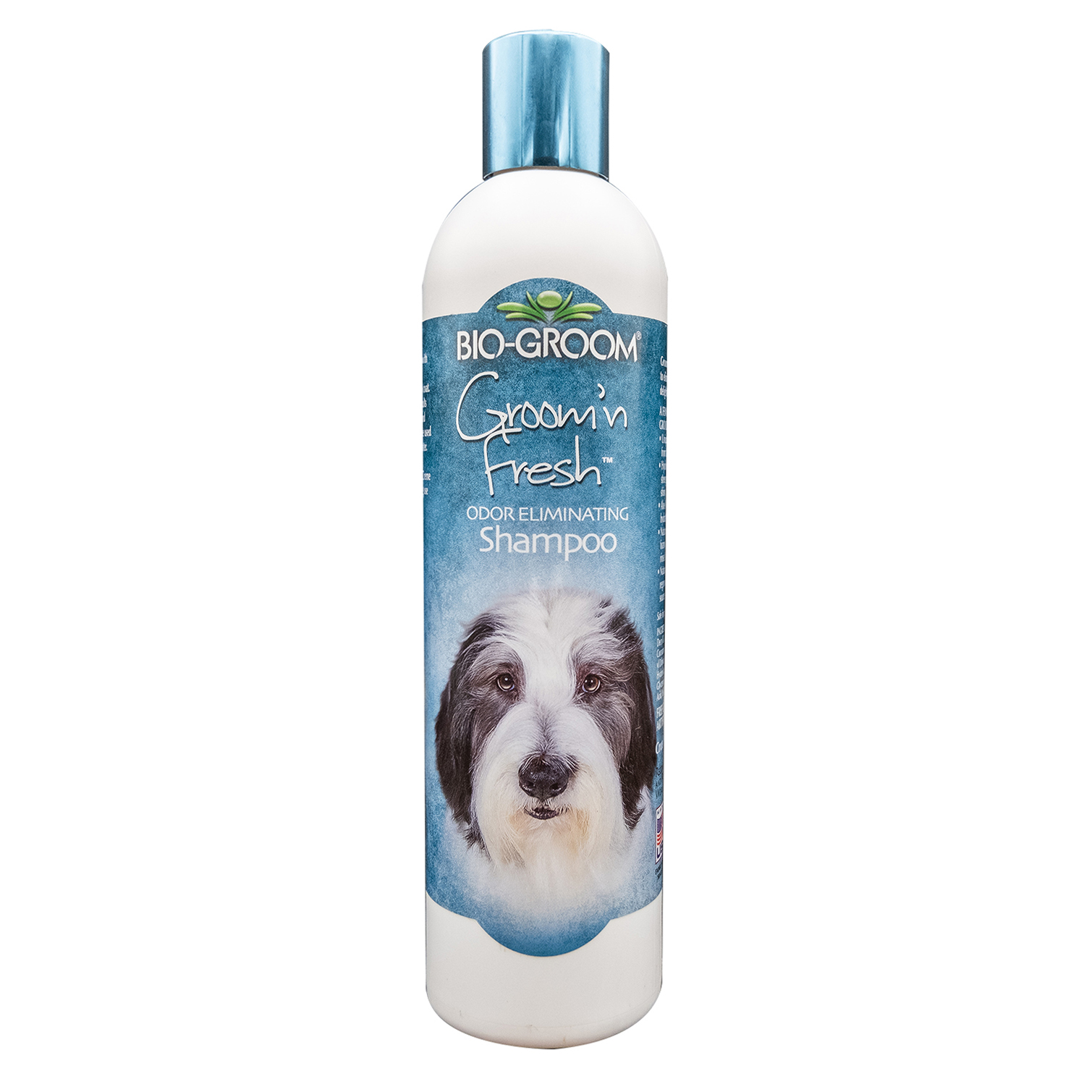
Credit: biogroom.com
Preparing Your Pet
Preparing your pet for grooming is an important step. It helps your dog or cat feel safe and relaxed. Taking time to prepare makes the grooming process easier for both of you.
Start by creating a calm environment. Pets are sensitive to stress and noise. A peaceful setting helps them stay calm and cooperative during grooming.
Calming Techniques
Speak softly to your pet to soothe them. Gentle petting can reduce their nervousness. Use slow, smooth movements to avoid startling your pet. Offering treats helps your pet associate grooming with positive feelings. Try short massage sessions before grooming to relax muscles and calm nerves.
Setting Up A Comfortable Space
Choose a quiet, warm area for grooming. Ensure the space has good lighting and is free from distractions. Use a non-slip mat to keep your pet steady. Keep your pet at a comfortable height to avoid strain. Make sure the area is easy to clean after grooming.
Gathering Supplies
Collect all grooming tools before you start. Include brushes, combs, nail clippers, and pet-safe shampoo. Have towels ready for drying your pet. Keep treats nearby for rewarding good behavior. Check tools are clean and in good condition to prevent injury.
Brushing And Detangling
Brushing and detangling are essential parts of grooming pets. Regular brushing keeps their coat clean and healthy. It removes dirt, loose hair, and prevents mats. Detangling avoids painful knots and skin problems. Both dogs and cats benefit from gentle and consistent care.
Brushing Techniques For Dogs
Use a brush suited for your dog’s coat type. For short hair, use a bristle brush or rubber mitt. For long hair, try a slicker brush or comb. Brush in the direction of hair growth. Start from the neck and move down the body. Be gentle around sensitive areas like the belly and ears. Brush regularly to reduce shedding and keep the coat shiny.
Brushing Techniques For Cats
Cats prefer soft brushes or grooming gloves. Brush their fur slowly and gently. Pay attention to areas behind the ears and under the legs. Use short strokes to avoid hurting their skin. Brushing helps reduce hairballs by removing loose fur. Regular sessions build trust and make grooming easier over time.
Handling Mats And Tangles
Use a detangling spray or conditioner to soften mats. Hold the fur close to the skin to avoid pulling. Work on small sections with a wide-tooth comb or mat splitter. Be patient and gentle to prevent pain. For severe mats, seek help from a professional groomer. Remove mats quickly to keep your pet comfortable and healthy.
Credit: www.petvet.lk
Bathing Tips
Bathing is a key part of grooming dogs and cats. It keeps their skin healthy and fur clean. Bath time can be calm and safe with the right approach. Use gentle products made for pets. Avoid human shampoos as they can irritate the skin. Prepare everything before you start. This helps the process go smoothly and reduces stress.
Choosing The Right Water Temperature
Water temperature should be warm, not hot. Test it with your hand first. Lukewarm water feels best for pets. Cold water can shock and upset them. Hot water may burn their skin. Keep water gentle for comfort and safety.
Applying Shampoo And Conditioner
Use a small amount of pet shampoo. Spread it evenly over the fur. Avoid the eyes, ears, and mouth. Massage gently to clean the skin. Rinse well to remove all soap. Conditioner helps with dry or tangled fur. Apply lightly and rinse thoroughly.
Drying Methods
Use a soft towel to pat dry your pet. Avoid rubbing, which can tangle fur. For long-haired pets, a blow dryer on low heat works well. Keep the dryer moving to avoid burns. Let your pet air dry in a warm room if they dislike dryers. Drying prevents skin problems and keeps fur soft.
Nail Care
Nail care is an important part of grooming dogs and cats. Healthy nails prevent pain and injuries. Keeping nails short helps pets walk comfortably and avoid damage to floors or furniture.
Regular nail trimming also stops nails from growing into the paw pads. This can cause infections and discomfort. Learning how to care for nails safely improves your pet’s well-being.
Trimming Nails Safely
Use a sharp, pet-specific nail clipper. Hold the paw gently but firmly. Trim only the white part of the nail. Avoid cutting the quick, the pink area inside the nail. It contains nerves and blood vessels.
Cut small bits at a time. Stop if you see a dark spot or your pet pulls away. Reward your pet with praise or treats after each session.
Dealing With Sensitive Paws
Some pets do not like their paws touched. Start by gently massaging their paws daily. Use soft, slow movements to help them relax.
Use a nail file for small adjustments if clipping is stressful. Short sessions build comfort over time. Remain calm and patient throughout the process.
When To Seek Professional Help
Contact a groomer or vet if nails are very long or cracked. Pets with thick, dark nails may need expert care. Seek help if your pet shows signs of pain or infection.
Professional groomers have tools and experience to trim safely. They can also teach you how to care for nails at home.
Ear And Eye Care
Proper ear and eye care are essential for your pet’s health. Dirt, wax, and discharge can cause discomfort or infections. Regular cleaning keeps your dog or cat comfortable and prevents problems.
Cleaning Techniques
Use a soft cloth or cotton ball to clean the eyes and ears. For eyes, wipe gently from the corner outward. Avoid touching the eyeball directly. For ears, use a vet-approved cleaner. Apply the cleaner to a cotton ball, not directly into the ear canal. Clean the outer ear carefully, removing dirt and wax.
Identifying Signs Of Infection
Watch for redness, swelling, or bad odor in ears. Discharge or excessive scratching are warning signs. For eyes, check for redness, cloudiness, or unusual discharge. Squinting or pawing at the eyes may mean pain. Early detection helps your pet get fast treatment.
Preventive Measures
Keep your pet’s ears dry after baths or swimming. Trim hair around the ears to improve airflow. Check ears and eyes regularly for any changes. Use vet-recommended products for cleaning. Avoid using cotton swabs inside the ear canal to prevent damage.
Coat Maintenance
Coat maintenance is key to keeping pets healthy and happy. A clean, well-groomed coat protects pets from dirt and skin problems. Regular care also helps spot issues early, like ticks or dry skin. Grooming builds a strong bond between you and your pet. It keeps them comfortable and looking their best.
Seasonal Grooming
Pets need different care through the seasons. In spring and fall, their coats change to adapt to weather. Brushing more often helps remove loose fur. Use a slicker brush or comb to reach deep layers. Bathing during these times keeps skin fresh and clean. Check for ticks and fleas after outdoor time. Seasonal grooming helps pets stay cool or warm as needed.
Managing Shedding
Shedding can fill your home with fur. Brushing daily helps catch loose hair early. Use tools like de-shedding brushes to reduce shedding. Baths with special shampoos can slow fur loss. Healthy food supports a strong coat and less shedding. Vacuuming often keeps your space clean. Managing shedding makes life easier for you and your pet.
Special Care For Different Breeds
Each breed has unique grooming needs. Long-haired dogs and cats need frequent brushing to avoid tangles. Short-haired pets benefit from weekly brushing to remove dead hair. Some breeds require trimming or clipping their coats. Consult breed-specific guides or your vet for best care. Tailor grooming to your pet’s breed for a healthy coat.
Grooming Frequency
Grooming frequency varies for dogs and cats. It depends on the pet’s breed, coat type, and lifestyle. Regular grooming keeps pets healthy and comfortable. It helps avoid mats, dirt buildup, and skin problems. Knowing how often to groom is important for pet care.
Daily And Weekly Routines
Daily grooming includes brushing to remove loose hair and dirt. It helps reduce shedding and keeps the coat shiny. Cats usually groom themselves but still need brushing sometimes. Dogs with long or thick coats need more frequent brushing.
Weekly grooming involves a deeper clean. This includes bathing, checking ears, trimming nails, and brushing teeth. Some pets need weekly baths, while others only need them monthly. Regular grooming also helps spot any skin issues early.
Adjusting Based On Age And Health
Puppies and kittens require gentle grooming to build trust. Older pets may need shorter grooming sessions. Pets with skin problems or arthritis might need special care. Adjust grooming frequency if your pet’s health changes. Watch how your pet reacts and adapt your routine.
Professional Grooming Services
Professional groomers offer services like haircuts, baths, and nail trims. They help maintain pets with thick or curly coats. Groomers can spot health problems that owners might miss. Use professional grooming for pets that need special care or extra help. Schedule visits based on your pet’s needs and breed requirements.
Behavioral Tips
Grooming pets can be tricky without the right approach. Behavioral tips help make the process smooth and calm. Pets respond well to gentle actions and positive cues. Understanding their feelings during grooming reduces stress for both pets and owners.
Positive Reinforcement
Use treats or praise to reward good behavior. This encourages pets to stay calm and cooperative. Short sessions with rewards create a positive association with grooming. Celebrate small wins to build trust and comfort.
Handling Anxiety And Stress
Watch for signs of fear or discomfort in your pet. Pause or slow down if they seem upset. Speak softly and move gently to ease their nerves. A calm environment reduces anxiety and makes grooming easier.
Making Grooming Enjoyable
Turn grooming into a fun time with toys or gentle play. Keep sessions brief to avoid overwhelming your pet. Change grooming spots to keep things fresh and interesting. Happy pets are easier to groom and care for.
Frequently Asked Questions
How Often Should I Groom My Dog Or Cat?
Grooming frequency depends on the pet’s breed and coat type. Generally, dogs and cats need grooming every 4 to 6 weeks. Long-haired breeds require more frequent grooming to prevent matting. Regular brushing at home helps maintain cleanliness and reduces shedding.
What Tools Are Essential For Pet Grooming?
Basic grooming tools include a slicker brush, comb, nail clippers, and pet-safe shampoo. For long-haired pets, a de-matting tool is helpful. Choose tools based on your pet’s coat type and size to ensure effective and comfortable grooming sessions.
Can Grooming Improve My Pet’s Health?
Yes, grooming helps detect skin problems, parasites, and infections early. It promotes a healthy coat and skin by removing dirt and loose hair. Regular grooming also prevents nail overgrowth, reducing discomfort and mobility issues for your pet.
How Do I Safely Bathe My Dog Or Cat At Home?
Use lukewarm water and pet-specific shampoo to avoid skin irritation. Wet your pet thoroughly, apply shampoo gently, and rinse well. Keep water out of ears and eyes. Dry your pet with a towel or low-heat dryer to prevent chills.
Conclusion
Grooming your dog or cat keeps them healthy and happy. Regular brushing removes dirt and loose hair. It also helps spot skin problems early. Bathing on time keeps their coat clean and fresh. Trimming nails prevents pain and injury. Always be gentle and patient during grooming.
Make it a calm, positive experience for your pet. Good grooming builds trust and strengthens your bond. Small efforts bring big benefits for your furry friend. Start today and enjoy a cleaner, healthier pet.