
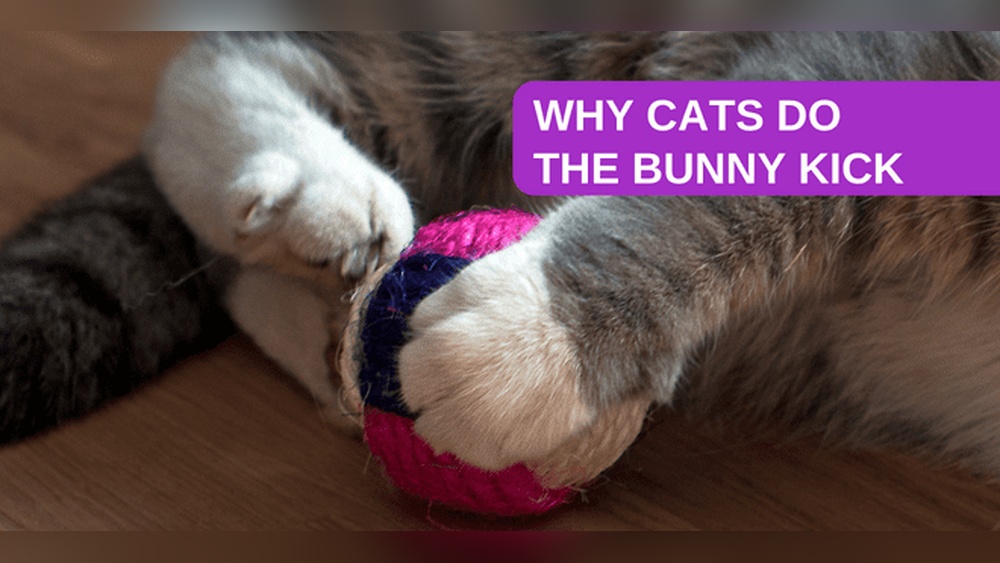
Have you ever watched your cat suddenly grab a toy and start kicking it with their back legs? It might look funny or even a little strange, but there’s a lot more going on beneath the surface.
Understanding why your cat does this can help you connect with them better and even improve their playtime. Keep reading to discover the surprising reasons behind this quirky behavior—and how it reveals your cat’s natural instincts.
Back Leg Kicking Behavior
Cats often kick toys with their back legs. This action looks like a small, quick kick. It is a natural behavior that many cats show. Back leg kicking helps cats feel in control of their toy. It also lets them practice hunting skills. Understanding this behavior gives insight into your cat’s mind.
How Cats Use Their Back Legs
Cats use their back legs to grab and hold prey. They hold the toy with their front paws. Then, they kick it with their hind legs. This helps them control the toy. The quick kicks mimic real hunting moves. It lets cats practice balance and strength. Kicking also helps cats release energy and stress.
Common Scenarios Of Kicking
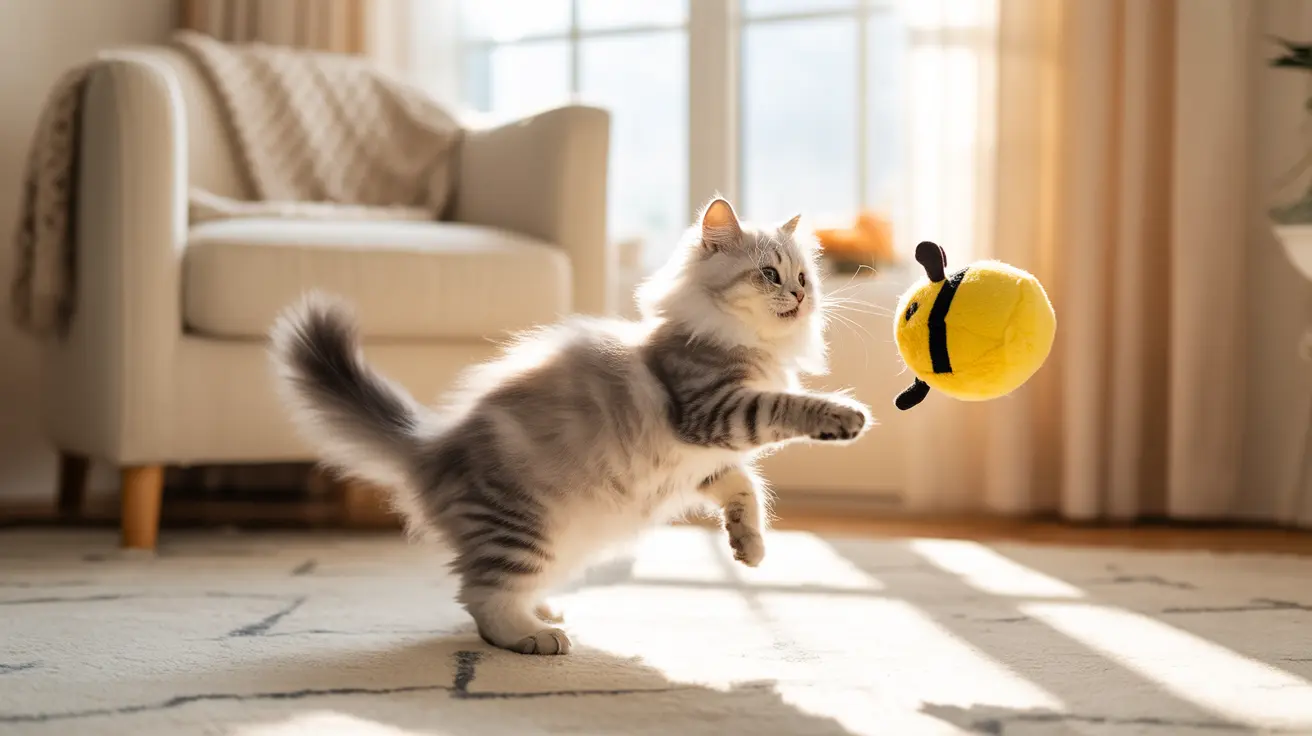
Cats kick toys during playtime or hunting practice. They often kick soft or small toys. Sometimes they kick blankets or pillows. Kicking happens when cats feel excited or focused. It also appears when cats feel playful or curious. This behavior shows they are engaged and alert. Watching your cat kick can be fun and interesting.
Credit: www.petscare.com
Hunting Instincts
Cats have strong hunting instincts. These instincts guide many of their behaviors. One common action is kicking toys with their back legs. This act is not random. It comes from their natural need to hunt and catch prey.
Even pet cats, who do not need to hunt for food, keep these instincts alive. They use toys as stand-ins for real prey. This helps them stay sharp and active.
Simulating Prey Capture
Kicking toys mimics how cats catch prey in the wild. Cats use their front paws to grab and hold. Then, they use their back legs to kick and hold the prey tightly. This prevents escape. When cats kick toys, they practice this exact move.
This behavior feels natural to them. It helps cats control their catch. It also satisfies their urge to capture and hold something. The toy becomes a pretend prey for them to conquer.
Practice For Real Hunting
For wild cats, kicking is a useful skill. It helps them catch animals like birds or rodents. Domestic cats keep this skill alive by playing. The kicking action keeps their muscles strong and flexible.
Playing with toys also keeps cats alert and focused. It trains their minds to react quickly. This practice is important even if they never hunt for food. It keeps their natural instincts sharp and healthy.
Play And Exercise
Cats use play and exercise to stay healthy and happy. Kicking toys with their back legs is part of this natural behavior. This action helps cats practice skills they use in the wild. It also gives them a way to burn energy and keep their bodies strong.
Physical Benefits
Kicking toys helps cats build strong muscles in their legs and body. It improves their balance and coordination. This movement keeps their joints flexible and reduces the risk of injuries. Regular play also helps cats maintain a healthy weight. It supports their overall physical health and fitness.
Mental Stimulation
Chasing and kicking toys challenges a cat’s mind. It mimics hunting, which keeps their brain sharp. This activity prevents boredom and reduces stress. Mental engagement helps cats stay alert and curious. It also improves their problem-solving skills and focus.
Territorial Marking
Cats often kick toys with their back legs to mark their space. This behavior is part of their natural way to claim territory. Cats use their bodies to leave signals for other animals. It helps them feel safe and in control of their environment. Kicking toys is one way they show ownership.
This action is more than just play. It involves special scent glands in their paws. These glands leave a unique smell on the toys. This scent tells other cats that the toy belongs to them. It is a silent message about their presence.
Scent Glands In Paws
Cats have small scent glands between their paw pads. These glands release pheromones, which carry chemical messages. When cats scratch or kick, they spread their scent. This scent is invisible to humans but clear to other cats. It helps cats mark objects without fighting.
The scent from these glands is unique to each cat. It acts like a name tag. Other cats can detect who marked the area or object. This way, cats avoid conflicts by recognizing each other’s scent marks.
Marking Toys As Territory
Kicking toys is a way cats mark their territory. Toys become part of their space after being kicked. The scent left on toys tells others to stay away. This marking helps cats protect their belongings. It also gives them comfort and confidence.
Territorial marking with toys is common in indoor cats. Toys often carry the cat’s scent around the house. This scent makes the environment familiar and safe. It reduces stress and helps cats feel at home.
Stress Relief And Frustration
Cats often kick toys with their back legs as a way to handle stress and frustration. This behavior helps them manage strong feelings and stay calm. It is a natural way for cats to express emotions that they cannot say in words.
When cats feel upset or restless, kicking toys can serve as an outlet. This action helps them release built-up energy and tension. Understanding this behavior can help cat owners support their pets better.
Releasing Energy
Kicking toys allows cats to burn off extra energy. Cats have strong hunting instincts, and kicking mimics their natural prey-catching actions. This physical activity reduces stress and keeps their mind busy.
Without proper outlets, cats may become anxious or destructive. Providing toys helps them stay active and calm. It is a simple way to keep stress levels low.
Signs Of Anxiety
Cats show anxiety through different behaviors, including kicking toys. Other signs include restlessness, hiding, or excessive grooming. These indicate that a cat feels stressed or frustrated.
Paying attention to these signs helps owners offer comfort. Toys that encourage kicking can ease anxiety. This behavior acts as a healthy coping mechanism for cats under stress.
Age And Development
Age plays a big role in why cats kick toys with their back legs. This behavior changes as cats grow and develop. Watching a young kitten kick a toy looks different from an adult cat doing the same. Understanding these changes helps us see what this action means at different life stages.
Kittens Vs Adult Cats
Kittens often kick toys to practice hunting skills. Their small size and energy make this behavior frequent and playful. Kicking helps them learn balance and coordination. Adult cats kick toys less often. They use this move mainly to show excitement or to control their prey. The strength and precision of their kicks improve with age.
Behavior Changes Over Time
Young cats kick toys more for fun and learning. As cats age, their play becomes more focused and less frequent. Older cats may kick toys to relieve stress or boredom. The kicking action also gets stronger and more controlled over time. This shows how cats grow from playful learners to skilled hunters.
How To Encourage Healthy Kicking
Cats use their back legs to kick toys as a natural hunting move. This action helps them stay active and sharp. Encouraging healthy kicking supports their physical and mental health. It also makes playtime more fun and safe.
Choosing Appropriate Toys
Pick toys that are soft and lightweight. Avoid hard or sharp items that can hurt your cat. Toys with feathers or strings catch their attention well. Small stuffed animals or balls work great for kicking. Rotate toys to keep your cat interested and active.
Safe Play Environment
Create a space free from breakable things. Use a carpeted or soft floor area for play. Keep cords and small objects out of reach. This prevents accidents during energetic kicking sessions. Supervise your cat to ensure safe and happy play.

Credit: www.hillspet.com

Credit: thecatisinthebox.com
Frequently Asked Questions
Why Do Cats Kick Toys With Back Legs?
Cats kick toys to mimic hunting instincts. It helps them practice capturing prey. This behavior is natural and provides mental stimulation.
Is Back-leg Kicking A Sign Of Aggression?
No, back-leg kicking is usually playful. It helps cats release energy and stay active. Aggression is shown by hissing or growling, not kicking toys.
Do All Cats Kick Toys The Same Way?
No, kicking styles vary by cat personality and breed. Some cats kick gently, others fiercely. It depends on their hunting instincts and play habits.
How Does Kicking Toys Benefit Cats?
Kicking toys improves cats’ coordination and strength. It keeps them mentally engaged and physically fit. This natural behavior also reduces stress and boredom.
Conclusion
Cats kick toys with their back legs to play and practice hunting. This behavior helps them stay active and sharp. It also shows their natural instincts at work. Watching cats kick can be fun and tells a lot about their mood.
Knowing why they do this helps you understand your pet better. Give your cat safe toys to enjoy this playful habit. It keeps them happy and healthy every day. Playtime is important for a cat’s life and well-being. Keep observing, and you’ll learn more about your furry friend.