
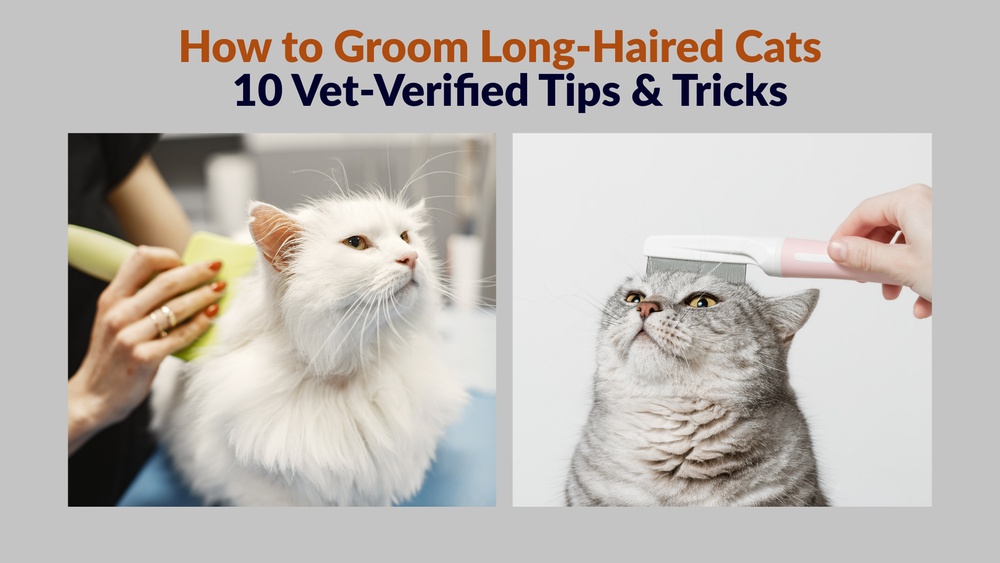
Your long-haired cat is more than just a pet – they’re a furry companion who needs special care to stay happy and healthy. But grooming long hair can feel like a big challenge.
You might be worried about mats, shedding, or even how to keep your cat calm during brushing. Don’t worry – this guide will show you simple, effective ways to groom your long-haired cat at home. By the end, you’ll have the confidence to keep your cat’s coat soft, shiny, and tangle-free, making both of you feel great every day.
Ready to make grooming easy and stress-free? Let’s dive in!

Credit: smart.dhgate.com
Choosing The Right Tools
Grooming a long-haired cat starts with choosing the right tools. These tools make brushing and trimming easier. They help keep your cat’s coat smooth and healthy. Using the proper tools reduces pain and stress for your pet. It also saves you time during grooming sessions.
Types Of Brushes And Combs
Long-haired cats need brushes that reach deep into their fur. Slicker brushes are great for removing tangles and loose hair. They have fine, short wires close together. A wide-toothed comb helps untangle knots without pulling too hard. Use a metal comb with smooth edges to avoid scratching your cat’s skin. Pin brushes with rounded tips also work well for gentle brushing.
Selecting Nail Clippers And Scissors
Choose sharp nail clippers made for cats. Small, scissor-style clippers give better control and prevent splitting. Avoid human nail clippers as they may hurt your cat. For trimming fur, use blunt-tipped scissors. They reduce the risk of cuts and injuries. Scissors with a curved blade follow your cat’s body shape. This makes trimming safer and neater.
Brushing Techniques
Brushing long-haired cats needs care and patience. The right brushing techniques keep their coat smooth and healthy. It reduces mats and spreads natural oils. A good brushing routine helps your cat feel comfortable and clean.
Frequency Of Brushing
Brush your long-haired cat at least twice a week. More often during shedding season. Daily brushing is best for very thick coats. Regular brushing stops hair from tangling. It also lowers hairballs by removing loose fur.
Detangling Knots Safely
Start with gentle brushing to find knots. Use a wide-tooth comb or detangling tool. Hold the fur near the skin to avoid pulling. Slowly work through the knot from the ends. Do not force or pull hard. For tough knots, try softening with a little water or pet-safe conditioner.
Handling Sensitive Areas
Be gentle around the face, belly, and tail. These spots are more sensitive for cats. Use a soft brush or your fingers. Watch your cat’s reaction to avoid stress. Stop if your cat shows discomfort and try again later.
Bathing Your Long Haired Cat
Bathing your long haired cat is an important part of grooming. It helps keep their coat clean and free from dirt. Regular baths can prevent mats and tangles. It also reduces shedding and skin problems.
Bathing can be a calm experience with the right approach. Prepare everything before you start. Use gentle methods and stay patient. This section guides you through the key steps for a safe bath.
When To Bathe
Bathe your cat only when necessary. Long haired cats need baths less often than short haired ones. Bathing too often can dry out their skin. Wash your cat if their fur is dirty or greasy. Also bathe if they have fleas or skin issues. Usually, a bath every 4 to 6 weeks is enough.
Using Cat-friendly Shampoos
Choose shampoos made especially for cats. Human shampoos can harm their skin and fur. Look for gentle, hypoallergenic formulas. Avoid products with strong scents or chemicals. Use only a small amount of shampoo. Rinse thoroughly to remove all soap. This prevents irritation and keeps fur soft.
Drying And Aftercare
Dry your cat carefully after the bath. Use a soft towel to gently pat the fur. Avoid rubbing hard to prevent tangles. Some cats accept a low-heat hair dryer. Keep the dryer moving and far from the skin. Make sure your cat stays warm until completely dry. Brush the fur after drying to remove loose hair and prevent mats.

Credit: www.happypawsus.com
Managing Shedding And Hairballs
Managing shedding and hairballs is important for long-haired cats. Their thick fur can shed a lot. Loose hair can cause hairballs, which may upset your cat’s stomach. Taking steps to reduce shedding helps keep your home cleaner and your cat healthier.
Regular care and attention make a big difference. Simple habits and good nutrition support your cat’s coat. This section explains how to manage shedding and prevent hairballs effectively.
Diet And Supplements
A healthy diet supports a shiny, strong coat. High-quality cat food rich in omega-3 and omega-6 fatty acids reduces shedding. These fats keep skin healthy and fur smooth.
Supplements like fish oil or flaxseed oil add extra nutrients. They help reduce dry skin and loose hair. Always check with your vet before adding supplements.
Regular Grooming To Reduce Shedding
Brushing your cat daily removes loose fur. It stops hair from spreading around the house. Use a wide-toothed comb or slicker brush made for long hair.
Start brushing gently to avoid hurting your cat. Regular grooming also prevents mats and tangles. This keeps your cat comfortable and happy.
Preventing Hairballs
Hairballs form when your cat swallows loose fur. Frequent brushing reduces the amount of fur swallowed. Special hairball control cat food can help too.
Make sure your cat drinks enough water. Hydration supports digestion and helps pass hair naturally. Monitor your cat for signs of hairball discomfort. Consult your vet if problems persist.
Checking For Skin And Coat Issues
Checking your long-haired cat’s skin and coat is important during grooming. It helps find problems early. Healthy skin and fur show a happy cat. Regular checks keep your cat comfortable and clean.
Look closely at your cat’s fur and skin. Feel for bumps, redness, or dry patches. Shine of the coat tells a lot about health. Spotting issues early saves your cat pain and vet visits.
Identifying Parasites
Parasites like fleas and ticks hide in long fur. Check behind ears, neck, and belly carefully. Fleas leave small black spots called flea dirt. Ticks look like tiny bumps attached to skin. Use a flea comb to catch pests. Remove any parasites gently with tweezers or a comb.
Spotting Skin Irritations
Skin irritations cause redness, swelling, or scabs. Your cat may scratch or lick these areas a lot. Check for bald spots or flaky skin. Dry skin can mean allergies or poor nutrition. Keep an eye on these signs during grooming sessions. Treat minor irritations with vet-approved products.
When To Visit The Vet
Visit the vet if you find wounds, lumps, or persistent irritations. Also, see a vet if parasites keep coming back. Sudden hair loss or constant scratching needs professional help. Early vet visits stop problems from getting worse. Your vet can give medicines and advice for care.
Trimming And Styling
Trimming and styling long hair cats is key to keeping their coat healthy and neat. Regular trims stop hair from splitting and reduce matting. Styling adds a fun touch and helps manage thick fur better.
Safe Trimming Techniques
Use sharp, small scissors made for pets. Trim hair slowly to avoid cutting skin. Hold the fur away from the skin while cutting. Avoid trimming too close to the body. Check for sensitive spots like ears and paws. Keep your cat calm with gentle strokes. Stop if your cat shows stress or pain.
Keeping Coat Tangle-free
Brush your cat daily to prevent tangles. Use a wide-tooth comb for thick fur. Detangle knots gently with your fingers before brushing. Apply a pet-safe detangler spray if needed. Keep the fur dry to stop mats forming. Regular grooming saves time on big knots later.
Creative Styling Tips
Try simple styles like ponytails or braids on small fur sections. Use soft bands that do not pull hair. Keep styles loose to avoid discomfort. Trim fur around the eyes for better vision. Use a soft brush to smooth the coat after styling. Remember, comfort is the top priority for your cat.
Creating A Grooming Routine
Creating a grooming routine for a long-haired cat helps keep their coat healthy. It reduces mats and tangles. Regular grooming also lowers hairballs and skin problems. Establishing a routine makes grooming easier for both you and your cat. Your cat will feel more comfortable and relaxed during grooming sessions.
Establishing A Schedule
Set a regular time for grooming your cat. Daily brushing works best for long hair. Try short sessions, about 5 to 10 minutes each. Consistency helps your cat get used to the routine. Choose a quiet spot where your cat feels safe. Use gentle, slow strokes to avoid stress.
Making Grooming Enjoyable
Use soft brushes and combs made for cats. Speak softly and calmly to your cat. Offer treats before, during, or after grooming. Play with your cat to relax them before brushing. Stop if your cat shows signs of stress. Make grooming a positive experience every time.
Adapting As Your Cat Ages
Older cats may need gentler grooming. Their skin can become more sensitive. Shorten grooming sessions if needed. Watch for any changes in coat or skin health. Adjust tools and techniques based on your cat’s comfort. Keep grooming part of your daily care routine.

Credit: www.youtube.com
Frequently Asked Questions
How Often Should I Groom My Long-haired Cat?
Groom your long-haired cat daily to prevent mats and tangles. Regular brushing reduces hairballs and keeps the coat healthy. Consistent grooming also helps spot skin issues early.
What Tools Are Best For Grooming Long-haired Cats?
Use a wide-toothed comb, slicker brush, and detangling spray. These tools gently remove tangles and loose fur. Avoid harsh brushes that can hurt your cat’s skin.
How Do I Prevent Mats In My Cat’s Fur?
Brush your cat daily, focusing on common mat areas like behind ears and under legs. Use detangling spray for stubborn knots. Regular grooming is key to preventing painful mats.
Can I Groom My Cat Without Causing Stress?
Yes, groom in a calm, quiet space and use treats as rewards. Start with short sessions and gradually increase time. Be gentle and patient to build trust.
Conclusion
Grooming a long-haired cat takes patience and care. Regular brushing keeps their coat soft and healthy. It helps prevent mats and hairballs too. Use gentle strokes to avoid hurting your cat. Keep grooming sessions short and calm. Watch for any skin issues or discomfort.
A clean, well-groomed cat feels happier and looks great. Simple steps make grooming easier for both of you. Start today, and enjoy the bond it builds. Your cat will thank you with purrs and affection.