
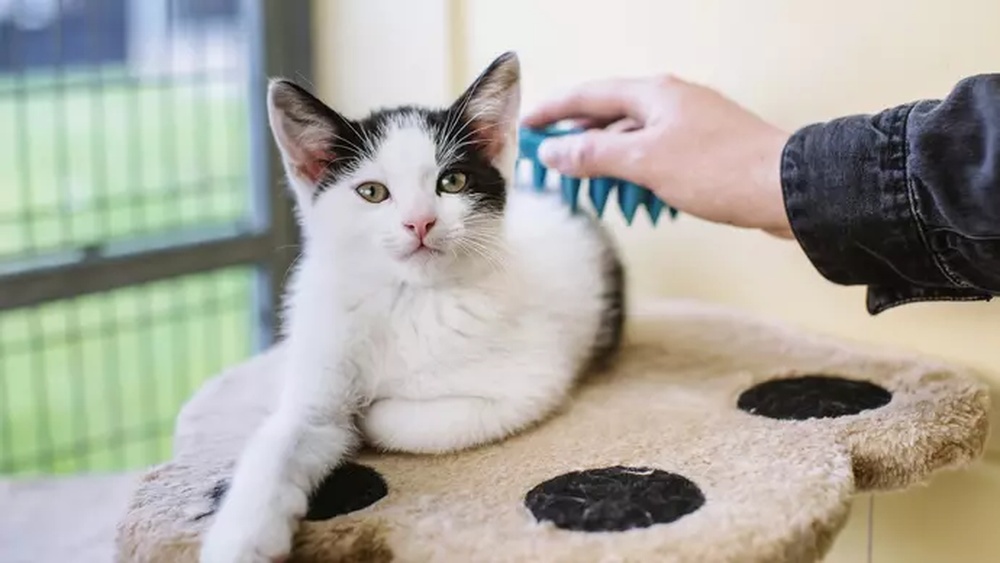
Are you wondering what cat grooming really involves and why it matters for your furry friend? Taking care of your cat’s coat is more than just keeping them clean—it’s about their health, comfort, and happiness.
You’ll discover exactly what cat grooming includes and how it benefits your pet every day. By the end, you’ll know simple steps to keep your cat looking and feeling their best. Ready to learn how to make grooming a positive experience for both you and your cat?
Let’s dive in!
Daily Grooming Tasks
Daily grooming tasks help keep your cat healthy and happy. These simple routines prevent problems like mats, infections, and overgrown nails. Spending a few minutes each day builds trust and comfort. It also lets you spot health issues early. Below are key daily grooming tasks to include.
Brushing Techniques
Use a brush suited for your cat’s fur type. Short-haired cats need a soft bristle brush. Long-haired cats require a wide-toothed comb to remove tangles. Brush gently in the direction of hair growth. Focus on areas like the neck, behind ears, and under legs. Regular brushing removes loose hair and reduces shedding.
Cleaning Eyes And Ears
Check your cat’s eyes daily for dirt or discharge. Use a damp cotton ball to wipe gently around the eyes. Avoid touching the eyeball. For ears, inspect for wax or debris. Clean only the outer ear with a soft cloth. Never insert objects into the ear canal to avoid injury.
Nail Trimming Tips
Trim your cat’s nails every few days to avoid overgrowth. Use sharp, small nail clippers made for cats. Hold your cat’s paw firmly but gently. Cut just the sharp tip, avoiding the pink quick inside. If unsure, trim one nail at a time to build confidence. Reward your cat with praise after trimming.
Credit: www.allpets.com.au
Bathing Your Cat
Bathing your cat is an important part of grooming. Cats usually clean themselves well. Still, some need extra help to stay clean and healthy. Bathing removes dirt, loose fur, and harmful oils. It also helps keep your cat’s skin healthy. Bathing can be a calm and bonding time.
When To Bathe
Bath your cat only when necessary. Cats rarely need frequent baths. Bathe if your cat gets very dirty or sticky. Sometimes, skin problems or fleas require a bath. Avoid bathing too often. Too much washing can dry out their skin. Watch for signs like strong odor or visible dirt.
Safe Bathing Practices
Prepare everything before starting the bath. Use a sink or shallow tub with warm water. Keep water level low, just a few inches. Speak softly to keep your cat calm. Use a cup or hand sprayer to wet your cat gently. Avoid getting water in their ears and eyes. Rinse well to remove all shampoo. Dry your cat with a soft towel quickly. Never leave your cat alone during the bath.
Choosing The Right Shampoo
Pick a shampoo made just for cats. Human or dog shampoos can harm their skin. Look for gentle formulas without harsh chemicals. Shampoos with natural ingredients work best. If your cat has skin issues, ask a vet for advice. Avoid products with strong scents or dyes. Proper shampoo keeps your cat’s coat soft and clean.
Fur And Skin Care
Fur and skin care is a key part of cat grooming. Healthy fur and skin keep cats comfortable and looking good. Proper care helps prevent problems like mats, dryness, and infections. It also supports the cat’s overall health and happiness.
Dealing With Shedding
Shedding is normal for cats. It happens more in spring and fall. Brushing your cat often removes loose fur. This stops fur from spreading around the house. Regular grooming also helps reduce hairballs. Choose a brush that suits your cat’s fur type.
Preventing Hairballs
Cats swallow fur while grooming themselves. This can cause hairballs in their stomach. Hairballs may make cats cough or vomit. Brushing your cat daily lowers swallowed fur. Feeding special hairball control food can also help. Keep your cat hydrated to support digestion.
Spotting Skin Issues
Check your cat’s skin during grooming. Look for redness, bumps, or dry patches. These signs may show allergies or infections. Fleas and ticks also cause skin problems. Early spotting helps you get vet care fast. Healthy skin means a happy cat.
Dental Hygiene
Dental hygiene is a key part of cat grooming. Healthy teeth keep your cat happy and pain-free. Poor dental care can cause infections and other health problems. Regular attention to your cat’s teeth helps prevent these issues. It also improves their breath and overall health.
Brushing Your Cat’s Teeth
Brushing is the best way to clean your cat’s teeth. Use a soft toothbrush made for cats. Choose toothpaste designed for pets, never human toothpaste. Start slowly to help your cat get used to it. Brush gently in small circles on the teeth and gums. Aim to brush daily or at least several times a week.
Signs Of Dental Problems
Watch for signs of dental problems in your cat. Bad breath is often the first sign. Look for red or swollen gums, too. Your cat may stop eating or chew on one side. Drooling more than usual can also be a warning. If you see any signs, visit the vet quickly.
Dental Treats And Toys
Dental treats help reduce plaque and tartar buildup. Choose treats that promote chewing and cleaning. Dental toys also support healthy teeth and gums. They encourage your cat to chew, which helps remove debris. Use these along with brushing for best results.
Creating A Grooming Routine
Creating a grooming routine helps keep your cat healthy and happy. Regular grooming removes dirt, loose hair, and prevents mats. It also lets you check for skin problems or parasites early. A good routine makes grooming easier for both you and your cat.
Setting A Schedule
Pick specific days for grooming sessions. Short, frequent sessions work better than long, rare ones. Most cats do well with brushing two to three times weekly. Adjust based on your cat’s coat type and needs. Consistency helps your cat get used to grooming.
Making Grooming Stress-free
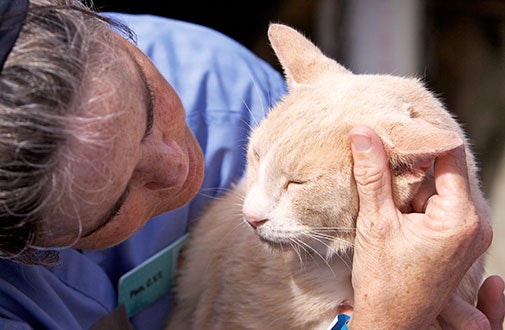
Choose a quiet, calm place for grooming. Use a soft voice and gentle touches. Start slowly, brushing a few strokes at a time. Offer treats or praise to create positive feelings. Stop if your cat seems stressed. Try again later with patience.
Tools Every Owner Needs
Basic tools include a slicker brush, comb, and nail clippers. A grooming glove can help remove loose hair. Use a soft brush for sensitive areas like the face. Keep tools clean and in good shape. Having the right tools makes grooming quick and effective.
Credit: www.aspca.org
When To Seek Professional Help
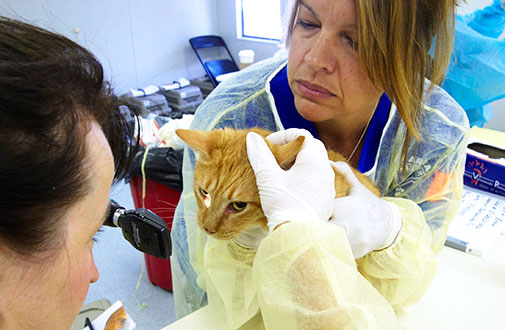
Knowing when to seek professional help for your cat’s grooming is very important. Some grooming tasks are easy to do at home. Others need special tools and skills. Some health problems show up during grooming. Professionals can spot these early. This keeps your cat healthy and happy.
Professional Grooming Services
Professional groomers offer more than just brushing and trimming. They clean ears, trim nails, and remove mats safely. They use special shampoos for sensitive skin. Groomers also handle long-haired or thick-coated cats with care. Some cats need haircuts to avoid tangles and skin problems. Groomers have the right tools and experience. They can calm nervous cats during grooming sessions.
Recognizing Grooming-related Health Issues
Grooming helps find health issues early. Look for bald patches, redness, or swelling. Check for fleas, ticks, or skin infections. Notice if your cat scratches or licks a spot too much. Watch for bad smells or discharge from ears. Pain or stiffness during grooming could mean joint problems. Professional groomers know these signs well. They can advise you to see a vet quickly.
Credit: www.aspca.org
Frequently Asked Questions
What Basic Services Does Cat Grooming Include?
Cat grooming typically includes brushing, bathing, nail trimming, ear cleaning, and dental care. These services keep cats clean, healthy, and comfortable.
How Often Should I Groom My Cat?
Cats should be groomed weekly, but long-haired breeds may need daily care. Regular grooming prevents mats and reduces shedding.
Can Grooming Improve My Cat’s Health?
Yes, grooming helps detect skin issues, parasites, and infections early. It also promotes better coat condition and overall wellness.
Should I Groom My Cat At Home Or Professionally?
Home grooming is fine for routine care, but professional groomers handle mats and special treatments. Choose based on your cat’s needs and temperament.
Conclusion
Cat grooming keeps your pet healthy and happy. It includes brushing fur, trimming nails, and cleaning ears. Regular grooming prevents mats and skin problems. It also helps spot health issues early. Grooming builds trust and strengthens your bond. A calm, clean cat feels more comfortable every day.
Simple steps make grooming easier for both of you. Remember, gentle care and patience matter most. Keep grooming a regular habit for your cat’s well-being.