
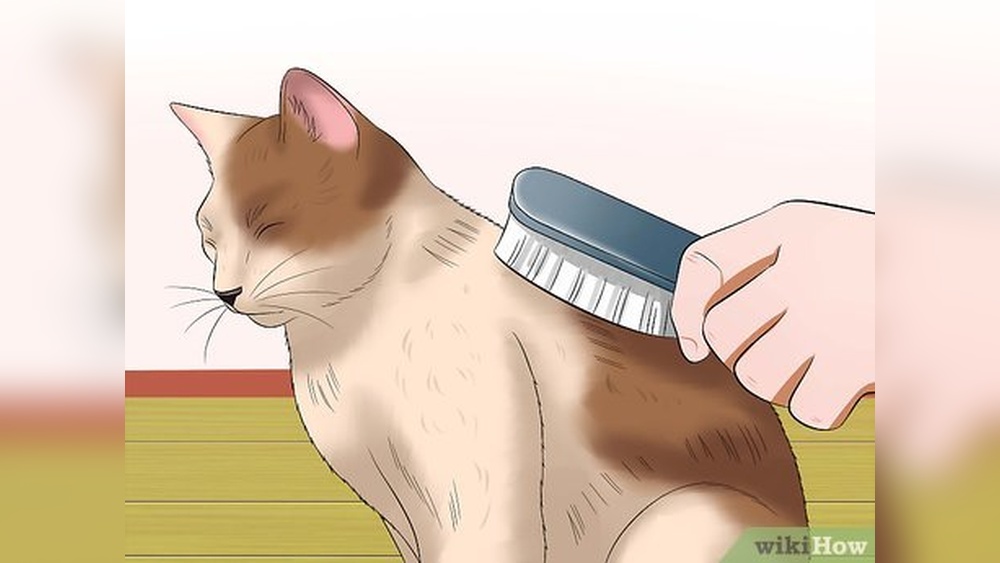
Grooming your cat might seem like a simple task, but it’s more important than you think. When you take the time to groom your furry friend, you’re not just keeping them clean—you’re boosting their health and strengthening your bond.
Imagine your cat feeling comfortable, looking shiny, and staying free from painful mats or skin issues. You’ll discover easy steps and expert tips that make grooming stress-free for both you and your cat. Ready to become your cat’s favorite groomer?
Let’s dive in.
Choosing The Right Grooming Tools
Choosing the right grooming tools for your cat is key to a smooth grooming session. The right tools protect your cat’s skin and fur. They also make grooming easier for you. Different cats need different tools based on their fur type and habits. Using the correct tools keeps your cat comfortable and healthy.
Brushes For Different Fur Types
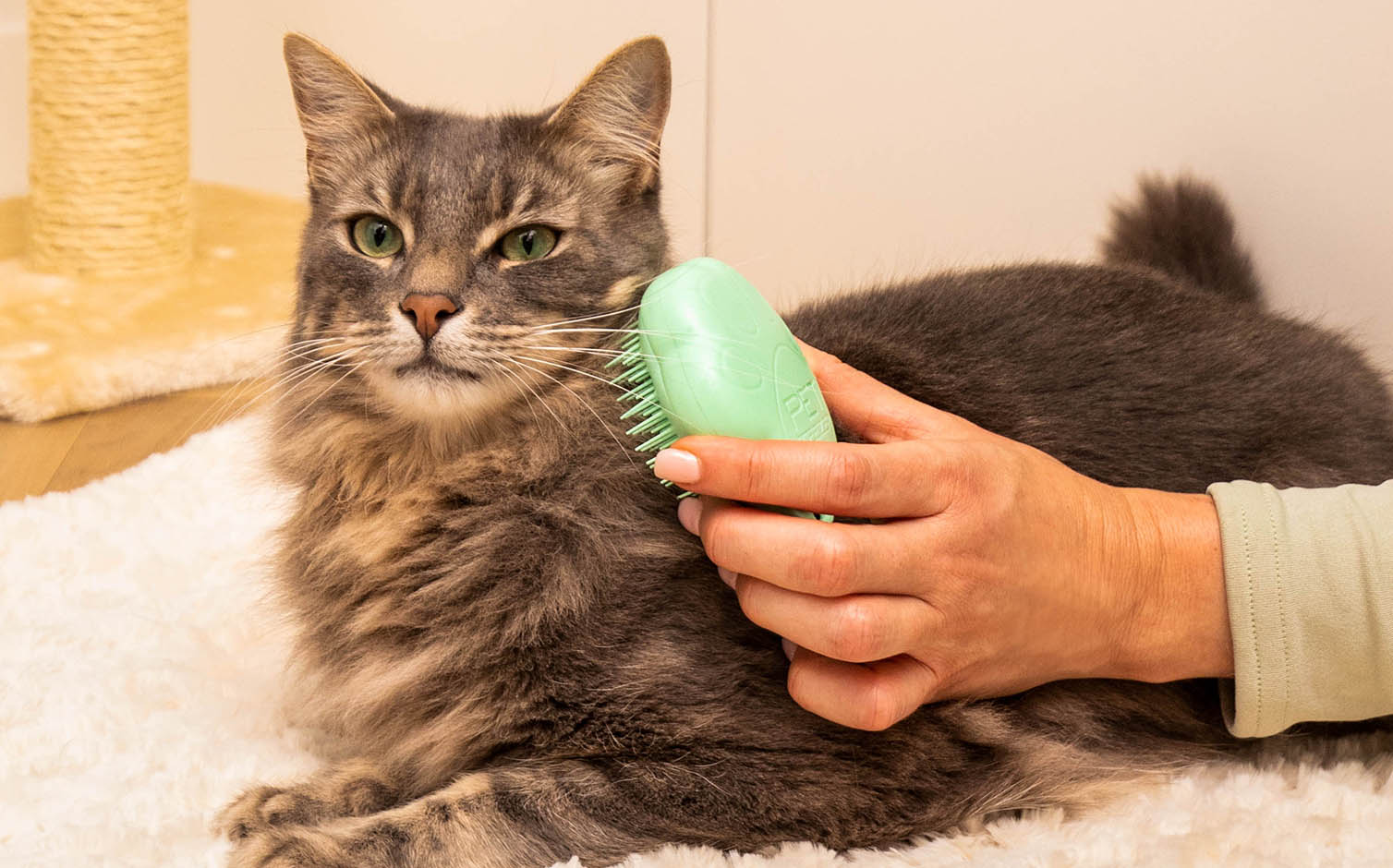
Short-haired cats need soft bristle brushes. These remove loose hair and dirt gently. Long-haired cats require wide-toothed combs or slicker brushes. These tools help untangle knots and mats. For dense or double coats, use an undercoat rake. It removes dead fur beneath the top layer. Choose a brush that fits your cat’s fur type.
Nail Clippers And Trimmers
Use nail clippers made for cats. They are smaller and safer than human clippers. Scissor-style or guillotine-style clippers work well. Trim nails carefully to avoid cutting the quick. Regular nail trimming prevents scratching and damage. Keep clippers sharp and clean for best results.
Cat-friendly Shampoos And Wipes
Select shampoos made for cats. These are gentle and safe for their skin. Avoid human shampoos as they can irritate. Use waterless wipes for quick clean-ups. Wipes help remove dirt without a full bath. Both products keep your cat fresh and clean.
Brushing Techniques
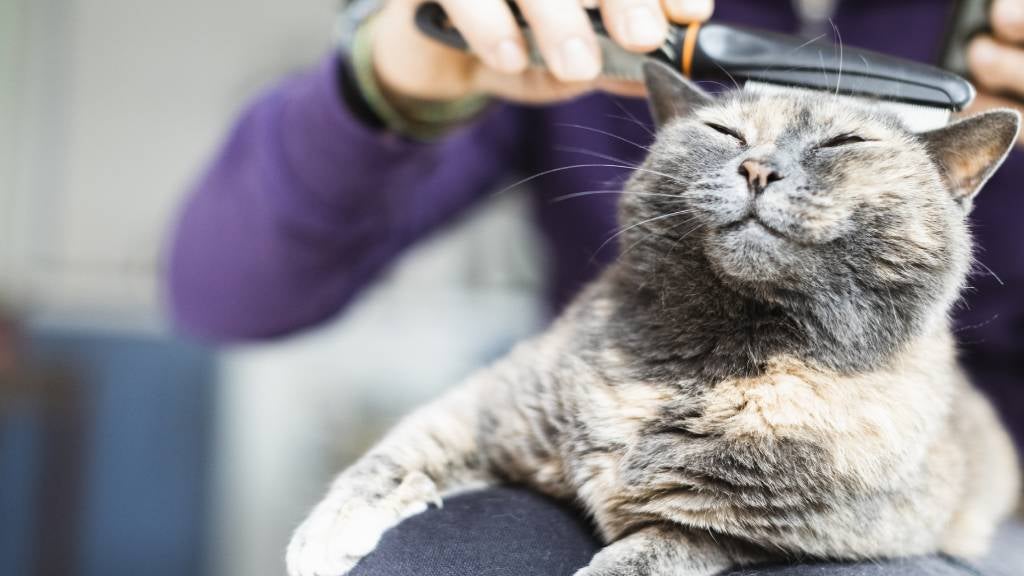
Brushing your cat regularly keeps their coat clean and healthy. It removes loose fur and prevents hairballs. Good brushing also helps you check your cat’s skin for problems. Use the right tools and gentle strokes to make brushing a positive experience.
Frequency And Timing
Brush short-haired cats once a week. Long-haired cats need brushing every day. Choose a quiet time when your cat feels relaxed. After a meal or playtime works well. Keep sessions short at first, about five minutes. Gradually increase as your cat gets used to it.
Handling Matted Fur
Gently work through mats with your fingers before brushing. Use a wide-toothed comb or a mat splitter. Do not pull hard; it hurts your cat. If mats are large, trim carefully or ask a groomer. Regular brushing stops mats from forming again.
Calming Your Cat During Brushing
Speak softly to soothe your cat. Stroke their head and neck before brushing. Use slow, gentle strokes, following the fur direction. Take breaks if your cat feels tense. Offer treats after brushing to create a good habit.
Bathing Your Cat
Bathing your cat can seem hard, but it helps keep your pet clean and healthy. Most cats clean themselves well. Still, some need a bath now and then. Bathing removes dirt, loose hair, and bad smells. It also helps if your cat has allergies or skin problems. Knowing the right time and method makes the bath easier for you and your cat.
When To Bathe Your Cat
Bath your cat only when needed. Cats usually stay clean on their own. Bath if your cat is very dirty or sticky. A bath helps if your cat has fleas or skin issues. Avoid bathing too often. Too many baths can dry your cat’s skin. Use a bath for special cases, not regular cleaning.
Step-by-step Bathing Process
Start by brushing your cat to remove loose fur. Use warm water, not hot or cold. Put a small amount of cat shampoo in your hand. Gently wet your cat’s fur, avoiding the face. Rub shampoo gently into the fur. Rinse well with clean, warm water. Keep your cat calm and speak softly. Use a cup or hand shower for rinsing. Never get water in your cat’s ears or eyes.
Drying Methods That Work
Wrap your cat in a soft towel right after the bath. Pat the fur gently to soak up water. Use several towels if needed. Some cats tolerate a hairdryer on low, cool setting. Keep the dryer far from the cat and move it constantly. Make sure your cat stays warm until fully dry. Avoid letting your cat go outside wet. Wet fur can cause chills or illness.
Credit: www.rspcapetinsurance.org.au
Nail Care Tips
Taking care of your cat’s nails is important for their health and comfort. Regular nail care prevents pain and damage to your furniture. It also helps your cat stay active and safe. Nail care is simple with the right steps and tools.
Trimming Basics
Use a sharp nail clipper made for cats. Hold your cat gently but firmly. Trim only the sharp tip of the nail. Avoid cutting too close to the pink area. This part has nerves and blood vessels. Cutting it causes pain and bleeding. Trim nails every two to three weeks to keep them healthy.
Signs Of Overgrown Nails
Long nails may curl or dig into paw pads. Your cat might limp or avoid jumping. Scratches on furniture or skin increase. Nails that click on hard floors show they are too long. Watch for these signs to act early and prevent pain.
Keeping Your Cat Comfortable
Choose a quiet room for nail care. Talk softly to calm your cat. Use treats before and after trimming. Stop if your cat resists too much. Try again later or ask a vet for help. Regular practice makes nail care easier for both of you.
Ear And Eye Care
Ear and eye care are important parts of grooming your cat. Clean ears and clear eyes help keep your cat healthy. Regular checks prevent infections and discomfort.
Cleaning Ears Safely
Use a soft cloth or cotton ball to clean your cat’s ears. Never use cotton swabs inside the ear canal. Gently wipe only the outer ear surface. Use a vet-approved ear cleaner if needed. Stop if your cat shows pain or stress.
Managing Tear Stains
Tear stains appear as dark marks under your cat’s eyes. Use a damp cloth or pet wipe to clean the area daily. Clean gently to avoid hurting your cat. Tear stains may come from dust or blocked tear ducts. Keep the fur around eyes dry and clean.
Recognizing Infection Signs
Look for redness, swelling, or bad smell in ears or eyes. Excessive scratching or rubbing can mean irritation. Watery eyes or yellow discharge need attention. If you see these signs, visit a vet quickly. Early treatment prevents serious problems.
Credit: tangleteezer.com
Dental Hygiene For Cats
Dental hygiene is very important for your cat’s health. Clean teeth help prevent pain, infections, and bad breath. Good dental care can also stop serious diseases later in life.
Start dental care early to make it easier for your cat. Regular attention keeps teeth and gums healthy. Here are simple ways to care for your cat’s teeth.
Brushing Your Cat’s Teeth
Use a soft toothbrush made for cats. Toothpaste should be special for pets, never human toothpaste. Gently brush your cat’s teeth once or twice a week. Focus on the gum line, where plaque builds up. Be patient and calm. Praise your cat to make it a good experience.
Choosing Dental Treats
Dental treats help reduce plaque and tartar. Pick treats designed to clean teeth and freshen breath. Check the ingredients for healthy options. Use treats as rewards, not main food. Treats support brushing but don’t replace it.
Signs Of Dental Problems
Watch for bad breath that does not go away. Check if your cat eats less or drools. Red or swollen gums may show infection. Loose or broken teeth need vet care. Early signs help catch problems fast. Regular checks keep your cat’s mouth healthy.
Creating A Grooming Routine
Creating a grooming routine helps keep your cat healthy and happy. It builds trust and reduces stress. Regular grooming prevents mats, hairballs, and skin problems. A set routine makes grooming easier for both you and your cat. Start with small sessions and increase time gradually.
Setting A Schedule
Choose a time that fits your daily life. Try grooming your cat the same time every day or week. Consistency helps your cat get used to the routine. Short sessions work best, especially at the start. Watch your cat’s mood to find the best time.
Making Grooming A Positive Experience
Use treats and gentle words during grooming. Stop if your cat feels stressed or scared. Soft brushes and slow movements keep your cat calm. Praise your cat often to build trust. Play with your cat before or after grooming for fun.
Adjusting Routine For Different Ages
Kittens need gentle and short grooming sessions. Older cats may require more care for skin and fur. Check for health issues like dry skin or lumps. Adjust tools and techniques based on your cat’s age. Stay patient and observe your cat’s needs closely.
When To Seek Professional Help
Grooming your cat is important for their health and happiness. Some grooming tasks can be done at home. Others need a professional touch. Knowing when to get expert help keeps your cat safe and comfortable.
Recognizing Grooming Challenges
Some cats resist brushing or nail trimming. Matted fur can be hard to remove without pain. Cats with thick coats or long hair often need special care. If grooming causes stress or injury, seek help. Professionals have the right tools and skills to manage these problems.
Finding A Trusted Groomer
Choose a groomer who loves cats and knows their needs. Ask for recommendations from your vet or friends. Check reviews and visit the grooming salon first. Look for a calm, clean place. A good groomer will handle your cat gently and with patience.
Health Issues Affecting Grooming
Illness or pain can make grooming difficult for cats. Skin problems, arthritis, or dental pain may stop them from cooperating. If your cat suddenly avoids grooming or shows discomfort, see a vet. Treating health issues can make grooming easier and safer.

Credit: us.tangleteezer.com
Frequently Asked Questions
How Often Should I Groom My Cat?
Groom your cat at least once a week. Long-haired cats may require daily grooming. Regular grooming prevents matting and reduces shedding.
What Tools Do I Need For Cat Grooming?
Use a soft brush, comb, nail clippers, and cat-safe wipes. Choose tools based on your cat’s fur type and comfort.
Can Grooming Improve My Cat’s Health?
Yes, grooming helps spot skin issues, parasites, and promotes healthy fur. It also reduces hairballs and strengthens your bond.
How Do I Safely Trim My Cat’s Nails?
Use specialized cat nail clippers. Trim only the sharp tips, avoiding the quick. Take breaks if your cat becomes stressed.
Conclusion
Grooming your cat helps keep them healthy and happy. Regular brushing removes loose fur and dirt. It also reduces hairballs and skin problems. Use gentle strokes to make grooming a calm time. Pay attention to their nails, ears, and teeth too.
Small daily efforts make a big difference. Your cat will enjoy the care and attention. Start today and build a strong bond with your pet. Simple steps lead to a clean, comfortable cat. Keep grooming part of your routine for best results.