
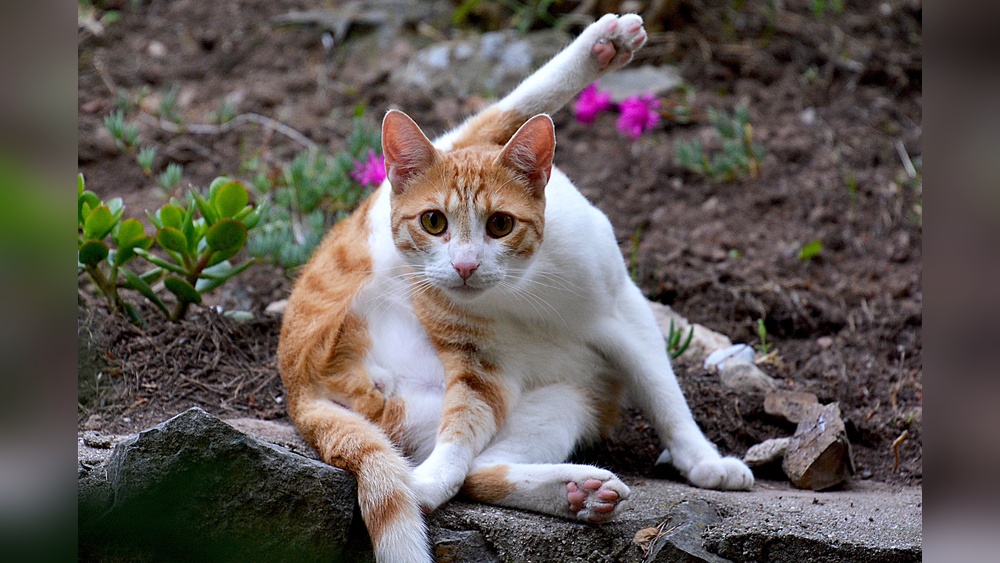
Is your cat spending too much time licking or biting itself? You might be dealing with OCD grooming, a condition that can cause your furry friend discomfort and stress.
Understanding how to treat your cat’s OCD grooming is essential to helping them feel better and live a happier life. You’ll discover simple, effective steps you can take right now to ease your cat’s discomfort and stop the cycle of over-grooming.
Keep reading to learn how to support your cat and bring peace back to your home.
Causes Of Excessive Grooming
Excessive grooming in cats can be puzzling and worrying. It may seem like normal cleaning but can signal deeper issues. Knowing what causes this behavior helps in finding the right treatment. Cats groom to stay clean and calm. When grooming becomes too much, it may point to a problem.
Stress And Anxiety Triggers
Cats often groom to relieve stress. Changes in their environment can upset them. New people, loud noises, or moving homes may cause anxiety. Grooming acts as a soothing habit. Over time, stress leads to constant licking and hair loss.
Allergies And Skin Issues
Skin irritation makes cats lick a lot. Allergies to food or pollen cause itching. Fleas and mites also lead to discomfort. Cats try to ease the itch by grooming more. This behavior can worsen skin wounds and infections.
Boredom And Lack Of Stimulation
Cats need mental and physical activities daily. Without enough play, they feel bored. Grooming becomes a way to pass time. A bored cat grooms to avoid feeling lonely or restless. Providing toys and attention reduces this habit.
Medical Conditions
Certain illnesses cause excessive grooming. Pain or discomfort in joints may trigger licking. Hormone imbalances also affect grooming behavior. Infections and wounds make cats lick repeatedly. A vet check-up is necessary to rule out health issues.

Credit: www.jacksongalaxy.com
Recognizing Ocd Grooming Signs
Recognizing OCD grooming signs in cats is important for their health and happiness. Cats groom themselves daily, but excessive grooming can signal a problem. Spotting these signs early helps prevent skin damage and stress. Understanding the difference between normal and OCD grooming is key.
Common Behavioral Patterns
Cats with OCD grooming often lick the same spot repeatedly. They may chew or bite their fur in specific areas. This behavior can last for hours each day. The cat might seem restless or anxious. Sometimes, the grooming happens after stressful events.
Physical Symptoms To Watch For
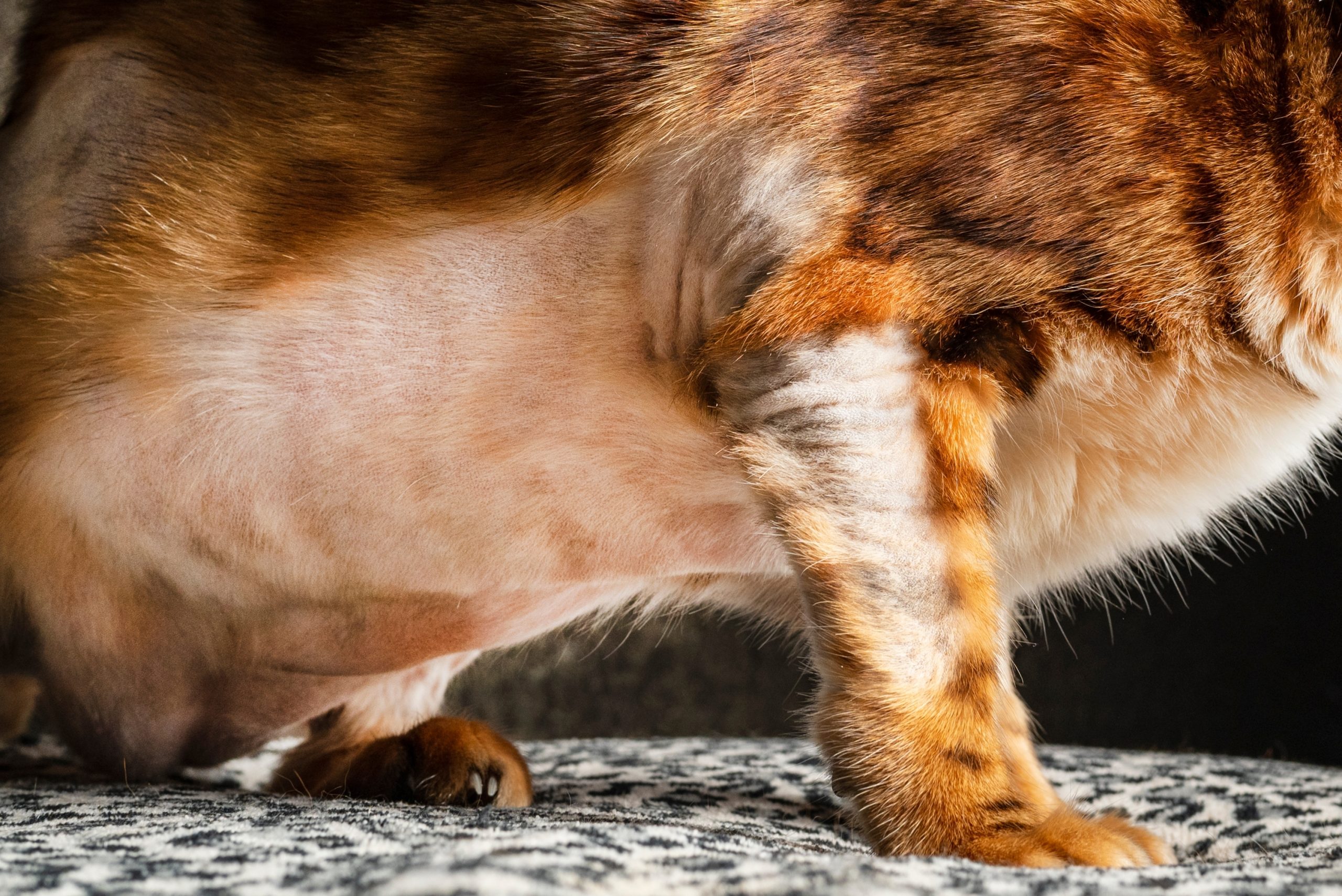
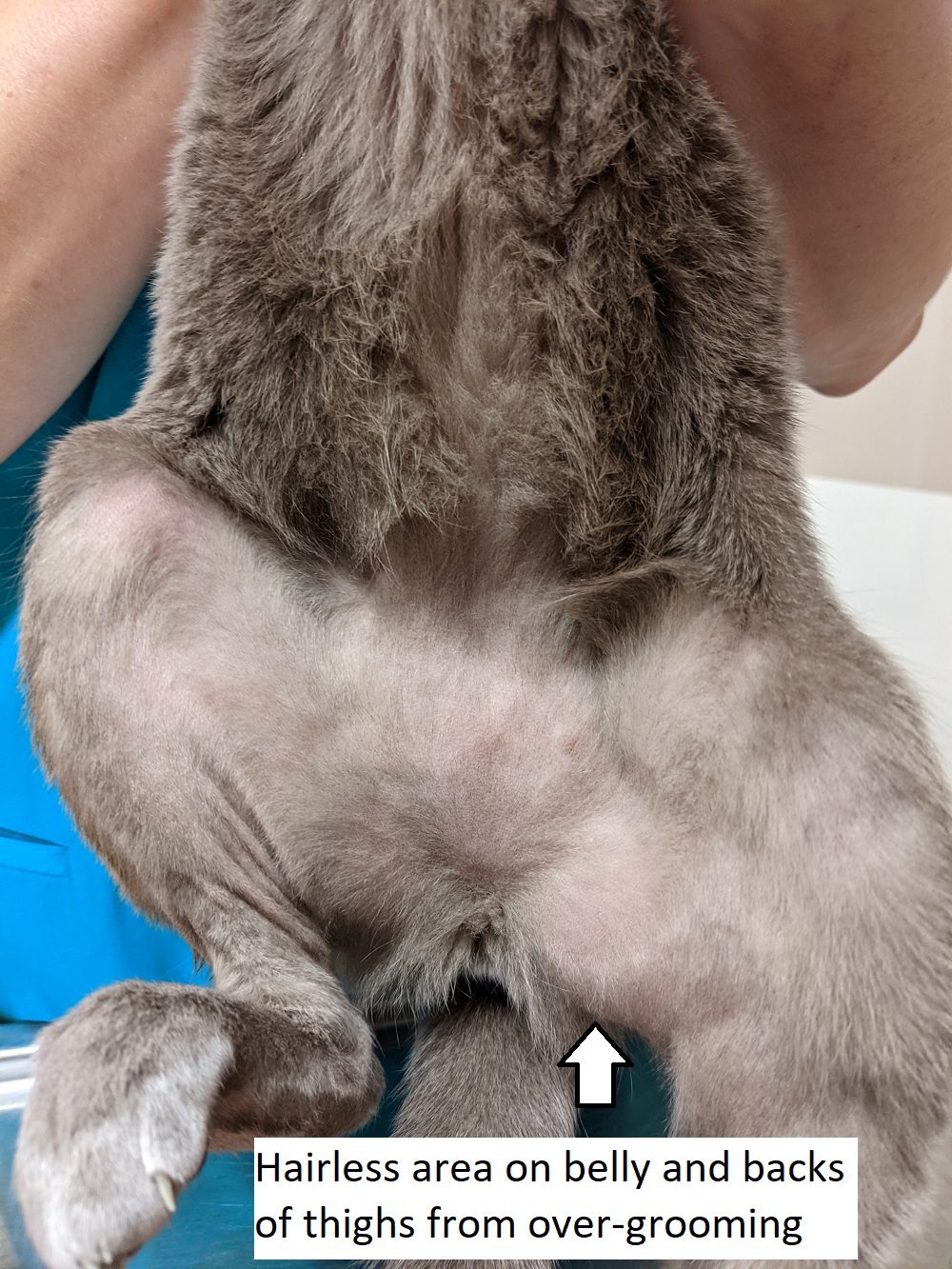
Look for bald patches or thin fur on your cat’s body. The skin may look red, raw, or irritated. Scabs and sores can develop from constant licking. Your cat might scratch the same area often. These signs suggest the grooming is harming the skin.
Distinguishing Ocd From Normal Grooming
Normal grooming is quick and covers the whole body. It keeps the fur clean and neat. OCD grooming focuses on one or two spots only. It is intense and lasts too long. Notice if your cat stops other activities to groom. That behavior often shows a problem.
Environmental Changes
Environmental changes can help reduce your cat’s OCD grooming. Cats often groom too much because they feel stressed or bored. Changing their surroundings can make them calmer. A peaceful space, fun activities, and less stress can stop over-grooming.
Creating A Calm Space
Give your cat a quiet and safe area. Use soft bedding and keep it away from loud noises. Cats like small, cozy spots where they can relax. Make sure this space is easy to reach and free from disturbances. A calm place helps lower anxiety and grooming urges.
Introducing Enrichment Activities
Offer toys and puzzles to keep your cat busy. Playtime stops boredom and redirects their energy. Use feather wands, balls, or treat puzzles. Change toys often to keep interest high. Mental and physical activities reduce the need to groom excessively.
Reducing Stress Factors
Identify things that upset your cat. Loud noises, new pets, or changes in routine can cause stress. Try to keep a steady schedule for feeding and play. Use calming sprays or diffusers made for cats. Less stress means less need for obsessive grooming.
Credit: www.mspca.org
Diet And Nutrition Adjustments
Diet and nutrition play a key role in managing your cat’s OCD grooming. A balanced diet helps improve skin health and reduce stress. Proper food choices can soothe your cat’s anxiety and prevent flare-ups of obsessive grooming. Small changes in diet can lead to big improvements.
Foods That Support Skin Health
Omega-3 and omega-6 fatty acids are essential for healthy skin. Fish like salmon and sardines contain these good fats. These fats reduce inflammation and help heal dry, itchy skin. Including high-quality protein supports coat strength and shine. Fresh vegetables add vitamins that protect skin cells.
Supplements To Reduce Anxiety
Supplements like L-theanine and valerian root calm nervous cats. These natural ingredients lower stress and help your cat relax. Probiotics improve gut health, which affects mood and behavior. Consult your vet before adding supplements to your cat’s diet.
Avoiding Allergens
Food allergies can trigger excessive grooming and skin irritation. Common allergens include dairy, wheat, and certain proteins. Switching to hypoallergenic or limited ingredient diets can reduce reactions. Monitor your cat’s behavior and skin after diet changes. Avoid artificial additives and fillers that may worsen symptoms.
Behavioral Interventions
Behavioral interventions help manage your cat’s OCD grooming by changing their habits. These methods focus on guiding your cat’s attention and rewarding good behavior. They reduce stress and stop repetitive grooming. The goal is to create a healthy routine for your cat.
Redirecting Attention
Redirecting attention means moving your cat’s focus away from grooming. Offer toys or a soft object to lick or bite. Use gentle noises to distract your cat. This breaks the cycle of constant grooming. It helps your cat relax and find other activities.
Positive Reinforcement Techniques
Positive reinforcement rewards your cat for calm behavior. Give treats or praise when your cat stops grooming. Use a soft voice to encourage them. This teaches your cat that good behavior brings rewards. It helps reduce stress and builds trust.
Interactive Play Sessions
Interactive play keeps your cat busy and happy. Use wand toys or balls to stimulate their mind. Play daily for short periods to prevent boredom. This lowers anxiety that triggers OCD grooming. It also strengthens your bond with your cat.
Medical Treatments And Therapies
Medical treatments and therapies play a key role in managing your cat’s OCD grooming. These treatments help reduce anxiety and stop over-grooming. It is important to follow a clear plan made with your veterinarian. This ensures your cat gets the best care and feels better soon.
Consulting A Veterinarian
Start by visiting a veterinarian for a full check-up. The vet will rule out skin problems or allergies. These can cause similar symptoms to OCD. The vet also assesses your cat’s behavior and overall health. This helps create a tailored treatment plan. Regular follow-ups track your cat’s progress and adjust care as needed.
Medications For Anxiety
Medications can calm your cat’s anxiety. These reduce the urge to groom excessively. Common drugs include antidepressants and anti-anxiety medicines. Always give these exactly as prescribed by the vet. Watch for side effects and report any concerns immediately. Medication often works best combined with other therapies.
Therapeutic Options
Therapies support medical treatment and improve your cat’s mood. Behavior modification helps your cat learn new habits. Environmental enrichment provides toys and activities to reduce stress. Some cats benefit from pheromone diffusers that create a calming space. Consistency and patience are crucial for therapy success.
Monitoring And Adjusting Care
Monitoring and adjusting care is key to helping your cat with OCD grooming. Watching how your cat responds to treatment helps you know what works. It also shows if changes are needed. Patience and careful observation make a big difference. Small steps can lead to big improvements over time.
Tracking Progress
Keep a daily record of your cat’s grooming habits. Note any changes in behavior or skin condition. Take photos to compare over weeks. Look for less licking or biting. Track any new signs of stress or anxiety. This helps you see if your care plan is working. Adjustments become easier with clear records.
When To Seek Professional Help
Contact your vet if your cat’s skin stays sore or worsens. Sudden behavior changes need expert attention. A vet can check for other health issues. They might suggest medication or therapy. Don’t wait if your cat seems in pain. Early help can prevent bigger problems.
Long-term Management Strategies
Keep a calm and stable home environment. Provide regular play and mental stimulation. Use puzzle feeders or new toys to reduce boredom. Maintain a consistent routine for feeding and rest. Avoid sudden changes that stress your cat. Regular vet check-ups help catch issues early. Long-term care supports your cat’s well-being and reduces OCD symptoms.
Credit: pittwateranimalhospital.com.au
Frequently Asked Questions
What Causes Ocd Grooming In Cats?
OCD grooming in cats is often caused by stress, anxiety, or boredom. It can also result from allergies or skin irritations. Identifying the root cause is crucial for effective treatment and prevention.
How Can I Stop My Cat’s Excessive Grooming?
To stop excessive grooming, provide environmental enrichment and reduce stress. Consult a vet for possible medical issues. Use calming products or behavior modification techniques if needed.
Are There Medical Treatments For Cat Ocd Grooming?
Yes, vets may prescribe medications like anti-anxiety drugs or topical treatments. These help manage symptoms and underlying causes. Always follow your vet’s advice for safe treatment.
Can Diet Affect My Cat’s Grooming Behavior?
Yes, poor diet or allergies can trigger over-grooming. Feeding a balanced, hypoallergenic diet can reduce skin irritation and improve coat health, lowering OCD grooming tendencies.
Conclusion
Treating your cat’s OCD grooming needs patience and care. Small changes can help reduce stress and improve behavior. Keep your cat’s environment calm and offer plenty of playtime. Consult a vet to find the best treatment plan. Watch your cat’s progress and adjust as needed.
With love and attention, your cat can feel better soon. Stay consistent and gentle throughout the process. Your cat deserves comfort and happiness every day.