
If your cat has been diagnosed with hyperthyroidism, you might feel overwhelmed and unsure about how to help. This condition can make your furry friend restless, lose weight, and even affect their coat.
But don’t worry—you have the power to improve your cat’s comfort and health. You’ll discover simple, effective ways to support your cat with hyperthyroidism and keep their grooming on point. By the end, you’ll feel confident in giving your cat the care they need to feel their best every day.
Keep reading to learn how you can make a real difference in your cat’s life.
.jpg)
Credit: www.scottsdaleveterinaryclinic.com
Recognizing Hyperthyroidism In Cats
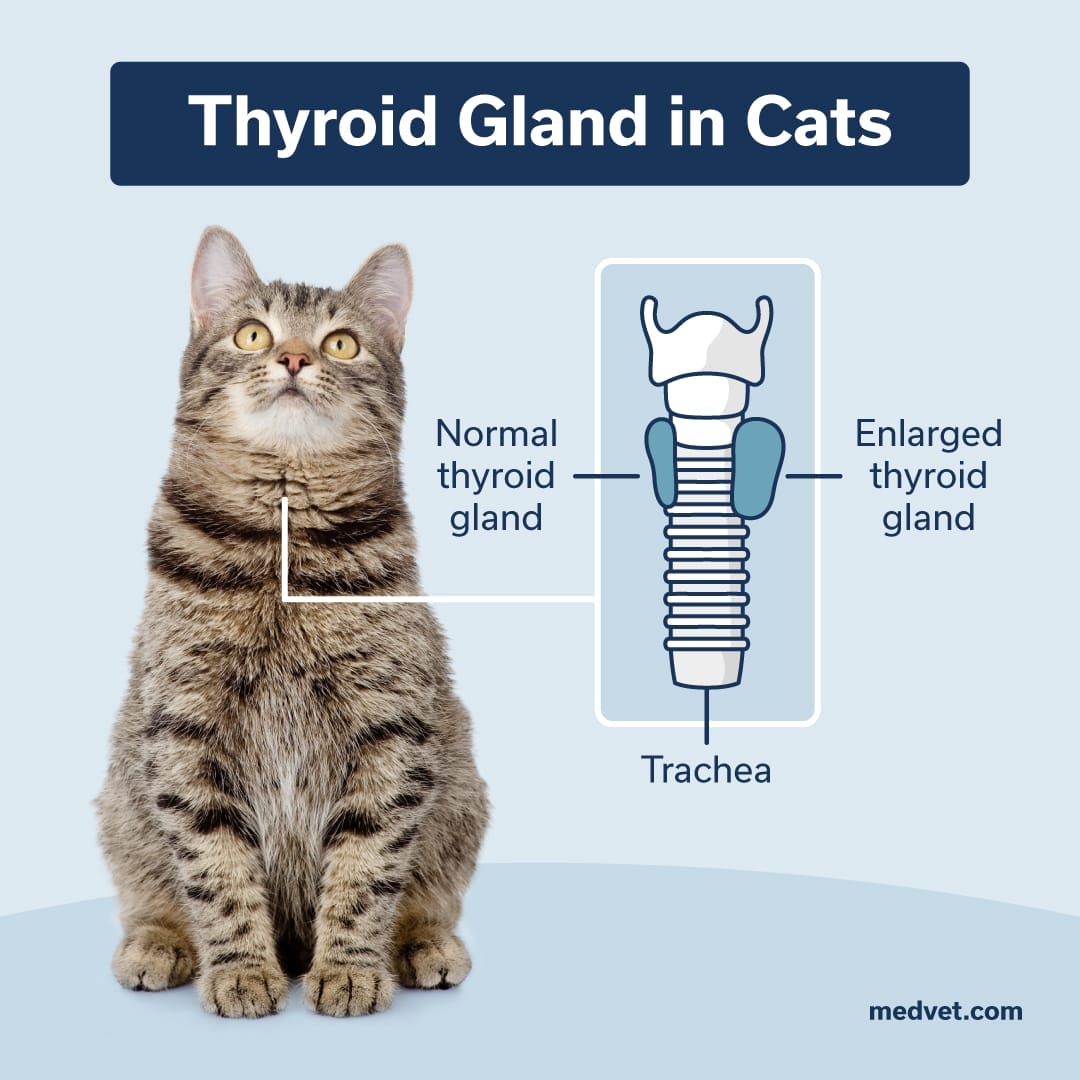
Recognizing hyperthyroidism in cats is important for their health and comfort. This condition affects the thyroid gland and causes it to produce too much hormone. It usually appears in older cats and can change their behavior and body in many ways. Early detection helps manage the illness better and keeps your cat feeling well.
Common Symptoms To Watch For
Weight loss is a frequent sign, even if your cat eats more. You might see increased appetite and thirst. Restlessness or hyperactivity is common. Your cat may seem nervous or irritable. Vomiting or diarrhea can happen. Their coat might look dull or unkempt. Rapid breathing or a fast heartbeat are possible signs too.
When To Visit The Vet
Take your cat to the vet if you notice these symptoms. Sudden weight loss or changes in behavior need a checkup. Regular vet visits help catch problems early. The vet will do blood tests to confirm hyperthyroidism. Early treatment improves your cat’s quality of life. Don’t wait for symptoms to worsen before seeking help.
Credit: www.walkervillevet.com.au
Managing Hyperthyroidism Treatments
Managing hyperthyroidism in cats requires careful treatment choices. Treatments help control symptoms and improve your cat’s quality of life. Understanding each option helps you make the best decision for your pet. Below are common treatment methods used by veterinarians.
Medication Options
Medication is the most common way to manage hyperthyroidism. Drugs like methimazole block thyroid hormone production. They help lower hormone levels and ease symptoms. Pills or topical gels are easy to give at home. Regular vet visits are needed to monitor the cat’s response. Side effects can occur but are usually mild.
Dietary Adjustments
Special diets can help control hyperthyroidism. These foods contain low iodine, which the thyroid needs to make hormones. Feeding only this diet can reduce hormone production naturally. It requires feeding no other foods or treats. This method works best for cats that eat only the prescribed food. It also supports overall health during treatment.
Surgical And Radioactive Treatments
Surgery removes the overactive thyroid gland. It offers a possible cure but involves anesthesia risks. Radioactive iodine therapy uses radiation to destroy thyroid tissue. This treatment targets only the thyroid and spares other organs. Both options need careful evaluation by your vet. They may be suitable for cats not responding to other treatments.
Daily Care For Cats With Hyperthyroidism
Daily care plays a big role in managing hyperthyroidism in cats. This condition affects their metabolism and energy levels. Proper care helps keep your cat comfortable and healthy. Small routines every day can make a big difference.
Focus on simple tasks like watching weight, checking food and water intake, and reducing stress. These steps support your cat’s well-being and help them feel safe.
Monitoring Weight And Appetite
Track your cat’s weight often. Sudden weight loss can signal a problem. Note changes in appetite too. Cats with hyperthyroidism may eat more or less than usual. Keep a daily log of food eaten and weight. Share this with your vet to adjust treatment as needed.
Keeping Hydration In Check
Ensure your cat drinks enough water every day. Hyperthyroidism can cause dehydration. Place fresh water bowls in quiet, easy-to-reach spots. Some cats like running water, so consider a pet fountain. Watch for signs of dehydration like dry gums or lethargy. Promptly offer water or wet food to boost fluids.
Creating A Stress-free Environment
Stress can worsen hyperthyroidism symptoms. Create calm spaces for your cat to relax. Use soft bedding in low-traffic areas. Keep noise and sudden changes to a minimum. Gentle petting and quiet time help your cat feel safe. A calm home supports better health and recovery.
Grooming Challenges In Hyperthyroid Cats
Grooming cats with hyperthyroidism can be tough. This condition speeds up their metabolism. It makes them restless and weak. Their fur may become thin and oily. They might stop cleaning themselves well. This causes extra grooming challenges for owners.
Owners must watch their cat’s coat and skin closely. Regular grooming helps keep cats comfortable. It also prevents skin problems. Understanding these grooming issues is key to helping your cat.
Common Grooming Issues
Hyperthyroid cats often have greasy or dull fur. Their coat may look patchy or thin. They may shed more than usual. Some cats develop mats because they stop grooming. Their skin can become dry or flaky. These problems make brushing harder. Cats may resist grooming due to discomfort or weakness.
Signs Of Skin Or Coat Problems
Look for redness or swelling on the skin. Notice any bald spots or scabs. Check for flaky or scaly patches. Watch for unusual odors from the coat. Scratching or licking too much signals irritation. These signs need prompt attention to avoid infections.
Grooming Tips For Affected Cats
Grooming cats with hyperthyroidism needs a gentle and careful approach. Their skin often feels delicate. Their energy levels might vary from day to day. Regular grooming helps keep their coat healthy and reduces stress. It also prevents fur problems that can cause discomfort.
Brushing Techniques For Sensitive Skin
Use a soft-bristle brush or grooming glove. Brush gently in the direction of hair growth. Avoid pressing too hard to protect sensitive skin. Short sessions work best to keep your cat calm. Brush daily to remove loose fur and dirt. This reduces shedding and skin irritation.
Bathing Advice And Frequency
Bathe your cat only when necessary. Use a mild, cat-safe shampoo made for sensitive skin. Keep water lukewarm to avoid discomfort. Rinse thoroughly to remove all soap. Dry your cat gently with a soft towel. Limit baths to once a month or less to avoid drying the skin.
Handling Matted Fur And Shedding
Check your cat’s fur regularly for mats. Use a wide-tooth comb to gently detangle small mats. Cut severe mats carefully with blunt-nosed scissors. Avoid pulling hard, which can hurt your cat. Help reduce shedding by maintaining regular brushing. Healthy skin and coat reduce the chance of mats forming.
Tools And Products For Effective Grooming
Grooming cats with hyperthyroidism needs gentle care and the right tools. Their skin can become fragile, and their coat may thin or matt easily. Choosing proper grooming products helps keep their fur soft and skin healthy.
Using the correct brushes, combs, shampoos, and conditioners makes grooming safe and comfortable. These tools remove loose fur and prevent painful mats without hurting your cat.
Recommended Brushes And Combs
Soft-bristle brushes work well for cats with sensitive skin. They gently remove loose hair without scratching or irritating. Slicker brushes help untangle light mats but must be used carefully. Wide-toothed combs are excellent for detangling thick or matted fur slowly and without pain. Avoid harsh or metal combs that can hurt delicate skin.
Safe Shampoos And Conditioners
Choose shampoos made for cats with sensitive skin. These products have mild ingredients that do not dry or irritate. Avoid human shampoos or those with strong chemicals. Conditioners can help keep the coat soft and reduce tangling. Look for hypoallergenic formulas designed for cats. Always rinse thoroughly to remove all product residues. Keep bathing sessions short to prevent stress.
Supporting Your Cat’s Wellbeing
Supporting your cat’s wellbeing is key to managing hyperthyroidism and grooming needs. Cats with this condition need special care to stay comfortable and healthy. Small daily actions can make a big difference in their quality of life.
Focus on gentle care, good nutrition, and close attention to health changes. These steps help your cat feel safe and loved.
Regular Vet Check-ups
Visit the vet often to track your cat’s health. The vet can adjust treatment as needed. Early detection of problems helps prevent serious issues. Blood tests and physical exams are important. Keep a record of all vet visits and treatments.
Keeping A Routine
Cats thrive on routine, especially when sick. Feed and groom your cat at the same times daily. A steady routine reduces stress and anxiety. It also helps your cat feel secure and calm. Consistent care supports better treatment results.
Noticing Behavioral Changes
Watch your cat closely for any behavior shifts. Hyperthyroidism can cause restlessness or appetite changes. Sudden hiding or aggression may signal discomfort. Reporting changes to your vet helps adjust care quickly. Early action can improve your cat’s comfort.
Credit: www.medvet.com
Frequently Asked Questions
What Are Common Symptoms Of Hyperthyroidism In Cats?
Common symptoms include weight loss, increased appetite, restlessness, and excessive grooming. Cats may also vomit or have diarrhea. Early detection helps manage the condition effectively and improves their quality of life.
How Can I Safely Groom A Cat With Hyperthyroidism?
Use gentle brushing to avoid stressing your cat. Groom in a quiet, calm environment. Regular grooming helps remove loose fur and reduces matting caused by excessive licking.
Can Diet Help Cats With Hyperthyroidism?
Yes, specific diets low in iodine can help manage hyperthyroidism. Consult your vet for appropriate food choices. Proper nutrition supports thyroid health and overall well-being.
How Often Should I Take My Cat To The Vet?
Cats with hyperthyroidism need regular vet check-ups every 3-6 months. Frequent monitoring ensures medication effectiveness and helps adjust treatment if needed.
Conclusion
Helping cats with hyperthyroidism needs patience and care. Regular grooming keeps their coat healthy and clean. Watch for changes in behavior or appetite daily. Consult your vet for proper treatment plans. Gentle brushing can reduce shedding and stress. Balanced nutrition supports overall health and energy.
Small steps make a big difference in your cat’s life. Stay calm, kind, and consistent in care routines. Your cat will thank you with comfort and love.