
Have you noticed your cat spending more time licking or biting its fur than usual? Excessive grooming can be a sign that something isn’t quite right with your furry friend.
It’s not always easy to tell when your cat’s grooming habits cross the line from normal to concerning. But understanding the signs can help you act quickly to keep your cat healthy and happy. You’ll learn how to spot if your cat is grooming too much and what it might mean.
Keep reading to protect your pet and give them the care they deserve.
Signs Of Excessive Grooming
Excessive grooming in cats can signal discomfort or health issues. Recognizing signs early helps prevent serious problems. Watch your cat closely for unusual grooming habits. These signs often show that your pet needs attention.
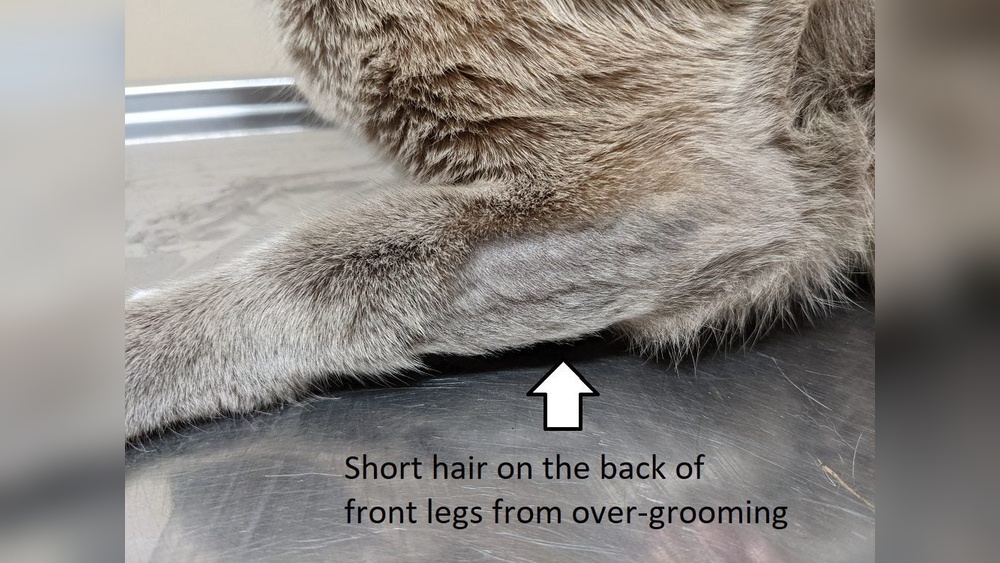
Bald Patches And Hair Loss
Bald patches appear where fur has been over-groomed. Hair loss is a clear sign of excessive licking or biting. Check your cat’s body for any bare spots. These areas are often sensitive or irritated.
Red Or Irritated Skin
Redness indicates skin inflammation from constant grooming. Irritated skin can feel warm or sore to touch. Look for redness under the fur or around wounds. This shows your cat may be hurting or stressed.
Frequent Licking And Biting
Your cat may lick or bite the same spot often. This behavior goes beyond normal cleaning. Notice if your pet repeats this action many times. It can cause damage and worsen skin problems.
Changes In Grooming Frequency
A sudden rise in grooming time is a warning sign. Cats usually groom regularly but not obsessively. More grooming than usual points to discomfort or anxiety. Track your cat’s grooming habits daily for changes.
Common Causes Of Over-grooming
Excessive grooming in cats often signals an underlying problem. Recognizing the common causes helps you address the issue early. Cats groom themselves to stay clean, but too much grooming can harm their skin and fur. Understanding why your cat over-grooms is key to helping them feel better.
Stress And Anxiety
Cats groom to calm themselves when stressed or anxious. Changes in their environment can trigger this behavior. New pets, loud noises, or moving homes often cause stress. Over-grooming becomes a coping mechanism for their anxiety. Watch for repeated licking or biting at the same spots.
Allergies And Skin Conditions
Allergies can irritate a cat’s skin and cause itching. Common allergens include certain foods, pollen, or dust mites. Skin conditions like dermatitis also cause discomfort. Cats may lick or scratch these irritated areas excessively. Identifying allergies early can prevent worsening symptoms.
Parasites And Infections
Fleas, ticks, and mites cause intense itching for cats. These parasites often lead to over-grooming in affected spots. Skin infections can follow, worsening the problem. Careful inspection and treatment are necessary to stop the cycle. Regular vet checks help catch these issues quickly.
Pain Or Discomfort
Hidden pain can make cats groom certain areas too much. Arthritis, injuries, or internal problems can cause discomfort. Grooming may focus on the painful spot as a response. Observe if your cat avoids movement or shows other pain signs. Veterinary advice is crucial for proper care.
Behavioral Indicators
Behavioral indicators help identify if a cat is grooming too much. Cats normally groom to stay clean and calm. But too much grooming can signal stress or health problems.
Watching your cat’s behavior closely can reveal signs of excessive grooming. These behaviors often show up before physical symptoms. Understanding these signs can help you act early.
Restlessness And Agitation
Restlessness means your cat moves a lot without reason. They may pace or change spots often. Agitation shows as quick, sharp movements or twitching tails. These signs suggest discomfort or anxiety. A restless cat may groom more to soothe itself.
Avoidance Of Interaction
Cats that groom too much might avoid people and other pets. They may hide or move away when approached. This behavior hints at stress or pain. Avoidance can also mean the cat feels unsafe or unsettled in its environment.
Repetitive Grooming Patterns
Repetitive grooming means the cat licks the same spot many times. This can cause bald patches or sore skin. The cat might focus on one area longer than usual. This pattern often signals discomfort or anxiety. Watching for this helps catch problems early.
:strip_icc()/how-to-stop-cat-over-grooming-554052-02-292560d5fa1542458556eff312f669d7.jpg)
Credit: www.thesprucepets.com
Health Risks From Excessive Grooming
Excessive grooming in cats can lead to serious health problems. Cats groom to stay clean and calm. But too much grooming can harm their body and mind. Watch for signs to protect your cat’s health.
Skin Damage And Infections
Too much grooming can cause skin damage. Cats may scratch or lick until their skin breaks. Open wounds invite infections. Bacteria can enter and cause redness or swelling. This can make your cat very uncomfortable.
Hairballs And Digestive Issues
Excessive grooming means more hair swallowed. Hair builds up in the stomach and forms hairballs. Hairballs can cause vomiting and stomach pain. In some cases, they block the intestines. This is a dangerous condition that needs vet care.
Impact On Mental Well-being
Excessive grooming may show stress or anxiety. Cats use grooming to calm down. Too much grooming means they feel uneasy or scared. This can affect their mood and behavior. Understanding this helps you support your cat’s mental health.
When To See A Veterinarian
Knowing when to visit a veterinarian is key for your cat’s health. Excessive grooming can harm your pet if not treated. Early action helps prevent bigger problems. Watch your cat closely and act fast.
Persistent Symptoms
Look for grooming that lasts more than a week. Constant licking or biting at the same spot is a warning. This can cause skin damage and infections. A vet can find the root cause and give treatment.
Rapid Onset Of Hair Loss
Sudden hair loss is a clear sign of trouble. If your cat loses fur quickly, do not wait. This may show allergies, parasites, or stress. A vet visit will help identify the problem early.
Signs Of Pain Or Distress
Notice if your cat acts restless or hides often. Crying or growling while grooming means pain. Also watch for swelling or redness on the skin. These signs need prompt veterinary care to ease discomfort.

Credit: www.reddit.com
Treatment Options
Excessive grooming in cats needs careful attention and proper treatment. Knowing the right steps can help your cat feel better and stay healthy. Several options target the cause and reduce the behavior.
Medical Interventions
Start with a vet check to find any skin problems or allergies. Medicines can treat infections or parasites causing discomfort. Some cats may need special shampoos or creams. In serious cases, vets may prescribe anti-anxiety drugs or steroids. Follow the vet’s advice and complete the treatment fully.
Environmental Enrichment
Changing your cat’s environment helps reduce stress and boredom. Add toys, scratching posts, and climbing shelves. Spend time playing with your cat daily. Create quiet, safe spaces for your cat to rest. Keep the litter box clean and in a calm area. A rich environment keeps your cat busy and calm.
Behavioral Therapy
Training can reduce excessive grooming caused by stress. Use positive reinforcement to reward calm behavior. Avoid punishment as it increases anxiety. Work with a professional animal behaviorist if needed. They can provide tailored plans to manage grooming habits. Patience and consistency are key in behavior change.
Preventing Over-grooming
Preventing over-grooming in cats is important for their health and happiness. Excessive grooming can cause skin problems and discomfort. Taking steps early helps keep your cat calm and healthy.
Regular Vet Check-ups
Schedule vet visits regularly to catch any health issues early. Your vet can check for allergies, parasites, or skin infections. These problems can cause your cat to groom too much. Early treatment stops grooming from getting worse.
Stress Reduction Techniques
Stress often leads cats to groom excessively. Create a calm and safe space for your cat. Play with toys and offer quiet resting areas. Use calming sprays or diffusers designed for cats. These methods help reduce anxiety and stop over-grooming.
Proper Nutrition And Care
Feed your cat a balanced diet with all needed nutrients. Poor nutrition can lead to skin problems and itching. Keep your cat clean by brushing regularly. Healthy skin lowers the need to groom too much.
Credit: doctorgroomer.com
Frequently Asked Questions
What Are Signs Of Excessive Grooming In Cats?
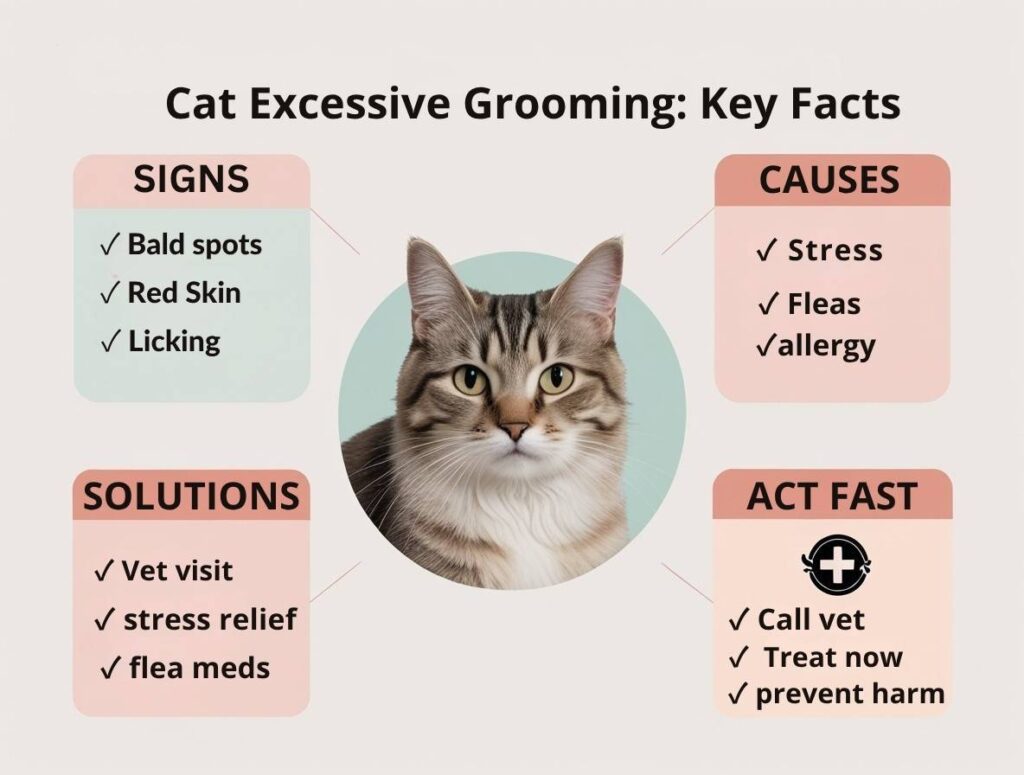
Excessive grooming signs include bald patches, red or irritated skin, and constant licking. Cats may also scratch frequently and show discomfort. These symptoms suggest your cat might be over-grooming due to stress, allergies, or medical issues.
Why Does My Cat Groom Excessively?
Cats groom excessively due to stress, anxiety, allergies, or skin infections. It can also result from parasites or pain. Identifying the cause helps in providing proper treatment and reducing excessive grooming behavior.
How Can I Stop My Cat From Over-grooming?
To stop over-grooming, identify and treat underlying issues like allergies or stress. Provide a calm environment and consult a vet for medications or behavior therapy. Regular play and attention can also reduce anxiety-triggered grooming.
When Should I See A Vet For My Cat’s Grooming?
Visit a vet if your cat has bald spots, sores, or skin infections. Persistent licking causing wounds or behavioral changes also require professional evaluation. Early intervention prevents complications and ensures your cat’s well-being.
Conclusion
Excessive grooming can signal health or stress issues in cats. Watch for bald spots, redness, or constant licking. These signs mean your cat needs attention. A vet can find the cause and suggest treatment. Early care helps your cat feel better faster.
Stay patient and observe your pet closely. Healthy cats groom, but too much grooming is a concern. Taking quick action protects your furry friend’s well-being. Keep your cat happy and comfortable every day.