
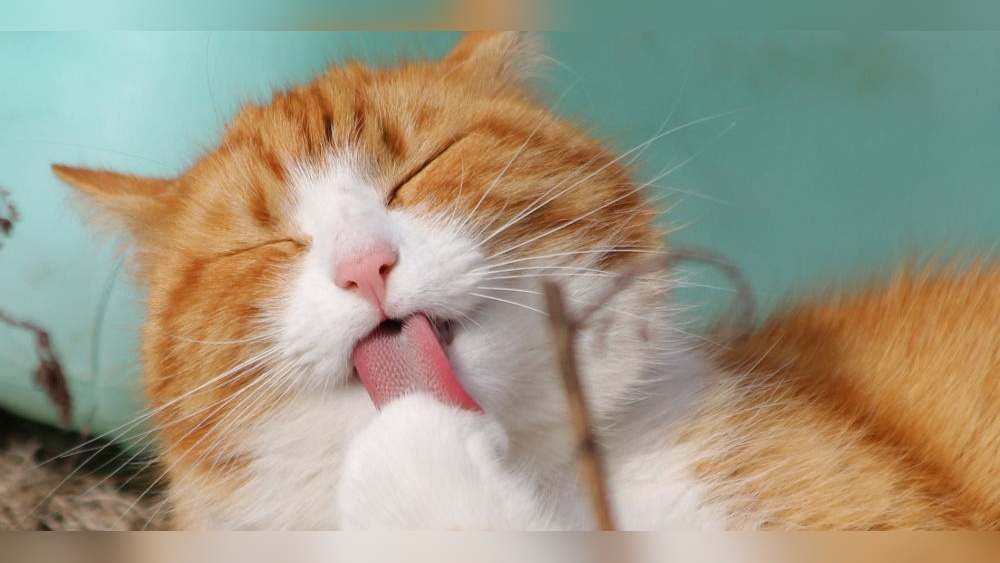
Is your cat not grooming itself like it used to? You might be worried about its cleanliness and health.
When a cat stops cleaning its fur, it can lead to mats, dirt buildup, and even skin problems. But don’t worry—you can help your furry friend stay clean and comfortable. You’ll discover simple and effective ways to clean your cat when it’s not grooming itself.
Keep reading to learn how to care for your cat’s coat and keep it happy and healthy.
:strip_icc()/grooming-cat-120689839-57d967d33df78c583396e386.jpg)
Credit: www.thesprucepets.com
Signs Your Cat Needs Cleaning
Not all cats groom themselves well all the time. Sometimes, they stop cleaning their fur. This can make them dirty and uncomfortable. Knowing the signs your cat needs cleaning helps you care for them better. Watch closely for changes in their coat and behavior. Acting early keeps your cat healthy and happy.
Identifying Poor Grooming Habits
Look for matted fur or clumps of hair. Notice if your cat’s coat looks dull or greasy. Check for dirt or debris stuck in their fur. Foul smells from their coat can also show poor grooming. Cats who stop licking themselves or grooming often need help.
Common Health Issues Affecting Grooming
Illnesses can make grooming hard for cats. Pain from arthritis can stop them from cleaning. Skin infections or fleas cause discomfort and neglect. Dental problems might reduce their grooming habits. Watch for weight loss or limping too.
Behavioral Reasons For Grooming Neglect
Stress can cause cats to stop grooming. Changes in the home or routine affect them. Older cats may slow down and groom less. Depression or anxiety also reduce grooming activity. Pay attention if your cat hides or acts different.

Credit: www.reddit.com
Preparing For Cat Cleaning
Preparing to clean a cat that does not groom itself takes some planning. Cats can feel stressed during cleaning. Taking time to prepare makes the process smoother for both of you. A calm and safe setup helps your cat stay relaxed. You will also need the right supplies ready. Careful handling protects your cat and you from harm.
Gathering Necessary Supplies
Start by collecting all items needed for cleaning. Have a soft towel or cloth to wipe your cat. Use cat-friendly shampoo if a bath is needed. Prepare a small brush for gentle fur care. Keep a bowl of warm water nearby. Have treats ready to reward your cat. Keep everything within easy reach.
Creating A Calm Environment
Choose a quiet room with no distractions. Close doors and windows to block outside noise. Use soft lighting to avoid startling your cat. Speak in a gentle voice to soothe your pet. Sit close to your cat to offer comfort. Keep the room warm to prevent chills.
Safety Tips For Handling Your Cat
Handle your cat with care and patience. Support your cat’s body to avoid stress. Avoid sudden moves that may scare your pet. Use a towel to wrap your cat if needed. Protect your hands from scratches with gloves. Stop if your cat shows signs of distress.
Step-by-step Cleaning Process
Caring for a cat that does not groom itself requires patience and gentle handling. A clear cleaning process helps keep your cat healthy and comfortable. Follow simple steps to clean your cat safely and effectively.
Brushing To Remove Dirt And Mats
Start with gentle brushing to remove loose fur and dirt. Use a soft-bristled brush suitable for your cat’s fur type. Brush slowly to avoid hurting your cat. Focus on areas with visible mats or tangles. Mats can cause pain and skin problems if left untreated. If mats are tough, use a comb to carefully work them out.
Bathing Techniques For Cats
Prepare a warm bath with cat-friendly shampoo. Test the water temperature before placing your cat inside. Wet your cat gently, avoiding the head. Apply shampoo and massage softly into the fur. Rinse thoroughly to remove all soap. Use a towel to dry your cat as much as possible. Keep your cat warm after the bath to prevent chills.
Cleaning Sensitive Areas Safely
Pay special attention to sensitive areas like eyes, ears, and paws. Use a damp cloth or cotton ball for cleaning. Avoid using strong soaps or chemicals near these parts. Wipe gently to remove dirt and discharge. Check ears for wax buildup and clean softly. Keep your cat calm during this process by speaking softly and moving slowly.
Post-cleaning Care
After cleaning your cat, care does not end there. The right post-cleaning steps keep your cat comfortable and healthy. Gentle handling and attention help your cat feel safe and calm. Watch your cat closely to spot any problems early. Praise and rewards build trust for future care sessions.
Drying And Comforting Your Cat
Use a soft towel to dry your cat gently. Avoid rubbing hard, as it may hurt the skin. Pat the fur until mostly dry to prevent chills. Keep your cat in a warm, quiet room afterward. Speak softly and pet your cat to soothe nerves. Warmth and calm help your cat relax quickly.
Checking For Skin Issues
Look closely at your cat’s skin after cleaning. Check for redness, bumps, or sores. Dry skin or flakes may need special care. Notice if your cat scratches or licks certain spots often. These signs might mean irritation or infection. Early detection helps prevent bigger health problems.
Rewarding Your Cat For Cooperation
Give your cat a favorite treat after cleaning. Soft words and gentle pets also show praise. Positive rewards make future cleanings easier. Your cat learns that cooperation brings good things. Small rewards build a trusting bond over time.
Preventing Grooming Problems
Preventing grooming problems is key to keeping your cat healthy and happy. Cats that do not groom themselves can develop skin issues, mats, and discomfort. Taking steps early helps avoid these problems and keeps your cat clean.
Regular Grooming Routine Tips
Brush your cat’s fur daily or at least several times a week. Use a soft brush for short hair and a comb for long hair. Check for mats and tangles and gently remove them. Regular grooming removes loose hair and dirt. It also helps you spot skin problems early.
Diet And Health For Better Grooming
Feed your cat a balanced diet with all needed nutrients. Good nutrition supports healthy skin and a shiny coat. Make sure your cat drinks enough water to stay hydrated. Poor diet can cause dry skin and dull fur. Healthy cats are more likely to groom themselves well.
When To Consult A Veterinarian
Visit the vet if your cat stops grooming suddenly. Look for signs like hair loss, redness, or bad odor. These may show skin infections or pain. The vet can find the cause and suggest treatment. Early vet visits prevent serious health problems.

Credit: luckydawgsalongrooming.com
Frequently Asked Questions
Why Is My Cat Not Grooming Itself?
Cats may stop grooming due to illness, stress, or pain. Dental issues, arthritis, or skin infections can cause discomfort. Behavioral changes or anxiety might also reduce grooming habits. Consult a vet for proper diagnosis and treatment to help your cat regain regular grooming.
How Do I Clean A Cat That Won’t Groom?
Use a damp, soft cloth or pet wipes to gently clean your cat. Avoid harsh chemicals and focus on dirty or matted areas. Regular brushing can help remove loose fur and dirt. Consult your vet if your cat resists cleaning or shows signs of distress.
Can Grooming Neglect Cause Health Problems In Cats?
Yes, lack of grooming can lead to matting, skin infections, and parasites. It may cause discomfort, hair loss, or painful skin conditions. Regular grooming helps maintain skin health and prevents health issues. Always monitor your cat’s hygiene and seek vet advice if needed.
When Should I See A Vet For Grooming Issues?
See a vet if your cat stops grooming suddenly or shows signs of pain. Look for skin wounds, hair loss, or behavioral changes. Persistent grooming neglect often indicates underlying health problems needing professional care. Early intervention ensures better treatment outcomes.
Conclusion
Cats that do not groom themselves need your gentle help. Clean their fur with soft cloths and warm water. Check for any skin problems or dirt build-up. Brush them often to keep their coat healthy. Always be patient and calm during cleaning.
Regular care prevents discomfort and keeps your cat happy. Trust your vet if you notice any health issues. Caring for your cat shows love and keeps them well. Simple steps make a big difference in your cat’s life.