
Is your cat ignoring all the toys you bring home? You might wonder why your furry friend just won’t play like other cats do.
It can be frustrating and even a little confusing when your cat seems uninterested in toys that are supposed to be fun. But don’t worry—you’re not alone, and there are clear reasons behind this behavior. Understanding why your cat won’t play with toys can help you bring back the fun and keep your pet happy and healthy.
Keep reading, and you’ll discover simple tips that could change playtime for both you and your cat.
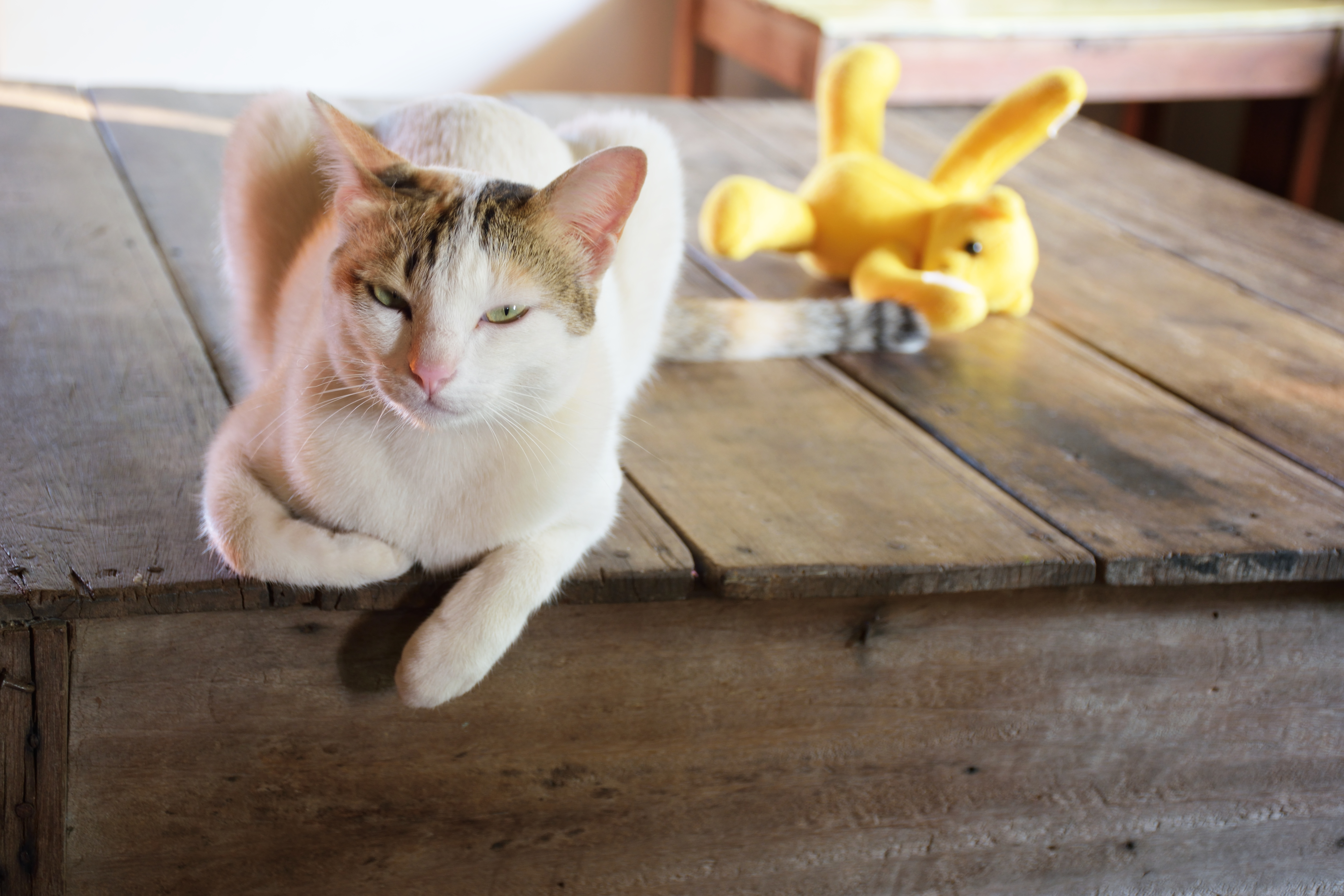
Credit: www.ovrs.com
Cat Behavior And Play
Cats show different behaviors when it comes to play. Understanding these behaviors helps explain why your cat might ignore toys. Play is not just fun for cats; it is part of how they express natural instincts. Each cat has unique ways to enjoy playtime.
Watching your cat closely can reveal clues about their play style. Some cats prefer chasing and pouncing, while others like quiet interaction. Recognizing these traits can help you choose better toys or play methods.
Natural Hunting Instincts
Cats have strong hunting instincts. They like to stalk, chase, and catch. Toys that mimic small animals or moving objects attract cats more. Still, some cats may not react if toys do not trigger their hunting drive. A still or non-moving toy might not interest them.
Age And Play Preferences
Kittens are very playful and curious. They explore many toys and games. Adult cats may prefer short play sessions. Older cats often lose interest in active play. They may enjoy gentle petting or resting more. Age affects how much and what kind of play cats enjoy.
Personality Differences
Every cat has a unique personality. Some cats are shy or calm and avoid noisy toys. Others are bold and love active play. Quiet cats might prefer soft or simple toys. Bold cats enjoy interactive and challenging toys. Understanding your cat’s personality helps find the right play style.
Toy Factors
Toys can be tricky for cats. Not all toys catch their interest. Some cats ignore toys because of how they look or feel. Understanding toy factors helps find the right toy for your cat. Small changes can make a big difference in playtime.
Toy Type And Texture
Cats like different kinds of toys. Some enjoy soft, plush toys. Others prefer hard, bouncy balls. The texture matters a lot. Rough or smooth surfaces can attract or repel your cat. Experiment with types and textures to see what your cat likes best.
Scent And Familiarity
Cats trust familiar smells. New toys with strong smells might scare them. Toys with catnip often spark interest. Sometimes, rubbing a toy with your cat’s scent helps. Familiar smells make toys more inviting and fun to play with.
Size And Safety
Toy size matters for comfort and safety. Toys too big or too small can cause fear or frustration. Small toys may be a choking hazard. Choose toys that fit your cat’s mouth and paws. Safe toys encourage more confident play.
Health And Well-being
Health and well-being play a big role in why your cat might not play with toys. Cats that do not feel well or are not in good shape may lose interest in fun activities. Understanding the health side helps you care for your cat better and keep it active.
Physical Health Issues
Physical problems can stop cats from playing. Pain from arthritis or injuries makes moving hard. Cats with dental problems might avoid toys that need biting. Illnesses like infections or parasites can also lower their energy. Regular vet visits help catch these problems early.
Mental Health Concerns
Cats can feel stressed or bored. Stress comes from changes like new pets or loud noises. Bored cats might show less interest in toys. Depression in cats is real and can lower playfulness. Giving them quiet space and attention helps improve their mood.
Impact Of Diet And Energy Levels
A cat’s food affects its energy and play. Poor diet means less energy and low interest in toys. Overweight cats may feel too tired to play. Feeding a balanced diet keeps cats active and healthy. Fresh water and proper meals support their playfulness.
Environmental Influences
Environmental factors play a big role in why your cat might not play with toys. Cats are very sensitive to their surroundings. Changes in the home or how they interact with others can affect their interest in toys. Understanding these influences helps improve your cat’s play habits.
Home Environment And Space
Cats need a calm and safe space to feel curious and playful. A noisy or cluttered area can make cats stressed. Limited space may stop them from moving freely and chasing toys. Creating a quiet, open area encourages your cat to explore and play more.
Interaction With Humans
Cats often play more when their humans join in. Lack of human interaction can make toys less exciting. Gentle and patient playtime strengthens trust. It also helps cats feel confident to chase and pounce on toys. Your attention can make a big difference.
Other Pets’ Influence
Other pets in the house can impact your cat’s play habits. Some cats feel shy or scared around other animals. This fear can stop them from playing. On the other hand, friendly pets may encourage play by showing interest in toys. Watching your cat’s comfort with others is key.
Encouraging Play
Encouraging your cat to play can bring joy to both of you. Play helps cats stay healthy and happy. It also strengthens your bond. Some cats need gentle encouragement to enjoy toys. Patience and creativity can make a big difference.
Introducing New Toys Gradually
New toys can feel strange to cats. Start with one toy at a time. Let your cat sniff and explore it quietly. Avoid forcing play. Give your cat space to get used to the toy. Swap toys every few days to keep interest high. Gradual introduction helps build comfort and curiosity.
Using Interactive Play Techniques
Use toys that move or make noise to catch attention. Wand toys or laser pointers can excite a cat’s hunting instinct. Move toys slowly at first, then speed up. Pause often to mimic real prey behavior. Join your cat in play to make it fun. Interaction makes toys more appealing and engaging.
Creating A Stimulating Environment
Place toys in different spots around your home. Cats love new places to explore. Add scratching posts, tunnels, or climbing trees. Change toy locations to keep things fresh. A lively environment encourages play naturally. Cats feel safer and more curious in a rich space.

Credit: www.feliway.co.uk

Credit: www.youtube.com
Frequently Asked Questions
Why Won’t My Cat Play With New Toys?
Cats may ignore new toys due to unfamiliarity or lack of interest. Introduce toys gradually and use interactive play to engage them. Different cats prefer different toys, so try various types to find what excites your cat.
Can Health Issues Stop Cats From Playing?
Yes, health problems like arthritis or dental pain can reduce playfulness. If your cat suddenly stops playing, consult a vet to rule out medical issues. Early detection helps maintain their active lifestyle and happiness.
Does Age Affect A Cat’s Play Behavior?
Older cats often play less due to decreased energy or arthritis. Kittens and young cats are naturally more playful. Provide gentle toys and shorter play sessions for senior cats to keep them engaged safely.
How Can I Encourage My Cat To Play More?
Use interactive toys like feather wands or laser pointers. Play regularly in short sessions to keep your cat interested. Reward them with treats and praise to create positive play associations.
Conclusion
Cats may ignore toys for many reasons. Sometimes, they need a new type of toy. Other times, they want your attention more. Age and health also affect their play habits. Try different toys and be patient. Watch your cat’s mood and energy levels.
Play is important for their happiness and health. Keep trying, and your cat might start playing soon. Understanding your cat’s needs helps build a stronger bond. Don’t give up on making playtime fun and safe.