

Potty training your baby cat can feel like a big challenge, but it doesn’t have to be. Imagine having a clean home and a happy kitten who knows exactly where to go.
You want your furry friend to learn quickly and without stress, right? In this guide, you’ll discover simple, effective steps to help your kitten master the litter box. Keep reading, and you’ll soon enjoy a smoother, cleaner life with your adorable new companion.
Choosing The Right Litter Box
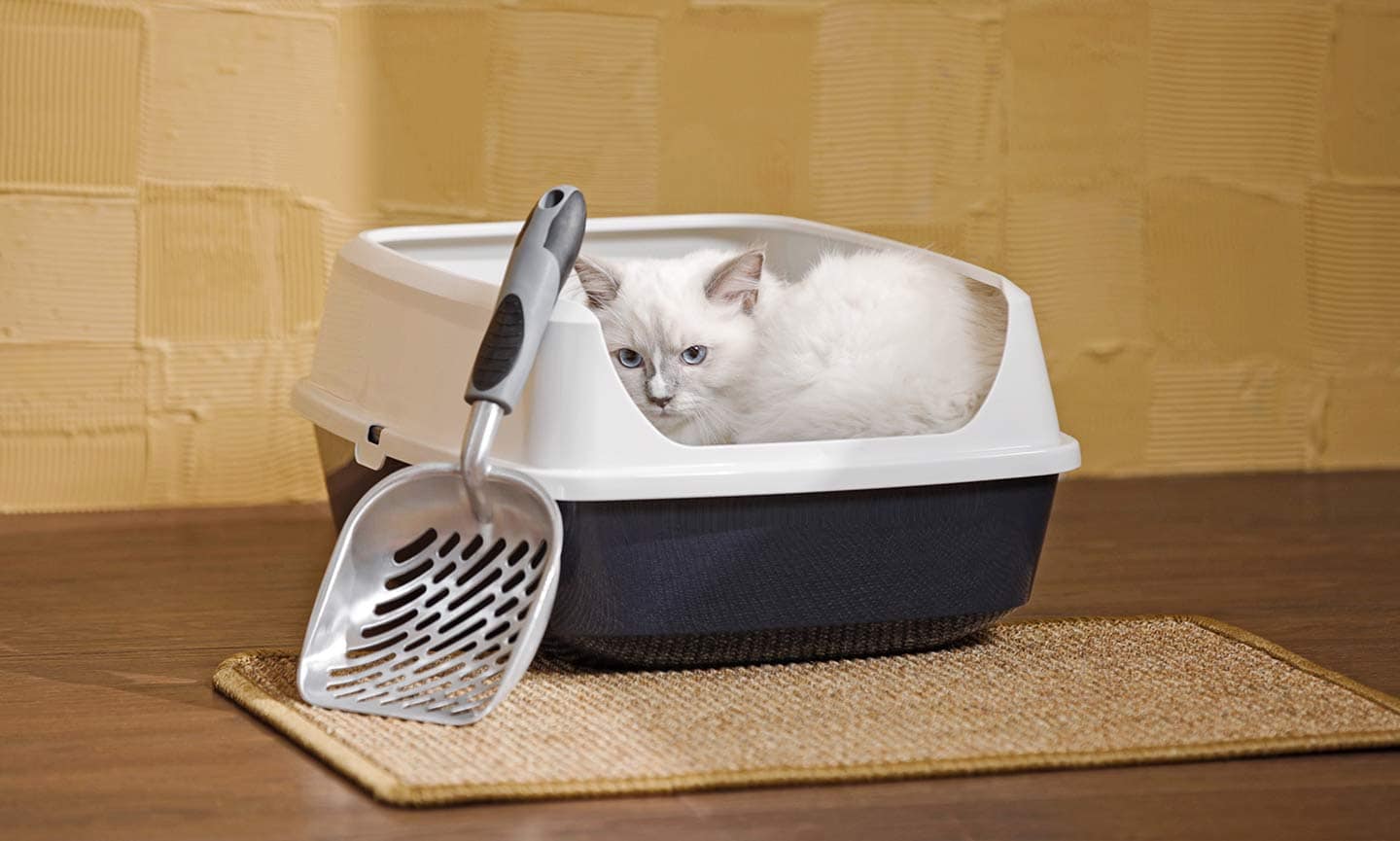
Choosing the right litter box is key for potty training your baby cat. It helps your kitten feel safe and comfortable. The right box makes learning easier and keeps your home clean. Pick a box that suits your kitten’s size and habits. Think about the box type and the best place to put it. These choices affect your kitten’s success.
Size And Accessibility
Choose a litter box that fits your kitten’s size. It should be easy to enter and exit. A box with low sides works well for baby cats. They can climb in without trouble. As your kitten grows, you can switch to a bigger box. Make sure the box is not too deep for small kittens. Accessibility helps your kitten use the box often and comfortably.
Types Of Litter Boxes
There are several types of litter boxes. Open boxes are simple and easy to clean. Covered boxes offer privacy but can trap smells. Self-cleaning boxes save time but may scare kittens. Shallow trays work well for kittens learning to dig. Choose a style that fits your kitten’s needs and your home. Trying different types helps find the best fit.
Placement Tips
Place the litter box in a quiet, low-traffic spot. Avoid noisy or busy areas that frighten your kitten. Keep it near where your kitten spends time. Avoid placing it near food or water bowls. Ensure the area is easy to access at all times. Consistent placement helps your kitten remember where to go.
Credit: www.chewy.com
Selecting The Best Litter
Selecting the best litter is an important step in potty training your baby cat. The right litter makes your kitten comfortable and encourages good habits. It also helps keep the area clean and fresh. Understanding different types of litter helps you choose what fits your kitten’s needs best.
Materials And Texture
Litter comes in many materials. Common types include clay, silica gel, and natural options like wood or corn. Soft textures feel gentle on small paws and invite your kitten to use the box. Rough or hard litter might scare or hurt them. Choose litter that feels safe and cozy to your baby cat.
Scented Vs Unscented
Scented litter masks odors but can be strong for kittens. Some scents may irritate their sensitive noses. Unscented litter is gentle and natural smelling. It helps your kitten recognize the litter box by scent without confusion. Pick unscented litter for a better chance of success in training.
Maintenance And Cleanliness
Clean litter keeps your kitten healthy and happy. Choose litter that is easy to scoop and replace. Regular cleaning prevents odors and messes. Avoid dusty litters that can cause breathing problems. A clean box encourages your baby cat to use it every time.
Introducing Your Kitten To The Litter Box
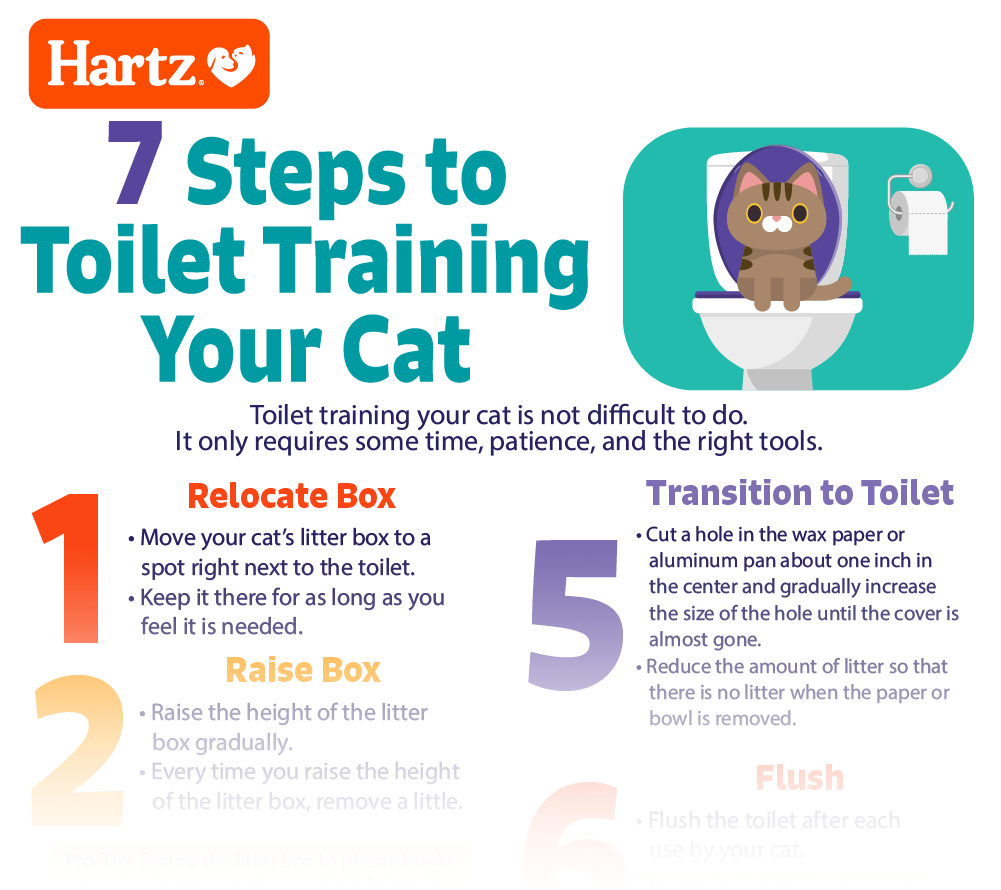
Introducing your kitten to the litter box is a key step in potty training. Start early to help your kitten learn good habits. A calm, patient approach works best for your new furry friend.
Set up a quiet, easy-to-reach place for the litter box. Your kitten will feel safe and will use it more often. Watch your kitten closely during the first days to guide them gently.
Timing The Introduction
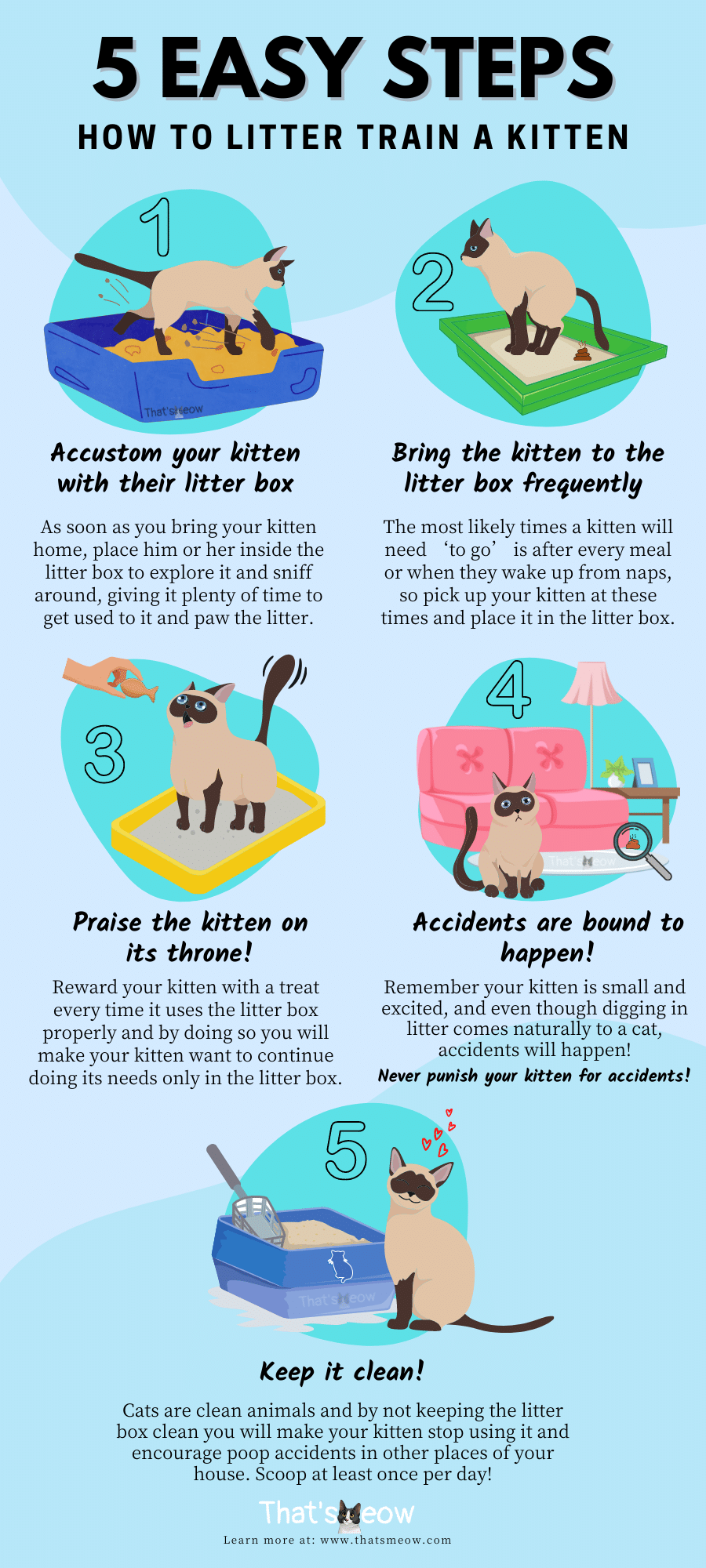
Start the litter box introduction as soon as your kitten arrives home. Young kittens learn quickly and adapt well. Try to show the box after meals and naps. This helps build a connection between the litter box and bathroom needs.
Guiding Your Kitten
Place your kitten gently in the litter box several times a day. After meals, naps, and playtime are ideal moments. Let your kitten explore the box on their own. Avoid forcing or scolding to keep them comfortable. If your kitten misses, clean the area well to remove smells.
Positive Reinforcement
Reward your kitten with soft praise or a gentle pet after using the litter box. Treats can also encourage good habits. Keep the tone happy and calm to build trust. Celebrate small successes to motivate your kitten every day.
Credit: www.hartz.com
Establishing A Routine
Establishing a routine is key to potty training your baby cat. Cats thrive on consistency. A set schedule helps your kitten know what to expect. This reduces accidents and builds good habits. The routine involves feeding times, litter box visits, and watching your kitten’s behavior closely.
Regular Feeding Schedules
Feed your kitten at the same times each day. Regular meals create a predictable bathroom schedule. After eating, kittens usually need to use the litter box. Consistent feeding helps you plan these visits. Avoid free feeding; it makes timing less clear.
Frequent Box Visits
Place your kitten in the litter box often. Try after meals, playtime, and naps. Short, frequent visits build a habit. Stay calm and patient during these visits. Praise your kitten when it uses the box. This positive feedback encourages good behavior.
Monitoring Behavior
Watch your kitten closely for signs it needs to go. Restlessness, sniffing, or scratching are common clues. Quickly take your kitten to the litter box at these signs. Early intervention helps prevent accidents. Learning your kitten’s cues speeds up training.
Handling Common Challenges
Potty training your baby cat can bring some challenges. These challenges are normal and can be handled with patience. Understanding how to respond to common issues helps keep training on track. Each cat is different, so some problems need special care.
Accidents And How To Respond
Accidents happen. Your cat might miss the potty spot sometimes. Stay calm and do not punish your cat. Clean the area with a good cleaner to remove odors. This stops your cat from going there again. Gently guide your cat back to the potty spot. Praise your cat when it uses the right place.
Dealing With Avoidance
Some cats avoid the potty area. They may feel scared or unsure. Check if the potty spot is quiet and clean. Make sure the potty is easy to reach. Try using treats to encourage your cat. Be patient. Give your cat time to get used to the new routine.
Adjusting For Multiple Cats
Having more than one cat needs extra care. Each cat may need its own potty spot. Place pots in different quiet areas. Watch for signs of stress or competition. Keep each potty clean to avoid problems. Support each cat in learning at its own pace.
Cleaning And Maintaining The Litter Area
Keeping the litter area clean is very important for your baby cat’s potty training success. A tidy space encourages your kitten to use the litter box regularly. It also helps keep your home fresh and free from bad smells. Regular cleaning prevents germs and keeps your cat healthy.
Daily Cleaning Tips
Remove solid waste from the litter box every day. Scoop out clumps of urine and feces to keep the litter fresh. Use a small scoop or shovel made for this job. Stir the litter a bit after scooping to keep it loose. Add a little fresh litter to maintain the right level. Clean around the box to catch any litter your kitten may track outside.
Deep Cleaning Practices
Once a week, empty the litter box completely. Wash the box with warm water and mild soap. Avoid strong chemicals that may harm your kitten or scare them away. Rinse thoroughly and dry the box before adding new litter. This deep cleaning stops bacteria from building up. It also helps keep odors from sticking to the box.
Keeping Odors At Bay
Use litter that controls odor well. Some litters have baking soda or natural deodorants. Place the litter box in a well-ventilated area. Keep the area around the box clean and dry. Consider using a covered litter box if odors are strong. Change the litter regularly to prevent smells from forming. Fresh air and clean litter keep your home smelling nice.
Credit: cruceroclick.com
Frequently Asked Questions
How Long Does It Take To Potty Train A Baby Cat?
Potty training a baby cat usually takes 1 to 3 weeks. Consistency and patience are key. Each cat learns at its own pace.
What Supplies Do I Need For Potty Training A Kitten?
You need a shallow litter box, cat-safe litter, and cleaning supplies. Place the box in a quiet, accessible area for best results.
How Often Should I Clean The Kitten’s Litter Box?
Clean the litter box daily to encourage use. Regular cleaning prevents odors and keeps your kitten comfortable and healthy.
Can I Use Training Pads For My Baby Cat?
Training pads are not recommended for cats. Cats prefer litter and may avoid pads, making training harder.
Conclusion
Potty training your baby cat takes patience and care. Stay consistent with the routine every day. Praise your cat for good behavior to encourage learning. Keep the litter box clean and easy to reach. Expect some accidents; it’s part of the process.
Celebrate small progress and keep trying calmly. Soon, your baby cat will use the litter confidently. Enjoy the bond growing through training time. Simple steps lead to great results with your pet. Keep love and patience at the heart of training.