
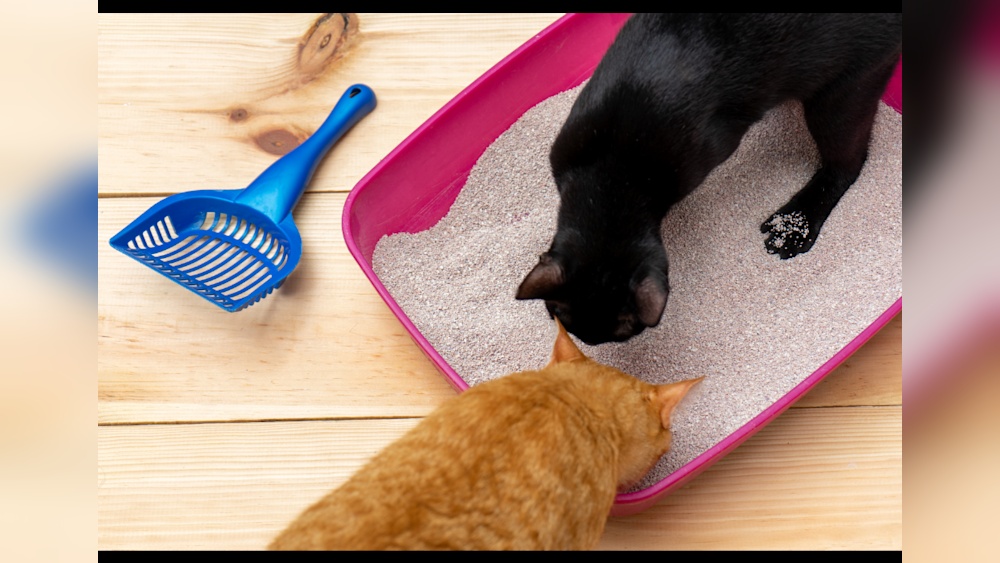
Is your cat suddenly ignoring the litter box? It can be frustrating when your furry friend stops using their potty spot.
But don’t worry—you can fix this. Re potty training your cat is easier than you think. With the right steps, you’ll have your cat back on track in no time. Keep reading, and you’ll discover simple tips to make potty time stress-free for both you and your cat.
Signs Your Cat Needs Retraining
Recognizing signs your cat needs retraining helps keep your home clean and your cat happy. Cats may stop using the litter box for many reasons. Noticing changes early lets you act fast. This prevents bad habits from forming again. Watch your cat closely for unusual behavior around the litter box.
Changes In Litter Box Behavior
Your cat may avoid the litter box or use it less often. Sometimes, they might scratch outside the box or urinate in strange places. They could also dig more than usual or cover their waste poorly. These changes show discomfort or confusion about the litter box. Pay attention to sudden or slow changes in their habits. It often signals the need to start retraining.
Common Triggers For Regression
Stress from moving or new pets can cause your cat to stop using the litter box. Changes in the home environment like new furniture or loud noises also affect them. Health problems like urinary infections make the litter box unpleasant. Sometimes, the litter box itself is the problem. A dirty box or a new type of litter can confuse your cat. Identifying these triggers helps you fix the problem faster.

Credit: smart.dhgate.com
Choosing The Right Litter Box
Choosing the right litter box plays a key role in re-potty training your cat. The box needs to be comfortable and easy for your cat to use. Picking the right size and type helps your cat feel safe and encourages good habits. Also, where you place the box affects your cat’s willingness to use it. Both size and location work together for success.
Box Size And Type
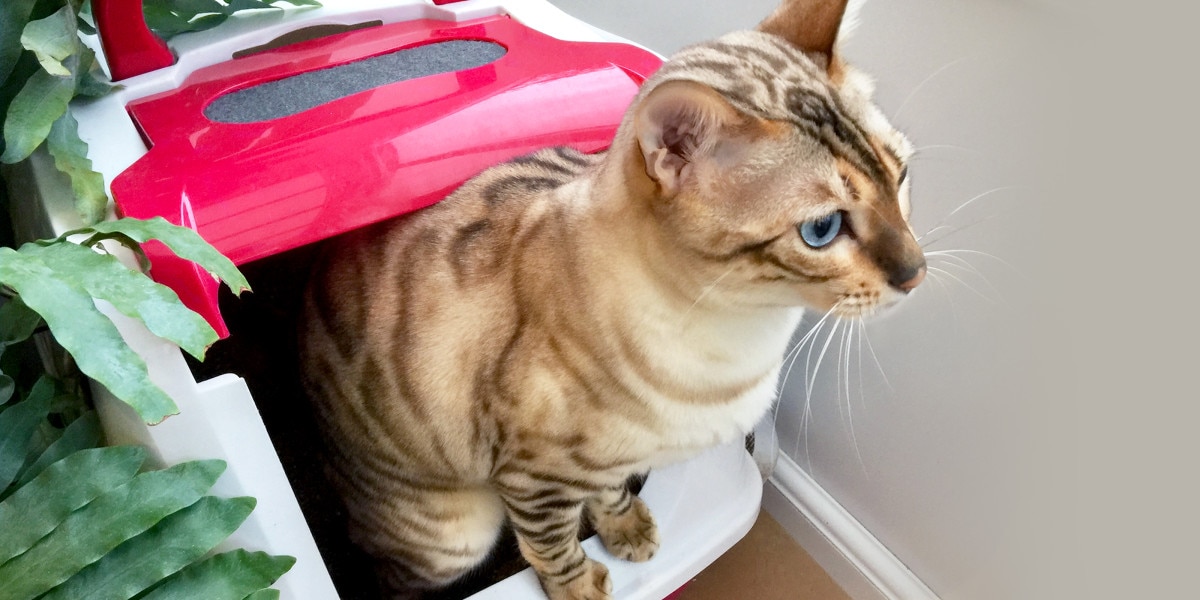
Choose a litter box large enough for your cat to turn around easily. Small boxes make cats feel cramped and unhappy. Open boxes offer more space and good airflow. Covered boxes give privacy but may trap smells. Some cats dislike covered boxes. Try a low-sided box if your cat is older or has trouble jumping. The right box suits your cat’s size and preference.
Location Matters
Place the litter box in a quiet, calm spot. Loud noises or busy areas can scare cats away. Avoid placing the box near their food or water bowls. Cats prefer a private place to do their business. A spot with easy access helps prevent accidents. Keep the box away from loud machines like washers. The right location makes your cat feel safe and relaxed.
Selecting The Best Litter
Choosing the right litter is key to successful re-potty training. The litter should feel comfortable for your cat and not cause any stress. Cats can be picky about the texture and smell of their litter. Using the wrong type can lead to accidents outside the box. Selecting the best litter helps your cat adjust faster and feel safe.
Texture And Scent Preferences
Cats like litter that feels soft on their paws. Clumping litter often works well because it stays clean longer. Some cats prefer fine grains, while others like coarser textures. Pay attention to what your cat uses without fuss. Avoid strong scents. Many cats dislike heavily scented litter. Unscented litter often encourages better use of the box.
Avoiding Irritants
Some litters contain chemicals that irritate your cat’s nose or skin. Avoid litters with harsh perfumes or dust. Dust can cause sneezing or breathing issues. Natural litters made from corn, wheat, or paper are gentle choices. Keep your cat’s health in mind when picking litter. A happy cat is more likely to use the box consistently.

Credit: www.kinship.com
Step-by-step Retraining Process
Retraining your cat to use the litter box takes patience and clear steps. This process helps your cat relearn good habits. Follow these simple steps to make retraining easier and successful.
Cleaning And Resetting
Start by cleaning the old litter box thoroughly. Use mild soap and warm water. Avoid strong smells that might scare your cat. Remove all traces of old litter and odors. Place the litter box in a quiet, easy-to-access spot. This fresh start helps your cat feel comfortable again.
Positive Reinforcement Techniques
Reward your cat when it uses the litter box correctly. Use treats, gentle petting, or soft praise. Avoid punishment or harsh words. Positive actions encourage your cat to repeat good behavior. Be consistent with rewards to build strong habits.
Gradual Introduction To The Litter Box
Let your cat explore the litter box at its own pace. Encourage sniffing and stepping inside without pressure. Slowly move the box closer to the desired area if needed. Keep the litter fresh and clean to attract your cat. This slow approach reduces fear and builds trust.
Dealing With Accidents
Accidents are normal when you re-potty train your cat. Patience helps you handle these moments calmly. Clean up quickly to stop your cat from using the same spot again. Understanding why accidents happen helps you fix the problem faster.
Effective Cleaning Methods
Use an enzyme cleaner to remove urine smells completely. Regular cleaners do not remove the odor fully. This smell can make your cat return to the same place. Spray the affected area and let it dry well.
Clean accidents on carpets and furniture immediately. Blot the area with paper towels first. Avoid rubbing, as it spreads the stain. After cleaning, open windows to air out the room.
Preventing Repeat Behavior
Watch your cat’s behavior closely. Notice signs like sniffing or scratching outside the litter box. Place extra litter boxes in quiet, easy-to-access spots. Keep litter boxes clean to encourage use.
Limit your cat’s access to accident spots until retraining is complete. Use deterrents like aluminum foil or double-sided tape on problem areas. Praise your cat when it uses the litter box correctly.
Credit: www.purina.com
Addressing Medical And Behavioral Issues
Addressing medical and behavioral issues is key to successful re-potty training. Cats often stop using the litter box due to health problems or stress. Identifying these causes early helps you take the right steps. Patience and care make the process smoother for both you and your cat.
When To Consult A Vet
Visit a vet if your cat suddenly stops using the litter box. Urinary tract infections and bladder problems are common causes. Your vet can perform tests and suggest treatment. Untreated medical issues can worsen and cause more accidents. Early diagnosis saves discomfort for your cat.
Managing Stress And Anxiety
Stress affects a cat’s bathroom habits a lot. Changes in routine, new pets, or loud noises can cause anxiety. Create a calm space with a clean litter box. Use pheromone sprays or calming diffusers to help your cat relax. Spend quality time playing and comforting your cat daily.
Maintaining Good Litter Box Habits
Maintaining good litter box habits is key to successful re potty training your cat. A clean and comfortable box encourages your cat to use it regularly. Cats dislike dirty litter boxes and may avoid them. Consistency in care helps your cat feel safe and confident.
Regular Cleaning Schedule
Clean the litter box every day. Remove waste and clumps to keep it fresh. Wash the box with mild soap once a week. Avoid strong chemicals that can bother your cat. Replace litter completely during washing. A clean box reduces odors and stops bad habits.
Monitoring Your Cat’s Health
Watch your cat’s bathroom habits closely. Changes can signal health problems. Frequent urination or straining may mean illness. Check for blood or unusual smells in the litter. Visit a vet if you notice any issues. Healthy cats are easier to train and keep clean habits.
Frequently Asked Questions
How Long Does Re-potty Training A Cat Take?
Re-potty training a cat usually takes 1 to 3 weeks. Consistency and patience speed up the process. Some cats may adapt faster than others depending on their temperament and previous habits.
What Are Common Mistakes In Re-potty Training Cats?
Common mistakes include inconsistent routines, using dirty litter boxes, and punishing the cat. Avoid sudden litter changes and ensure the box is accessible. Positive reinforcement helps cats relearn faster and reduces stress.
Can Stress Cause A Cat To Stop Using The Litter Box?
Yes, stress is a leading cause of litter box issues. Changes in environment, new pets, or loud noises can trigger accidents. Identifying and reducing stressors is crucial for successful re-potty training.
Which Litter Type Is Best For Re-potty Training Cats?
Unscented, clumping litter is generally best for re-potty training. It mimics natural textures and is easy to clean. Avoid scented or dusty litters that might deter your cat from using the box.
Conclusion
Re potty training your cat takes time and patience. Stay calm and keep routines simple. Use positive rewards to encourage good habits. Watch your cat’s behavior and adjust steps as needed. Consistency helps your cat learn faster. Remember, every cat is different.
Celebrate small wins along the way. Soon, your cat will use the litter box again. Keep trying, and don’t give up! Your efforts will pay off with a happy, clean home.