
Are you thinking about potty training your cat but worried it might do more harm than good? You’re not alone.
Many cat owners wonder if teaching their feline to use the toilet is a smart move or just a stressful mistake. What if potty training could change your life—and your cat’s—for better or worse? Before you decide, it’s important to understand the real impact this training can have on your furry friend’s health and happiness.
Keep reading to discover the surprising truths behind potty training a cat and whether it’s the right choice for you and your pet.
Credit: www.embracepetinsurance.com
Benefits Of Potty Training Cats
Potty training cats can bring many benefits to both pets and owners. It changes the way cats use the bathroom, making life easier for everyone. Cats learn to use the toilet, which can improve hygiene and save money. It also makes daily care simpler for owners.
These benefits make potty training an interesting option for some cat owners. It can create a cleaner home and reduce waste. Let’s explore the key advantages in detail.
Hygiene Improvements
Toilet training cats helps keep the home cleaner. Cat litter can scatter and cause odors. Using a toilet stops litter messes and reduces smell. It also lowers the risk of bacteria spreading. This keeps the house fresher and healthier for everyone.
Cost Savings On Litter
Potty training cuts down on litter expenses. Cat litter can cost a lot over time. Training a cat to use the toilet removes the need to buy litter regularly. This saves money month after month. It also reduces the waste sent to landfills, helping the environment.
Convenience For Owners
Using the toilet makes caring for cats easier. Owners do not have to clean litter boxes every day. It saves time and effort. Toilet-trained cats also avoid tracking litter around the house. This makes homes tidier and less stressful for owners.
Credit: www.embracepetinsurance.com
Common Methods For Potty Training
Potty training a cat can be done in several ways. Each method has its own benefits and challenges. Understanding common methods helps you choose what fits best for your cat and home.
Using A Litter Box
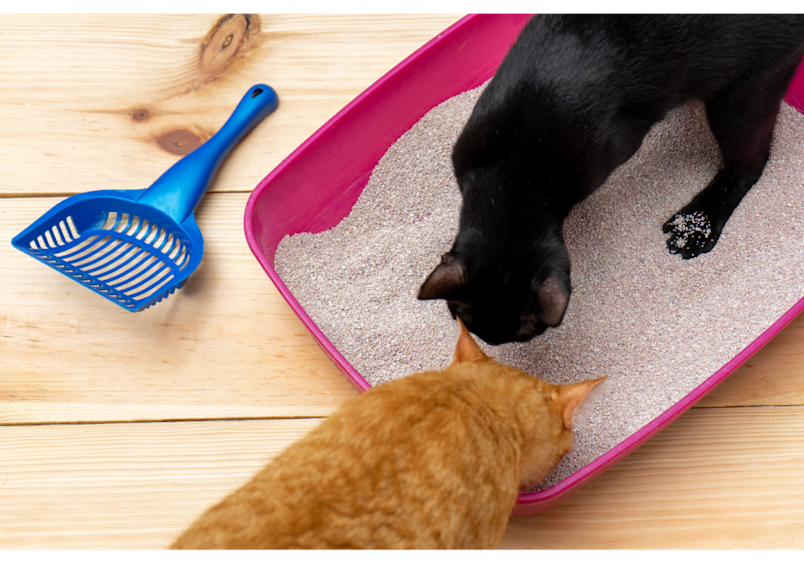
The litter box is the most common way to potty train cats. Cats naturally like to bury their waste. Use a clean, quiet spot for the box. Choose litter that your cat prefers. Scoop the box daily and change litter regularly. This method works well for most cats and owners.
Toilet Training Techniques
Some owners teach cats to use the toilet. It saves space and avoids litter mess. Start by placing a training seat on the toilet. Gradually reduce litter inside the seat. Reward your cat for using the toilet seat. This method needs patience and time. Not all cats adapt easily to toilet training.
Alternative Solutions
Sometimes, the litter box or toilet training does not suit your cat. Alternatives include training mats or outdoor potty areas. Some cats prefer grass patches or special trays. Choose an option that keeps your home clean. Observe your cat’s habits to find the best fit.
Potential Risks And Challenges
Potty training a cat may seem like a neat trick. But it carries risks and challenges. These can affect your cat’s health and mood. Understanding these issues helps you decide if potty training is right for your pet.
Stress And Anxiety In Cats
Cats like routine. Changing their bathroom habits can cause stress. Some cats may refuse to use the potty. This can lead to hiding or avoiding you. Stress lowers their immune system. It can make your cat sick over time.
Health Concerns
Using a human toilet is not natural for cats. It can cause physical problems. Squatting on a hard seat may hurt their joints. Cats might hold their urine too long. This can lead to bladder infections or stones. These health issues need vet care and can be painful.
Behavioral Issues
Potty training can confuse cats. They may stop using the litter box completely. Some cats start going to the bathroom in strange places. This causes frustration for both cat and owner. It can damage your relationship with your pet. Consistent behavior is important for happy cats.
Expert Opinions And Studies
Many pet owners wonder about the effects of potty training cats. Experts and studies offer valuable views on this topic. Their insights help us understand the benefits and risks involved. This section explores what veterinarians, animal behaviorists, and scientific research say.
Veterinarian Insights
Veterinarians note that potty training cats can affect their health. Some cats may develop stress or urinary problems. Vets stress that litter boxes meet cats’ natural needs well. They recommend monitoring cats closely during potty training. Any signs of discomfort should lead to stopping the training. Health risks vary by cat, so vet advice is important.
Animal Behaviorist Views
Animal behaviorists focus on cats’ natural habits and instincts. Cats prefer digging and covering their waste. Training them to use a toilet may go against these instincts. Behaviorists warn this can cause confusion and anxiety. They suggest gradual training with plenty of positive reinforcement. Understanding each cat’s personality helps decide the best approach.
Scientific Research Findings
Scientific studies on potty training cats are limited but insightful. Research shows some cats adapt well, while others do not. Studies link toilet training with increased stress in some cats. Stress can lead to behavior problems or health issues. More research is needed to understand long-term effects. Current findings advise caution and close observation during training.
Signs Potty Training Might Not Suit Your Cat
Potty training a cat is not always easy or right for every feline. Some cats show clear signs that this method may not suit them. Recognizing these signs early helps avoid stress for both you and your cat. Watch your cat’s behavior closely during training. Notice any changes that could mean discomfort or confusion.
Understanding your cat’s feelings about potty training is key. Not all cats take well to this change. Here are some common signs that potty training might not be a good fit for your cat.
Resistance And Avoidance
Some cats resist potty training by avoiding the designated area. They may hide or run away when you approach with training tools. Refusing to use the training spot shows they feel uneasy or scared. Resistance can slow or stop progress entirely.
Changes In Bathroom Habits
Watch for sudden changes in where or how your cat goes to the bathroom. They may start urinating outside the litter box or hold it too long. Irregular bathroom habits often mean stress or confusion linked to training. These changes can harm your cat’s health if ignored.
Aggressive Or Withdrawn Behavior
Potty training may cause some cats to act aggressive or withdrawn. They might hiss, bite, or avoid contact more than usual. These behaviors indicate fear or frustration. Your cat may need a break or different training methods.
Tips For Successful Potty Training
Potty training a cat can be challenging but rewarding. Success depends on how you approach the process. Simple steps make a big difference. Focus on patience, positive support, and comfort. These tips help your cat learn faster and avoid stress.
Patience And Consistency
Training takes time. Cats need to adjust to new habits. Stay calm and patient. Repeat the same routine daily. Consistency helps your cat understand what to do. Avoid sudden changes that confuse your pet.
Positive Reinforcement
Reward good behavior with treats or praise. Cats respond well to kindness. Avoid punishment; it causes fear and anxiety. Celebrate small successes to build confidence. Positive actions encourage your cat to keep trying.
Creating A Comfortable Environment
Make the potty area clean and quiet. Choose a spot your cat likes. Use familiar litter to ease the change. Keep the training area free from distractions. Comfort helps your cat feel safe and secure.
Alternatives To Potty Training
Potty training a cat can be tricky and stressful. Many cats resist using a toilet and prefer their litter box. There are better ways to keep your cat’s bathroom habits clean and healthy. These alternatives help your cat feel comfortable and keep your home fresh.
Improving Litter Box Setup
Choose the right size litter box for your cat. Bigger boxes give cats more space to move. Place the box in a quiet, private spot. Avoid noisy or busy areas that scare your cat. Use a box with low sides for easy access. Some cats like covered boxes, others do not. Watch your cat’s preference and adjust accordingly.
Regular Cleaning Routines
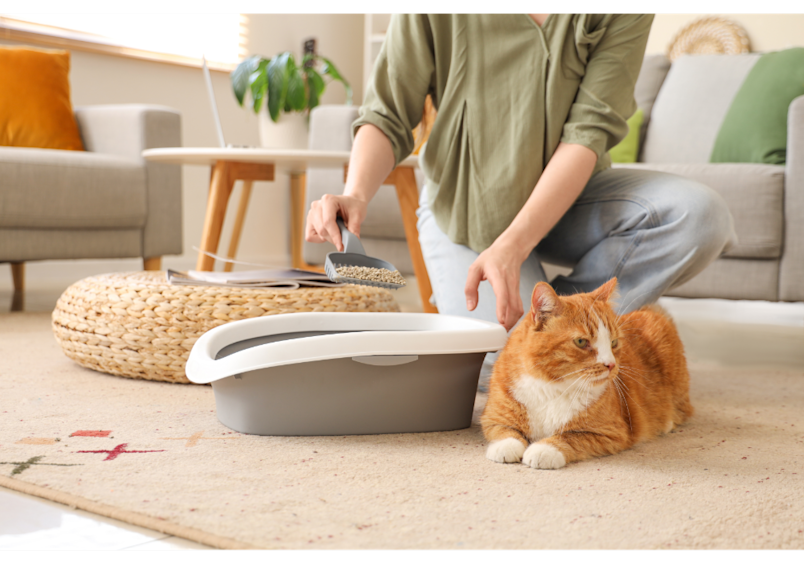
Clean the litter box at least once a day. Remove waste to keep the box fresh and odor-free. Wash the box with mild soap every week. Dirty boxes can cause cats to avoid using them. A clean box encourages good habits and comfort for your cat.
Using Specialized Litters
Choose litter that controls odor well. Some litters clump tightly, making cleaning easier. Others are dust-free and gentle on paws. Try natural or scented litters if your cat likes smells. Observe your cat’s reaction to different litters. Pick the one your cat uses without problems.

Credit: www.reddit.com
Frequently Asked Questions
Is Potty Training A Cat Harmful To Its Health?
Potty training a cat on a toilet can cause stress and anxiety. Cats prefer litter boxes for comfort and privacy. This training may disrupt natural behaviors and lead to accidents or health issues like urinary problems.
Can All Cats Be Potty Trained Successfully?
Not all cats adapt well to potty training. Success depends on the cat’s personality, age, and patience during training. Some cats may resist, making litter boxes a better and safer option for their needs.
What Are The Risks Of Potty Training Cats Indoors?
Potty training cats indoors may lead to stress, litter aversion, and accidents. It can confuse cats about where to relieve themselves. This sometimes causes inappropriate elimination outside the toilet or litter box.
Does Potty Training Affect A Cat’s Natural Instincts?
Yes, potty training can interfere with a cat’s instinct to dig and bury waste. This behavior is important for their comfort and well-being. Removing this natural act may cause anxiety or behavioral problems.
Conclusion
Potty training a cat has its pros and cons. It can save litter costs and reduce mess. But cats may find it stressful or confusing. Each cat is different, so watch their behavior closely. Patience and consistency help if you choose to try.
Remember, a clean litter box often keeps cats happy. Weigh the benefits and challenges before starting. Your cat’s comfort matters most in any training. Decide what works best for your pet’s well-being.