

Grooming your cat can be a challenge when they’re stressed or fidgety. You want to keep your furry friend clean and healthy, but how can you make the process calm and easy for both of you?
Imagine turning grooming time into a peaceful moment instead of a battle. You’ll discover simple, effective ways to relax your cat before and during grooming. By learning these tips, you’ll help your cat feel safe and comfortable, making grooming a smoother experience every time.
Keep reading to find out how to create a calm, happy grooming routine that works for you and your cat.

Credit: doctorgroomer.com
Recognize Stress Signs
Knowing how to spot stress in your cat helps make grooming easier. Cats show stress in many ways. Watching carefully helps you calm your cat before grooming starts.
Body Language Cues
Watch your cat’s body for signs of stress. Flattened ears mean fear or anger. A twitching tail shows irritation. Wide eyes with large pupils signal anxiety. Tensed muscles and crouching suggest discomfort. These signs mean your cat feels uneasy.
Vocalizations
Listen to your cat’s sounds. Growling or hissing shows stress. Loud meows or yowling mean distress. Soft whining or purring may hide fear. Pay attention to changes in usual sounds. These vocal signs warn you to stop or slow down.
Behavioral Changes
Notice changes in how your cat acts. Hiding or avoiding touch shows stress. Refusing to eat or play may happen. Sudden aggression or restlessness are red flags. Your cat’s usual calm may disappear. These changes tell you grooming is too much now.
Prepare A Calm Space
Preparing a calm space helps your cat feel safe before grooming. Cats get nervous in noisy or strange places. Creating a quiet, comfy area makes grooming easier for both of you.
Quiet Environment
Choose a quiet room without loud sounds. Turn off TVs, radios, and other noises. Silence helps your cat stay calm and focused. Avoid busy spots with a lot of people or pets.
Comfortable Setup
Place a soft towel or blanket on a flat surface. Your cat likes warm, cozy spots. Use a chair or table where you can reach easily. Keep grooming tools nearby but hidden until needed.
Familiar Scents
Use your cat’s favorite blanket or toy in the space. Familiar smells reduce stress and create comfort. Avoid strong scents like perfumes or cleaning products. Natural smells help your cat relax faster.
Choose The Right Tools
Choosing the right tools makes grooming easier and less stressful for your cat. The right equipment helps keep your cat calm and comfortable. It also protects their skin and fur during grooming. Investing in quality tools is key for a smooth grooming experience.
Gentle Brushes
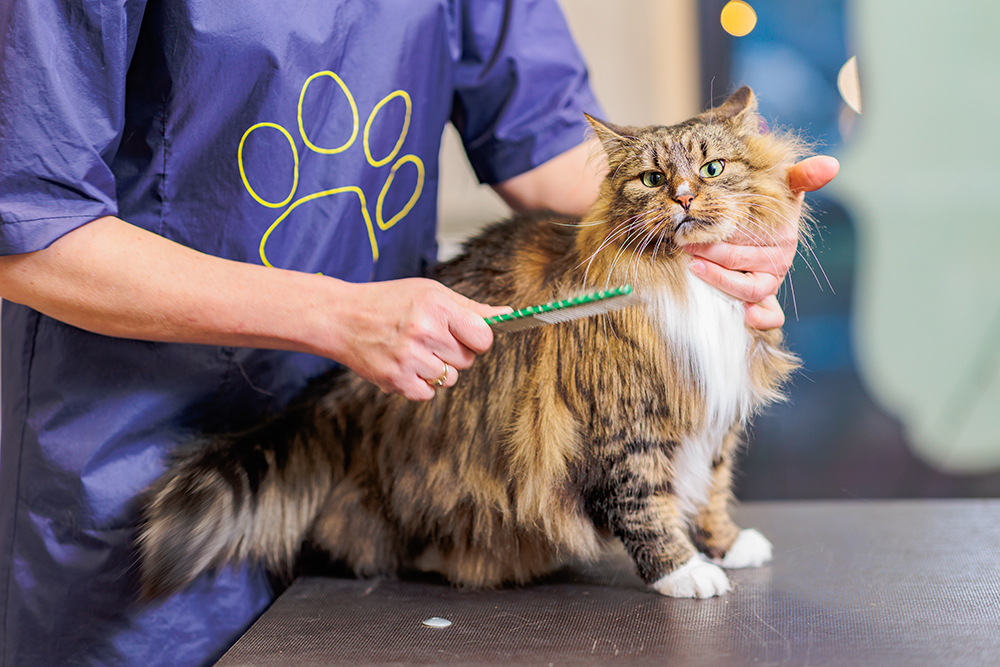
Use soft brushes made for cats. They remove loose fur without hurting the skin. Gentle brushing feels like a massage to your cat. Avoid stiff bristles that can scratch or irritate. Regular brushing keeps fur shiny and healthy.
Nail Clippers
Select clippers designed for cats’ small nails. Sharp, precise clippers cut cleanly and avoid splitting. Dull tools cause pain and make cats scared. Trim nails carefully, a little at a time. This keeps paws healthy and stops scratching furniture.
Safe Grooming Products
Choose shampoos and sprays made for cats only. Human products can harm your cat’s skin and fur. Use mild, hypoallergenic formulas to prevent irritation. Test new products on a small area first. Safe products keep your cat clean and happy.
Use Gentle Techniques
Using gentle techniques helps your cat feel calm during grooming. Cats can get scared or stressed with rough handling. Soft touches and slow actions make them trust you more. This way, grooming becomes easier and less stressful for both of you.
Slow Movements
Move your hands slowly when touching your cat. Fast movements can scare them. Take your time to pet and groom. Let your cat see your hands before you touch. This helps your cat stay relaxed and comfortable.
Short Sessions
Keep grooming sessions short. Long sessions can tire your cat or make them upset. Stop grooming before your cat becomes restless. You can do grooming in small steps over several days. This helps your cat get used to grooming slowly.
Positive Reinforcement
Give your cat treats or praise after grooming. This shows your cat that grooming is good. Use a calm voice to encourage your cat. Rewarding your cat builds good habits. Your cat will learn to enjoy grooming over time.
Incorporate Relaxation Aids
Incorporating relaxation aids can help calm your cat during grooming. These tools create a peaceful environment. They reduce stress and make grooming easier for both of you. Simple aids help your cat feel safe and relaxed.
Calming Sprays
Calming sprays use natural ingredients to soothe cats. You can spray them on your hands or the grooming brush. The scent helps lower your cat’s anxiety. Use sprays before and during grooming sessions. Choose sprays made specifically for cats.
Pheromone Diffusers
Pheromone diffusers release comforting scents that cats recognize. These scents mimic a cat’s natural calming signals. Plug a diffuser in the room before grooming. The subtle aroma helps your cat stay calm. It works best in a quiet, familiar space.
Soothing Music
Soft music can relax your cat during grooming. Choose gentle tunes with slow rhythms. Classical or ambient music often works well. Play the music at low volume near your grooming area. Music helps reduce stress and distracts your cat.
Credit: www.catster.com
Build Trust Over Time
Building trust with your cat is key to easing grooming sessions. Cats need time to feel safe and calm around you. Trust grows slowly through kind actions and gentle care. The more your cat trusts you, the less stressed it feels during grooming.
Consistent Routine
Keep grooming times regular. Cats like predictability. Try grooming at the same time each day or week. Use the same quiet place. This helps your cat feel secure. A steady routine lowers anxiety and builds trust.
Reward-based Training
Give treats or praise during and after grooming. Positive rewards make your cat happy. Use small treats your cat loves. Reward calm behavior and patience. This teaches your cat that grooming is good.
Patience And Persistence
Don’t rush the process. Take short grooming sessions at first. Let your cat stop if it feels scared. Keep trying gently every day. Over time, your cat will relax more. Patience shows your cat you care.
Handle Difficult Situations
Handling difficult situations during cat grooming can be stressful for both you and your pet. Some cats resist grooming strongly. They may scratch, bite, or hide. Staying calm helps your cat feel safer. Patience is key to managing these moments.
When To Seek Help
Notice if your cat shows extreme fear or aggression. Persistent struggling can cause injury. If grooming becomes harmful or too stressful, seek advice. A vet or animal behaviorist can guide you. They offer tips tailored to your cat’s needs. Don’t wait until the problem worsens.
Professional Grooming Options
Professional groomers have experience with difficult cats. They use tools and techniques to calm pets. Some groomers offer gentle handling and sedation if needed. Choose groomers who specialize in cats. This ensures your cat gets proper care. Professional help can reduce stress and improve grooming results.
Safety Precautions
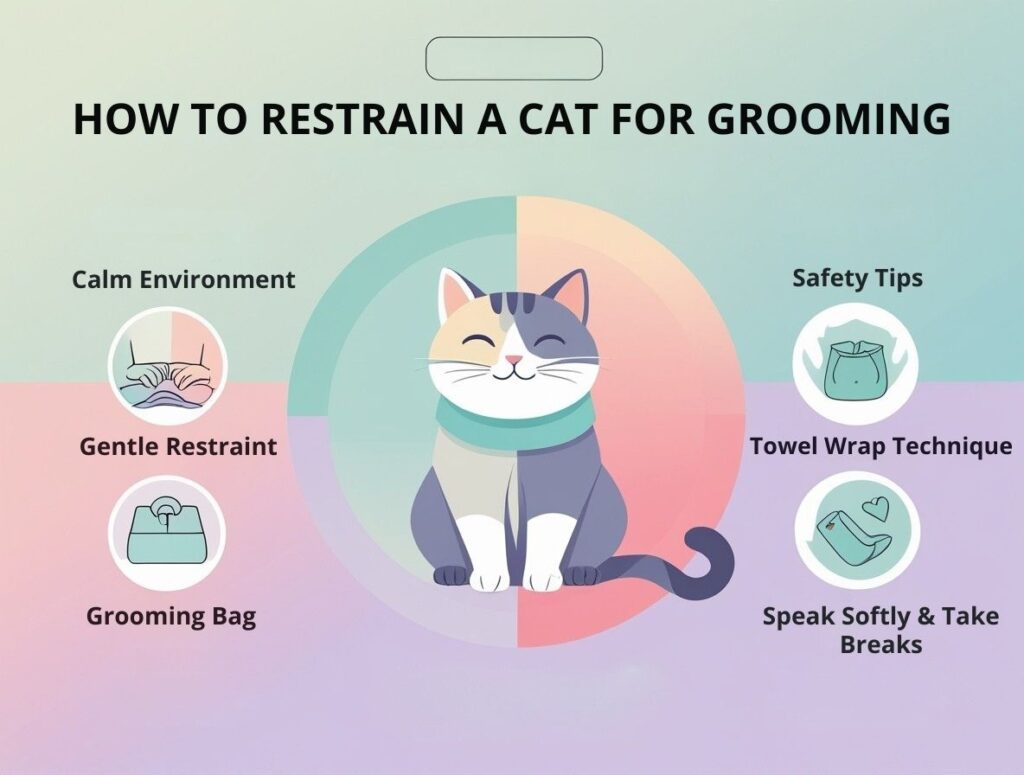
Always protect yourself during grooming. Use towels or gloves to avoid scratches. Work in a quiet, secure space. Keep grooming tools within reach but out of your cat’s way. Never force your cat into grooming. Stop immediately if your cat shows signs of distress.
Credit: doctorgroomer.com
Frequently Asked Questions
How Can I Calm My Cat Before Grooming?
Create a quiet, comfortable space for grooming. Use gentle petting and soothing tones. Offer treats to build trust. Gradually introduce grooming tools to avoid stress. Consistency helps cats feel secure during grooming sessions.
What Are The Best Grooming Tools For Cats?
Use a soft-bristle brush for short hair and a comb for long hair. Avoid harsh brushes that irritate the skin. Choose tools designed specifically for cats to ensure safety and comfort.
How Often Should I Groom My Cat To Keep It Relaxed?
Groom your cat weekly to maintain coat health and reduce shedding. Regular grooming prevents matting and keeps your cat calm during sessions. Increase frequency for long-haired cats or those prone to tangles.
Can Grooming Help Reduce My Cat’s Anxiety?
Yes, grooming can soothe anxious cats by providing gentle touch and attention. It strengthens your bond and creates a calming routine. Always approach grooming calmly to prevent stress buildup.
Conclusion
Relaxing your cat during grooming helps keep them calm and happy. Stay patient and gentle to build trust. Use quiet voices and soft touches to reduce stress. Short, regular sessions work better than long ones. Watch your cat’s body language for signs of discomfort.
Creating a calm environment makes grooming easier for both. With practice, grooming can become a peaceful routine. Your cat will feel safer and more comfortable each time. Keep trying, and enjoy the bonding moments together.