
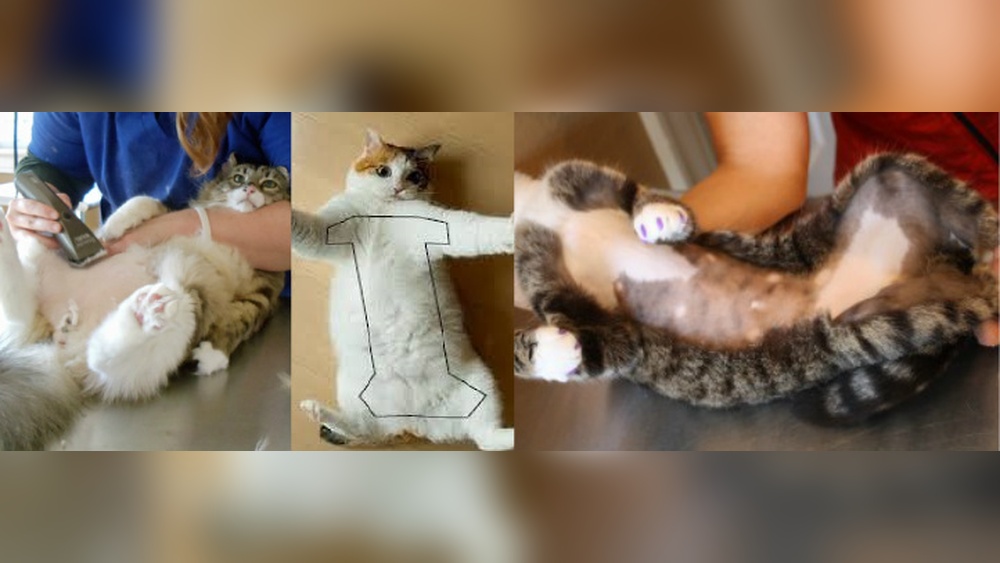
Your cat’s belly is one of the most delicate and sensitive areas to groom. You might think it’s just about brushing fur, but knowing how to groom your cat’s belly properly can make a huge difference in their comfort and health.
If you’ve ever wondered how to do this without stressing your furry friend or getting scratched, you’re in the right place. Keep reading, and you’ll discover simple, effective steps to turn belly grooming into a calm and even enjoyable experience for both you and your cat.

Credit: www.youtube.com
Why Belly Grooming Matters
Caring for your cat’s belly is important for their overall health. The belly is a sensitive area that often gets dirty or tangled with fur. Regular grooming keeps this area clean and comfortable. It also helps catch health problems early.
Many cats hide signs of illness or discomfort. Grooming their belly gives you a close look at their skin and fur. This helps keep your cat happy and healthy.
Benefits For Cat Health
Grooming the belly removes dirt and loose fur. This stops mats and tangles from forming. Mats can cause pain and skin irritation. Brushing also spreads natural oils. These oils keep the fur soft and shiny.
Cleaning the belly reduces the risk of infections. It also helps control shedding. Less shedding means fewer hairballs. Regular grooming supports your cat’s skin and coat health.
Signs Your Cat Needs Grooming
Look for clumps of fur or mats on the belly. A greasy or dirty coat is a sign too. Scratching or licking the belly often shows discomfort. Redness or bumps may mean skin issues. If your cat avoids grooming, it might need help.
Notice any changes in fur texture or color. These could signal health problems. Grooming helps catch these signs early. Watch your cat’s behavior for signs of pain or stress.

Credit: www.youtube.com
Preparing For Belly Grooming
Grooming your cat’s belly needs care and patience. Cats can be sensitive about their bellies. Preparing well helps make the process smooth and safe. This section guides you on how to get ready for belly grooming.
Choosing The Right Tools
Select tools that are gentle on your cat’s skin. A soft-bristle brush works well for most cats. Use a fine-toothed comb for tangles or mats. Avoid sharp or rough brushes that can hurt your cat. Have grooming wipes or a damp cloth ready for dirt. Keep a pair of nail clippers nearby for quick trims.
Creating A Calm Environment
Pick a quiet spot free from loud noises. Soft lighting helps your cat feel safe. Sit close to your cat and speak softly. Offer treats to reward calm behavior. Take breaks if your cat shows signs of stress. Keep sessions short to avoid tiring your pet.
Step-by-step Belly Grooming
Grooming a cat’s belly requires care and patience. This area is sensitive and many cats feel vulnerable when touched there. Follow simple steps to make the experience calm and safe for your cat. Start slow, use gentle tools, and watch your cat’s reactions closely.
Gently Introducing Touch
Begin by softly petting your cat’s belly. Use the palm of your hand and move slowly. Let your cat get used to your touch. If your cat pulls away, stop and try again later. Repeat this step daily to build trust.
Brushing Techniques
Use a soft brush designed for cats. Brush in the direction of the fur growth. Keep strokes light and even. Avoid pressing too hard on the skin. Brushing removes loose hair and keeps the belly clean. It also helps your cat feel relaxed.
Dealing With Mats And Tangles
Check for mats or tangles carefully. Use a wide-tooth comb to work through knots gently. Hold the fur close to the skin to avoid pulling. If mats are tight, try to loosen them slowly. For very tough mats, seek help from a professional groomer.
Handling Common Challenges
Grooming a cat’s belly can be tricky. Cats often feel vulnerable in this area. Many cats resist belly grooming, making the task harder. Knowing how to handle common challenges helps keep grooming safe and calm. This section covers tips for managing a squirmy cat and avoiding stress.
Managing A Squirmy Cat
Some cats wiggle and try to escape. Start by petting the cat gently to calm it. Use slow, soft strokes on the belly. Hold the cat gently but firmly to prevent sudden moves. Give short grooming sessions to avoid tiring your cat. Use a soft brush or your hands to reduce discomfort. Stop if the cat becomes too restless or upset. Try again later or another day.
Avoiding Stress And Discomfort
Stress can make grooming harder for cats. Choose a quiet, safe place for grooming. Speak in a calm, soothing voice to reassure your cat. Watch your cat’s body language for signs of stress. Stop grooming if your cat shows fear or aggression. Use treats to reward calm behavior. Let the cat control the pace of grooming. Be patient and gentle throughout the process.
Maintaining A Grooming Routine
Maintaining a grooming routine is key to keeping your cat’s belly clean and healthy. Cats often avoid letting anyone touch their belly, so patience and care are important. Regular grooming helps prevent mats, reduces shedding, and keeps your cat comfortable. Establish a gentle and calm routine that your cat can trust.
Start slow and use soft brushes made for cats. Speak softly and offer treats to build positive associations. A steady routine makes grooming easier for both you and your cat.
How Often To Groom
Groom your cat’s belly once or twice a week. Long-haired cats may need more frequent care. Short-haired cats usually require less grooming. Watch your cat’s behavior. If they seem uncomfortable or have mats, groom more often. Keep sessions short to avoid stress.
Monitoring Skin And Fur Health
Check your cat’s skin and fur during each grooming session. Look for redness, bumps, or dry patches. Notice any hair loss or unusual smells. Healthy skin is smooth and pink without sores. Fur should be soft and free of tangles. Early detection helps prevent skin problems. Report any concerns to your vet quickly.

Credit: www.upstatemeow.com
When To Seek Professional Help
Grooming a cat’s belly can be tricky. Sometimes, problems arise that need expert care. Knowing when to seek professional help keeps your cat safe and comfortable. Watch for signs that grooming is causing stress or harm. Professionals have the right skills and tools to help your cat.
Recognizing Grooming Issues
Look for redness, swelling, or cuts on the belly. If your cat pulls away or growls, it may feel pain. Matted fur that you cannot brush out needs expert attention. Notice if your cat licks or bites the belly often. These signs show grooming problems that need a vet or groomer.
Choosing A Groomer Or Vet
Pick a groomer or vet with experience in cat care. Ask about their handling methods and tools. Find someone who is patient and gentle with cats. A good professional can reduce your cat’s stress during grooming. Check reviews or ask other cat owners for recommendations.
Frequently Asked Questions
How Often Should I Groom My Cat’s Belly?
Groom your cat’s belly once or twice a week. Regular brushing prevents mats and removes loose fur. Cats with long hair need more frequent grooming to avoid tangles and skin issues.
What Tools Are Best For Grooming Cat Belly?
Use a soft-bristle brush or a grooming glove. These tools gently remove loose fur without irritating your cat’s skin. Avoid harsh combs that can cause discomfort or scratches.
How To Calm A Cat During Belly Grooming?
Speak softly and use slow, gentle strokes. Offer treats and breaks to keep your cat relaxed. Start grooming sessions short and increase time as your cat gets comfortable.
Can Grooming Cat Belly Reduce Hairballs?
Yes, regular grooming removes loose fur that cats might ingest. This reduces hairballs and improves digestion. Grooming also promotes healthy skin and a shiny coat.
Conclusion
Grooming your cat’s belly helps keep them clean and healthy. Take your time and be gentle to avoid stress. Use soft brushes and clean hands to make your cat comfortable. Watch for signs of discomfort or skin problems while grooming.
Regular care builds trust and strengthens your bond. Small, calm sessions work best for most cats. Enjoy these quiet moments together. With patience, grooming becomes a positive routine for both of you. Your cat will thank you with purrs and happy cuddles.