
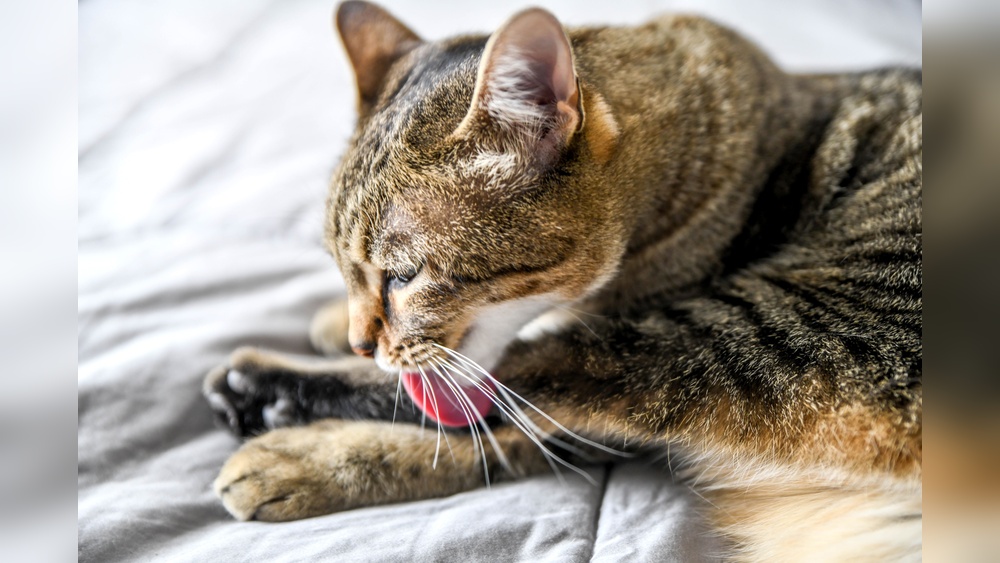
Is your cat grooming itself nonstop, leaving you worried and unsure what to do? Constant grooming can be more than just a quirky habit—it might signal discomfort or stress your furry friend is facing.
If you want to help your cat feel better and stop this behavior, you’re in the right place. Keep reading to discover simple, effective ways to understand why your cat grooms so much and how you can gently guide them back to a healthier routine.
Your cat’s comfort and happiness matter, and with the right approach, you can make a real difference.
Reasons Behind Excessive Grooming
Excessive grooming in cats can be puzzling and concerning. It goes beyond normal cleaning and can signal underlying problems. Understanding why your cat grooms too much helps you find the right solution. Several reasons may cause this behavior, ranging from health to emotional issues.
Medical Causes
Health problems often trigger extra grooming. Skin infections, parasites, or wounds cause itching. Cats lick to soothe pain or irritation. Sometimes, arthritis or nerve pain leads to licking one area. A vet check is crucial to rule out medical issues.
Stress And Anxiety
Stress makes cats groom excessively. Changes in the environment or routine can upset them. Loud noises, new pets, or moving house create anxiety. Grooming becomes a comfort action, like a coping habit. Reducing stress helps stop this behavior.
Allergies And Irritations
Allergies cause skin discomfort. Food, pollen, or dust can trigger reactions. Cats scratch and lick to relieve itching. Identifying and removing allergens reduces grooming. Special diets or treatments may be needed.
Behavioral Issues
Some cats develop grooming habits without clear causes. It can become a compulsion or boredom relief. Lack of stimulation or playtime increases grooming. Providing toys and interaction can lower this habit. Behavioral training might also help.
Signs To Watch For
Watching your cat closely helps spot if grooming becomes a problem. Cats groom to stay clean and calm. But too much grooming can signal health issues or stress. Early signs make it easier to help your cat feel better. Look for these key signs to know when grooming is too much.
Bald Patches And Sores
Check your cat’s fur for bald spots. These patches show where fur falls out from too much licking. Sores or redness may appear on the skin. These can hurt and cause infections. Bald patches and sores are strong signs your cat needs help.
Changes In Behavior
Notice if your cat acts differently. It may seem nervous or restless. Some cats hide or avoid being touched. Others might meow more or seem upset. Behavior changes often go with over-grooming. These shifts tell you your cat feels stressed or unwell.
Frequency And Duration Of Grooming
Watch how often your cat grooms. Normal grooming lasts a few minutes many times a day. Excessive grooming means long sessions or constant licking. It may interrupt eating, sleeping, or playing. Tracking grooming time helps find if there’s a problem.
Veterinary Care And Diagnosis
Veterinary care plays a key role in stopping a cat from grooming too much. Excessive grooming often signals an underlying health problem. A vet can find the cause and suggest the best treatment. Early diagnosis helps prevent skin damage and stress for your cat.
When To Visit The Vet
Visit the vet if your cat grooms more than usual. Look for bald spots, redness, or sores on the skin. Notice if your cat seems restless or stressed. Sudden changes in grooming habits also need a vet’s attention. Don’t wait for the problem to get worse.
Common Tests And Treatments
The vet may run skin scrapings to check for mites or infections. Blood tests help find allergies or hormonal issues. Sometimes, allergy tests identify food or environmental triggers. Treatment can include medicated shampoos or antibiotics. The vet might suggest changes in diet or environment. Medicines may calm itching and reduce stress. Follow the vet’s advice carefully for the best results.
Credit: us.feliway.com
Environmental Adjustments
Environmental adjustments can help reduce a cat’s constant grooming. Changing the cat’s surroundings makes a big difference. Small changes can calm your cat and stop over-grooming. Focus on making the home peaceful and stimulating. This helps your cat feel safe and busy.
Reducing Stress Triggers
Stress often causes cats to groom too much. Loud noises, new pets, or visitors may upset them. Keep the home quiet and calm. Avoid sudden changes in routine. Give your cat time to adjust to new things. Use soft sounds and gentle actions. This lowers your cat’s anxiety and grooming habits.
Creating A Comfortable Space
Make a cozy spot just for your cat. Use soft bedding and a quiet corner. Cats love warm, safe places to relax. A comfortable space helps them feel secure. Clean the area regularly to keep it fresh. Place water and food nearby. This encourages your cat to rest more and groom less.
Introducing Enrichment Activities
Keep your cat busy with fun activities. Toys, scratching posts, and puzzle feeders work well. Playtime distracts your cat from over-grooming. Change toys often to keep interest high. Provide climbing spots or window perches. Mental and physical activity reduces stress and boredom. A happy cat grooms only when needed.
Diet And Nutrition Tips
Diet plays a key role in reducing constant grooming in cats. Good nutrition supports healthy skin and fur. Some foods cause allergies that lead to itching and over-grooming. Choosing the right diet helps calm your cat’s skin and reduce stress.
Identifying Food Allergies
Food allergies often cause itching and skin problems. Common allergens include beef, dairy, and fish. Watch for signs like redness, hair loss, and frequent scratching. Try a limited-ingredient diet to spot the allergen. Consult a vet to guide you through an elimination diet. Avoid foods with artificial colors and preservatives. A healthy diet can stop allergic reactions and soothe your cat’s skin.
Supplements For Skin Health
Supplements can improve your cat’s skin and coat condition. Omega-3 fatty acids reduce inflammation and dryness. Fish oil capsules or oils from flaxseed work well. Vitamin E supports skin repair and boosts immunity. Zinc helps heal wounds and prevent infections. Always check with a vet before adding supplements. Proper supplements make your cat’s skin less itchy and fur softer.
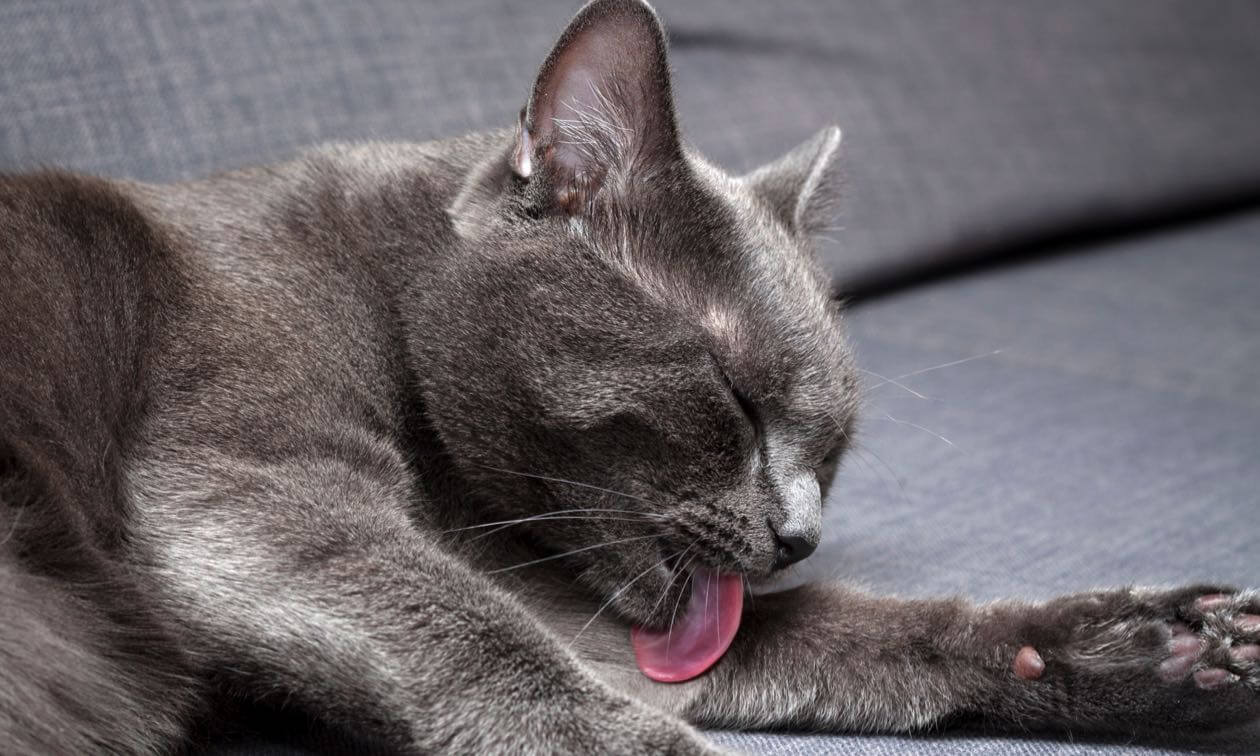
Credit: www.zoetispetcare.com
Behavioral Training Techniques
Behavioral training techniques help reduce a cat’s constant grooming. These methods focus on changing your cat’s habits and reactions. Training takes patience but can improve your cat’s well-being. It also strengthens your bond with your pet.
Redirecting Attention
Redirecting attention means guiding your cat away from grooming. Offer toys or playtime to keep your cat busy. Use interactive toys to engage your cat’s mind and body. A busy cat is less likely to over-groom. Try petting or brushing to calm your cat instead.
Positive Reinforcement
Positive reinforcement rewards good behavior. Give treats or praise when your cat stops grooming. This encourages your cat to repeat the behavior. Use small, healthy treats as rewards. Be consistent and patient for best results.
Using Deterrents Safely
Deterrents discourage excessive grooming without harm. Use safe sprays or scents cats dislike. Avoid anything toxic or stressful for your cat. Place deterrents near problem areas, not on your cat. Monitor your cat’s reaction and adjust as needed.
Products To Help Manage Grooming
Managing a cat’s constant grooming can be tough. There are special products that help control this behavior. These products can soothe your cat and reduce over-grooming. Using the right tools makes a big difference in your cat’s comfort and health.
Protective Clothing And Collars
Protective clothing acts as a barrier between your cat’s skin and paws. It stops your cat from licking or biting certain areas. Soft shirts or bodysuits cover wounds or irritated spots. They help skin heal faster by preventing more damage.
Collars, like the Elizabethan collar, also stop excessive grooming. These collars prevent your cat from reaching specific body parts with their tongue. They come in different sizes and materials for comfort. Choosing the right collar keeps your cat safe and calm.
Soothing Sprays And Shampoos
Soothing sprays calm irritated skin and reduce itching. Many sprays contain natural ingredients like aloe vera or chamomile. These help your cat feel more comfortable and relaxed. Apply sprays gently on affected areas for best results.
Shampoos made for sensitive skin clean without causing dryness. They remove dirt and allergens that may trigger grooming. Using a gentle shampoo keeps your cat’s coat healthy and shiny. Regular baths with soothing shampoo can lower the urge to groom.

Credit: www.reddit.com
When To Seek Professional Help
Excessive grooming in cats may point to deeper issues. Knowing when to seek professional help is key for your cat’s health. Persistent licking, bald spots, or wounds mean it’s time to act. Professionals can find causes and offer the right care quickly.
Behavioral Specialists
Behavioral specialists study how cats act and feel. They help cats with stress or anxiety that cause over-grooming. These experts suggest changes at home to calm your cat. They teach techniques to reduce stress and improve behavior. Working with a specialist can stop grooming habits that harm your cat.
Ongoing Medical Support
Some grooming problems come from health issues. Vets can check for allergies, infections, or skin problems. Ongoing care may include medicine or special diets. Regular check-ups help track your cat’s progress. Medical support ensures your cat stays healthy and comfortable.
Frequently Asked Questions
Why Is My Cat Grooming Excessively?
Excessive grooming can signal stress, allergies, or skin issues. It may also indicate parasites or pain. Consult a vet to diagnose and treat underlying causes promptly.
How Can I Reduce My Cat’s Over-grooming?
Provide environmental enrichment, reduce stress, and ensure a balanced diet. Use vet-recommended treatments for skin problems or anxiety to help control over-grooming behavior.
When Should I See A Vet About Grooming?
If grooming causes hair loss, sores, or behavioral changes, visit a vet. Persistent over-grooming often indicates medical or psychological issues needing professional care.
Can Diet Affect My Cat’s Grooming Habits?
Yes, nutritional deficiencies or allergies can trigger over-grooming. Feeding a high-quality, hypoallergenic diet may improve skin health and reduce excessive grooming.
Conclusion
Constant grooming in cats can signal stress or health issues. Keep your cat calm and comfortable. Provide a clean, quiet space for rest. Check for fleas or skin problems often. Play with your cat to reduce boredom. Use vet advice for persistent grooming habits.
Watch your cat’s behavior every day. Small changes make a big difference. Caring for your cat helps stop constant grooming. Stay patient and consistent with your care. Your cat will feel better and happier soon.