
Grooming your cat is more than just keeping them clean—it’s a way to show your love and keep them healthy. But do you know what tools you really need to make grooming easy and effective?
Using the wrong brush or comb can hurt your cat or leave their fur messy. In this guide, you’ll discover exactly what to groom your cat with, so you can make every grooming session comfortable and even fun for both of you.
Keep reading to find the must-have tools that will transform your cat’s coat and strengthen your bond.
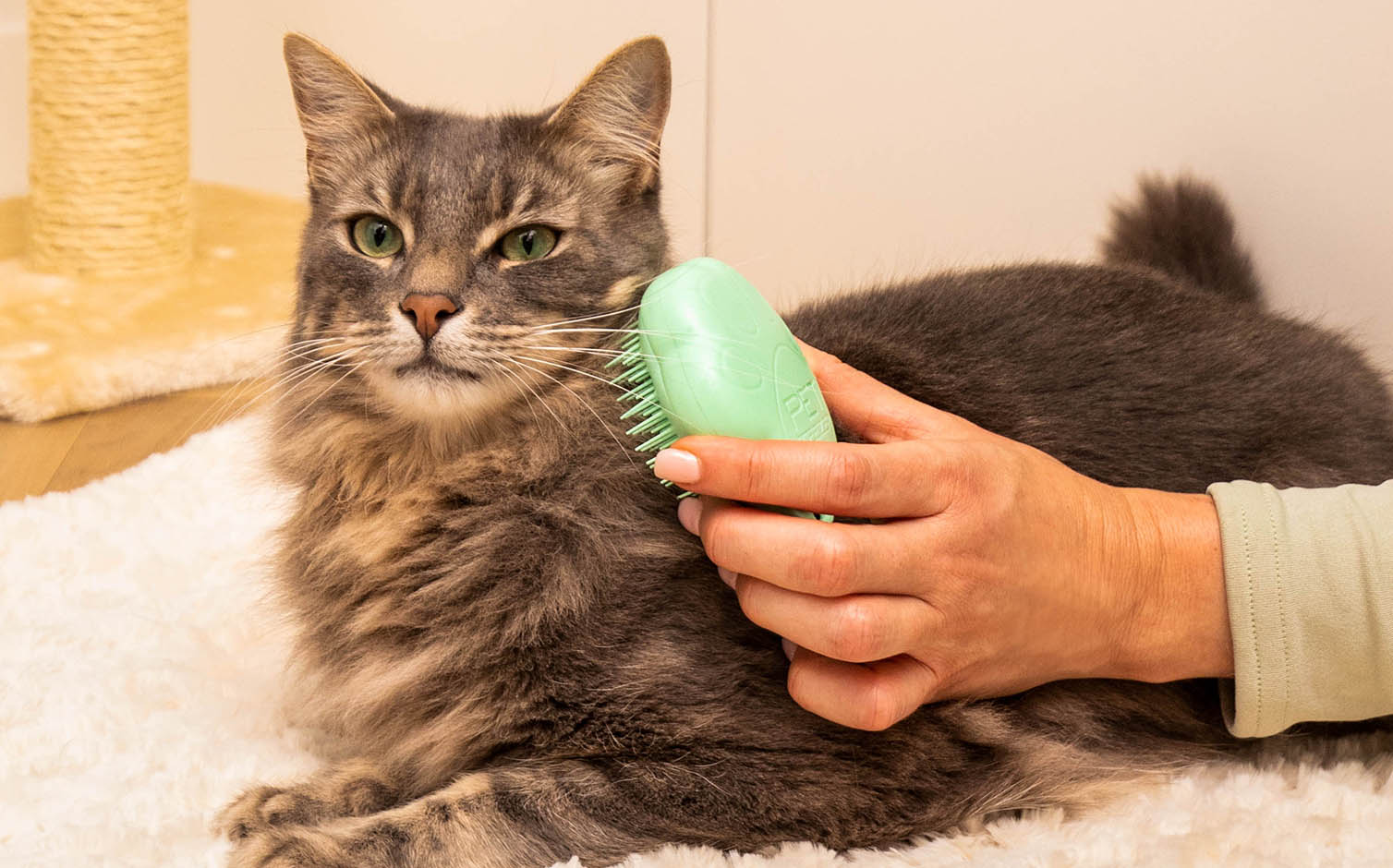
Credit: tangleteezer.com
Choosing The Right Brush
Choosing the right brush for your cat is important for healthy fur and skin. Cats have different coat types, so using the right brush helps keep their fur clean and shiny. It also makes grooming a pleasant time for both of you. Understanding the types of brushes and how to use them makes grooming easier and more effective.
Types Of Brushes For Different Coats
Short-haired cats need soft bristle brushes to remove loose hair gently. Long-haired cats benefit from slicker brushes that detangle and remove mats. For cats with dense or thick fur, a comb with wide and narrow teeth works best. Rubber brushes help reduce shedding and stimulate the skin. Choose a brush that matches your cat’s coat type for the best results.
Benefits Of Regular Brushing
Brushing removes dirt, dead hair, and loose fur. It helps prevent hairballs and reduces shedding around the house. Regular brushing also spreads natural oils, making the coat shine. It improves blood circulation and keeps your cat’s skin healthy. Grooming time strengthens the bond between you and your cat.
How To Brush Without Stress
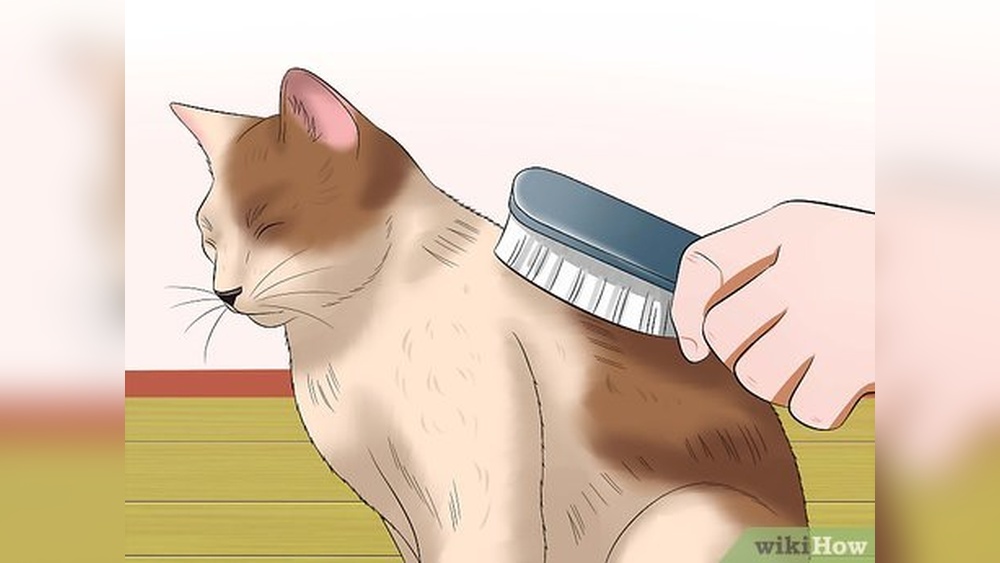
Start grooming in a quiet, calm place. Use gentle strokes and watch your cat’s reactions. Take breaks if your cat feels uncomfortable. Reward your cat with treats or petting after brushing. Use soft brushes first to build trust. Keep sessions short and positive to make grooming easy and stress-free.

Credit: www.wikihow.com
Essential Combs For Your Cat
Choosing the right comb is key to keeping your cat’s fur clean and healthy. Essential combs help remove loose hair, dirt, and prevent mats. Each type of comb serves a unique purpose in grooming. Knowing which comb to use makes grooming easier and more comfortable for your cat.
Fine-toothed Vs Wide-toothed Combs
Fine-toothed combs have closely spaced teeth. They catch small debris and loose fur well. These combs work great for short-haired cats. Wide-toothed combs have bigger gaps between teeth. They glide through thick or long fur without pulling. Use wide-toothed combs to detangle and smooth dense coats.
Removing Tangles And Mats
Tangles can cause pain and skin problems. Start with a wide-toothed comb to gently work through knots. Hold the fur close to the skin to avoid pulling. Slowly tease out mats by combing small sections. Regular grooming reduces tangled fur and keeps your cat happy.
Gentle Techniques For Sensitive Skin
Some cats have delicate skin. Use combs with rounded or plastic teeth to avoid scratches. Be soft and slow, especially around sensitive spots like the belly. Stop if your cat shows discomfort. Patience helps build trust and makes grooming a calm experience.
Nail Care Tools
Nail care is essential for your cat’s health and comfort. Using the right tools makes the job easier and safer. Proper nail care tools help prevent injuries and reduce stress for your cat. Keep your cat’s nails trimmed to avoid damage to furniture and skin scratches.
Types Of Nail Clippers
There are three main types of nail clippers for cats. Guillotine clippers have a hole where you insert the nail. They cut by squeezing the handle, like scissors. Scissor-style clippers look like small scissors. They are easy to control and cut cleanly. Electric nail grinders file down nails slowly. They are quieter and less likely to cut too deep. Choose the type that feels easiest and safest for you.
Trimming Tips For Beginners
Start slowly and trim just the tip of the nail. Avoid cutting into the quick, the pink part inside the nail. Use good lighting to see the quick clearly. Trim small amounts regularly, about every two weeks. Hold your cat’s paw gently but firmly. Use a calm voice and take breaks if your cat resists. Practice makes the process smoother over time.
Keeping Your Cat Calm During Nail Care
Prepare a quiet space free from distractions. Let your cat sniff the clippers before starting. Use treats to reward calm behavior. Speak softly and pet your cat between trims. Keep sessions short to avoid stress. Stop if your cat becomes too anxious and try again later. Patience and gentleness build trust during nail care.
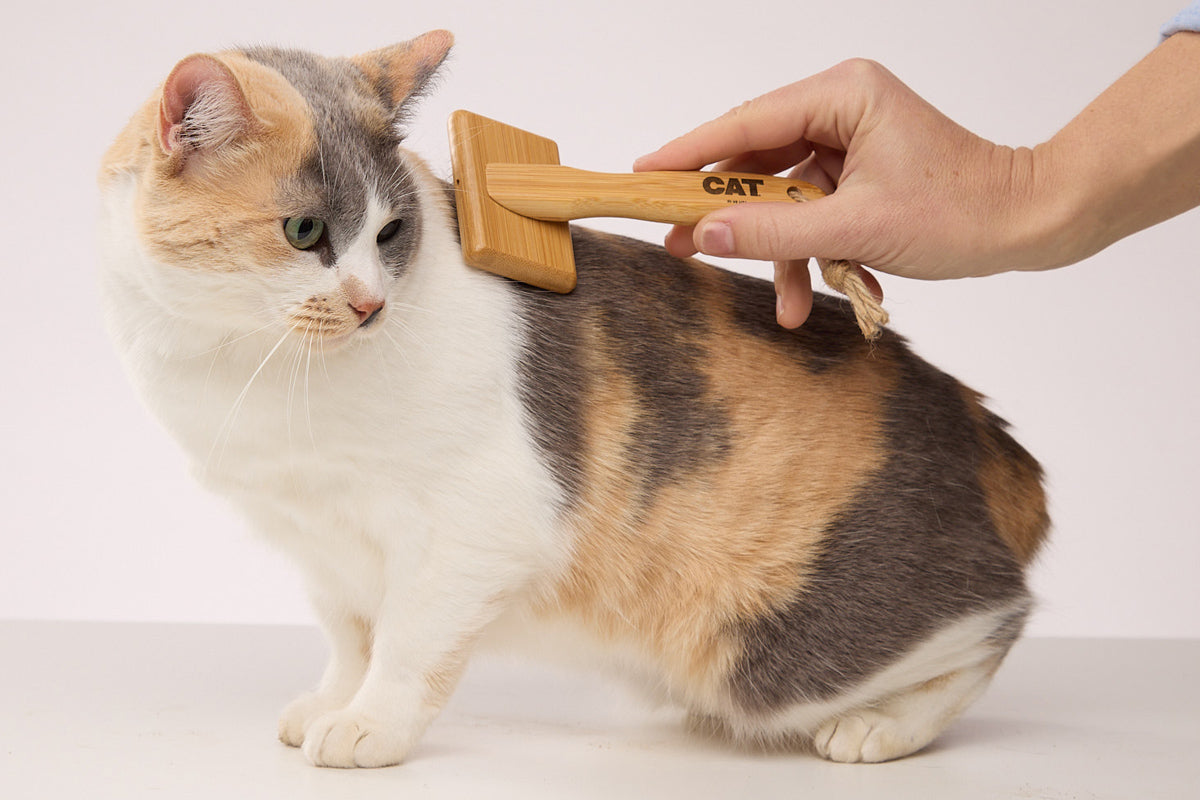
Credit: dogbydrlisa.com
Bathing Supplies
Bathing a cat needs the right supplies to keep it safe and calm. Cats do not enjoy water like dogs do. Using proper bathing tools makes the process smoother and less stressful. Prepare everything before starting to help your cat feel comfortable.
Choosing Cat-friendly Shampoos
Pick shampoos made only for cats. Human or dog shampoos can hurt their skin. Look for gentle formulas that clean without drying fur. Avoid products with strong scents or chemicals. These can irritate your cat’s eyes and skin.
Bathing Equipment Essentials
Use a small tub or sink to bathe your cat. Have a cup or gentle spray nozzle for rinsing. Soft towels are needed for drying afterward. A non-slip mat helps your cat stay steady. Keep all supplies close to avoid leaving your cat alone.
Making Bath Time Comfortable
Use warm water, not hot or cold. Speak softly and move slowly to calm your cat. Wet your cat gently and avoid the face. Use cotton balls to protect ears from water. Dry your cat well with a towel after the bath.
Additional Grooming Accessories
Keeping your cat healthy means more than just brushing fur. Extra grooming tools help care for areas often missed. These accessories support your cat’s overall wellness and comfort. Use them gently and regularly to keep your cat happy.
Ear Cleaning Tools
Cat ears need cleaning to prevent infections. Use a soft cotton ball or special ear wipes. Avoid using cotton swabs inside the ear canal. Choose products made for cats to avoid irritation. Clean ears gently to remove dirt and wax.
Dental Care Products
Good dental health stops bad breath and tooth problems. Use cat-friendly toothbrushes and toothpaste. Brushing teeth regularly helps remove plaque build-up. Dental chews and water additives also support oral care. Healthy teeth mean a happier cat.
Hairball Prevention Items
Hairballs form when cats swallow loose fur. Special brushes reduce shedding and hair ingestion. Hairball remedies include treats or gels that help fur pass easily. Regular grooming cuts down hairballs and discomfort. Keep your cat’s coat clean and smooth.
Maintaining A Grooming Routine
Maintaining a grooming routine is key to keeping your cat healthy and happy. Regular care helps prevent mats, reduces shedding, and keeps skin clean. Cats enjoy consistency, so a steady schedule makes grooming less stressful for both of you.
Building a routine also strengthens your bond. Grooming time becomes a moment of calm and trust. Knowing how often and how to groom your cat ensures a smooth experience.
Frequency Of Grooming Sessions
Short-haired cats need grooming once a week. Long-haired cats require grooming every day or every other day. Older cats or those with health issues may need more frequent care. Watch your cat’s coat to decide how often to brush.
Creating A Comfortable Environment
Pick a quiet, calm spot for grooming. Use soft brushes and gentle strokes. Talk softly to your cat during the session. Keep sessions short at first, then slowly increase time. Comfort makes grooming easier and more pleasant.
Signs Your Cat Needs Extra Care
Look for mats, bald spots, or excessive shedding. Scratching or biting at fur may mean irritation. Dull coat or dry skin shows poor health. If your cat resists grooming or seems in pain, check with a vet.
Frequently Asked Questions
What Tools Do I Need To Groom My Cat Effectively?
You need a slicker brush, comb, nail clippers, and grooming wipes. These tools help remove loose fur, detangle hair, trim nails, and clean your cat. Using the right tools ensures a smooth grooming session and keeps your cat healthy.
How Often Should I Groom My Cat At Home?
Groom your cat at least once a week to prevent matting. Long-haired cats may need daily brushing, while short-haired cats can be groomed less frequently. Regular grooming reduces shedding and improves your cat’s coat and skin health.
Can I Use Human Shampoo To Wash My Cat?
No, never use human shampoo on cats. Cat skin has a different pH than humans. Use only cat-specific shampoos to avoid skin irritation and allergic reactions. Always rinse thoroughly to keep your cat comfortable and clean.
How Do I Safely Trim My Cat’s Nails?
Use a cat nail clipper and trim only the sharp tips. Avoid cutting into the quick, which is sensitive and painful. Gently hold your cat’s paw and trim small sections to prevent injury. Regular trimming reduces scratching damage.
Conclusion
Grooming your cat helps keep their coat clean and healthy. Use the right tools like brushes, combs, and nail clippers. Regular grooming reduces hairballs and skin problems. It also strengthens the bond between you and your cat. Remember to be gentle and patient during grooming sessions.
Keep your cat calm and comfortable to make grooming easier. A well-groomed cat looks happy and feels great. Start a simple grooming routine today for your furry friend’s well-being.