
Are you thinking about breeding cats but unsure when the right time is? Knowing the age to start breeding your cat is crucial for her health and the well-being of her kittens.
If you jump in too early, it can cause serious problems. Wait too long, and you might miss the best opportunity. You’ll discover exactly when your cat is ready to breed, what signs to look for, and how to prepare.
Keep reading to make sure you give your feline friend the best start possible.
Cat Breeding Basics
Cat breeding requires knowledge about the right time and conditions. Starting too early can harm the cat’s health. Knowing the basics helps ensure safe and responsible breeding. This section explains when cats are ready and what to watch for.
When Cats Reach Maturity
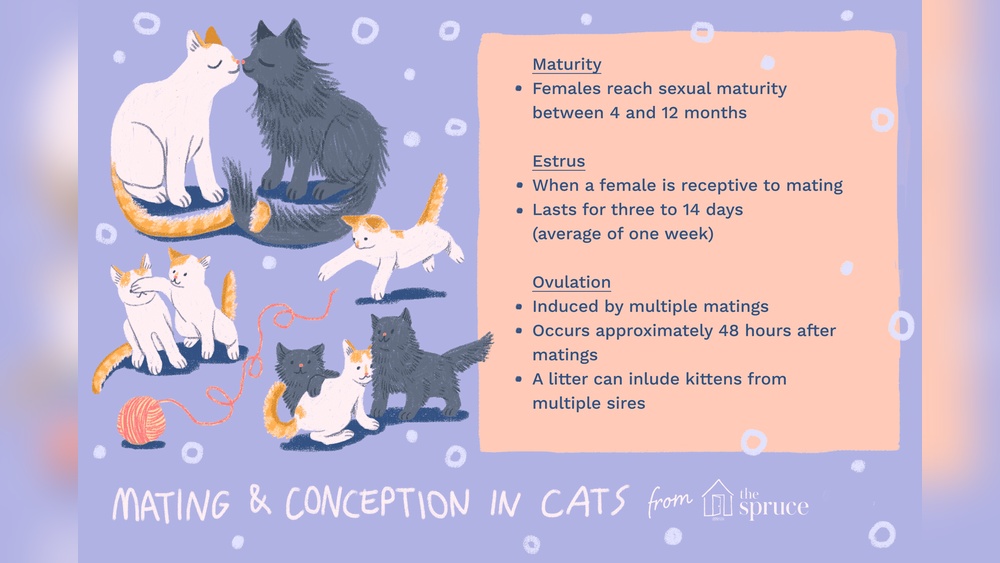
Cats usually reach sexual maturity between 5 and 12 months of age. Female cats may go into heat as early as 5 months. Male cats can start producing sperm around 6 months. Still, most experts recommend waiting until cats are at least one year old. This wait allows the cat’s body to fully develop. Breeding too soon can cause health problems for both mother and kittens.
Signs Of Readiness
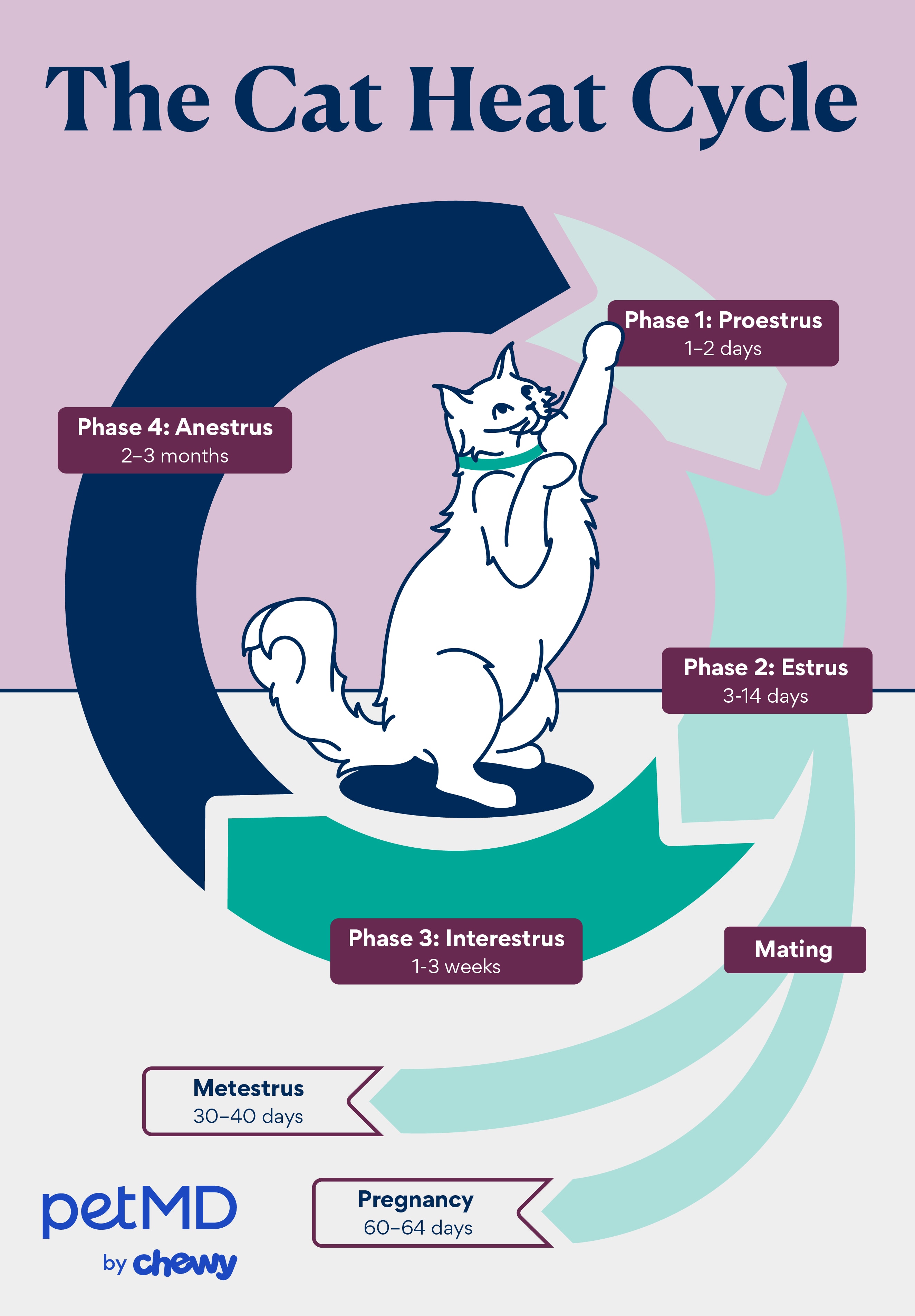
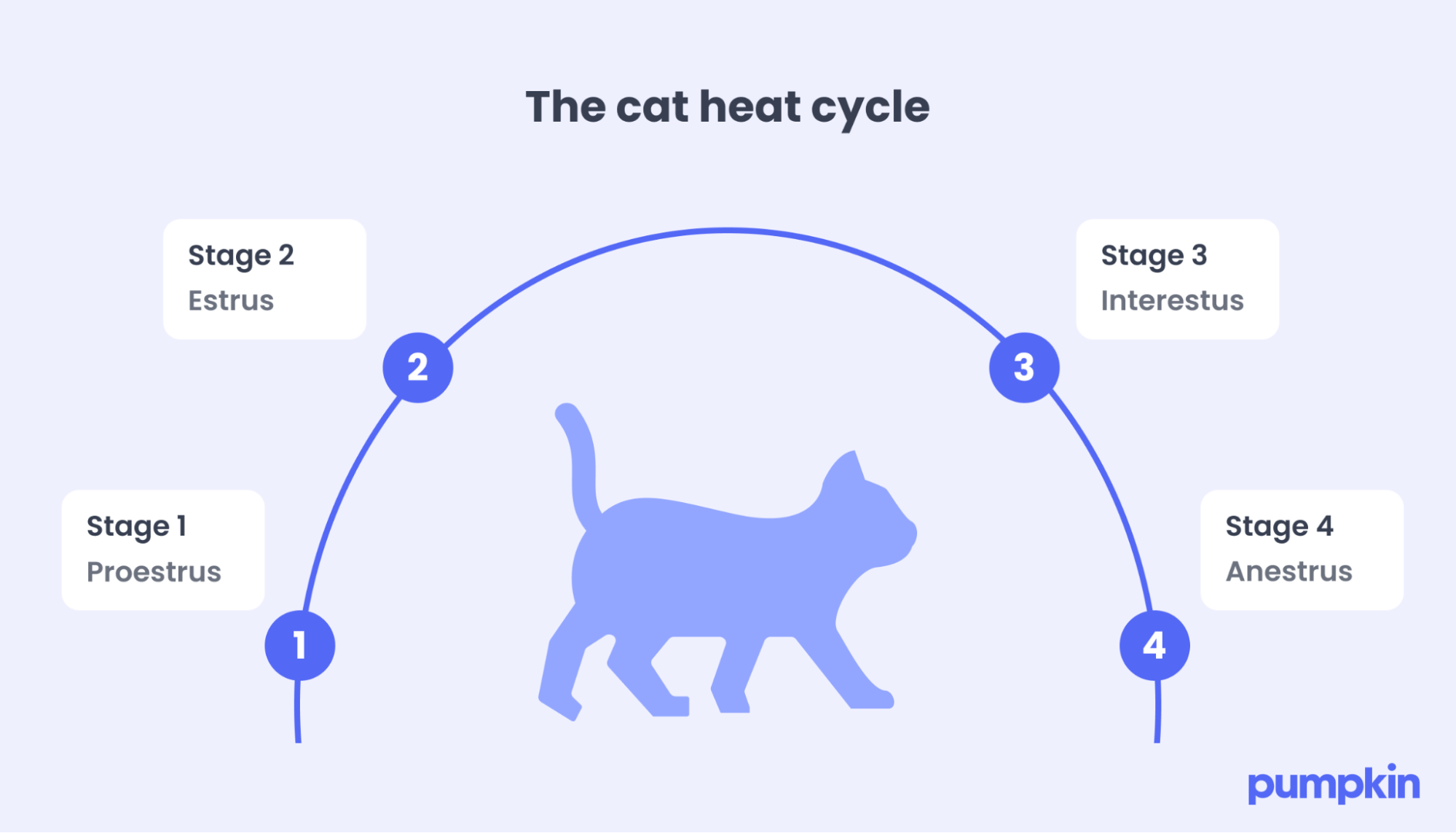
Watch for clear signs that a cat is ready to breed. For females, signs include regular heat cycles and healthy weight. Males should have strong physical health and show interest in females. Both cats should have no health issues. Behavior changes like restlessness or vocalizing can indicate heat in females. Always check with a vet before starting breeding.
Breed-specific Factors
Different breeds mature at different rates. Large breeds may take longer to reach maturity. Some breeds have special health concerns that affect breeding age. Research your cat’s breed carefully. Follow breed club recommendations for breeding age. Taking breed differences into account helps protect your cat’s health and improves breeding success.
Ideal Age To Start Breeding
Knowing the ideal age to start breeding cats is very important. Breeding too early or too late can harm the cat’s health and the kittens’ well-being. Age affects fertility, health, and the ability to care for offspring. Understanding the right time helps ensure safe and successful breeding.
Female Cats’ Breeding Age
Female cats usually reach puberty between 5 and 9 months. The best age to start breeding is after 1 year old. At this age, their bodies are more mature and ready for pregnancy. Breeding too early can cause health problems for the mother and kittens. Most breeders wait until the cat has had at least one heat cycle before breeding.
Male Cats’ Breeding Age
Male cats become fertile around 6 months old. But it is better to wait until they are 1 year old. This gives them time to grow strong and healthy. Older males often have better sperm quality. Starting too soon may lead to lower fertility and health issues.
Risks Of Early Breeding
Breeding cats before they are mature can cause serious risks. Young mothers may suffer from difficult births. Their bodies may not support kittens properly. Early breeding also increases chances of health problems in kittens. It can shorten the mother’s life span. Waiting for the right age helps avoid these problems and improves kitten survival rates.
Preparing Your Cat For Breeding
Preparing your cat for breeding is an important step. It ensures your cat is healthy and ready for pregnancy. Proper preparation helps protect both the mother and her future kittens. It also increases the chances of a safe and successful birth.
Health Checks And Vaccinations
Start with a visit to the vet. The vet will check your cat’s overall health. They will test for diseases and parasites. Vaccinations must be up to date. Healthy cats have better chances of a smooth pregnancy. Regular health checks keep problems away.
Nutrition And Diet
Feed your cat a balanced diet. High-quality food supports her body during pregnancy. Add extra nutrients like protein and vitamins. Healthy nutrition prepares your cat’s body for growing kittens. Avoid sudden diet changes to prevent stress.
Behavioral Readiness
Observe your cat’s behavior closely. She should be calm and social. Breeding needs cats to be comfortable with other cats. Watch for signs of stress or fear. A relaxed cat will handle breeding and pregnancy better.
Credit: www.petmd.com
Breeding Process Steps
Breeding cats involves several important steps to ensure healthy kittens and happy parents. Each step requires attention and care. Following the right process helps maintain the well-being of the cats.
Understanding these steps prepares you for a smooth breeding experience. Knowing what to do and when can prevent many common problems.
Choosing The Right Mate
Select a mate with good health and strong genetics. Check their age, breed, and temperament. Avoid cats with hereditary diseases or bad behavior. The right mate increases the chance of healthy kittens. Both cats should be physically fit and vaccinated.
Mating Techniques
Allow the cats to meet in a calm, quiet space. Introduce them slowly to reduce stress. Female cats in heat show readiness by vocalizing and moving more. Let the cats interact naturally without forcing them. Supervise the process to keep them safe.
Signs Of Successful Breeding
After mating, watch for signs like a relaxed female and normal eating habits. A female cat may become less active and sleep more. Pregnancy signs appear after a few weeks. If unsure, consult a vet for confirmation.
Pregnancy And Kitten Care
Taking care of a pregnant cat and her kittens is very important. The health of the mother affects her babies. Knowing the right steps helps ensure a safe pregnancy and birth.
Gestation Period
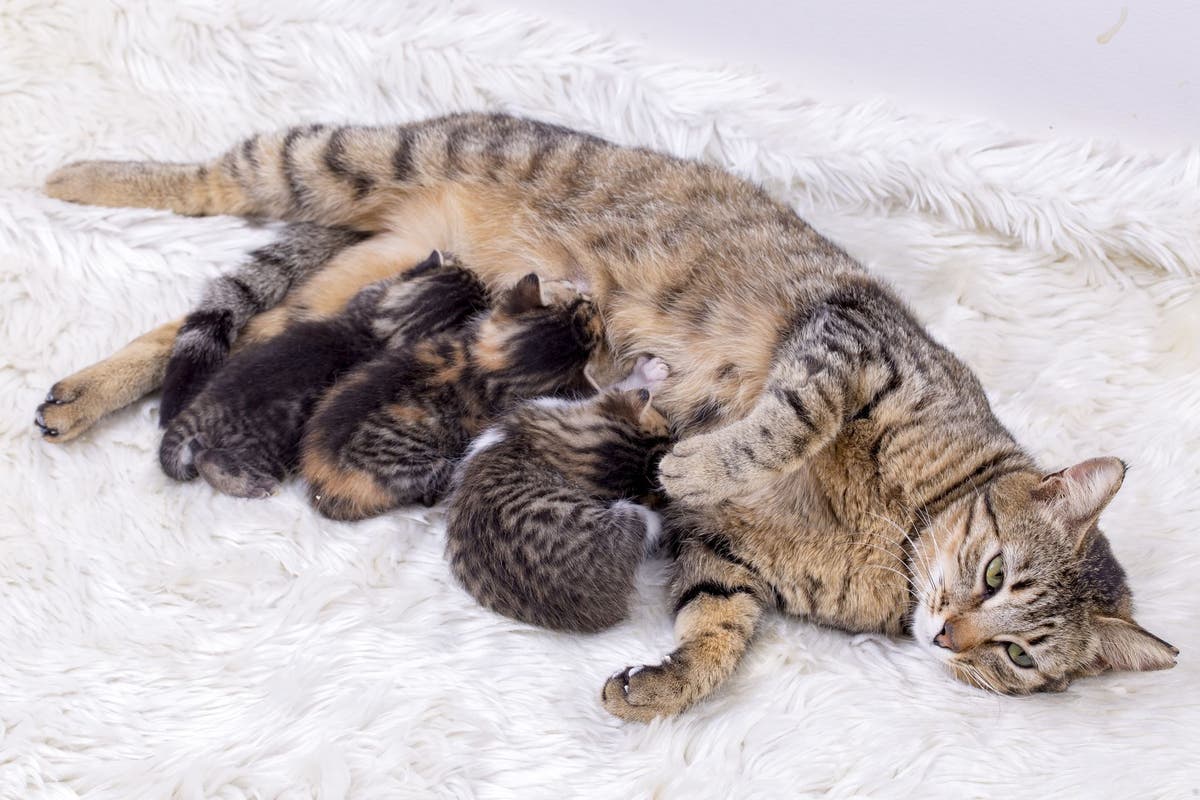
The gestation period for cats lasts about 63 to 65 days. This is roughly nine weeks. During this time, the mother cat’s body changes to support the growing kittens. Regular vet visits help track the pregnancy progress.
Nutrition During Pregnancy
Pregnant cats need more food than usual. High-quality kitten food is best. It has the right vitamins and minerals for both mother and kittens. Feeding small, frequent meals helps keep the mother strong.
Preparing For Birth
Prepare a quiet, warm space for the mother cat. Use soft blankets or towels in a box or crate. Keep the area clean and free from noise. Watch for signs of labor, like restlessness or nesting behavior.
Credit: www.petplace.com
Common Challenges In Breeding
Breeding cats is not an easy task. It comes with many challenges that require care and knowledge. Understanding these challenges helps breeders make better choices. This section covers common problems faced in cat breeding.
Health Complications
Breeding cats can cause health risks for both the mother and kittens. Pregnant cats need proper nutrition and regular vet check-ups. Some cats may have trouble giving birth naturally. Illnesses can spread quickly in breeding environments. Preventive care is important to avoid health issues.
Genetic Concerns
Breeding without care can lead to genetic problems. Some breeds have inherited diseases or defects. Breeders must know the family history of their cats. Avoid breeding cats with bad genes to keep the breed healthy. Genetic testing helps identify potential risks early.
Behavioral Issues
Breeding can affect a cat’s behavior. Stress during pregnancy may cause anxiety or aggression. Poor socialization can lead to shy or fearful kittens. Good care and handling improve temperament. Breeders need patience and understanding to raise well-behaved cats.
Legal And Ethical Considerations
Breeding cats is not just about age. Legal and ethical rules guide responsible breeders. These rules protect cats and ensure their health and safety. Understanding these considerations helps avoid harm and legal trouble. Here are key points to know.
Breeding Regulations
Many places have laws on cat breeding. Some set a minimum age for breeding cats. This age helps ensure the cat is mature and healthy. Breeders must follow local regulations. Ignoring laws can lead to fines or losing breeding rights. Check your area’s rules before starting.
Responsible Breeding Practices
Good breeders focus on cat health and well-being. They breed only healthy cats with no genetic issues. Cats should be tested before breeding. Breeders avoid breeding too early or too often. Careful planning helps produce strong, healthy kittens. Responsible breeding means thinking about the cat’s future.
Impact On Cat Welfare
Breeding affects cats’ physical and emotional health. Starting too young can harm a cat’s body. Overbreeding causes stress and illness. Proper care and timing improve cat welfare. Healthy cats produce healthier kittens. Ethical breeders put cats’ needs first, not just profits.
Credit: www.pumpkin.care
Frequently Asked Questions
What Is The Ideal Age To Start Breeding Cats?
Cats are best bred after 1 year old, once fully matured physically and emotionally. This ensures healthier kittens and safer pregnancies.
How Can I Tell If My Cat Is Ready To Breed?
Signs include regular heat cycles, healthy weight, and strong behavior. Consult a vet to confirm breeding readiness and overall health.
What Health Checks Are Needed Before Breeding Cats?
A vet should screen for genetic diseases, parasites, and vaccinations. Proper health ensures safe pregnancy and healthy kittens.
Can Young Cats Breed Safely Before One Year Old?
Breeding cats younger than one year can risk health issues for mother and kittens. Wait until full maturity for safety.
Conclusion
Breeding cats requires careful timing and responsibility. Cats usually start breeding around six months old, but waiting until they are fully mature is best. Healthy cats and proper care lead to strong kittens. Always prioritize your cat’s well-being before breeding.
Breeding too early can cause health problems. Learn about cat health and breeding needs first. Taking time helps create a safe and happy environment for cats and kittens. Responsible breeders make a big difference in cat care.