

Taking care of a 4-week-old kitten can feel both exciting and overwhelming. At this age, your tiny kitten is starting to explore the world but still needs special attention to grow healthy and strong.
If you want to make sure your little friend thrives, you need to know exactly what to do—and what to avoid. In this guide, you’ll discover simple, practical steps to care for your kitten’s feeding, safety, and comfort. Keep reading, and you’ll gain the confidence to give your kitten the best start in life.

Credit: www.alleycat.org
Kitten Development At 4 Weeks
At 4 weeks old, kittens reach important steps in their growth and learning. Their bodies and minds start to develop quickly. This stage sets the base for their health and behavior.
Understanding what happens at this age helps you care better for your kitten. Watch their progress closely to support their needs.
Physical Growth Milestones
By four weeks, kittens gain weight steadily. Their eyes are fully open and clear. Ears stand up, improving their hearing. They begin to walk with more balance and confidence. Tiny teeth start to come in. Fur becomes thicker and softer. These changes help kittens explore the world safely.
Behavioral Changes
Kittens show more curiosity and energy. They start playing with siblings or toys. Their sense of smell and touch guide their actions. Meowing becomes more frequent to communicate needs. Social skills begin to form through interaction. These behaviors build trust and bonding with humans. Encouraging gentle play supports healthy emotional growth.
Feeding Your Kitten
Feeding a 4-week-old kitten needs care and patience. At this stage, the kitten still depends on milk but also starts tasting solid food. Proper feeding supports healthy growth and strong immunity. Watch your kitten’s reactions to new foods and adjust accordingly.
Choosing The Right Food
Pick kitten formula or special milk replacers made for cats. Cow’s milk can upset their stomach. For solid food, choose wet kitten food or soft, moistened dry food. Look for products rich in protein and essential nutrients. Avoid human food or adult cat food. These may lack nutrients kittens need.
Feeding Schedule
Feed your kitten every 4 to 6 hours. Small, frequent meals suit their tiny stomachs. Offer milk formula before introducing solids. Keep feeding times consistent to build routine. Always provide fresh water alongside food.
Transitioning From Milk To Solid Food
Start by mixing wet kitten food with formula. Make the texture soft and easy to lick. Offer this mixture in a shallow dish. Gradually reduce milk over two weeks. Watch your kitten’s eating habits closely. Some kittens may take longer to adjust. Be patient and gentle during this change.
Creating A Safe Space
Creating a safe space is very important for a 4 week old kitten. At this age, kittens are small and fragile. They need a calm and secure area to explore and rest. A safe space helps them feel comfortable and protected. It also supports their growth and health.
Ideal Sleeping Area
Choose a quiet spot for the kitten’s bed. Use a soft blanket or towel for warmth. Keep the area away from drafts and loud noises. A small box or pet bed works well. Make sure the kitten can easily get in and out. The sleeping space should be clean and dry at all times.
Kitten-proofing Your Home
Remove any sharp or small objects from the kitten’s reach. Cover electrical cords to avoid chewing. Block off tight spaces where the kitten can get stuck. Store toxic plants and chemicals safely out of reach. Check for loose wires or strings that can be dangerous. Keep the area free of clutter to prevent accidents.
Health Care Basics
Taking care of a 4-week-old kitten means focusing on its health. At this age, kittens are fragile and need special attention to grow strong. Basic health care helps prevent illness and keeps your kitten happy.
Understanding health care basics is important for every new kitten owner. This section covers key topics like vaccinations, common health issues, and parasite prevention. These tips will guide you in protecting your kitten’s health.
Vaccination And Vet Visits
Kittens need their first vaccinations around six to eight weeks old. But a vet visit at four weeks can check their overall health. The vet can spot any early problems and give advice on care.
Vaccines protect kittens from dangerous diseases. Core vaccines include those for feline distemper and respiratory infections. Keep a vaccination schedule and follow the vet’s instructions carefully.
Common Health Issues
At four weeks, kittens may face health problems like eye infections or diarrhea. Watch for signs such as runny eyes, sneezing, or soft stools. Early treatment can prevent serious illness.
Stay alert to changes in appetite or activity. Weakness or lethargy might mean the kitten is sick. Contact your vet if you notice unusual symptoms or behavior.
Parasite Prevention
Parasites like fleas and worms can harm young kittens. Fleas cause itching and anemia, while worms affect growth. A vet can recommend safe treatments for kittens this age.
Keep the kitten’s bedding clean and regularly check for fleas. Deworming usually starts at two weeks old and continues as advised by the vet. Parasite control is key to a healthy kitten.
Socialization And Play
Socialization and play are vital for a 4-week-old kitten’s growth. These activities help the kitten learn about its environment and build trust with humans. Play also supports physical development and mental skills. Starting early makes the kitten friendly and confident.
Encouraging Interaction
Spend time holding and gently petting the kitten. Speak softly to make the kitten feel safe. Let the kitten explore your hands and face. Invite family members to join in. This helps the kitten get used to different people.
Offer short play sessions several times a day. Watch the kitten’s body language to avoid stress. Praise the kitten with a calm voice to build trust. Avoid sudden movements or loud noises that scare the kitten. Patience and kindness create a strong bond.
Toys And Stimulation
Provide small, safe toys that move or make noise. Wand toys and soft balls are great choices. These toys encourage natural hunting and pouncing instincts. Rotate toys often to keep the kitten interested.
Use toys to guide the kitten’s focus and energy. Avoid using your hands as toys to prevent biting. Create a safe play area free from hazards. Playtime helps the kitten use energy and learn new skills.
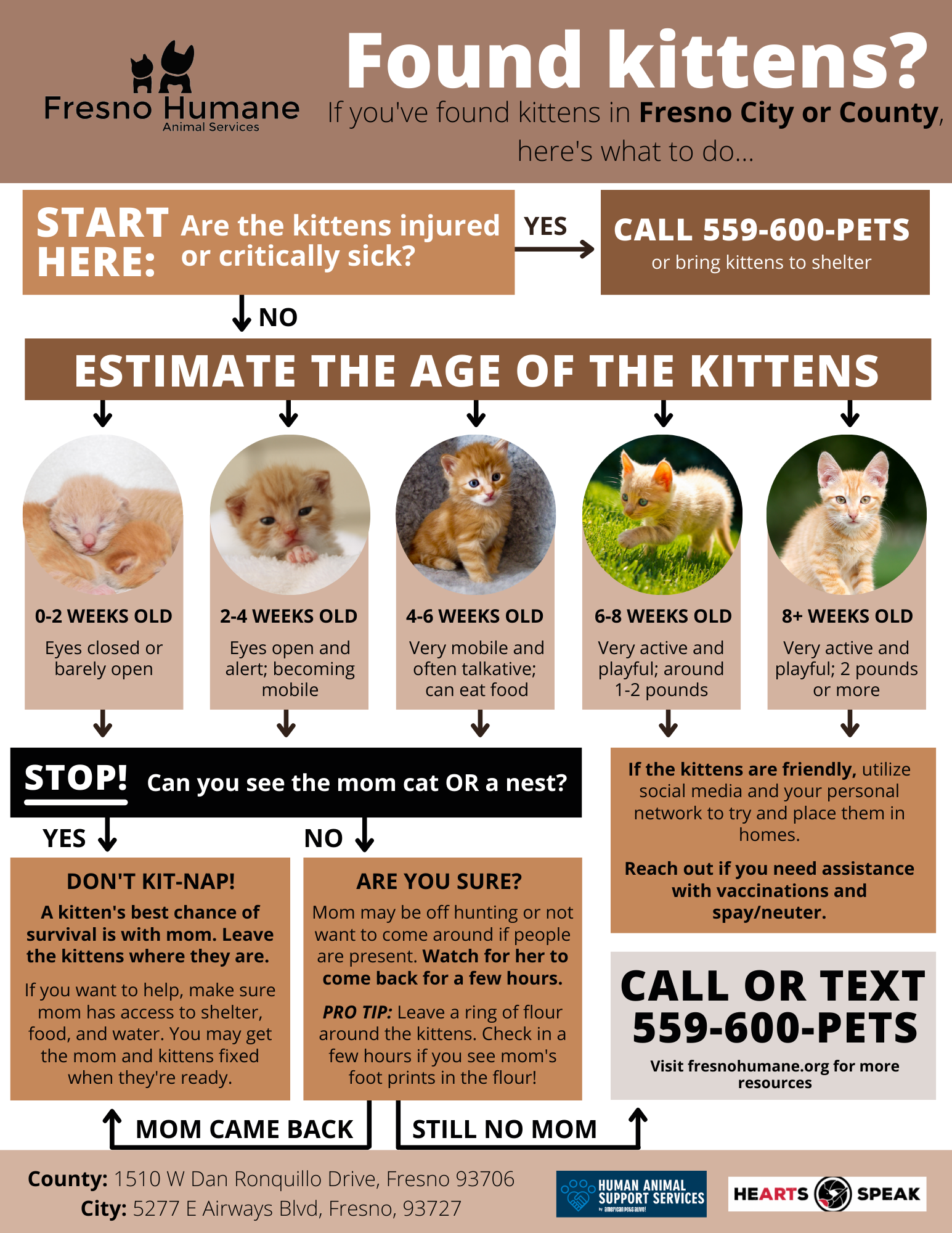
Credit: www.fresnohumane.org
Litter Training Tips
Teaching a 4-week-old kitten to use the litter box is important for good habits. Early training helps kittens learn quickly and avoid messes. Patience and the right tools make this process easier for both you and the kitten.
Choosing The Right Litter
Select litter that is soft and gentle on tiny paws. Avoid clumping litter at this age; it can harm kittens if ingested. Use unscented, natural litter to prevent irritation. A shallow box helps the kitten easily step inside and out. Keep the litter box clean and fresh to encourage use.
Training Techniques
Place the kitten in the litter box after meals and naps. Gently scratch the litter with their paws to show what to do. Praise the kitten softly when they use the box correctly. Clean accidents quickly with odor remover to prevent repeat spots. Consistency is key; frequent visits to the box help build habit.
Grooming Needs
Taking care of a 4-week-old kitten includes attention to grooming. Grooming helps keep the kitten clean and healthy. It also builds trust and comfort between you and your pet. At this age, grooming routines are simple but important. Gentle care prepares your kitten for future grooming habits.
Brushing And Bathing
Brush your kitten gently with a soft brush. This removes loose fur and dirt. Brushing also helps prevent mats in the fur. At 4 weeks, bathing should be rare and only if very dirty. Use a warm, damp cloth for cleaning small spots. Avoid full baths unless your vet advises it.
Nail Care
Trim your kitten’s nails carefully to avoid scratches. Use small, sharp nail clippers made for kittens. Cut only the sharp tips, not the pink part inside. If unsure, ask your vet for guidance. Regular nail care prevents damage to furniture and skin. It also keeps your kitten comfortable while walking and playing.

Credit: www.reddit.com
Frequently Asked Questions
How Often Should I Feed A 4 Week Old Kitten?
Feed a 4 week old kitten every 4 to 6 hours. Use kitten formula or wet kitten food for proper nutrition. Avoid cow’s milk as it can upset their stomach. Small, frequent meals support healthy growth and energy levels at this stage.
When Can A 4 Week Old Kitten Start Eating Solid Food?
Begin introducing solid food at 4 weeks old by mixing wet kitten food with formula. Gradually increase solid food while reducing milk intake. This transition helps develop their chewing skills and digestive system safely and comfortably.
How Do I Keep A 4 Week Old Kitten Warm?
Keep a 4 week old kitten warm using a heating pad or warm blankets. Ensure the heat source is gentle and covered to prevent burns. Maintaining a cozy environment supports their body temperature regulation and overall health.
Should I Stimulate A 4 Week Old Kitten To Use The Litter Box?
Yes, gently stimulate a 4 week old kitten to use the litter box after feeding. Use a shallow, low-sided box with non-clumping litter. This encourages good bathroom habits and independence early on.
Conclusion
Caring for a 4-week-old kitten takes time and patience. Keep feeding, warming, and cleaning your kitten daily. Watch for any signs of illness and stay gentle. Play and love help your kitten grow happy and strong. Enjoy these special early weeks—they pass quickly.
Your care now builds a healthy, trusting cat later. Small steps make a big difference in kitten care. Stay consistent and enjoy your new furry friend’s company.