
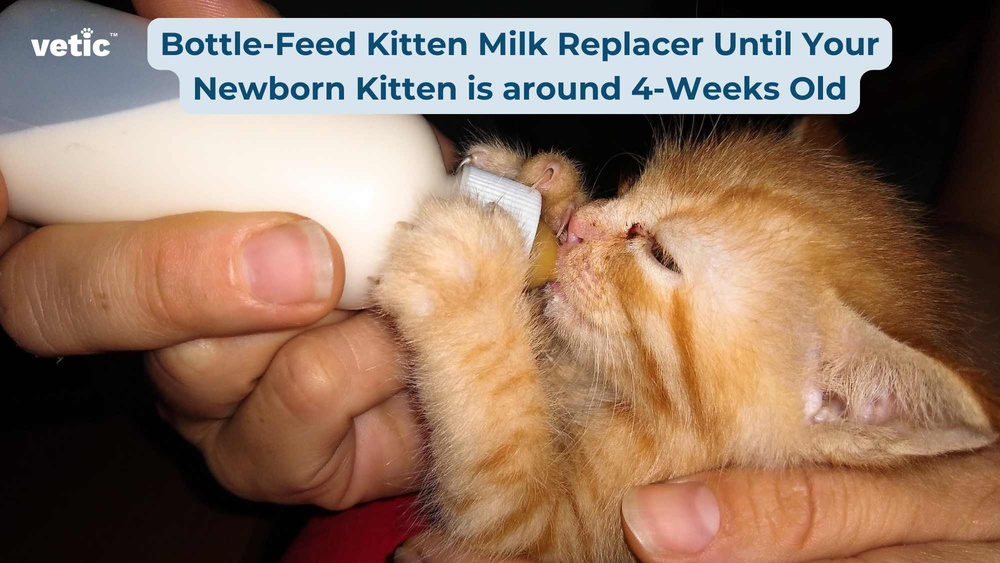
Bringing a newborn kitten into your life is a special experience filled with joy and responsibility. But caring for such a tiny, fragile creature can feel overwhelming if you’re not sure where to start.
You want to give your kitten the best chance to grow healthy and strong, and that means learning how to meet their unique needs right from the very beginning. In this guide, you’ll discover simple, essential steps to care for your newborn kitten with confidence.
Keep reading to ensure you’re doing everything possible to keep your little furry friend safe, happy, and thriving.
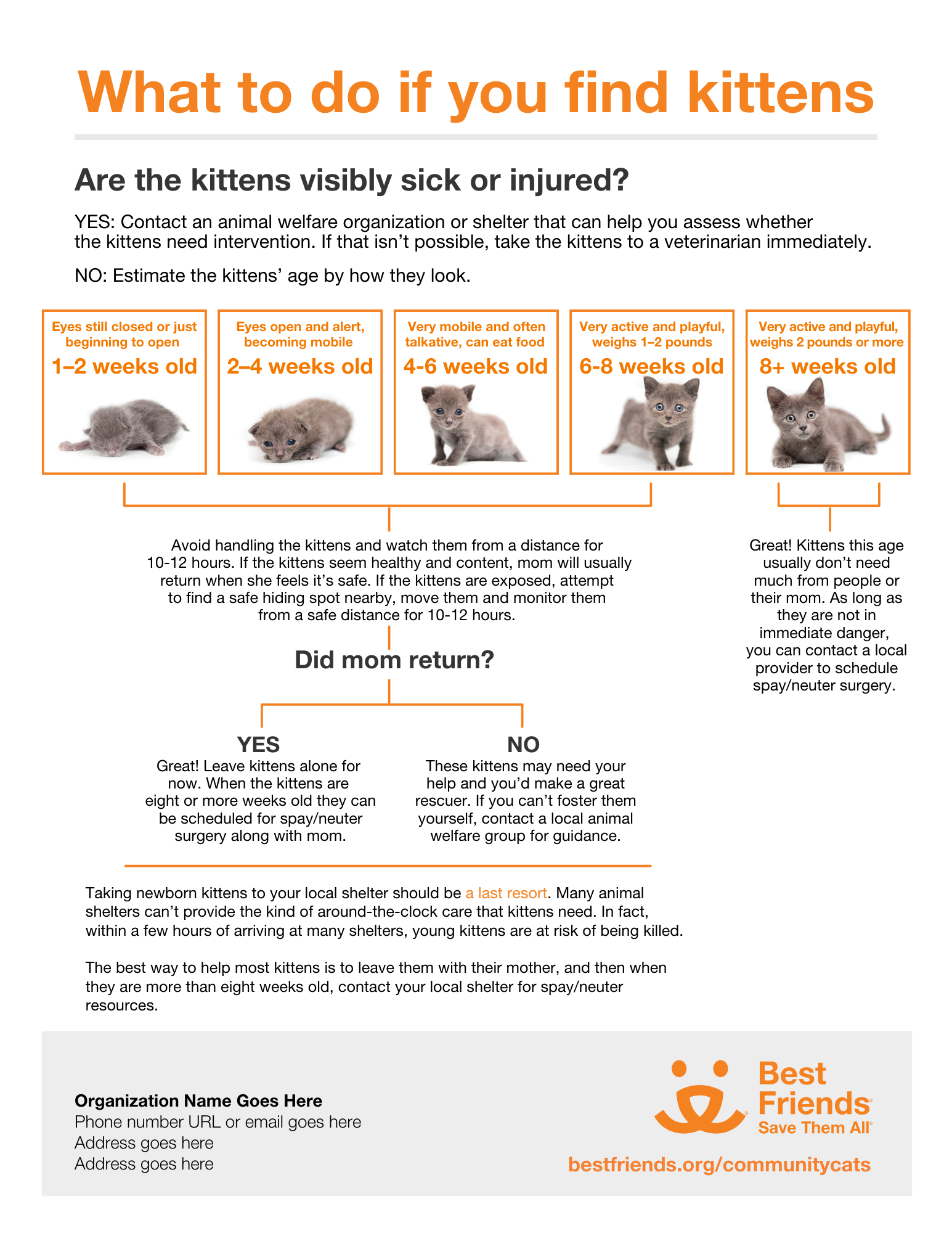
Credit: bestfriends.org
Preparing For The Kitten
Preparing for a new kitten is important for their health and happiness. A safe and comfortable space helps them feel at home. You also need the right supplies to care for them well. Choosing proper food supports their growth and energy. This guide covers the key steps to prepare for your newborn kitten.
Setting Up A Safe Space
Choose a quiet room for the kitten to stay in. Remove any harmful objects or small items they could swallow. Provide a soft bed or blanket to keep them warm. Make sure the area is free from drafts and loud noises. A calm, secure place helps the kitten settle quickly.
Gathering Necessary Supplies
Collect all essential items before the kitten arrives. Get a litter box with low sides for easy access. Pick a few small, safe toys for playtime. Have food and water bowls that are shallow and easy to clean. Prepare grooming tools like a soft brush for their fur.
Choosing The Right Food
Select food made specifically for kittens. These have the nutrients needed for healthy growth. Start with wet food or kitten formula if the kitten is very young. Gradually introduce dry kitten food as they get older. Always provide fresh water in a clean bowl.
Feeding Newborn Kittens
Feeding newborn kittens is a delicate task that needs careful attention. Newborns cannot eat solid food and depend fully on milk for growth. Proper feeding ensures they get the right nutrition for healthy development.
Newborn kittens usually nurse from their mother. If the mother is absent, bottle feeding is necessary. Feeding must be gentle and regular to mimic natural nursing. Understanding how to feed and when to feed helps keep kittens strong and healthy.
Bottle Feeding Techniques
Use a small, kitten-sized bottle with a soft nipple. Warm the kitten formula to body temperature before feeding. Hold the kitten in a natural, belly-down position. Never feed a kitten on its back to avoid choking. Let the kitten suckle at its own pace. Avoid forcing the bottle into the mouth. Clean the bottle and nipple after every feeding to prevent infection.
Feeding Schedule
Feed newborn kittens every two to three hours. Night feedings are important during the first week. As kittens grow, increase the time between feedings. By four weeks, feedings can reduce to four times a day. Watch their hunger cues to adjust feeding times. Consistency in feeding times helps kittens feel secure.
Signs Of Proper Nutrition
Healthy kittens gain weight steadily each day. They sleep well and are active when awake. Their bellies should feel full but not bloated. Bright eyes and clean fur show good health. Kittens with regular bowel movements are well-nourished. If a kitten seems weak or refuses to eat, seek advice from a vet.
Keeping Kittens Warm
Newborn kittens cannot keep their body heat well. They need extra warmth to stay healthy and grow strong. Keeping kittens warm helps prevent illness and keeps them comfortable. Provide a cozy, safe space that mimics their mother’s warmth.
Ideal Temperature Settings
Keep the kitten area between 85°F and 90°F (29°C to 32°C) for the first week. Lower the temperature gradually as they grow older. By four weeks, 75°F to 80°F (24°C to 27°C) is good. Use a room thermometer to check the heat regularly.
Using Heating Pads Safely
Use heating pads made for pets or low-wattage models. Place a towel or blanket between the pad and kittens to avoid burns. Turn off the heating pad when unsupervised. Always check that the pad is warm, not hot, before placing kittens on it.
Monitoring Body Temperature
Check kittens’ body temperature regularly with a soft thermometer. Normal body temperature is about 99°F to 102°F (37°C to 39°C). Cold ears or paws mean kittens are too cold. Warm them gently and adjust the heat source as needed.
Hygiene And Cleaning
Keeping a newborn kitten clean is very important for its health. Newborn kittens cannot clean themselves well. They need help from their caretaker to stay healthy. Good hygiene lowers the risk of infections and keeps the kitten comfortable. Cleaning and care should be gentle and consistent.
Cleaning The Nest Area
The nest must stay dry and clean. Change bedding often to avoid dirt and germs. Use soft cloths or towels for bedding. Remove any wet or soiled materials right away. Keep the area warm but well-ventilated. A clean nest helps the kitten grow strong.
Stimulating Elimination
Newborn kittens cannot pee or poop alone. Use a warm, damp cloth to gently rub their belly and rear. This motion helps them go to the bathroom. Stimulate after each feeding to keep them healthy. Use soft, clean cloths for each kitten to prevent spreading germs.
Bathing Guidelines
Bathing newborn kittens is rarely needed. Only bathe if the kitten is very dirty or has fleas. Use warm water and a mild kitten shampoo. Keep the kitten warm during and after the bath. Dry gently with a soft towel. Avoid cold drafts to prevent chills.
Health Monitoring
Health monitoring is very important for a newborn kitten. Kittens are small and fragile. Their health can change quickly. Watching their health closely helps catch problems early. Early care can save their lives.
Newborn kittens need daily checks. Look for changes in behavior, eating, and breathing. Keep notes on their weight and activity. Healthy kittens gain weight every day. They sleep a lot but should be alert when awake.
Recognizing Illness Symptoms
Signs of illness can be subtle at first. Watch for coughing, sneezing, or runny eyes. Check if the kitten has trouble breathing. A cold nose or weak cry can also mean sickness. Diarrhea or vomiting is a serious sign. Loss of appetite or weak movements need attention. Cold or pale gums show poor circulation. Any of these signs mean the kitten needs care.
When To Contact A Vet
Call the vet if the kitten shows illness signs. Sudden weight loss or no eating for 12 hours is urgent. Breathing problems or constant crying need quick help. If the kitten is weak or not moving, do not wait. A vet can diagnose and treat infections fast. Early treatment avoids serious health issues.
Vaccination And Deworming
Vaccinations protect kittens from common diseases. Start vaccines at about six to eight weeks old. Follow the vet’s schedule for booster shots. Deworming removes harmful parasites that affect health. Kittens need deworming every two weeks until three months old. Healthy kittens grow better and stay active. Always ask the vet for the right vaccines and medicines.
Credit: www.santarosa.fl.gov
Socializing And Development
Socializing and development are key for a newborn kitten’s healthy growth. Early experiences shape their behavior and confidence. Gentle care helps them trust humans and other pets. Play and interaction support their brain and body development. Tracking growth keeps you aware of their progress and health.
Handling Tips
Hold the kitten gently and support its body. Use soft, calm voices to avoid frightening them. Limit handling to short periods at first. Gradually increase time as the kitten gets used to you. Avoid sudden movements or loud noises. Let the kitten explore your hands and fingers. Always wash your hands before and after handling.
Encouraging Play
Offer safe, small toys to stimulate curiosity. Use light, slow movements to catch their attention. Play helps kittens learn to hunt and pounce. Avoid using your hands as toys to prevent biting habits. Short play sessions multiple times a day work best. Rotate toys to keep the kitten interested and active. Play also strengthens the bond between you and the kitten.
Tracking Growth Milestones
Monitor weight weekly to ensure steady gain. Watch for opening eyes and ears around two weeks. Notice when the kitten starts crawling and walking. Check for teeth development by three weeks. Observe social skills as they begin interacting with littermates. Record changes in behavior and mobility. Contact a vet if milestones are missed or delayed.

Credit: www.acvhweb.com
Frequently Asked Questions
How Often Should I Feed A Newborn Kitten?
Newborn kittens need feeding every 2-3 hours, including overnight. Use kitten formula, not cow’s milk, for proper nutrition. Feeding frequency decreases as they grow older and start eating solid food.
How Do I Keep A Newborn Kitten Warm?
Maintain a warm environment around 85-90°F (29-32°C) for newborn kittens. Use heating pads or warm blankets, but avoid direct heat contact. Proper warmth supports digestion and overall health in young kittens.
When Should A Newborn Kitten Start Litter Training?
Begin litter training when kittens are about 3-4 weeks old. Use a shallow litter box with non-clumping litter. Gently place them in the box after meals to encourage use and build good habits.
What Signs Indicate A Kitten Needs Veterinary Care?
Watch for lethargy, refusal to eat, diarrhea, or breathing issues. These signs require immediate veterinary attention. Early care prevents complications and ensures the kitten’s healthy growth and survival.
Conclusion
Caring for a newborn kitten needs patience and love. Keep the kitten warm and feed it often. Watch for signs of illness and act quickly. Provide a clean, safe space to grow. Spend time gently handling the kitten every day.
These steps help your kitten stay healthy and happy. Small efforts make a big difference in their early life. Enjoy the special moments with your new furry friend.