
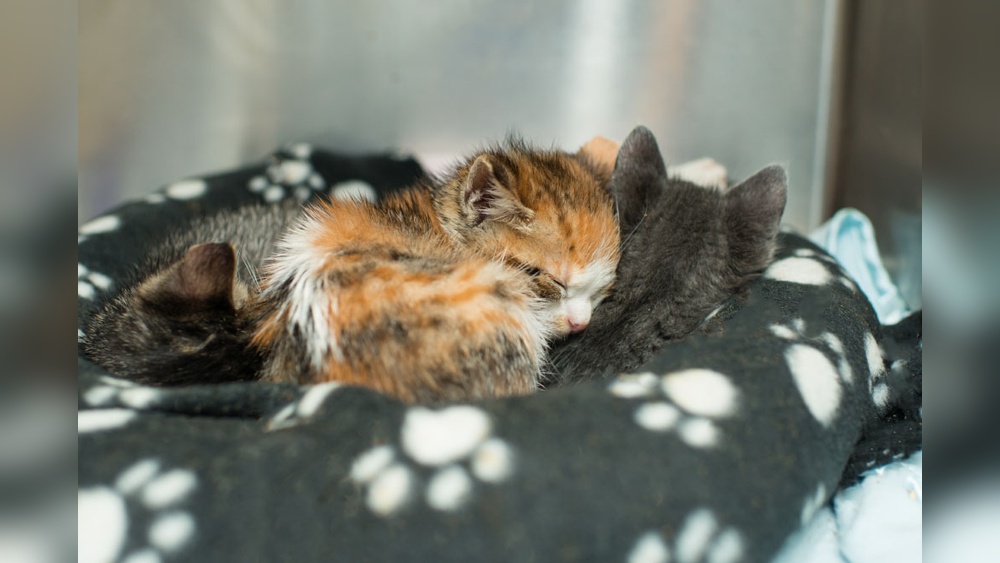
Finding a tiny, orphaned kitten can be both heartwarming and overwhelming. You want to give this fragile little life the best start, but you might not know where to begin.
How do you feed it, keep it warm, or help it grow strong? Taking care of a newborn orphaned kitten is a big responsibility, but with the right steps, you can make a huge difference. Keep reading, and you’ll learn exactly what your kitten needs to thrive in those crucial first weeks.
Your care could save a life.
Credit: www.riverstonevetgroup.com
Preparing For The Kitten
Preparing for a newborn orphaned kitten takes careful planning and care. The kitten needs a warm, safe place to grow and rest. Supplies must be ready before the kitten arrives. This helps provide the best care from day one.
Setting Up A Safe Space
Choose a quiet, warm area in your home. Avoid places with loud noise or heavy foot traffic. A small room or a corner with soft bedding works well. Use a box or pet carrier lined with blankets. Keep the space free from drafts and cold air. The kitten cannot regulate its body temperature yet. This space should be clean and comfortable at all times.
Gathering Necessary Supplies
Get kitten formula, feeding bottles, and warm towels. Avoid cow’s milk; it can upset their stomach. Use special kitten formula from pet stores. Have a heating pad or hot water bottle wrapped in a cloth. This keeps the kitten warm without direct heat. Keep cotton balls and a syringe for cleaning and feeding. Prepare a small litter box with non-clumping litter for later use. These supplies help care for the kitten safely and easily.

Credit: bestfriends.org
Feeding The Kitten
Feeding a newborn orphaned kitten is one of the most important tasks you will face. These tiny kittens cannot eat solid food yet. They need special care and the right nutrition to grow healthy. Proper feeding helps them gain strength and stay alive. It requires patience and attention to detail. Understanding how to feed the kitten well will make the process easier and safer for both of you.
Choosing The Right Formula
Never feed cow’s milk to a kitten. It can cause stomach upset and diarrhea. Use a kitten milk replacement formula. These formulas have the right nutrients kittens need. You can find them at pet stores or from a vet. Avoid homemade formulas unless guided by a vet. Always check the expiration date on the package. Prepare the formula fresh each time you feed the kitten.
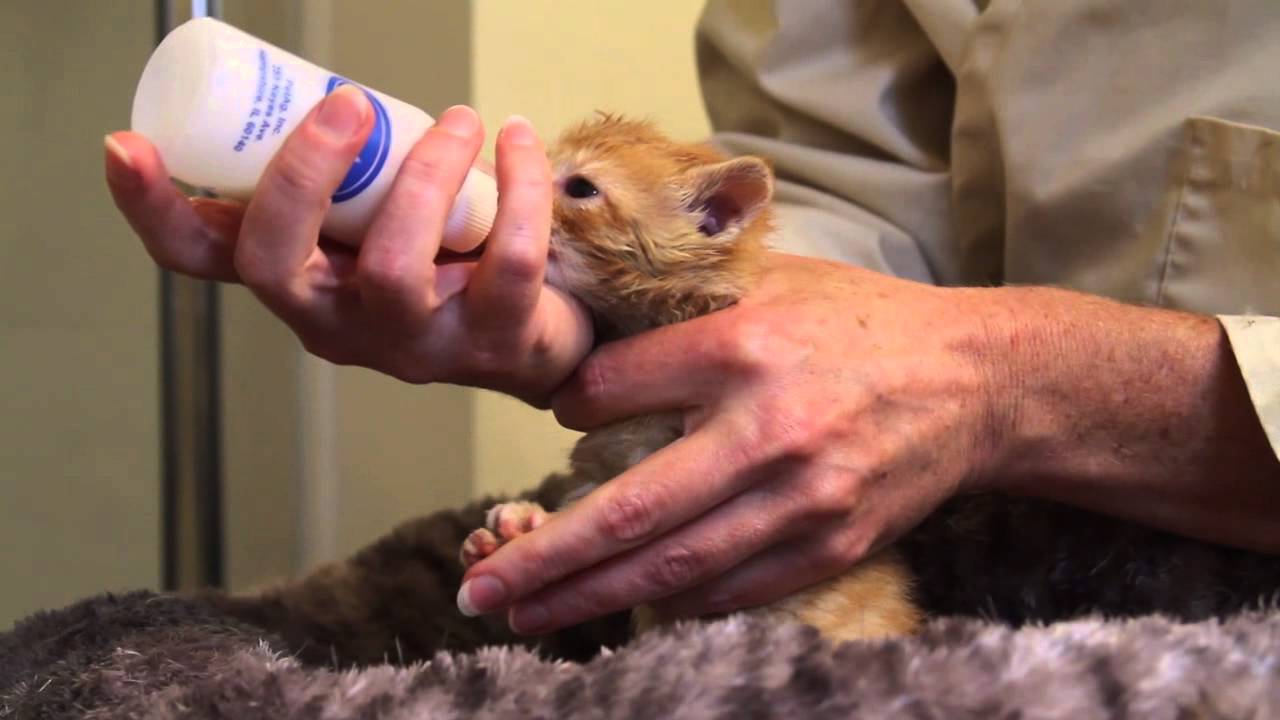
Bottle Feeding Techniques
Use a small kitten feeding bottle or syringe. Warm the formula to about body temperature. Test a few drops on your wrist first. Hold the kitten gently on its stomach. Keep the head slightly raised, not flat on its back. Let the kitten suckle slowly. Do not squeeze the bottle too hard. This prevents choking or aspiration. Stop feeding if the kitten coughs or struggles.
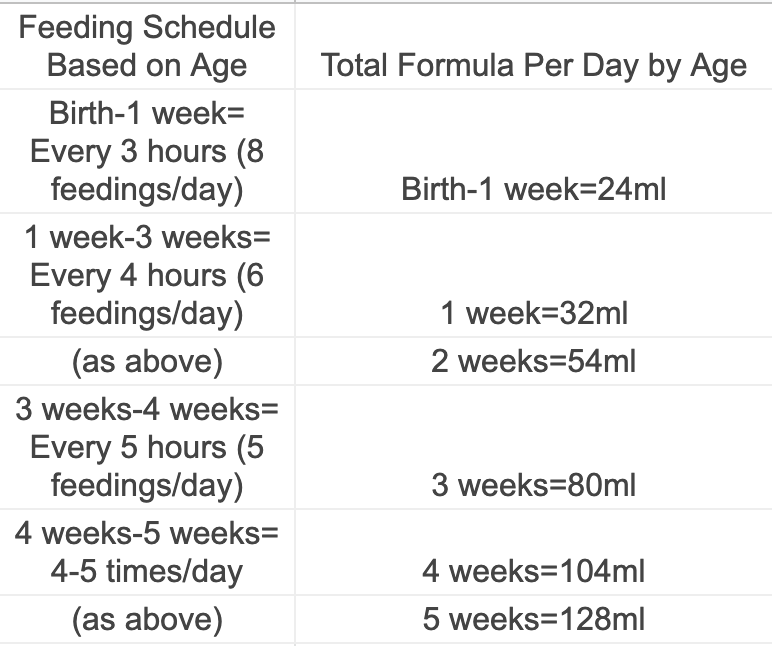
Feeding Schedule And Amounts
Newborn kittens need feeding every 2 to 3 hours. This includes nighttime feedings. As the kitten grows, space the feedings out slowly. Start with small amounts, about 5 ml per feeding. Increase the amount as the kitten gains weight. Watch the kitten’s hunger cues to adjust feeding. Never overfeed or underfeed. Keeping a feeding log helps track amounts and times.
Keeping The Kitten Warm
Newborn orphaned kittens cannot keep their bodies warm by themselves. They need help to stay cozy and safe. Keeping the kitten warm is very important for its survival. Cold kittens can get sick quickly. Warmth helps their body work well and grow strong.
Ideal Temperature Settings
The best temperature for a newborn kitten is around 85°F to 90°F. This is warm, but not too hot. Keep the temperature steady. Drop below 80°F can make the kitten cold. Above 95°F may cause overheating. Use a thermometer to check the place where the kitten sleeps. Adjust the heat source to keep the right warmth.
Using Heating Pads Safely
Heating pads can help keep a kitten warm. Choose one made for pets or babies. Wrap the heating pad in a soft towel. Never put the kitten directly on the pad. Check the pad’s heat before placing the kitten. Make sure the kitten can move away if it feels too hot. Turn off the heating pad at night or use one with an automatic shutoff. This prevents burns and overheating.
Helping With Elimination
Caring for a newborn orphaned kitten involves many tasks. One important task is helping with elimination. Newborn kittens cannot urinate or defecate on their own. They need gentle stimulation to help their bodies work. This care is crucial for their health and comfort. Without help, they can become sick quickly.
Stimulating Urination And Defecation
Use a soft, warm cloth or cotton ball to gently rub the kitten’s genital area. This action mimics a mother cat’s licking. Rub in small, circular motions. Do this after every feeding. Usually, kittens urinate and defecate within a minute or two. Be patient and gentle to avoid hurting the kitten. Keep the cloth warm but not hot.
Cleaning Techniques
After the kitten eliminates, clean the area carefully. Use a damp, warm cloth to wipe away any waste. Avoid harsh soaps or chemicals. Pat the skin dry with a soft towel. Keeping the kitten clean prevents infections. Change the cloth frequently to keep it sanitary. Always wash your hands before and after handling the kitten.
Monitoring Health
Monitoring the health of a newborn orphaned kitten is crucial. These tiny creatures need constant care to grow strong. Watching for changes helps catch problems early. Early action can save their life. Pay close attention to their behavior and body.
Common Warning Signs
Look for signs like weak movements or poor feeding. Cold body temperature is a serious concern. Check if the kitten is breathing fast or slow. Watery or sticky eyes show infection. Diarrhea or vomiting can cause dehydration. A bloated belly might mean digestion issues. Limp or unresponsive kittens need help fast. Any unusual noise or silence can signal distress.
When To Visit A Veterinarian
Take the kitten to a vet if you notice warning signs. Seek help if feeding stops or weight drops. Breathing problems require immediate medical attention. If the kitten is very weak or has a fever, visit a vet. Persistent diarrhea or vomiting also needs care. Regular check-ups help track growth and prevent illness. Early vet visits improve recovery chances.
Socializing And Comforting
Socializing and comforting a newborn orphaned kitten is vital for its growth and happiness. These tiny creatures need warmth, love, and gentle care. They learn trust through soft touches and calm voices. Comfort helps them feel safe in a new world. Socializing early shapes a friendly and confident cat.
Handling And Bonding Tips
Hold the kitten gently but firmly. Use slow, soft movements to avoid scaring it. Speak softly to build trust. Pet the kitten in small strokes along its back and head. Spend quiet time near the kitten to help it feel calm. Always support its tiny body when lifting. Regular handling helps the kitten grow used to human touch.
Encouraging Play And Development
Introduce small, soft toys for the kitten to bat and chase. Play stimulates the kitten’s mind and body. Use gentle motions to mimic prey, inviting the kitten to pounce. Short play sessions avoid tiring the kitten. Offer safe spaces to explore. Playtime builds strength, coordination, and social skills. It also forms a happy bond between you and the kitten.
Preparing For Weaning
Preparing a newborn orphaned kitten for weaning is a critical step in its growth. This stage marks the move from milk to solid food. The process needs patience and care. Proper weaning helps the kitten gain strength and become independent.
Start the weaning process when the kitten is about four weeks old. At this time, the kitten’s teeth begin to grow. It also becomes curious about new tastes and textures. Careful introduction to solid food supports healthy development.
Introducing Solid Foods
Choose soft, easy-to-digest foods for the first solids. Wet kitten food or moistened dry food works well. Mix the food with kitten formula to create a mushy texture. Offer small amounts on a shallow dish. Let the kitten explore the food with its tongue. Some kittens may need encouragement to try the new food.
Serve the food several times a day. Watch for signs of interest or refusal. Do not force the kitten to eat. Patience is key during this stage. Gradually reduce the amount of formula mixed in the food. This helps the kitten adjust to solid meals.
Transitioning From Bottle To Bowl
The transition from bottle feeding to bowl feeding takes time. Begin by offering the kitten food in a shallow bowl. Keep bottle feedings available until the kitten eats well from the bowl. Observe how the kitten licks and nibbles the food. Some may prefer to lap rather than chew at first.
Encourage the kitten by placing food near its mouth. Gently guide the kitten’s head toward the bowl. Maintain a calm and quiet environment during feeding. This reduces stress and distractions. Slowly decrease bottle feedings over one to two weeks. This helps the kitten fully switch to eating from a bowl.
Credit: www.youtube.com
Frequently Asked Questions
How Do I Feed A Newborn Orphaned Kitten?
Feed the kitten with a kitten milk replacer using a bottle. Avoid cow’s milk as it can cause digestive issues. Warm the milk to body temperature before feeding. Feed every 2-3 hours, including nighttime. Follow the feeding guidelines based on the kitten’s age and weight.
How To Keep A Newborn Orphaned Kitten Warm?
Use a heating pad or warm water bottle wrapped in a towel. Maintain the temperature around 85-90°F (29-32°C) during the first week. Keep the kitten’s bedding cozy and dry. Avoid direct heat contact to prevent burns. Warmth is essential for their survival and growth.
How To Stimulate A Newborn Kitten To Urinate And Defecate?
Gently rub the kitten’s genital and anal area with a warm, damp cloth. Do this after every feeding to mimic the mother’s grooming. This helps the kitten eliminate waste. Continue until the kitten can go on its own, usually after 3-4 weeks.
When Should I Take A Newborn Orphaned Kitten To The Vet?
Take the kitten to a vet within the first 24-48 hours. Early checkups help detect health issues like infections or dehydration. The vet can also advise on vaccinations and deworming schedules. Prompt veterinary care increases the kitten’s chances of survival.
Conclusion
Caring for a newborn orphaned kitten takes time and patience. Feeding, warmth, and cleanliness matter most. Watch the kitten closely for signs of illness. Keep a steady routine for feeding and sleeping. Every small effort helps the kitten grow strong.
Love and care create a safe, healthy start. Remember, you make a big difference in its life. Stay calm and enjoy the journey of care.