
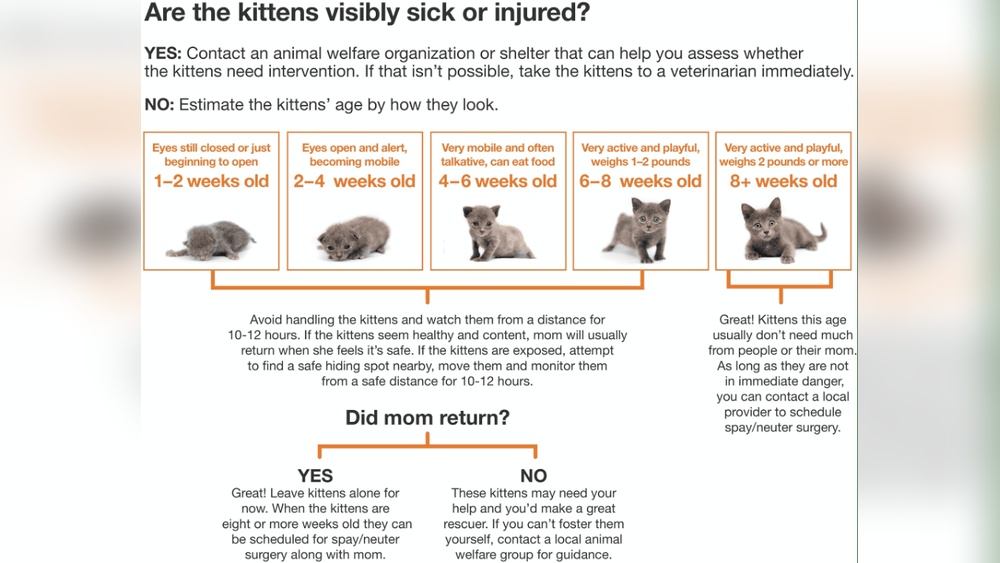
Bringing a baby kitten into your home is an exciting and joyful experience. But it also comes with important responsibilities that can feel overwhelming at times.
You want to make sure your tiny new friend grows up healthy, happy, and safe. That’s why knowing exactly how to take care of your baby kitten is so important. In this guide, you’ll discover simple, practical tips that anyone can follow—even if you’re a first-time cat parent.
Keep reading, and you’ll learn how to give your kitten the best start in life, building a bond that will last for years to come.
Preparing For Your Kitten’s Arrival
Bringing a baby kitten home is exciting and needs careful planning. Preparing your space and gathering supplies helps your kitten feel safe. It also makes your life easier. Start early to avoid last-minute stress. A calm, ready environment helps your kitten settle quickly.
Kitten-proofing Your Home
Check your home for hazards. Kittens love to explore and can get into trouble. Hide electrical cords and remove small objects that kittens can swallow. Keep toxic plants and chemicals out of reach. Secure windows and balconies to prevent falls. Cover sharp corners and block tight spaces where a kitten might get stuck. Make sure your home is safe for curious paws.
Gathering Necessary Supplies
Prepare all essentials before your kitten arrives. Get a small litter box and kitten-friendly litter. Buy soft bedding to create a warm spot for rest. Choose food and water bowls that are easy to clean. Pick age-appropriate kitten food to support growth. Include toys to keep your kitten active and happy. Having everything ready helps your kitten adjust comfortably.

Credit: www.weruva.com
Feeding Your Baby Kitten
Feeding your baby kitten is very important for its growth and health. Baby kittens need special care in food choice and feeding times. Proper feeding helps build strong bones and a healthy immune system. It also supports their energy needs as they start to explore the world.
Choosing The Right Food
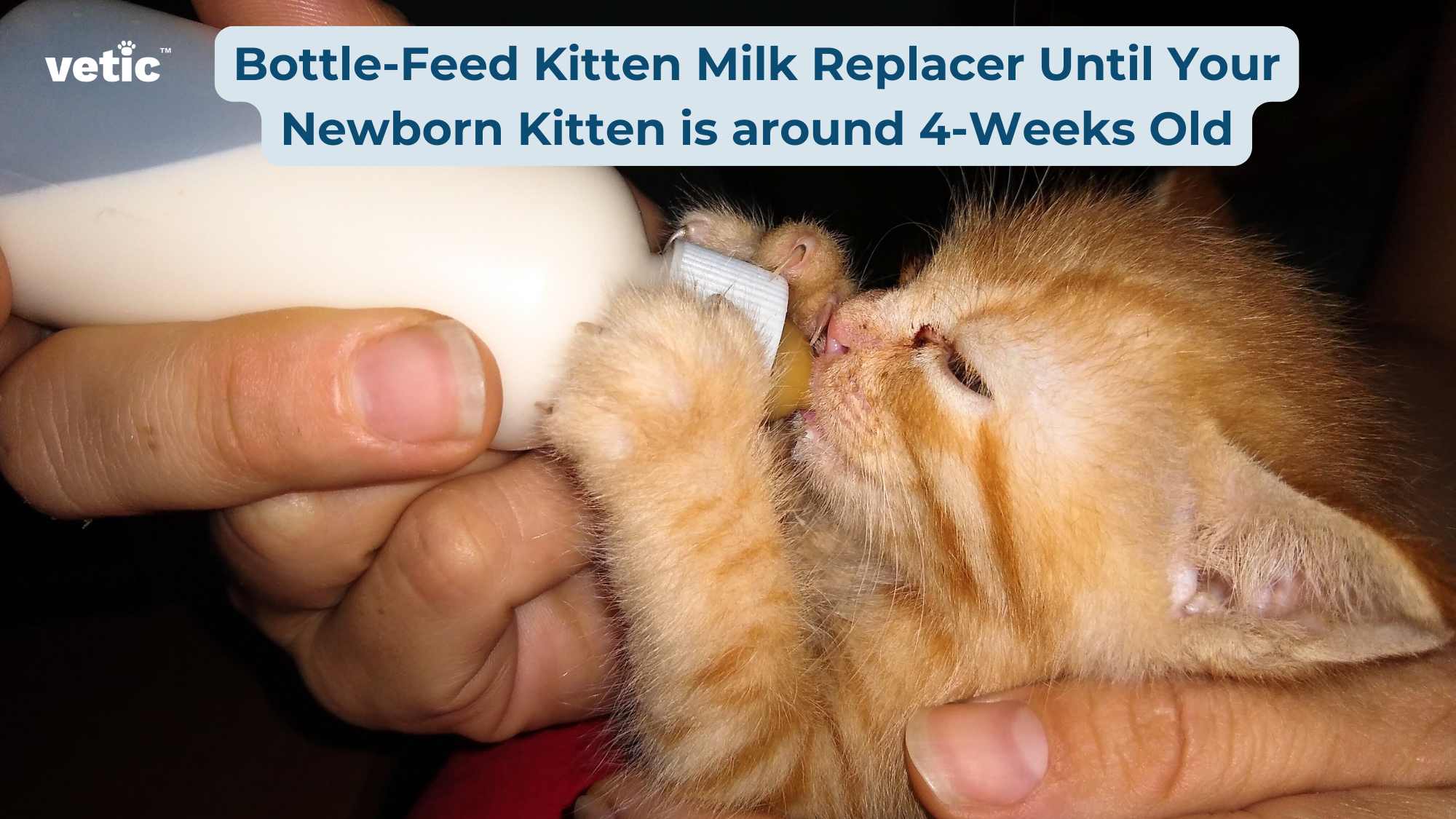
Baby kittens need food rich in nutrients and easy to digest. Kitten milk replacer is best for newborns under four weeks old. Avoid cow’s milk; it can upset their stomach. After four weeks, start introducing soft, wet kitten food. Look for products labeled for kittens. These have the right balance of proteins and fats.
Feeding Schedule And Portions
Newborn kittens require feeding every two to three hours. As they grow, feedings can reduce to four times a day. Keep portions small but frequent. Overfeeding can cause stomach issues. Watch your kitten’s weight and energy. Adjust food amounts based on their growth and activity.
Bottle Feeding Tips
Use a small kitten feeding bottle for newborns. Warm the milk replacer to body temperature before feeding. Hold the kitten gently and let it suck the bottle nipple. Never force the milk; it could cause choking. Clean the bottle and nipple after each use. Always feed in a calm and quiet place to help your kitten relax.
Creating A Safe Sleeping Area
Creating a safe sleeping area is very important for your baby kitten’s health and comfort. A kitten needs a quiet and secure place to rest. This helps them feel calm and protected during sleep. A good sleeping spot supports their growth and keeps them happy.
Selecting A Cozy Bed
Choose a bed that is soft and small enough for your kitten. It should have gentle padding to protect their tiny body. Pick materials that are easy to clean and gentle on their skin. Avoid beds with loose threads or sharp edges. A cozy bed invites your kitten to relax and sleep well.
Maintaining A Comfortable Temperature
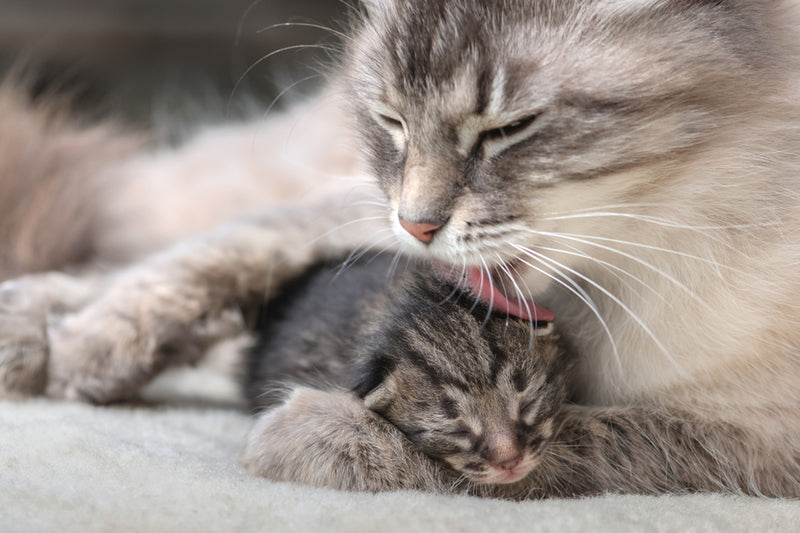
Kittens cannot control their body temperature well. Keep their sleeping area warm but not hot. Use blankets or a soft heating pad made for pets. Check the temperature often to avoid overheating. A warm space helps your kitten feel safe and prevents chills.
Credit: khpet.com
Health Care Essentials
Taking care of a baby kitten’s health is very important. Good health care helps kittens grow strong and happy. It also protects them from many illnesses. Knowing the basic health care steps makes kitten care easier and safer.
Early health care builds a strong start for your kitten’s life. Simple steps like vaccinations, deworming, and watching for sickness keep your kitten safe. These actions help avoid serious health problems later on.
Vaccination Schedule
Vaccinations protect kittens from many common diseases. Start vaccinations at six to eight weeks old. Core vaccines include those against feline distemper and respiratory infections. Follow the vet’s advice for booster shots every few weeks. Keep a record of all vaccinations for future reference.
Deworming And Flea Control
Kittens often carry worms and fleas that harm their health. Deworming should begin at two weeks old and repeat every two weeks until three months. Use vet-recommended flea treatments safe for kittens. Regular checks and treatments prevent infestations and discomfort.
Recognizing Signs Of Illness
Early illness signs help catch problems before they get worse. Watch for changes in appetite, energy, or litter box habits. Sneezing, coughing, or runny eyes may show infection. Seek vet help if your kitten shows these signs. Quick action can save your kitten’s life.
Litter Training Tips
Litter training is an important step in caring for your baby kitten. It helps keep your home clean and your kitten happy. Teaching your kitten to use the litter box takes patience and some smart choices. The right tools and methods make the process smooth and stress-free. Below are key tips to guide you through litter training.
Choosing The Right Litter Box
Select a litter box that suits your kitten’s size. Small boxes with low sides work best for young kittens. Avoid high-sided boxes that can be hard to enter. Make sure the box is stable and will not tip over easily. Place the box in a quiet, accessible spot away from noisy areas. Choose a box without a cover at first; kittens feel safer with open access.
Encouraging Good Habits
Socializing Your Kitten
Socializing your kitten is key to raising a happy and confident cat. Early social experiences help your kitten feel safe around people and other animals. Proper socialization reduces fear and aggression later in life. Start this process gently and patiently. Your kitten learns best through positive interactions and calm handling.
Handling And Playtime
Hold your kitten often but gently. Let them get used to your touch on paws, ears, and tail. Use soft voices during handling to build trust. Playtime helps your kitten burn energy and bond with you. Use small toys to encourage chasing and pouncing. Avoid rough play that may scare or hurt your kitten. Short, fun sessions work best for their attention span.
Introducing To Other Pets
Introduce your kitten to other pets slowly. Keep the first meetings short and calm. Use a barrier like a baby gate for safety at first. Let them sniff and observe each other from a distance. Watch their body language closely for signs of stress. Gradually increase their time together as they grow comfortable. Always supervise their interactions until you trust them completely.
Grooming Basics
Grooming your baby kitten is important for their health and happiness. It helps keep their fur clean and free of tangles. Grooming also builds trust and strengthens your bond. Start early to make the process easy and fun for both of you.
Brushing Techniques
Use a soft brush made for kittens. Brush gently in the direction of the fur. Short sessions work best to avoid stress. Focus on areas where knots form, like behind ears. Regular brushing reduces shedding and prevents hairballs.
Bathing Guidelines
Kittens need baths only if very dirty. Use warm water and kitten-safe shampoo. Keep water shallow and avoid their face. Rinse thoroughly to remove all soap. Dry with a soft towel and keep them warm after.
Nail Trimming
Trim kitten nails carefully every one to two weeks. Use special nail clippers for pets. Hold their paw gently and press to extend the nail. Cut only the sharp tip, avoiding the pink part. Praise your kitten to make it pleasant.
Credit: peaceschoolvengara.com
Safety Precautions
Keeping your baby kitten safe is a top priority. Young kittens are curious and may get into trouble easily. Taking the right safety steps helps prevent accidents and keeps your kitten healthy. This section covers important safety tips every kitten owner should know.
Avoiding Common Hazards
Keep small objects out of reach to stop choking risks. Kittens love to chew on cords, so hide or cover electrical wires. Avoid toxic plants and foods around your kitten. Household cleaners and chemicals must be stored securely. Check for sharp edges or small spaces where your kitten could get stuck. Always supervise your kitten during playtime to prevent injuries.
Emergency Preparedness
Have a first aid kit ready for your kitten. Include items like bandages, antiseptic wipes, and tweezers. Know the contact details of your nearest emergency vet. Learn basic kitten first aid, such as how to stop bleeding or clear airways. Keep calm during emergencies to help your kitten better. Quick action can save your kitten’s life.
Frequently Asked Questions
How Often Should I Feed A Baby Kitten?
Feed your baby kitten every 2-3 hours during the first few weeks. Use kitten formula, not cow’s milk. Gradually increase feeding intervals as they grow and start eating solid food after 4 weeks.
When Can A Kitten Start Eating Solid Food?
Kittens can begin solid food at around 4 weeks old. Start with soft, wet kitten food mixed with formula. Gradually decrease formula as they learn to eat solid food independently.
How Do I Keep A Baby Kitten Warm?
Keep the kitten in a warm, draft-free area. Use a heating pad or warm water bottle wrapped in a towel. Ensure the temperature is comfortable but not too hot to avoid burns.
How To Help A Baby Kitten Use The Litter Box?
Introduce a shallow litter box with non-clumping litter at 3-4 weeks. Gently place the kitten in the box after feeding. Praise and clean accidents promptly to encourage proper litter habits.
Conclusion
Caring for a baby kitten takes patience and love. Feed it well and keep it warm. Play gently to help it grow strong. Watch for signs of illness and visit the vet. Clean its bedding and litter box often. Give your kitten lots of attention and kindness.
These small steps create a happy, healthy pet. Enjoy the special bond you build every day. Taking care of your kitten brings joy and trust. Keep learning and caring, and your kitten will thrive.