
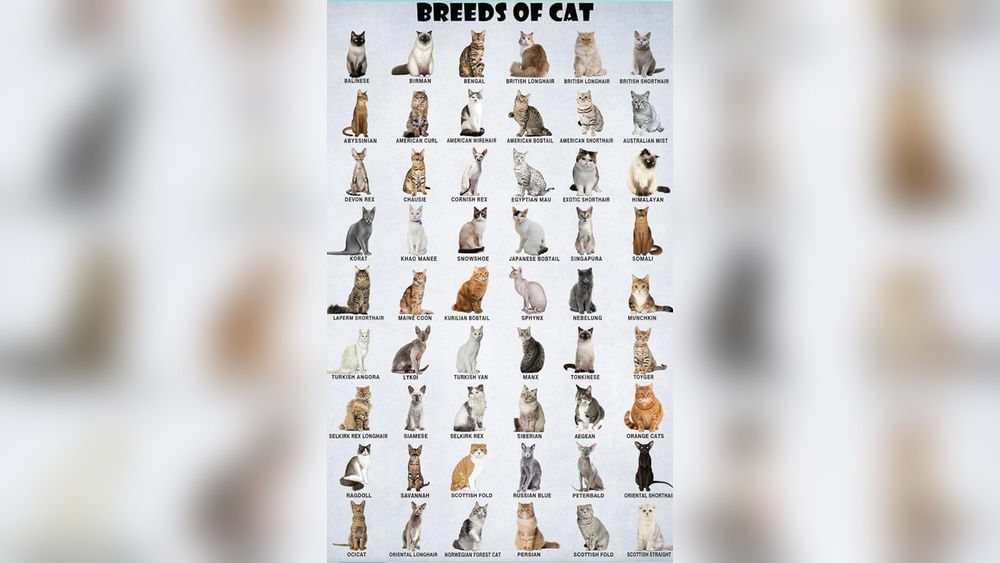
Have you ever looked at a cat and wondered what breed it might be? Knowing how to tell different cat breeds can make your connection with these furry friends even more special.
Whether you’re thinking about adopting a new pet or just curious, recognizing the unique traits of each breed helps you understand their personality and care needs better. You’ll discover simple ways to spot the key features that set one breed apart from another.
By the end, you’ll feel confident identifying your next feline companion with ease. Keep reading to unlock the secrets behind your cat’s unique look!
Recognizing Common Cat Breeds
Recognizing common cat breeds helps you understand your pet better. Each breed has special traits. These traits include looks, patterns, and body shapes. Knowing these can make your bond stronger. It also helps in taking care of your cat properly.
Features Of Popular Breeds
The Siamese cat has a slender body and blue eyes. Maine Coons are large with thick fur and tufted ears. Persian cats have flat faces and long, fluffy coats. These features make each breed stand out. They also hint at their personality and care needs.
Distinctive Coat Patterns
Tabby cats have stripes or spots in different colors. Calico cats show a mix of white, orange, and black patches. Tortoiseshell cats have a blend of black and orange fur. These patterns help identify the breed or mix easily. They add charm and uniqueness to every cat.
Unique Body Shapes
The Sphynx cat is known for its hairless, muscular body. Abyssinians have a slim, athletic build. Scottish Folds have round faces and folded ears. Body shape tells a lot about a cat’s breed. It can also guide you on how active your cat might be.

Credit: www.reddit.com
Identifying Physical Traits
Identifying physical traits helps distinguish cat breeds. These traits include fur, eyes, and ears. Each feature has unique characteristics. Recognizing these makes it easier to tell breeds apart.
Fur Length And Texture
Fur length varies from short to long. Some cats have sleek, smooth coats. Others have fluffy, thick fur. Texture can be soft or coarse. For example, the Persian has long, silky fur. The Siamese has short, fine fur.
Eye Color And Shape
Eye color ranges from blue to green and amber. Shape also differs. Some cats have round eyes. Others have almond-shaped eyes. The Russian Blue often has bright green eyes. The Burmese usually has large, round eyes.
Ear Shape And Size
Ear shapes vary by breed. Some cats have large, pointed ears. Others have small, rounded ears. The Scottish Fold’s ears fold forward. Maine Coons have tall, tufted ears. Ear size and shape help identify the breed quickly.
Behavioral Clues In Breeds
Behavioral clues help identify different cat breeds by showing unique traits. Each breed has distinct habits and personality styles. Observing these behaviors can give hints about their breed background. Behavior offers more than looks alone.
Some breeds are lively and playful. Others prefer calm and quiet times. Recognizing patterns in activity, social habits, and sounds helps tell breeds apart.
Activity Levels
Cat breeds vary in energy. Some, like Bengals, are very active and love to play. They climb and run often. Other breeds, such as Persians, are calm and enjoy resting. Activity level helps spot breed differences quickly. Watch how much a cat moves and plays daily.
Social Tendencies
Different breeds show varying social needs. Siamese cats often seek attention and love being near people. British Shorthairs might be friendly but prefer alone time. Some cats enjoy other pets, while others are more independent. Notice how a cat interacts with family and other animals.
Vocalization Patterns
Some breeds are very vocal. Siamese cats, for example, use loud, frequent meows to communicate. Other breeds, like the Russian Blue, are quieter and speak less. Listening to how often and how loudly a cat vocalizes can reveal its breed traits. Sounds tell much about a cat’s personality.
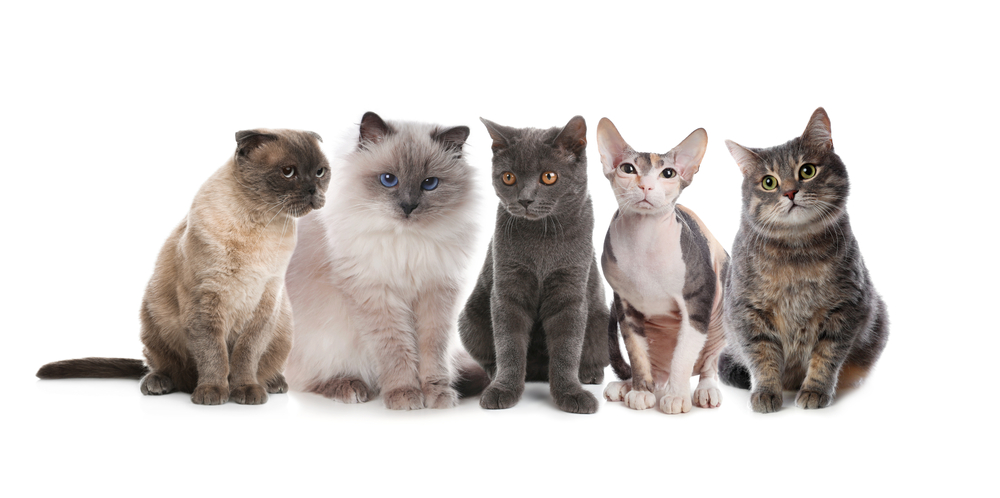
Credit: www.ovrs.com
Using Pedigree And Documentation
Using pedigree and documentation is a reliable way to identify cat breeds. These records provide proof of a cat’s breed history. They show the cat’s ancestors and important breed details.
Pedigree papers help avoid confusion between similar-looking breeds. They also confirm a cat’s purity and lineage. This method supports breed recognition beyond just appearance.
Reading Cat Registries
Cat registries keep official breed records. These organizations track a cat’s parents and ancestors. Each cat has a unique registration number. This number links to detailed breed information.
Check a cat’s registry papers for clear breed identification. They include the cat’s name, breed, and birth date. Some records also note health and show achievements.
Understanding Breed Standards
Breed standards describe ideal traits for each cat breed. They cover size, coat color, eye shape, and body structure. Standards help breeders maintain breed quality.
Compare your cat to these standards to confirm its breed. Official documents often reference these standards. They ensure the cat fits the breed’s accepted traits.
Tools And Resources For Identification
Identifying cat breeds can be tricky. Each breed has unique traits, but some look alike. Using the right tools and resources makes this task easier. These help you learn and compare features clearly. Here are some helpful ways to identify cat breeds.
Apps And Online Databases
Apps designed for cat identification offer quick help. You can upload cat photos for breed suggestions. Some apps use artificial intelligence to analyze patterns and colors.
Online databases list detailed breed descriptions. They include pictures, histories, and typical behaviors. These resources let you compare several breeds side by side. This comparison helps find the closest match to your cat.
Consulting Veterinarians And Experts
Veterinarians know many cat breeds well. They can spot subtle breed traits that apps might miss. Experts such as breeders and cat show judges offer valuable advice too.
Talking to these professionals can clarify your doubts. They provide accurate information based on experience. This personal guidance improves your chances of correct identification.
:max_bytes(150000):strip_icc()/black-white-cat-on-lap-dpddm-JD-913-2000-9ba4ae3a902544d88af9f7ded6d7fe0c.jpg)
Credit: www.dailypaws.com
Tips For Cat Lovers
Identifying different cat breeds can be fun and rewarding. Understanding their features helps you appreciate each cat’s unique traits. These tips make the process simple and enjoyable for every cat lover.
Observing Without Stressing Cats
Watch cats calmly and quietly. Sudden moves or loud noises can scare them. Let cats feel safe before you study their looks. Notice their fur patterns, body size, and ear shape. Take your time. A relaxed cat shows its true colors best.
Recording Your Observations
Write down what you see. Note colors, fur length, eye shape, and tail style. Use a notebook or phone app. Keeping records helps you compare cats later. It makes learning about breeds easier. Pictures can also help with details.
Joining Cat Enthusiast Communities
Talk with other cat lovers online or in clubs. Share your observations and ask questions. These groups often have experts who can help. You learn faster by discussing with others. Plus, it’s fun to meet people who love cats too.
Frequently Asked Questions
How Can I Identify Common Cat Breeds By Appearance?
You can identify cat breeds by their size, fur length, color patterns, and eye shape. Each breed has unique traits. For example, Siamese cats have slender bodies and blue eyes. Maine Coons are large with tufted ears. Observing these features helps in breed identification.
What Are Key Differences Between Long And Short-haired Cats?
Long-haired cats have thick, flowing coats that require regular grooming. Short-haired cats have sleek, easy-care fur. Coat length affects shedding and maintenance. Breed examples include Persians (long-haired) and British Shorthairs (short-haired). Understanding coat types aids in distinguishing breeds effectively.
Which Cat Breeds Have Distinct Personality Traits?
Breed personalities vary; Siamese cats are vocal and social, while Ragdolls are calm and affectionate. Bengals are active and playful. Personality clues, along with physical traits, help in identifying breeds. Knowing breed behaviors improves your understanding of your cat.
Are Coat Color Patterns Reliable For Breed Identification?
Coat colors and patterns offer clues but aren’t solely reliable for breed ID. Some patterns are common across breeds. For example, tabby markings appear in many cats. Combine color with other features like body shape and eye color for accurate identification.
Conclusion
Knowing how to tell different cat breeds helps you understand cats better. Each breed has unique traits and looks. Pay attention to size, coat, and eye color. This makes identifying cats easier and more fun. Enjoy learning about these wonderful animals.
Keep observing and soon you will spot breeds quickly. Cats bring joy in many ways. Knowing their breed adds to that joy.