
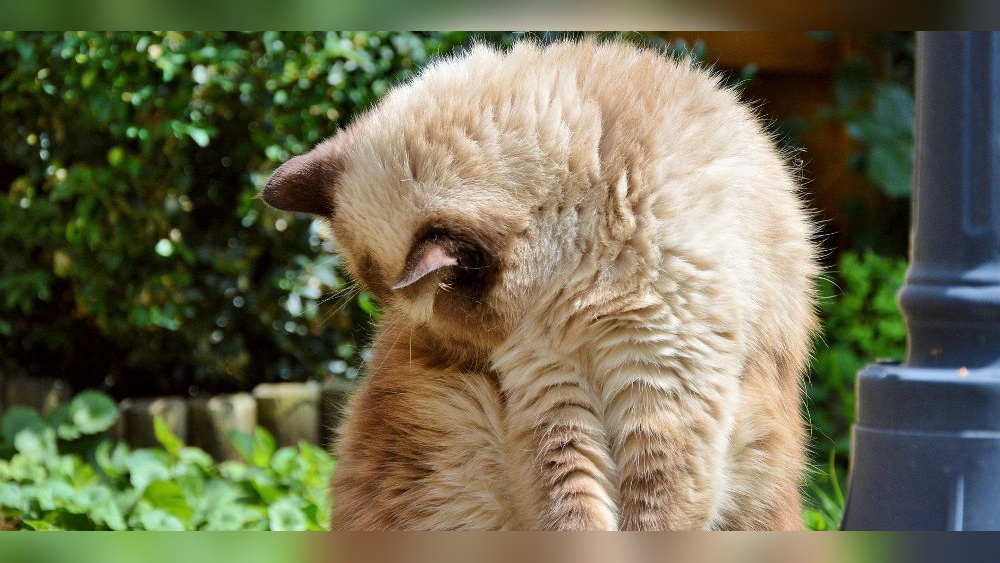
Have you noticed your cat suddenly stopping its usual grooming routine? It might seem like a small change, but it can say a lot about your furry friend’s health and happiness.
When your cat stops grooming itself, it’s often a sign that something isn’t quite right. You want to understand why this is happening and what you can do to help. Keep reading to discover the common reasons behind this behavior and how you can make sure your cat stays comfortable and well cared for.

Credit: www.wikihow.pet
Common Grooming Habits In Cats
Cats spend a lot of time cleaning themselves. Grooming is a natural habit for most cats. It helps them stay clean and healthy. Understanding their grooming habits can explain why a cat might stop grooming.
Knowing what is normal can help you spot any problems early. Cats have unique ways of keeping their fur neat. Watching these patterns can tell you if something is wrong.
Normal Grooming Patterns
Cats usually groom several times a day. They lick their fur with their rough tongues. This removes dirt and loose hair. Grooming also spreads natural oils in their coat. It keeps their skin healthy and fur shiny.
Most cats focus on their face, neck, and front paws first. Then they clean their body and tail. Grooming sessions often last for 15 to 30 minutes. Older cats may groom less often but still keep clean.
Importance Of Self-grooming
Self-grooming helps cats control body temperature. Their fur traps air, which keeps them warm. Grooming also reduces stress and calms them down. It is a way for cats to feel safe and relaxed.
Grooming removes parasites like fleas and ticks. It helps avoid skin infections. A clean coat means better health for your cat. When cats stop grooming, it can mean pain or illness. Watching their grooming habits is key to their care.
Physical Health Issues
Cats usually groom themselves to stay clean and healthy. Stopping this habit can mean a problem. Physical health issues often cause this change. These problems make grooming hard or painful. Understanding these health issues helps you care for your cat better.
Pain And Injuries
Pain from injuries or illness can stop a cat from grooming. Cuts, bruises, or broken bones make it hurt to move. Older cats may have arthritis, causing joint pain. This pain limits their ability to reach certain areas. They avoid grooming because it causes discomfort.
Skin Conditions And Parasites
Skin problems can make grooming difficult or painful. Conditions like allergies, infections, or dry skin cause itching and soreness. Parasites such as fleas or mites irritate the skin. Cats may stop grooming to avoid pain. Or they may groom too much, causing more damage.
Dental Problems
Dental pain can affect grooming habits. Tooth decay, gum disease, or mouth infections cause discomfort. Cats may avoid cleaning their face or head. This pain makes grooming a painful task. Dental issues need quick attention to improve grooming.
Emotional And Behavioral Factors
Cats usually groom themselves to stay clean and healthy. When a cat stops grooming, emotional and behavioral reasons might be the cause. These factors can affect their daily habits and well-being. Understanding these reasons helps in caring for your cat better.
Stress And Anxiety
Stress can make a cat stop grooming. Loud noises, new people, or other pets can cause anxiety. When a cat feels stressed, it may avoid self-care. Grooming is a calming activity, but too much stress can stop this habit.
Depression In Cats
Cats can feel sadness or depression too. Loss of a companion or changes in routine can trigger this. Depressed cats lose interest in grooming and play. They may also sleep more and eat less, showing they need help.
Changes In Environment
Moving to a new home or rearranging furniture can confuse cats. They rely on familiar surroundings to feel safe. Sudden changes may cause them to stop grooming. Giving time and patience helps cats adjust and return to normal habits.
Age-related Changes
As cats grow older, their grooming habits often change. Age can affect their body and mind. These changes can make grooming harder or less frequent.
Older cats may stop grooming themselves as well as before. This can lead to a messy or matted coat. Understanding these changes helps in caring for aging cats better.
Arthritis And Mobility Problems
Arthritis is common in older cats. It causes joint pain and stiffness. Moving becomes difficult, especially reaching certain body parts. Grooming needs flexibility and movement. Pain makes it hard to clean the back and legs. Cats may avoid grooming to reduce discomfort. This can cause fur to become dirty or tangled.
Cognitive Decline
Older cats may suffer from cognitive decline. Their brain functions slow down with age. This affects memory and awareness. Cats might forget to groom or lose interest. They may seem confused or less active. Grooming requires focus and routine. Cognitive decline can disrupt these habits. This leads to less frequent or incomplete grooming.
Environmental And Lifestyle Influences
Cats rely on their environment and daily habits for healthy grooming. Changes in their surroundings or lifestyle can affect their grooming routine. Stress, boredom, or poor diet might cause a cat to stop grooming itself. Understanding these factors helps in caring for your cat better.
Diet And Nutrition
A balanced diet keeps a cat’s skin and fur healthy. Poor nutrition can cause dry skin and dull fur. Cats lacking essential nutrients may feel weak and groom less. Feeding high-quality food supports natural grooming habits. Water intake also plays a role in skin health.
Lack Of Stimulation
Boredom can lead to less grooming. Cats need play and mental activity daily. A dull environment may cause stress or anxiety. These feelings reduce self-care, including grooming. Providing toys and interaction encourages healthy habits.
Overgrooming And Under Grooming
Stress or discomfort can lead to overgrooming. Overgrooming damages skin and fur, causing hair loss. Some cats groom too little due to pain or illness. Both extremes signal a problem with lifestyle or health. Watch for signs and adjust your cat’s care accordingly.
When To See A Veterinarian
Noticing your cat has stopped grooming can signal a health problem. Cats groom to stay clean and healthy. A sudden change in grooming habits deserves attention. Knowing when to see a vet can save your cat’s life. Early action helps catch issues before they get worse.
Identifying Warning Signs
Look for patches of fur loss or matted hair. Check for skin redness or sores on the body. Watch if your cat scratches more than usual. Notice any changes in appetite or energy levels. A cat that hides or seems depressed needs help. These signs suggest your cat is in distress.
Diagnostic Procedures
The vet will start with a full physical exam. They may take skin scrapings to check for parasites. Blood tests help find infections or organ problems. Sometimes, X-rays or ultrasounds are needed. The vet uses tests to find the root cause. This helps create the right treatment plan.
Treatment Options
Treatment depends on the diagnosis your cat gets. Parasite infections need special shampoos or medicines. Allergies may require dietary changes or medications. Pain or arthritis can be managed with pain relief. Infections need antibiotics or antifungal drugs. Follow the vet’s advice closely for best results.
Tips To Encourage Grooming
Cats stop grooming for many reasons. Helping them groom again keeps them clean and healthy. Simple steps can encourage your cat to groom itself more often. Focus on comfort, stress, and care to support your cat’s natural behavior.
Improving Comfort And Hygiene
Check your cat’s skin and fur regularly. Remove mats or tangles gently. Use a soft brush to make grooming pleasant. Keep your cat’s living area clean. A tidy space feels better and encourages grooming. Make sure your cat has easy access to clean water. Hydration supports healthy skin and fur. Regularly trim your cat’s nails to avoid discomfort during grooming.
Reducing Stress
Stress can stop a cat from grooming. Create a calm environment with quiet spaces. Spend quiet time with your cat daily. Play gently to build trust and reduce anxiety. Avoid loud noises and sudden movements. Offer hiding spots where your cat feels safe. Use familiar blankets or toys to comfort your cat. Stress relief helps bring back grooming habits.
Providing Proper Care
Regular vet visits keep your cat healthy. Check for pain or illness that may stop grooming. Follow your vet’s advice on treatments and diet. Provide a balanced diet to improve fur quality. Keep your cat’s environment warm and dry. Help older or sick cats with grooming using gentle wipes. Care and attention make grooming easier and more frequent.

Credit: catspajamasgrooming.ca

Credit: luckydawgsalongrooming.com
Frequently Asked Questions
Why Does My Cat Suddenly Stop Grooming Itself?
Cats may stop grooming due to stress, illness, or pain. Health issues like arthritis or dental problems can cause discomfort. Psychological factors such as anxiety or depression also affect grooming habits. Observing other symptoms can help determine the underlying cause.
Consult a vet for proper diagnosis and treatment.
Can Skin Problems Cause Cats To Avoid Grooming?
Yes, skin issues like allergies, infections, or parasites can make grooming painful. Cats may avoid grooming to prevent discomfort. These conditions often cause itching, redness, or hair loss. Prompt veterinary care is essential to treat the problem and restore normal grooming behavior.
How Does Aging Affect A Cat’s Grooming Habits?
Older cats may groom less due to reduced flexibility or arthritis. Aging can cause joint pain, making self-grooming difficult. Cognitive decline may also reduce grooming motivation. Regular vet check-ups can manage age-related issues and support your cat’s grooming needs.
Could Stress Or Anxiety Make A Cat Stop Grooming?
Stress and anxiety can disrupt a cat’s grooming routine. Changes in environment, new pets, or loud noises may trigger this. Cats may also stop grooming if they feel unsafe or depressed. Providing a calm, stable environment helps encourage regular grooming behavior.
Conclusion
A cat stopping grooming itself can signal health problems. Watch for changes in behavior or fur condition. Stress, pain, or illness often cause this change. Taking your cat to a vet is a smart step. Early care helps your pet feel better faster.
Remember, grooming is a key part of a cat’s health. Staying alert keeps your furry friend happy and safe. Don’t ignore signs that something might be wrong. Your cat depends on you for care and comfort.