
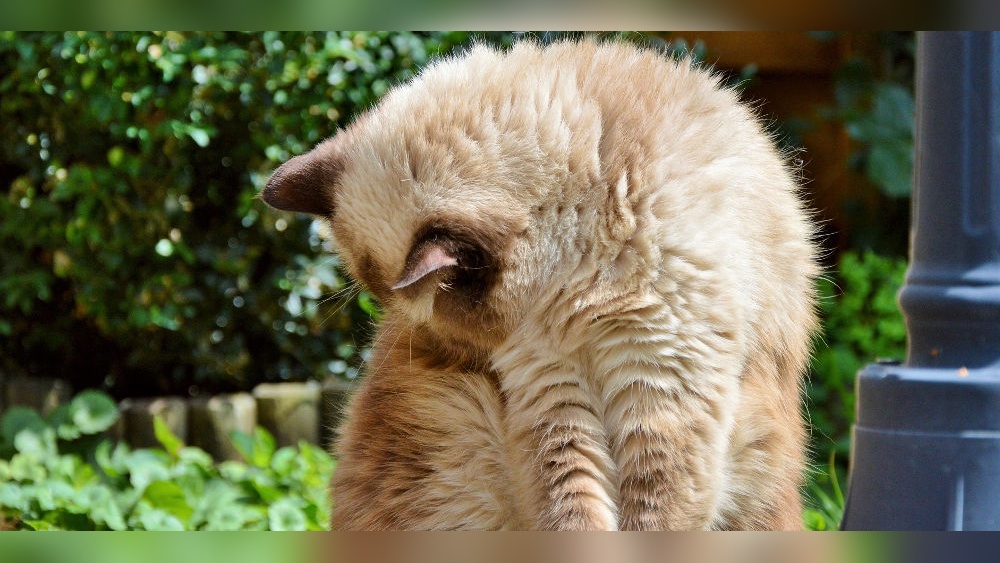
Have you noticed your cat’s fur looking dull or messy lately? Maybe your furry friend isn’t grooming like usual, and that could be a sign something’s wrong.
Cats are usually experts at keeping themselves clean, so when they stop, it’s important to pay attention. You’ll learn how to spot the signs that your cat isn’t grooming properly and what you can do to help. Keep reading to make sure your pet stays healthy and happy.

Credit: www.reddit.com
Changes In Coat Appearance
A cat’s coat shows many signs of health. Changes in coat appearance often mean the cat may not be grooming well. Watch the fur carefully. Notice any differences in shine, texture, or thickness. These can help spot grooming problems early. Catching these signs helps keep your cat healthy and comfortable.
Dull Or Matted Fur
Healthy fur is soft and shiny. Dull fur looks lifeless and rough. Matted fur forms clumps or knots. Cats usually remove mats by grooming. Matted fur shows the cat is not grooming properly. It can cause skin irritation and pain. Check for hard patches or tangled hair daily.
Excessive Shedding
Shedding is normal but too much is a warning. Excessive shedding makes the cat look patchy or uneven. It can happen if the cat stops grooming. Dead fur stays on the coat and falls out in large amounts. Watch for piles of loose hair around your home. This points to grooming issues or health problems.
Bald Patches
Bald patches appear when fur falls out or stops growing. Cats usually keep their coat full and even. Bald spots often mean grooming has stopped or there is skin trouble. These areas may be red or sore. Bald patches need quick attention to prevent infection or discomfort.
Behavioral Shifts
Behavioral shifts in cats can reveal if they are not grooming properly. Changes in how your cat acts often signal grooming problems. Watch closely for these signs to help your cat stay healthy and clean.
Reduced Self-cleaning
Your cat may stop cleaning itself as much as usual. Fur looks messy or greasy. Dirt and mats might build up on their coat. Less licking means less grooming. This change is a strong sign your cat needs help.
Increased Scratching Or Biting
Scratching or biting more than normal can mean trouble. Your cat might try to fix itchy or irritated spots. This can cause sores or hair loss. Such behavior shows grooming is not working well.
Lethargy And Withdrawal
A cat that grooms less might act tired or sad. They may hide or avoid people. Low energy and less play are warning signs. These behaviors often link to discomfort or illness affecting grooming.
Health Concerns Linked To Poor Grooming
Poor grooming in cats can signal health problems. Cats usually keep themselves clean and neat. When they stop grooming, it may mean they feel unwell or have pain. Ignoring this can lead to serious health issues. Watch your cat’s grooming habits closely. Early signs help catch problems early.
Here are common health concerns linked to poor grooming in cats.
Skin Infections And Irritations
Dirty or matted fur can trap dirt and moisture. This creates a perfect place for bacteria to grow. Skin infections cause redness, swelling, and bad smell. Cats may scratch or bite their skin often. Untreated infections can become painful and spread fast.
Parasite Infestations
Fleas, ticks, and mites hide in unkempt fur. These parasites cause itching and discomfort. Cats may bite or scratch nonstop. Parasites can cause hair loss and skin wounds. Some parasites carry diseases that harm your cat’s health.
Dental Problems Impacting Grooming
Painful teeth or gums stop cats from grooming well. Dental disease makes chewing and licking painful. Cats with mouth pain may avoid cleaning themselves. Poor grooming leads to dirty fur and skin problems. Dental care keeps your cat comfortable and clean.

Credit: luckydawgsalongrooming.com
Environmental And Emotional Factors
Cats usually keep themselves clean by grooming daily. Changes in their environment or feelings can stop this habit. These factors affect their desire and ability to groom. Understanding these signs helps you care better for your cat’s health.
Stress And Anxiety
Stress makes cats stop grooming. Loud noises or new pets cause anxiety. Cats may hide or act restless. Grooming less is a sign they feel unsafe. Watch for changes in behavior or appetite.
Changes In Routine Or Environment
Moving to a new home can confuse cats. New furniture or smells can upset them. Visitors or loud sounds may disturb their routine. Such changes may lead to less grooming. Keep their space calm and familiar.
Impact Of Aging Or Illness
Older cats groom less often. Pain or sickness makes grooming hard. Arthritis or dental problems cause discomfort. Cats might miss spots or stop cleaning. Regular vet checks help spot these issues early.
When To Seek Veterinary Help
Knowing when to seek veterinary help is important for your cat’s health. Cats may stop grooming due to illness or pain. Ignoring this can cause serious problems. Watch for signs that need professional care. Early action can make a big difference.
Identifying Serious Symptoms
Look for sores, bald spots, or scabs on your cat’s skin. Notice if your cat hides more than usual. Check for weight loss or change in appetite. Watch for trouble walking or limping. These signs show your cat needs a vet’s help fast.
Preventive Care Tips
Regular check-ups help catch problems early. Keep your cat’s nails trimmed to prevent injury. Brush your cat to remove loose fur and dirt. Provide a balanced diet to support healthy skin. Make sure your cat drinks plenty of water every day.
Treatment Options
The vet may give medicine for infections or parasites. Sometimes, special shampoos or ointments help heal skin. Your cat might need pain relief or anti-inflammatory drugs. Follow the vet’s advice for home care and feeding. Treatment helps your cat feel better and groom again.
Encouraging Healthy Grooming Habits
Encouraging healthy grooming habits helps keep cats clean and comfortable. Grooming removes dirt, loose fur, and prevents matting. Cats that groom often feel better and stay healthier. Owners play a key role in supporting these habits. Simple steps can make a big difference in grooming care.
Regular Brushing Techniques
Brushing a cat removes loose hair and prevents tangles. Choose a brush that suits your cat’s fur type. Short-haired cats need soft brushes, long-haired cats need combs. Brush gently to avoid hurting your cat’s skin. Start with short sessions to build trust. Brush in the direction of fur growth. Regular brushing reduces shedding and hairballs.
Creating A Comfortable Environment
A calm space helps cats groom themselves more. Provide quiet and safe spots for grooming. Avoid loud noises and sudden movements nearby. Soft lighting and cozy bedding encourage relaxation. Keep litter boxes clean, as cats prefer tidy surroundings. Stress-free environments improve grooming habits and overall health.
Diet And Hydration Effects
Good nutrition supports healthy skin and fur. Feed balanced meals with essential nutrients like omega-3. Proper hydration keeps skin moist and fur shiny. Always provide fresh water for your cat. Dry skin can cause itching and poor grooming. Healthy diet and water intake promote regular grooming routines.
Credit: vetic.in
Frequently Asked Questions
How To Recognize If A Cat Isn’t Grooming Properly?
A cat that isn’t grooming may have a dull, matted coat or visible dirt. They might also show skin irritation or an unusual odor. Watch for excessive shedding or hair loss, which can indicate grooming issues or health problems needing attention.
What Causes Cats To Stop Grooming Themselves?
Cats may stop grooming due to pain, illness, stress, or obesity. Dental issues and arthritis can also limit grooming ability. Behavioral problems or changes in environment may affect their grooming habits, requiring veterinary evaluation to identify and treat the underlying cause.
Can Poor Grooming Indicate Health Problems In Cats?
Yes, poor grooming often signals health issues like skin infections, parasites, or systemic illnesses. It can also suggest emotional stress or pain. Early detection through grooming changes helps in timely veterinary care, improving the cat’s overall well-being and recovery chances.
How Often Should A Healthy Cat Groom Itself Daily?
Healthy cats groom themselves several times a day, usually spending about 30-50% of their waking hours grooming. Frequent grooming helps maintain their coat and skin health, so a noticeable decline often suggests a problem that needs monitoring or veterinary advice.
Conclusion
Cats stop grooming for many reasons. Watch for signs like dirty fur or skin problems. Poor grooming can mean health issues or stress. Act quickly to help your cat feel better. Regular checks keep your pet happy and healthy. Trust your instincts and seek advice from a vet.
Caring for your cat’s grooming shows love and attention. Small efforts make a big difference in their well-being. Stay patient and gentle during care routines. Your cat will thank you with purrs and trust.