
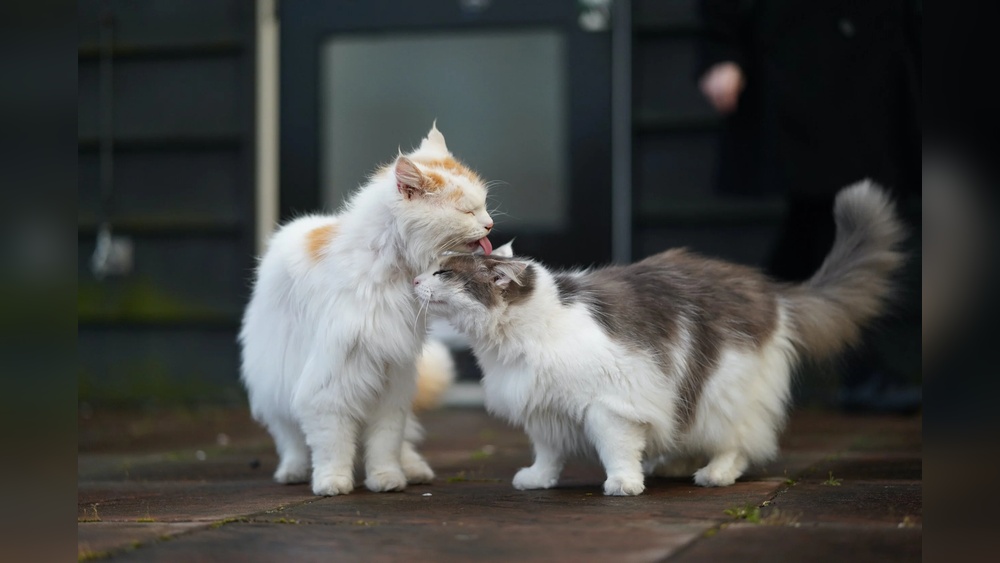
Have you ever watched your cat carefully cleaning itself or even another cat, and wondered why they do it? Cats playing groom might seem like a simple, cute behavior, but it actually tells you a lot about their feelings and relationships.
Understanding this can help you connect better with your furry friend and even improve their happiness. Keep reading to discover the surprising reasons behind this grooming play and what it means for your cat’s world.
Credit: www.mspca.org
Cats Grooming Behavior
Cats spend a lot of time grooming themselves and others. Grooming helps them stay clean and healthy. It also feels good and calms them down. Grooming is a natural part of a cat’s daily routine. It shows their care for themselves and their friends.
Understanding how cats groom can help you know them better. You will see more clearly why they lick and clean themselves. You will also learn why cats groom each other and what it means.
How Cats Groom Themselves
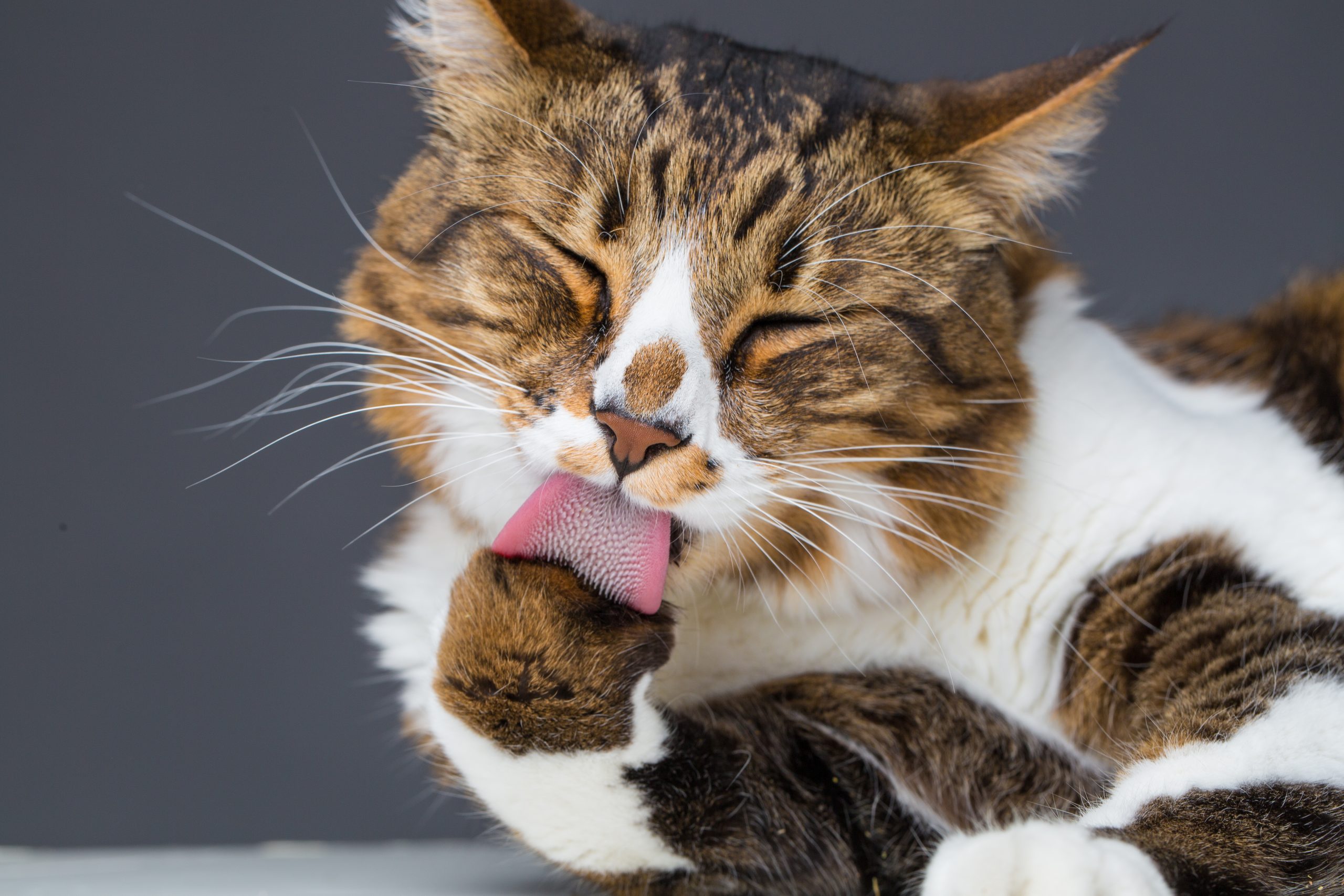
Cats use their tongue to clean their fur. Their tongue has tiny, rough bumps that work like a brush. They lick their fur to remove dirt and loose hair. This stops mats and keeps their coat shiny.
They also bite small areas to untangle knots. Cats use their teeth carefully to avoid hurting themselves. Grooming controls their body temperature too. It helps cool them down on hot days.
Social Grooming Among Cats
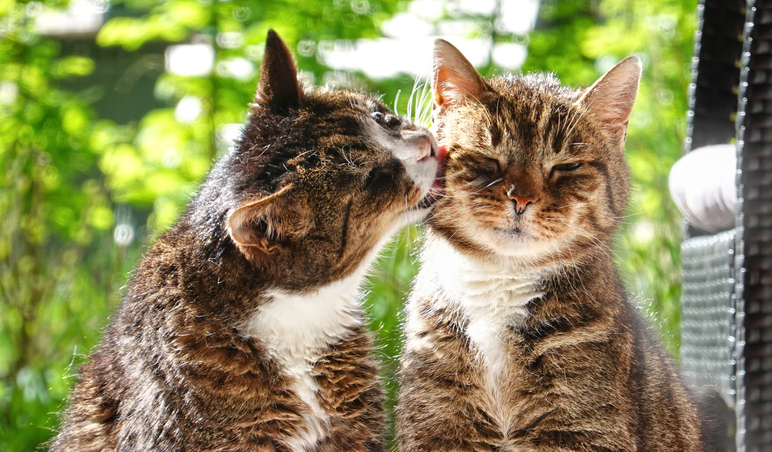
Cats often groom each other in groups. This is called social grooming or allogrooming. It helps build trust and friendship between cats. They clean spots that are hard to reach alone.
Social grooming reduces stress and strengthens bonds. Cats who groom each other stay close and feel safe. This behavior shows they care and want to help each other.
Physical Benefits Of Grooming
Cats spend a lot of time grooming themselves and each other. Grooming is more than just cleaning. It helps keep their bodies healthy in many ways. This section explains the physical benefits grooming provides to cats.
Skin And Coat Health
Grooming removes dirt and loose fur from a cat’s body. This keeps their coat clean and shiny. It also spreads natural oils on the skin. These oils protect the skin and keep the fur soft. Grooming stops the fur from matting and tangling. Healthy skin and coat mean a happy cat.
Parasite Control
Grooming helps cats find and remove parasites like fleas and ticks. Cats use their teeth and tongue to catch these pests. Removing parasites prevents bites and infections. Grooming also stops parasites from multiplying on the cat’s body. This natural cleaning helps protect cats from disease.
Emotional Benefits Of Grooming
Cats playing groom is more than just fun. It has deep emotional benefits for them. Grooming helps cats feel calm and safe. It builds trust between them. This natural behavior keeps their minds healthy and happy.
Understanding these emotional benefits can help cat owners care better for their pets. It shows why grooming is an important part of cat social life and emotional health.
Stress Reduction
Grooming lowers stress in cats. The gentle licking and cleaning release calming chemicals in their brain. This helps them relax and feel peaceful. Grooming also slows down their heart rate. It creates a soothing effect that reduces anxiety. Cats often groom each other during tense moments. This helps them stay calm and avoid fights.
Bond Strengthening
Grooming builds strong bonds between cats. It shows care and friendship. When cats groom each other, they share trust and affection. This keeps their group peaceful and united. Grooming also helps cats recognize friends from strangers. It creates a safe and loving environment. Cats that groom together often live happier and healthier lives.
:strip_icc()/grooming-cat-120689839-57d967d33df78c583396e386.jpg)
Credit: www.thesprucepets.com
Grooming And Communication
Cats use grooming as a way to talk without words. This behavior shows how they feel and connect with others. Grooming is more than cleaning fur. It helps cats share emotions and build bonds.
Watching cats groom each other reveals their social life. This act sends messages about friendship and order. Understanding these signals helps us see how cats live together.
Expressing Affection
Cats groom to show love and care. When one cat licks another, it means trust. This gentle act helps cats feel safe and calm. Grooming spreads a warm feeling between them. It is a way to say, “I like you.”
Establishing Social Hierarchy
Grooming also shows who leads and who follows. Higher rank cats may groom lower rank cats more. This shows control and respect. Sometimes, the leader grooms last to keep order. Grooming keeps peace and balance in the group.
Grooming As A Healing Tool
Cats use grooming for more than just cleanliness. It acts as a healing tool. Grooming helps them stay calm and recover faster from stress or sickness. This behavior is natural and important for their well-being.
Watching a cat groom itself is not just cute. It shows how they care for their health. Grooming helps cats feel safe and reduces discomfort. It is a simple way to heal both body and mind.
Self-soothing Mechanism
Grooming calms cats during stressful moments. It lowers their heart rate and eases anxiety. Cats lick themselves to focus and relax. This helps them feel in control and safe.
When a cat feels scared or nervous, grooming brings comfort. It acts like a natural stress relief. This simple act can stop a cat from feeling overwhelmed.
Recovering From Illness
Sick cats often groom more or less than usual. Grooming helps clean wounds and remove dirt. It also signals they want to heal and feel better.
Grooming boosts blood flow to help healing. It keeps their fur and skin healthy. Cats use grooming to fight infections and pain. This shows their strong will to recover.
When Grooming Becomes Excessive
Cats groom themselves to stay clean and calm. This behavior is normal and healthy. But sometimes, grooming can become too much. Excessive grooming can harm a cat’s skin and fur. It may show that your cat feels stressed or sick. Watching your cat closely helps catch this early. Quick action can stop problems before they get worse.
Signs Of Over-grooming
Look for bald spots on your cat’s body. Red or sore skin can appear from too much licking. Hair may break or fall out in patches. Your cat might lick or bite the same spot often. Scabs or wounds might form on the skin. Changes in behavior can also be a sign. Your cat may seem anxious or restless more than usual.
Addressing Grooming Issues
Keep your cat’s environment calm and safe. Offer toys and playtime to reduce boredom. Check for fleas or skin problems with a vet. A vet can suggest treatments or medicines. Sometimes, a change in diet helps improve skin health. Avoid punishing your cat for grooming too much. Patience and care are key to helping your pet.
Credit: heartandpaw.com
Frequently Asked Questions
Why Do Cats Groom Each Other While Playing?
Cats groom each other during play to build trust and strengthen social bonds. It shows comfort and affection between them.
Is Grooming A Sign Of Cat Friendship?
Yes, grooming indicates a strong friendship. Cats groom friends to show care and maintain their close relationship.
Can Grooming Reduce Stress In Cats?
Grooming helps cats relax and reduces stress. It releases feel-good hormones and creates a calming effect.
How Does Grooming Relate To Cat Hierarchy?
Grooming often reflects social hierarchy. Dominant cats may groom subordinates to assert status and maintain group order.
Conclusion
Cats playing groom shows their care and trust for each other. This behavior helps them stay clean and healthy. It also builds strong bonds between cats. Watching them groom can be calming and joyful. Understanding why cats do this helps owners better connect with their pets.
It’s a simple way cats show friendship and love. Next time you see cats grooming, remember it means they feel safe and happy. This natural habit is part of what makes cats special companions.