
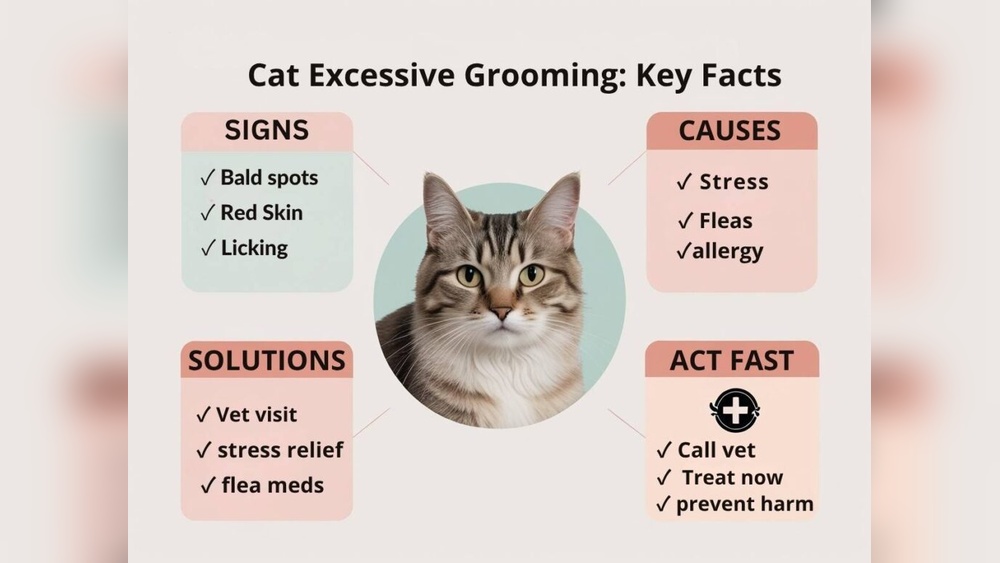
Have you noticed your cat licking or biting itself more than usual? It might seem like normal grooming, but sometimes, this behavior can turn into something called compulsive grooming.
If your furry friend spends hours cleaning, causing bald spots or sores, it’s a sign you shouldn’t ignore. Understanding how to tell if your cat is compulsive grooming can help you protect their health and happiness. Keep reading to learn the key signs and what you can do to help your beloved pet feel better.
Credit: www.zoetispetcare.com
What Is Compulsive Grooming
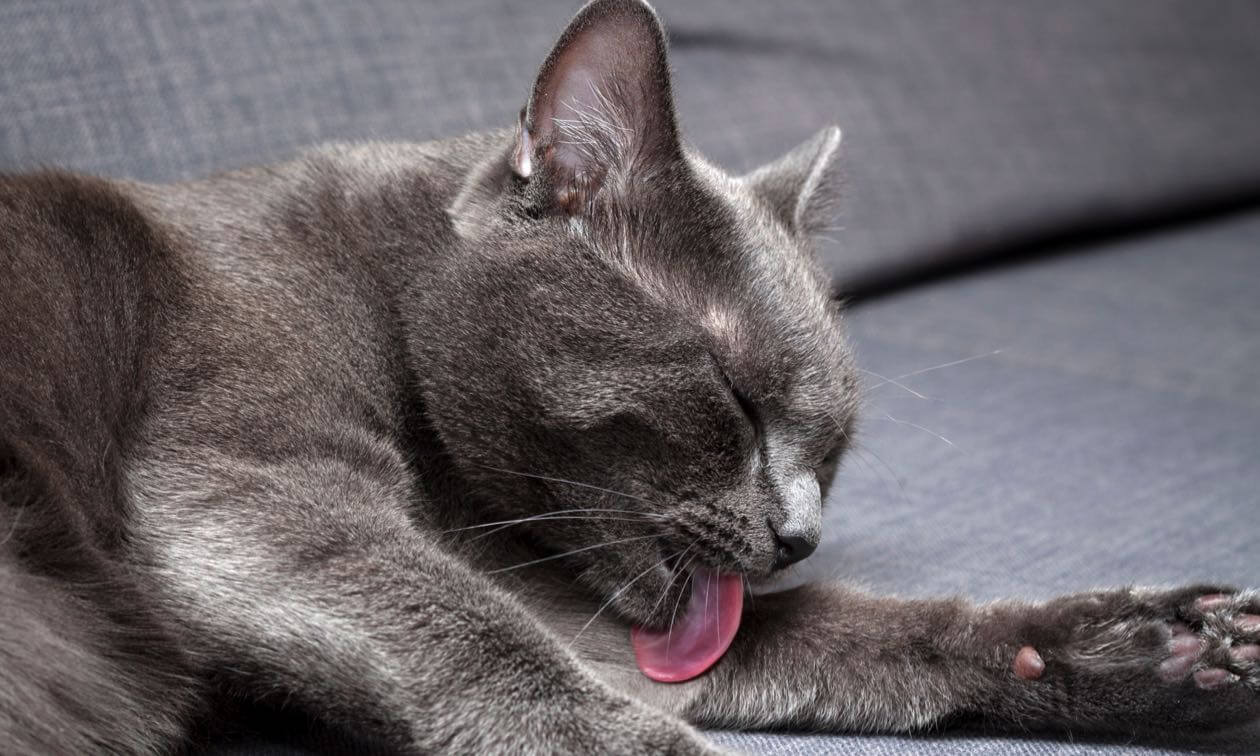
Compulsive grooming is a behavior where a cat cleans itself too much. Cats normally groom to stay clean and healthy. But sometimes, grooming becomes more than just a habit. It turns into a repetitive action that can harm the cat.
This condition is also known as psychogenic alopecia. It means the cat grooms because of stress or anxiety. The cat may lick, bite, or scratch itself over and over. This behavior often causes hair loss and skin problems.
Signs Of Compulsive Grooming
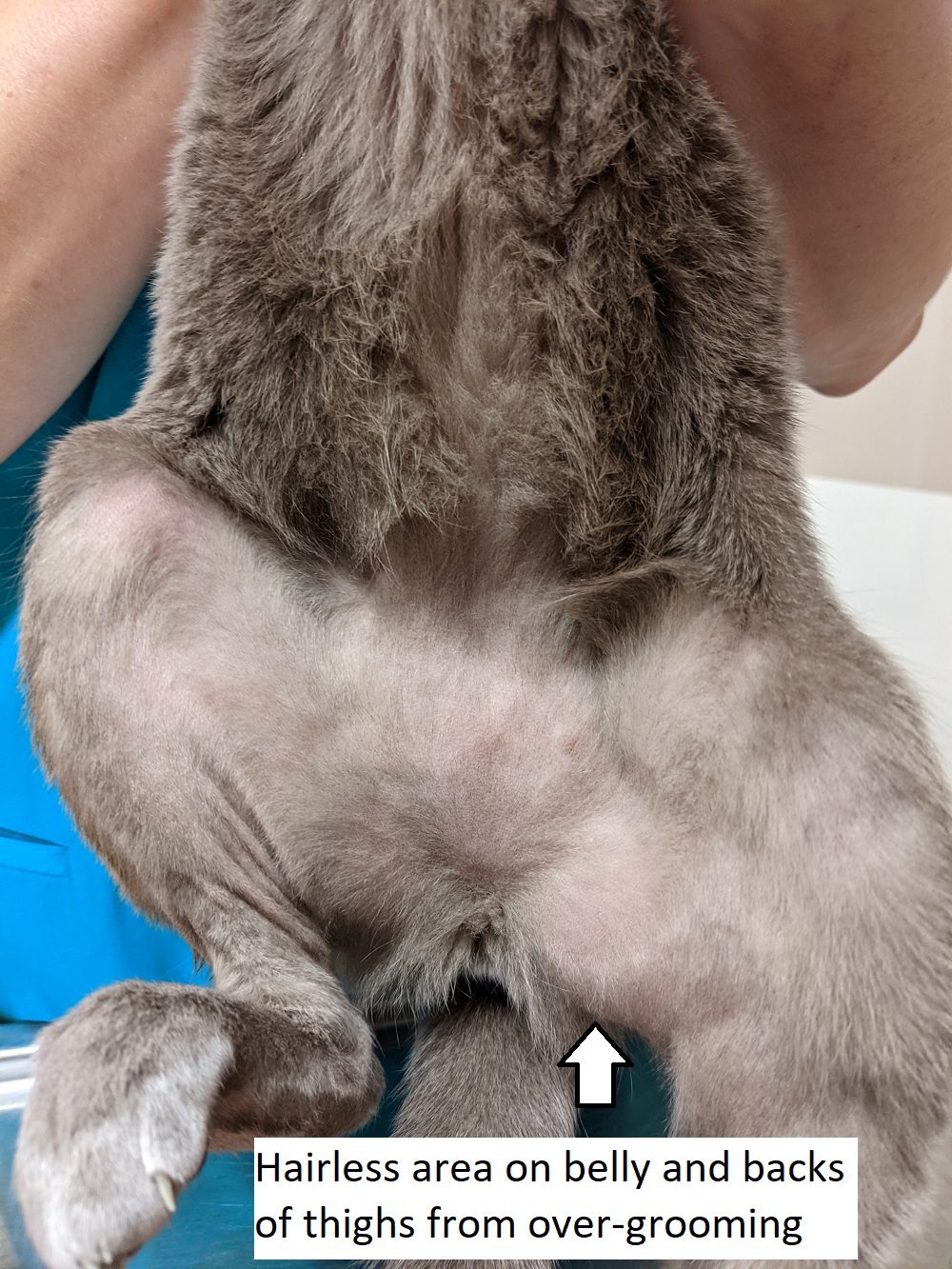
Look for bald patches or red, irritated skin. The cat may lick the same spot for long periods. You might see scabs or sores from scratching or biting. The grooming behavior can happen many times a day.
Causes Of Compulsive Grooming
Stress and anxiety are common causes. Changes in the home or routine can trigger it. Boredom or lack of attention may also lead to this behavior. Sometimes, skin allergies or parasites cause discomfort and more grooming.
Why Compulsive Grooming Is A Problem
Too much grooming can damage the skin. It can cause infections or painful wounds. The cat may lose fur and look unhealthy. This condition affects the cat’s comfort and happiness.
Credit: pittwateranimalhospital.com.au
Common Causes
Compulsive grooming in cats often has clear causes. Understanding these helps you spot the problem early. Cats groom to stay clean, but too much can mean trouble.
Several common reasons make cats groom excessively. Knowing these causes helps you take the right steps to help your pet.
Stress And Anxiety
Stress can cause cats to groom more than usual. Changes in the home, loud noises, or new pets can stress them. Grooming becomes a way to feel calm. Watch for repeated licking or biting of the same spot.
Allergies And Skin Issues
Allergies often lead to itchy skin in cats. They may lick or scratch to relieve discomfort. Food, pollen, or chemicals can cause allergies. Skin irritation or redness is a sign to check for allergies.
Parasites And Infections
Parasites like fleas cause intense itching. Cats groom to try to remove them. Skin infections can also cause discomfort. Look for bald patches or sores. These signs mean a visit to the vet is needed.
Physical Signs To Watch For
Physical signs are the first clues that your cat may be compulsively grooming. Watching for these signs helps you act early. Early action can prevent pain and serious skin damage. Your cat cannot tell you when it hurts. Observing the skin and fur closely is important.
Bald Patches And Redness
Look for areas where fur is missing. Bald patches often appear on the belly, legs, or neck. These spots may be red or swollen. Redness shows irritation under the skin. It means your cat is scratching or licking too much. These patches do not heal quickly on their own.
Sores And Scabs
Check for open wounds, sores, or scabs. These can form from constant licking or biting. Sores may bleed or ooze clear fluid. Scabs are signs of healing but mean damage happened. These wounds can get infected if not treated. Watch closely for any changes in these spots.
Excessive Licking Patterns
Notice how often your cat licks certain spots. Excessive licking is more than normal cleaning. It can seem like your cat is stuck in a loop. Some cats lick the same area for minutes or hours. This behavior causes skin damage and discomfort. It may also make your cat restless or anxious.
Behavioral Changes
Behavioral changes are key signs of compulsive grooming in cats. These changes show how your cat feels inside. Watch closely for shifts in their usual habits. Changes often hint at stress or discomfort. Understanding these behaviors helps you care better for your cat.
Restlessness And Agitation
Your cat may pace or move nervously. It may seem unable to relax or settle down. Small noises might startle it easily. This restlessness often means your cat feels uneasy. Constant grooming can add to this anxious behavior.
Avoidance Of Social Interaction
Cats that compulsively groom may hide more often. They might avoid family members or other pets. This withdrawal shows they want to be alone. Loss of interest in play or affection is common. Social avoidance can signal emotional distress.
Repetitive Movements
Look for repeated actions like licking the same spot. Your cat might bite or scratch in one area endlessly. These repeated movements are not normal play. They show your cat is stuck in a behavior loop. Such actions can cause skin problems and need attention.
When To Visit The Vet
Knowing when to visit the vet is important for your cat’s health. Compulsive grooming can cause serious problems if left untreated. Watch for signs that show your cat needs medical help. Early action can prevent further harm and ease your cat’s discomfort.
Severity Of Symptoms
Check your cat’s skin for redness, sores, or hair loss. Severe wounds or open sores need a vet’s attention right away. Constant licking that causes bleeding or scabs is a serious sign. Mild grooming is normal, but severe damage is not.
Duration Of Grooming Behavior
Notice how long your cat grooms itself nonstop. Grooming for a few minutes is usual. Grooming for hours every day can harm your cat’s skin. If the behavior lasts more than a week, see a vet. Long-lasting grooming often means an underlying problem.
Impact On Cat’s Well-being
Observe changes in your cat’s mood or activity. A cat that hides or seems anxious may be stressed. Loss of appetite or trouble sleeping can also be signs. Compulsive grooming may hurt their comfort and health. A vet can help improve your cat’s quality of life.
Treatment Options
Treating compulsive grooming in cats requires a careful approach. Different methods help reduce this behavior and improve your cat’s well-being. Treatment often combines medical care, changes at home, and behavior work. Each option targets a part of the problem to bring relief.
Medical Interventions
Veterinarians may prescribe medications to calm your cat. These can reduce anxiety and stop excessive grooming. Sometimes, skin treatments help heal wounds from over-grooming. Regular check-ups ensure the treatment works and adjusts if needed. Always follow your vet’s advice for safe care.
Environmental Enrichment
Changing your cat’s surroundings can lower stress levels. Provide toys, scratching posts, and safe spaces to explore. More playtime helps use up nervous energy. Creating a calm and interesting environment keeps your cat busy. This reduces the urge to groom too much.
Behavioral Therapy
Training your cat to relax can stop compulsive grooming. Techniques like positive reinforcement reward calm behavior. Gentle distractions redirect your cat’s attention away from grooming. Patience and consistency are key to success. Behavior therapy improves your cat’s mental health over time.
Preventing Compulsive Grooming
Preventing compulsive grooming in cats is important for their health and happiness. This behavior can cause skin damage and stress. Taking steps early helps keep your cat calm and comfortable. Understanding what triggers this behavior allows you to create a safe home environment.
Reducing Stressors
Stress often causes cats to groom too much. Loud noises, new pets, or changes at home can upset them. Keep a quiet space where your cat feels safe. Avoid sudden changes in routine. Gentle handling helps your cat stay relaxed and stress-free.
Regular Health Checks
Health problems can lead to compulsive grooming. Allergies, skin infections, or pain may cause excessive licking. Visit the vet regularly to catch issues early. A clean bill of health reduces the chance of this behavior. Follow the vet’s advice for treatments or care.
Providing Mental Stimulation
Boredom can make cats groom themselves too much. Offer toys, puzzles, and playtime to keep them busy. Rotate toys to keep interest high. Interactive play helps reduce anxiety and destructive habits. Mental exercise keeps your cat happy and distracted.
:strip_icc()/how-to-stop-cat-over-grooming-554052-02-292560d5fa1542458556eff312f669d7.jpg)
Credit: www.thesprucepets.com
Frequently Asked Questions
What Are Common Signs Of Compulsive Grooming In Cats?
Compulsive grooming causes excessive licking or biting, leading to hair loss and skin sores. Cats may seem anxious or restless. Watch for bald patches or redness. These signs indicate your cat needs veterinary attention to address underlying stress or medical issues.
Why Do Cats Develop Compulsive Grooming Habits?
Cats groom to clean themselves, but stress, anxiety, or allergies can trigger excessive grooming. Changes in environment or pain may also cause compulsive behavior. Identifying the root cause is crucial for effective treatment and preventing further skin damage.
How Can I Stop My Cat From Compulsive Grooming?
Reduce stress with a calm environment and regular playtime. Consult a vet to rule out medical causes. Use prescribed treatments like anti-anxiety medications or topical ointments. Providing enrichment and attention helps prevent compulsive grooming behavior.
When Should I See A Vet About My Cat’s Grooming?
If grooming causes bald spots, wounds, or bleeding, consult a vet immediately. Persistent licking or biting that disrupts your cat’s daily life also needs professional evaluation. Early intervention can prevent worsening skin conditions and behavioral issues.
Conclusion
Compulsive grooming can harm your cat’s health and happiness. Watch for signs like hair loss or constant licking. Early action helps prevent skin problems and stress. Provide a calm space and playtime to reduce anxiety. Consult a vet for advice and treatment options.
Caring for your cat’s well-being shows your love. Stay alert and act quickly to keep your cat comfortable. Small changes make a big difference in their daily life.