
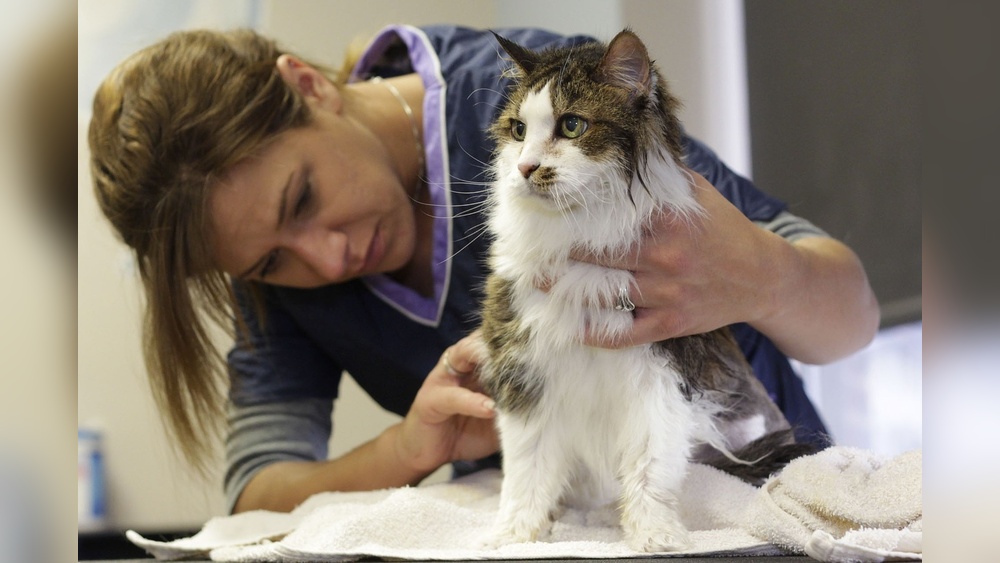
Grooming your long-haired cat at home can feel like a big task, but it doesn’t have to be hard. You want your furry friend to look beautiful and stay healthy, and regular grooming is the key.
If you’ve ever struggled with knots, shedding, or keeping your cat calm during brushing, this guide is for you. You’ll learn simple, effective steps that make grooming easy and stress-free—for both you and your cat. Keep reading to discover how to turn grooming time into a moment of bonding and care your cat will actually enjoy.

Credit: www.youtube.com
Choosing The Right Tools
Choosing the right tools makes grooming your long-haired cat easier. Proper tools protect your cat’s fur and skin. They help remove tangles, dirt, and loose hair. Using the right equipment also makes grooming quicker and less stressful. Here are the essential tools you need for home grooming.
Essential Brushes And Combs
Brushes and combs are the core tools for grooming. A slicker brush removes mats and loose fur. It has fine, short wires close together. A wide-tooth comb helps detangle thick fur gently. Use it after brushing to catch any leftover knots. Both tools keep your cat’s coat smooth and healthy.
Clippers And Scissors
Clippers trim fur in problem areas like under the belly. Use ones designed for pets to avoid pulling hair. Scissors help cut small mats or trim around sensitive spots. Choose rounded-tip scissors for safety. Sharp, clean blades prevent hair damage and skin cuts. Only cut fur when needed to avoid stress.
Grooming Gloves And Accessories
Grooming gloves remove loose hair while petting your cat. They are gentle and easy to use. Gloves help calm shy or nervous cats during grooming. Other accessories include nail clippers and ear cleaners. Keep them handy to complete your cat’s care routine. These tools make grooming smooth and stress-free.

Credit: www.youtube.com
Preparing Your Cat For Grooming
Preparing your long-haired cat for grooming is very important. It helps make the process smooth and stress-free. Cats can feel nervous about grooming. Taking time to prepare them helps build trust and calmness.
Start by setting up a quiet and safe space. Use gentle words and slow movements. This helps your cat feel more relaxed before you begin grooming.
Creating A Calm Environment
Choose a quiet room without loud noises. Turn off TVs and radios. Soft lighting helps keep your cat calm. Use a soft blanket or towel for your cat to sit on. This creates a safe spot for grooming. Keep the room warm but not too hot. A calm space helps your cat stay still and relaxed.
Getting Your Cat Comfortable
Let your cat explore the grooming area first. Give treats and gentle pets to create positive feelings. Hold your cat gently and speak softly. Allow short sessions to start with. Gradually increase grooming time as your cat feels safe. This helps your cat trust the process.
Handling Techniques For Safety
Use slow, gentle movements while handling your cat. Support your cat’s body well to prevent sudden moves. Avoid grabbing or squeezing tightly. Keep your hands calm and steady. Watch your cat’s body language for signs of stress. Stop if your cat becomes too upset. Safe handling protects both you and your pet.
Brushing Techniques
Brushing your long-haired cat helps keep their coat clean and healthy. It removes loose hair and stops tangles before they form. Proper brushing feels good for your cat and helps you check their skin.
Using the right brushing techniques makes grooming easier. It keeps your cat calm and makes brushing quick. Gentle, steady strokes work best to avoid hurting your cat.
Detangling And Removing Mats
Start with a wide-toothed comb to find knots. Hold the fur close to the skin to avoid pulling. Gently work through mats with small strokes. Use your fingers to separate tight knots carefully. If a mat is too tight, cut it out carefully with scissors. Always be patient and calm during this process.
Frequency And Timing
Brush your cat at least three times a week. Daily brushing works best during shedding season. Choose a quiet time when your cat is relaxed. Short sessions of five to ten minutes keep your cat happy. Regular brushing prevents mats and skin problems.
Dealing With Shedding
Long-haired cats shed a lot, especially in spring and fall. Use a slicker brush to remove loose hair. Brush gently to avoid skin irritation. Collect shed hair from the brush after every session. Keep your home cleaner and reduce hairballs with regular brushing.

Credit: www.reddit.com
Bathing Your Long Haired Cat
Bathing your long haired cat helps keep their coat clean and healthy. It removes dirt, oils, and loose fur. Bathing also reduces hairballs and prevents mats from forming. Cats usually groom themselves, but a bath can help during shedding seasons or after a messy adventure.
Bathing a long haired cat needs patience and care. A calm approach makes the experience less stressful for both of you. Prepare everything before you start. Warm water, the right shampoo, and towels are essential. Speak softly to keep your cat relaxed.
Choosing Cat-friendly Shampoo
Pick a shampoo made especially for cats. Human or dog shampoos can irritate their skin. Look for gentle, hypoallergenic formulas. Avoid shampoos with strong scents or harsh chemicals. A shampoo with moisturizing ingredients helps keep the coat soft and shiny. Always check the label for safe ingredients.
Step-by-step Bathing Process
Start by brushing your cat to remove tangles. Use lukewarm water to wet their fur gently. Apply a small amount of shampoo and lather softly. Avoid the eyes, ears, and nose. Rinse thoroughly to remove all shampoo. Leftover shampoo can cause itching or dryness. Be calm and speak in a soothing voice. Rinse slowly and carefully to avoid stress.
Drying Tips To Avoid Matting
Use a soft towel to dry your cat’s fur. Pat gently instead of rubbing to prevent tangles. If your cat allows, use a low heat hair dryer. Keep the dryer moving and hold it at a distance. Comb the fur while drying to stop mats from forming. Drying quickly reduces the chance of skin irritation. Make sure your cat stays warm during the drying process.
Trimming And Nail Care
Trimming and nail care keep your long-haired cat healthy and comfortable. Regular grooming stops nails from growing too long. It also prevents fur mats around the paws and rear. These simple steps make your cat feel better and reduce dirt and germs.
Safe Nail Clipping Methods
Use sharp, small nail clippers made for cats. Hold your cat’s paw gently but firmly. Look for the quick inside the nail. Avoid cutting this pink part to stop pain and bleeding. Trim just the sharp tip. If your cat resists, try trimming one or two nails at a time. Offer treats and calm words.
Trimming Fur Around Paws And Rear
Use small scissors with rounded tips for safety. Carefully trim fur around the paws to stop dirt buildup. Trim the fur near the rear to avoid mats and keep clean. Work slowly and gently. Check for any skin irritation or cuts while trimming. Keep the area neat to help your cat stay fresh.
When To Seek Professional Help
Visit a groomer or vet if your cat’s nails are too long. Seek help if the fur mats are thick or painful. Professionals can trim nails and fur safely. They can also check for infections or injuries. Choose help if your cat is very scared or difficult to handle.
Maintaining Healthy Skin And Coat
Maintaining your long-haired cat’s skin and coat health is essential for their comfort and appearance. Healthy skin prevents itching and infections. A shiny coat shows your cat is well cared for.
Regular grooming supports skin health. It also helps you spot any problems early. Let’s explore simple ways to keep your cat’s skin and coat in top shape.
Diet And Hydration Impact
Your cat’s diet affects their skin and fur quality. Foods rich in omega-3 and omega-6 fatty acids boost coat shine. Protein supports hair growth and strength.
Water keeps skin hydrated from inside. Make fresh water available all day. Wet cat food adds extra moisture to their diet.
Checking For Parasites
Parasites like fleas and ticks cause itching and hair loss. Check your cat’s fur regularly for bugs or flea dirt. Look near the neck, ears, and tail base.
Use a fine-toothed comb to find tiny pests. Early detection stops infestations and skin damage. Consult your vet for safe parasite treatments.
Recognizing Skin Problems Early
Watch for redness, swelling, or sores on the skin. Bald patches or excessive scratching signal issues. Dry or flaky skin shows irritation or allergies.
Early action can prevent serious infections. If you notice unusual signs, talk to your vet quickly. Healthy skin means a happy, comfortable cat.
Making Grooming A Routine
Making grooming a routine helps keep your long-haired cat healthy and happy. Regular grooming reduces mats and tangles. It also lowers shedding and hairballs. Cats feel more comfortable with a set schedule. You build trust and make grooming less stressful. Start small and grow the habit over time.
Setting A Grooming Schedule
Choose a time that suits both you and your cat. Pick a quiet spot where your cat feels safe. Groom your cat at least three times a week. Daily brushing is best for very long fur. Keep sessions short at first, about five minutes. Gradually increase the time as your cat adjusts. Consistency is key to forming a habit.
Positive Reinforcement Techniques
Reward your cat with treats after grooming. Use gentle praise and soft petting during sessions. Avoid force or sudden movements to prevent fear. Give breaks if your cat becomes restless. Small rewards make your cat enjoy grooming. Patience helps your cat learn to stay calm.
Adapting To Your Cat’s Preferences
Notice which brushes your cat likes best. Some cats prefer soft bristles; others like firmer combs. Watch how your cat reacts to different strokes. Avoid areas that cause discomfort or pain. Adjust grooming to suit your cat’s mood each day. Respect your cat’s limits to keep grooming positive.
Frequently Asked Questions
How Often Should I Groom My Long Haired Cat?
Groom your long haired cat daily to prevent mats and tangles. Frequent brushing keeps their coat healthy and reduces shedding.
What Tools Are Best For Grooming Long Haired Cats?
Use a slicker brush, wide-tooth comb, and grooming scissors. These tools help remove loose hair and untangle mats gently.
How Do I Prevent Hairballs In Long Haired Cats?
Regular grooming reduces loose hair your cat swallows. Also, feed hairball control cat food to minimize hairball formation.
Can I Trim My Long Haired Cat’s Fur At Home?
Yes, with proper tools and care, you can trim fur safely. Avoid cutting too close to the skin to prevent injury.
Conclusion
Grooming your long-haired cat at home keeps them healthy and happy. Regular brushing stops mats and tangles from forming. It also helps reduce shedding around your house. Use gentle tools and take your time with each session. Watch your cat’s mood and stop if they seem stressed.
A calm, patient approach builds trust and makes grooming easier. Small efforts every week lead to big benefits. Enjoy the bonding moments with your furry friend. Simple care keeps their coat shiny and soft. Give your cat the attention they deserve.