
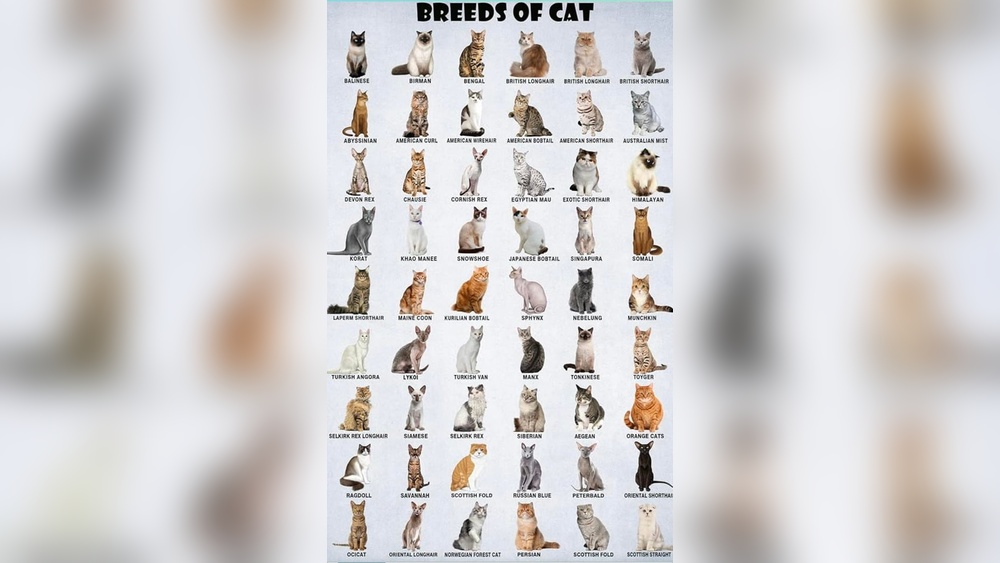
Have you ever looked at your cat and wondered, “What breed is my furry friend?” Knowing your cat’s breed can help you understand their personality, health needs, and quirks better. But telling what breeds your cat is can feel confusing, especially if they’re a mix.
Don’t worry—you’re not alone, and it’s easier than you think. You’ll discover simple ways to identify your cat’s breed, so you can connect with your pet on a whole new level. Keep reading to unlock the secrets hidden in your cat’s fur and features!
Credit: www.expresioncuenca.com
Recognizing Physical Traits
Recognizing physical traits can help identify your cat’s breed. Each breed has unique features. These include coat, body shape, eyes, and ears. Observing these traits closely gives clues about your cat’s origins.
Start by examining the coat. Notice patterns, colors, and texture. Then check the body shape and size. Look at the eyes for shape and color. Finally, study the ears for their shape and position. These details tell a lot about breed type.
Coat Patterns And Colors
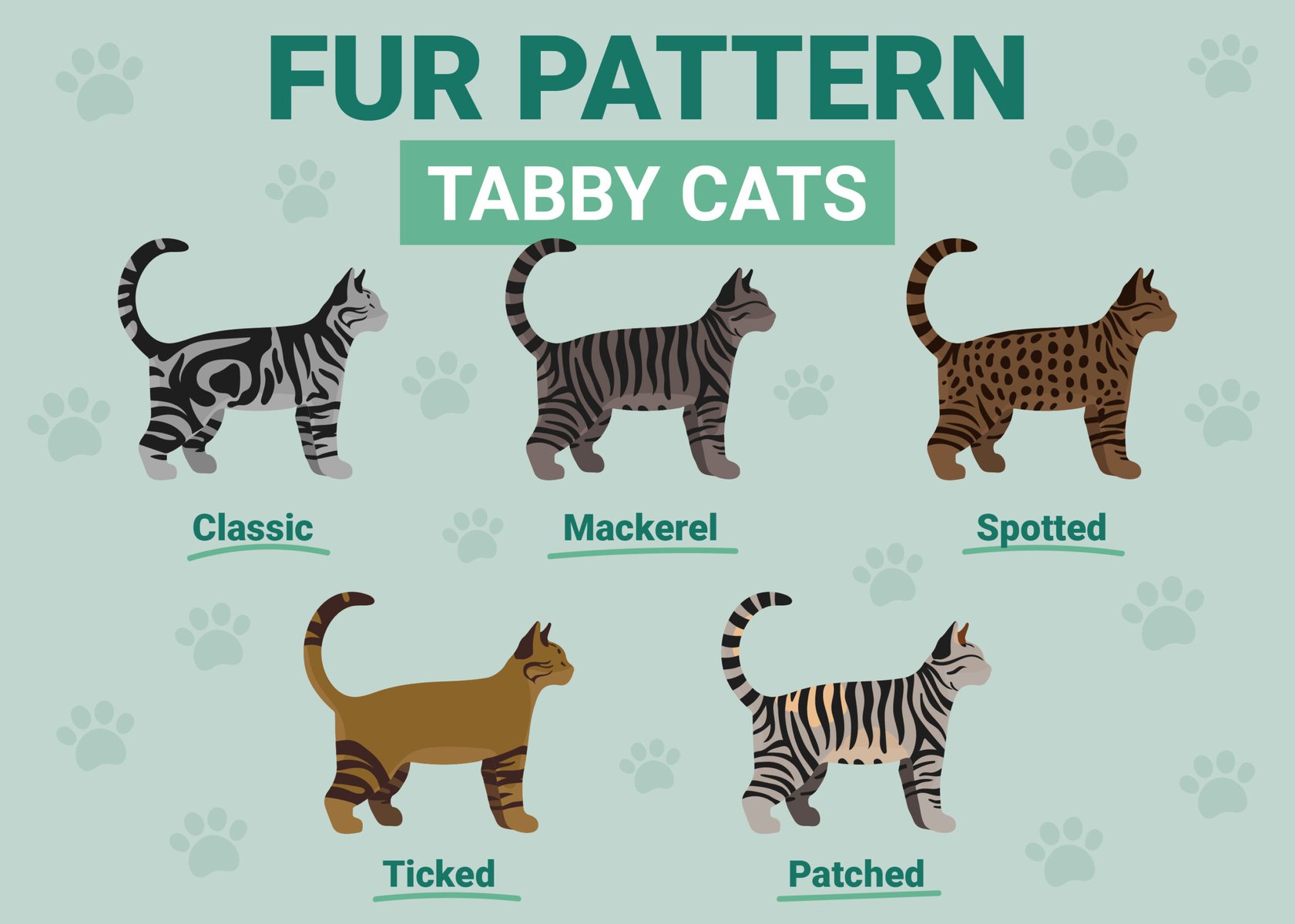
Coat patterns vary widely across cat breeds. Some have stripes, spots, or solid colors. Common patterns include tabby, calico, and tortoiseshell. Coat colors can be black, white, gray, orange, or mixed. The texture also matters—short, long, or curly fur gives hints.
Body Shape And Size
Body shapes differ by breed. Some cats are slim and elegant, others are stocky and muscular. Size matters too; some breeds are small, some medium, and others large. Look at the legs, tail, and overall build to compare with breed standards.
Eye Shape And Color
Eye shape varies from round to almond-shaped. Color ranges from blue, green, yellow to copper. Certain breeds have distinctive eye colors or shapes. For example, Siamese cats often have almond eyes and blue color. Eye details give important breed clues.
Ear Shape And Position
Ear shape and placement differ among breeds. Some have large, pointy ears, while others have small, rounded ones. Ear position may be high, low, or tilted. Scottish Folds have unique folded ears. These ear traits help narrow down breed types.
Observing Personality Traits
Observing your cat’s personality traits offers clues about its breed. Cats often show behaviors linked to their breed’s history. Watching how your cat acts helps identify these traits. This method is useful if you don’t have a pedigree or DNA test.
Notice how your cat moves, plays, and interacts daily. Each breed has typical ways of behaving. Some cats are calm, while others are very lively. Personality traits can guide you to understand your cat’s background better.
Activity Levels
Some breeds are naturally energetic and need more exercise. For example, Siamese cats are often very active and curious. Other breeds like Persians tend to be calm and enjoy resting. Watch how much your cat moves around during the day. High activity could mean a breed that loves play and exploration.
Social Behavior
Different breeds show varying social needs. Some cats are very friendly and seek attention. Ragdolls, for example, enjoy being around people and other pets. Other cats prefer solitude and quiet time. Notice if your cat likes being held or prefers to be alone.
Vocalization Patterns
Some cats talk a lot, while others are quiet. Siamese cats are famous for their loud and frequent meows. Breeds like the British Shorthair tend to be more silent. Pay attention to how often and how loudly your cat vocalizes. This trait can hint at its breed type.
Play And Hunting Instincts
Certain breeds have strong hunting drives. Bengals, for example, love chasing and pouncing. Other cats may show less interest in toys or hunting games. Observe how your cat plays with toys and reacts to small moving objects. These instincts reveal important breed traits.
Using Online Resources
Using online resources helps you learn about your cat’s breed quickly. The internet offers many tools and sites for cat identification. These resources save time and give clear information about different breeds. You can compare your cat’s traits with those in databases. You also get help from cat lovers worldwide. This makes the process fun and easy.
Cat Breed Identification Tools
Cat breed identification tools let you upload photos of your cat. The tool analyzes the image and suggests possible breeds. Some tools ask questions about your cat’s size, color, and fur type. The results show a list of breeds that match your cat’s look. These tools are simple to use and give quick answers.
Breed Profiles And Databases
Breed profiles provide detailed descriptions of many cat types. They include information on size, color, personality, and care needs. Databases collect this info in one place for easy searching. You can read about each breed’s history and traits. This helps you understand what breed your cat may belong to.
Community Forums And Groups
Community forums connect you with cat experts and owners. You can share photos and ask questions about your cat. Members offer advice based on their experience. These groups often have breed specialists who help identify cats. Joining a forum gives support and learning opportunities.
Credit: www.ovrs.com
Consulting Professionals
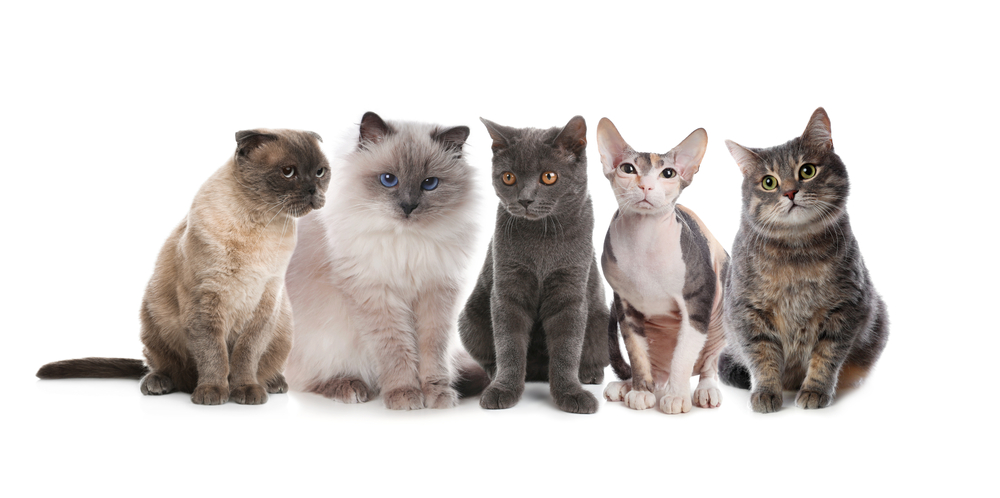
Knowing your cat’s breed can be tricky without expert help. Professionals can provide clear answers about your cat’s type. Their knowledge comes from years of experience with cats and breeds. Talking to them gives you reliable information. Here are some experts who can help you understand your cat’s breed better.
Veterinarians’ Insights
Veterinarians see many cats daily. They notice breed traits in fur, size, and shape. Vets can often guess your cat’s breed by examining it closely. They also know about breed-related health issues. This knowledge helps identify your cat’s background. A vet visit is a good first step.
Cat Breeders’ Expertise
Cat breeders specialize in specific breeds. They know the breed standards and unique features well. Breeders can spot rare or mixed breeds easily. They often have experience with many cats over the years. Asking a breeder can give detailed breed information. Breeders also understand how breeds behave and look.
Animal Behaviorists
Animal behaviorists study how cats act and react. Some breed traits show in behavior patterns. They can tell if your cat’s actions match certain breeds. Behaviorists use this to guess your cat’s breed mix. Their insights add another layer to breed identification. This helps if physical traits are unclear.
Dna Testing For Cats
DNA testing offers a clear way to learn about your cat’s breed. It reveals your cat’s unique genetic makeup. This helps identify breed mix and traits. DNA tests are simple and done at home. You just need to send a sample to the lab. Results arrive in a few weeks, showing detailed breed information.
How Cat Dna Tests Work
DNA tests analyze your cat’s saliva or cheek cells. You use a small swab inside your cat’s mouth. The sample contains cells with DNA. The lab compares these to a breed database. It looks for unique markers linked to specific breeds. This process reveals your cat’s breed mix. Some tests also check for health risks or traits.
Popular Dna Testing Kits
Several DNA kits suit cat owners. Wisdom Panel and Basepaws are well-known brands. They are easy to use and affordable. These kits provide detailed breed reports. They also offer insights into your cat’s health. Most kits include clear instructions. Shipping the sample back is simple and prepaid.
Interpreting Dna Results
Results show your cat’s breed percentages. Some cats have one main breed. Others show a mix of many breeds. Reports explain breed traits and history. Health reports highlight possible genetic issues. Use this info to understand your cat better. It helps with care and feeding choices. DNA results bring you closer to your pet.
Combining Clues For Accurate Identification
Combining different clues helps find your cat’s breed more accurately. No single sign shows the full picture. Using many clues together gives a clearer view.
Physical traits and behavior give strong hints. DNA tests add more proof. Writing down your findings keeps things organized.
Comparing Physical And Behavioral Traits
Start with your cat’s size, shape, and coat color. Notice ear shape, eye color, and tail length. Watch how your cat moves and plays. Some breeds have unique behaviors. For example, Siamese cats often talk a lot. Maine Coons are usually very friendly and big.
Cross-referencing With Dna Results
DNA tests help confirm breed guesses. These tests show your cat’s mix of breeds. Match DNA results with what you see. DNA can reveal breeds you did not expect. It gives a science-based answer to breed questions.
Documenting Your Findings
Write down all traits and behaviors you notice. Keep DNA test results in one place. Compare your notes with breed descriptions. This helps track what fits best. Documentation makes future checks easier and clearer.
:max_bytes(150000):strip_icc()/black-white-cat-on-lap-dpddm-JD-913-2000-9ba4ae3a902544d88af9f7ded6d7fe0c.jpg)
Credit: www.dailypaws.com
Frequently Asked Questions
How Can I Identify My Cat’s Breed At Home?
Observe your cat’s size, coat color, and pattern carefully. Compare these traits with breed profiles online. Note unique features like ear shape or tail type for clues.
Are Cat Dna Tests Reliable For Breed Identification?
Yes, cat DNA tests provide accurate breed information. They analyze genetic markers to identify breeds and ancestry. Use reputable services for the best results.
What Physical Traits Reveal My Cat’s Breed?
Look for distinctive fur length, color patterns, and body shape. Eye color, ear shape, and tail type also indicate specific breeds. These traits help narrow down breed possibilities.
Can Mixed Breed Cats Show Traits Of Several Breeds?
Yes, mixed breed cats often display combined features from different breeds. This can make identifying a single breed challenging but interesting. DNA tests can clarify their mixed heritage.
Conclusion
Knowing your cat’s breed helps you understand its behavior and needs. You can observe physical traits and personality to guess the breed. DNA tests offer more precise answers for curious cat owners. Remember, every cat is unique, no matter the breed.
Enjoy learning about your furry friend’s background. This knowledge makes caring for your cat easier and more fun. Keep watching and loving your pet every day.