
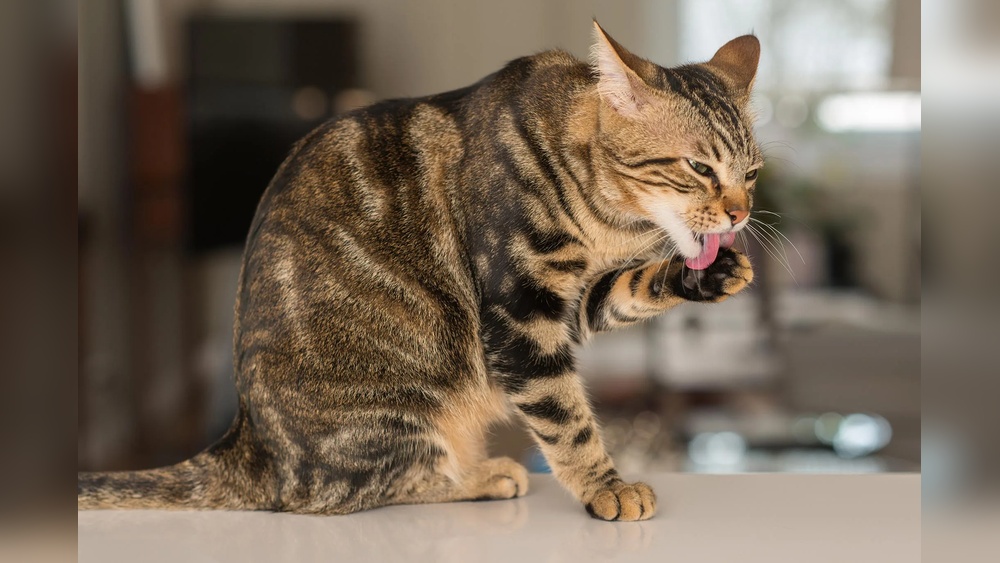
Have you noticed your cat spending more time than usual licking and cleaning itself? When your furry friend starts grooming a lot, it might seem normal at first, but it can also be a sign that something is off.
You might wonder, “Why is my cat grooming a lot? ” Understanding the reasons behind this behavior is important—not just for your cat’s comfort but for their health too. Keep reading to discover what could be causing your cat’s extra grooming and what you can do to help.
Credit: www.mspca.org
Normal Grooming Habits
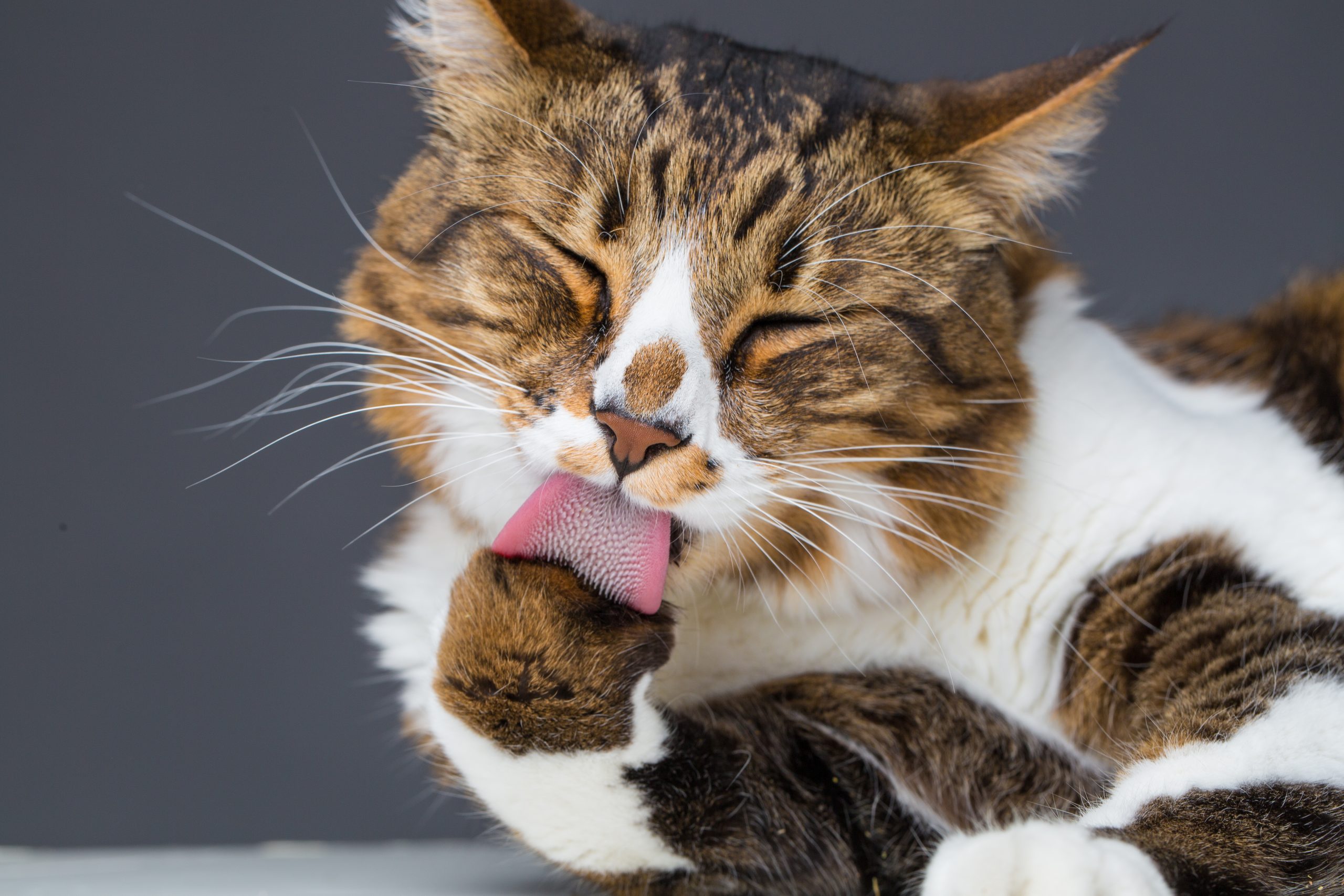
Cats spend a good part of their day grooming themselves. This behavior is normal and natural. Grooming keeps their fur clean and healthy. It also helps them feel comfortable and safe.
Understanding normal grooming habits helps you know when your cat is okay. It also alerts you to any problems early on.
Purpose Of Grooming
Grooming removes dirt and loose fur from a cat’s coat. It stops mats and tangles from forming. Cats also spread natural oils on their fur. This keeps their skin soft and fur shiny.
Grooming helps cats stay cool in hot weather. It also warms them up when it is cold. Another reason is to calm down. Grooming reduces stress and anxiety in cats.
Frequency Variations
Not all cats groom the same amount. Some cats groom many times a day. Others may groom less often. Age, breed, and health can change grooming habits.
Young cats usually groom more than old cats. Long-haired cats need more grooming than short-haired cats. If your cat grooms too much or too little, watch closely. It might mean a health problem.
Credit: www.pumpkin.care
Stress And Anxiety
Cats often groom themselves to stay clean. But grooming can also show stress or anxiety. When cats feel nervous, they may groom more than usual. This extra grooming helps them calm down. It is a way to soothe their mind and body.
Stress and anxiety in cats can come from many places. Changes in their environment or routine can upset them. Understanding what causes stress helps you care for your cat better. Watching their behavior gives clues about their feelings.
Common Stress Triggers
New people or animals in the house can stress cats. Loud noises like fireworks or vacuum cleaners scare them. Moving to a new home or changing furniture can cause anxiety. Even a visit to the vet may upset them. Cats like routine and quiet. Any change can lead to extra grooming.
Behavioral Signs
Stress in cats shows in many ways. Besides grooming a lot, they may hide more. Some cats become very quiet or stop eating. Others might meow loudly or act restless. Watch for bald spots from too much licking. These signs mean your cat feels worried.
Skin Allergies
Cats groom themselves to stay clean. Excessive grooming can mean a problem. Skin allergies often cause this behavior. Allergies make a cat’s skin itchy and uncomfortable. This leads to more licking and biting. Understanding skin allergies helps in managing your cat’s health better.
Types Of Allergies
Cats can have several allergy types. Flea allergy is common and very itchy. Food allergies cause skin irritation too. Environmental allergies come from pollen or dust. Each allergy type affects grooming habits differently. Identifying the type helps in treatment.
Identifying Symptoms
Watch for constant scratching or biting. Red, inflamed skin shows irritation. Hair loss in patches is a warning sign. Scabs or sores may appear on the skin. Your cat may lick certain spots often. These symptoms suggest possible skin allergies.
Parasite Infestations
Parasite infestations cause cats to groom excessively. These tiny pests irritate their skin. Cats try to soothe this discomfort by licking and scratching. Parasites can lead to redness, sores, and hair loss. Paying attention to grooming habits helps spot infestations early.
Fleas And Mites
Fleas are small insects that jump on cats. They bite and cause itching and irritation. Flea saliva can cause allergic reactions in some cats. Mites are tiny bugs living in or on the skin. They cause intense itching and skin damage. Both fleas and mites make cats groom more than usual.
Preventive Measures
Regularly check your cat for signs of parasites. Use flea and mite treatments recommended by your vet. Keep your cat’s bedding and living area clean. Vacuum carpets and furniture often to remove pests. Avoid contact with stray animals that may carry parasites. Early prevention reduces discomfort and excessive grooming.
Pain Or Discomfort
Cats groom themselves to stay clean and comfortable. Excessive grooming may mean pain or discomfort. Cats often lick or bite areas that hurt. This behavior helps them soothe their pain.
Watch your cat closely. Changes in grooming habits can signal health issues. Understanding why your cat grooms a lot can help you act fast.
Injuries And Infections
Injuries can cause your cat to groom more than usual. Cuts, scrapes, or bites hurt and make cats lick those spots. Infections also cause discomfort and itching. Bacterial or fungal infections may need treatment. Grooming helps cats try to clean and heal these areas.
Spotting Affected Areas
Look for red or swollen spots on your cat’s skin. Bald patches or scabs show where grooming is focused. Check for signs of bleeding or pus. These signs indicate pain or infection. Your cat may also seem restless or irritable near these areas. Finding affected spots helps you seek proper care quickly.
Credit: catbehaviorassociates.com
Medical Conditions
Excessive grooming in cats often signals a medical issue. Understanding these conditions helps address your cat’s discomfort. Some health problems cause itching or stress, leading cats to groom more than usual. Identifying the root cause is key to proper care and treatment.
Hormonal Imbalances
Hormonal changes can affect your cat’s skin and behavior. Thyroid problems often cause restlessness and increased grooming. Female cats with hormonal shifts might lick more due to discomfort. These imbalances can make the skin sensitive or itchy. A vet can check hormone levels and suggest treatment.
Skin Disorders
Skin problems are common reasons for frequent grooming. Allergies, infections, or parasites cause itching and irritation. Cats lick to soothe their skin or remove irritants. You may see redness, bald spots, or scabs. Early veterinary care stops the problem from worsening.
Diet And Nutrition
Diet and nutrition play a big role in your cat’s grooming habits. What your cat eats affects its skin and coat health. A poor diet can cause itchiness, dryness, or irritation. These problems make your cat lick or scratch more than usual. Good nutrition helps keep the skin healthy and the fur shiny.
Impact On Skin Health
Your cat’s skin needs the right nutrients to stay healthy. Lack of vitamins or fatty acids can cause dry, flaky skin. This dryness leads to itching and over-grooming. Poor skin health can also cause redness or sores. Feeding your cat a balanced diet supports strong skin barriers. Healthy skin means less irritation and less grooming.
Recommended Nutrients
Fatty acids like omega-3 and omega-6 keep skin soft and smooth. Vitamins A, E, and B-complex help skin repair and stay hydrated. Protein is vital for fur growth and repair. Zinc supports wound healing and skin strength. A diet rich in these nutrients lowers the chance of skin problems. Choose cat food that lists these nutrients in its ingredients.
When To See A Vet
Excessive grooming in cats can signal health problems. Knowing when to see a vet helps protect your cat. Early vet visits can prevent serious issues.
Warning Signs
Look for bald spots or red, irritated skin. Notice if your cat grooms more than usual. Scratching, biting, or licking paws often may show discomfort. Changes in behavior, such as hiding or aggression, are red flags. Watch for hair loss or scabs on the body. These signs need a vet’s check.
Diagnosis And Treatment
The vet will examine your cat’s skin and coat carefully. Tests may include skin scrapings or allergy checks. Treatment depends on the cause, like fleas or infections. The vet may prescribe medicine or special shampoo. Follow all care instructions to help your cat heal. Regular check-ups keep your cat healthy and comfortable.
Tips To Reduce Excessive Grooming
Excessive grooming can signal stress or health issues in cats. Reducing this behavior helps keep your cat happy and healthy. Simple changes at home and regular health checks can make a big difference.
Environmental Enrichment
Provide toys and playtime to keep your cat busy. Cats groom less when they have fun activities. Create spaces for climbing and hiding. New experiences reduce boredom and stress. Rotate toys to keep interest high. A happy cat grooms less.
Regular Vet Checkups
Schedule vet visits to rule out skin problems or allergies. Pain and discomfort often cause over-grooming. Early diagnosis helps prevent serious issues. Your vet can suggest treatments or changes in diet. Regular checkups keep your cat comfortable and calm.
Frequently Asked Questions
Why Is My Cat Grooming Excessively?
Excessive grooming in cats may indicate stress, allergies, or skin irritation. It’s important to monitor behavior and consult a vet if it persists.
Can Grooming Indicate A Health Problem In Cats?
Yes, frequent grooming can signal infections, parasites, or pain. Early vet visits help diagnose and treat underlying health issues promptly.
How Does Stress Affect My Cat’s Grooming Habits?
Stress causes cats to groom more as a coping mechanism. Identifying stressors and providing a calm environment can reduce over-grooming.
Is My Cat Grooming Too Much Due To Fleas?
Fleas cause itching, leading to increased grooming. Check for flea signs and use vet-recommended treatments to control infestations effectively.
Conclusion
Cats groom to stay clean and feel comfortable. Excessive grooming can signal stress or health issues. Watch for bald spots or skin problems. Keep your cat calm and provide a safe space. Regular vet check-ups help catch problems early. Understanding your cat’s grooming habits shows you care.
Stay patient and observe changes carefully. Your cat’s health depends on your attention and love.