

Have you ever wondered why cats seem to master potty training so quickly, while dogs take much longer? If you’ve struggled with teaching your dog where to go, you’re not alone.
Understanding why cats are easier to potty train can save you time, frustration, and even keep your home cleaner. You’ll discover the surprising reasons behind this difference and learn tips that can make training your furry friend a smoother experience.
Keep reading—your pet training routine might just change for the better.
Natural Instincts Of Cats
Cats have strong natural habits that help them use the bathroom correctly. Their instincts guide them to keep clean and cover their waste. These natural behaviors make potty training easier for cats than dogs. Understanding these instincts helps explain why cats learn quickly.
Cats’ Self-cleaning Habits
Cats spend a lot of time grooming themselves. They lick their fur to remove dirt and smells. This habit keeps them clean and fresh. Because cats want to stay clean, they prefer to use a specific spot for bathroom needs. This strong self-cleaning instinct encourages cats to use a litter box.
Burial Instincts And Litter Use
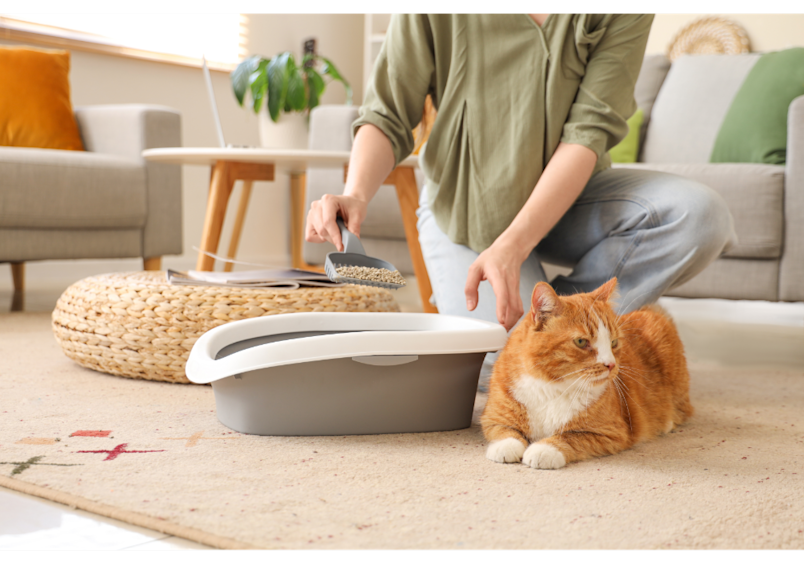
Cats have a natural urge to bury their waste. In the wild, covering their waste hides their scent from predators. This instinct makes cats want to cover their urine and feces. A litter box provides a perfect place for cats to dig and bury. This behavior makes potty training simpler and more natural for cats.
Credit: www.embracepetinsurance.com
Dogs’ Potty Training Challenges
Training dogs to potty can be a tough task for many pet owners. Dogs have unique habits that make the process slower and more challenging. Understanding these challenges helps explain why cats often seem easier to train.
Different Elimination Behaviors
Dogs do not have a natural place for potty. They need to learn where it is okay to go. This takes time and patience. Dogs often sniff and circle before they go. This behavior means owners must watch closely to take them outside.
Dogs may also hold their potty for a long time. This can cause accidents inside the house. Puppies and young dogs often have weaker control, making training longer. Unlike cats, dogs rely on their owners for potty breaks.
Impact Of Size And Energy Levels
Dogs come in many sizes, from tiny to very large. Larger dogs can make bigger messes if they go inside. This can be frustrating for owners. High-energy dogs need more frequent potty breaks. They might not focus on the training because of their excitement.
Smaller dogs may have smaller bladders and need to go more often. This means more trips outside. Dogs with high energy also need more exercise, which can complicate potty schedules. These factors make potty training a longer process.
Role Of Independence In Training
The role of independence plays a big part in how easily pets learn to use the bathroom. Cats naturally like to do things on their own. This makes potty training less stressful for them and for owners. Dogs, on the other hand, look for more help and direction. This difference affects how training works for each animal.
Cats’ Solo Nature
Cats are very independent animals. They prefer to handle tasks themselves. This includes finding a quiet spot to relieve themselves. Cats use their instincts to dig and cover their waste. They quickly learn to use a litter box without much help. Their natural habits make them less reliant on human guidance.
Dogs’ Need For Guidance
Dogs depend more on people for training. They look for cues from their owners. Dogs want to please and follow commands. They need a routine and clear instructions. Potty training a dog takes patience and consistent teaching. Without guidance, dogs may struggle to learn bathroom habits quickly.
Environmental Factors
Environmental factors play a big role in why cats are easier to potty train than dogs. Cats adapt quickly to indoor spaces. Their natural instincts guide them to use a specific spot for bathroom needs. Dogs, on the other hand, often need outdoor training. This difference shapes how each pet learns bathroom habits.
Litter Boxes Vs. Outdoor Training
Cats use litter boxes, which are clean, quiet, and always available. This convenience helps cats learn fast. The litter box feels like a safe bathroom place. Dogs need to go outside to relieve themselves. Weather, distractions, and timing affect their training. Finding the right outdoor spot takes patience. Dogs rely on owners to take them out regularly. This makes training slower and less consistent.
Consistency And Routine Differences
Cats use the litter box anytime they need. Their routine is simple and steady. They learn quickly where to go. Dogs need scheduled walks to potty. Owners must watch for signs and act fast. Missing these signs causes accidents inside. Dogs need more time to build good habits. Cats’ bathroom habits fit easily into daily life.
Owner Involvement And Patience
Owner involvement and patience play key roles in potty training pets. Cats tend to require less hands-on time compared to dogs. They learn from natural instincts and quick habits. Dogs need more guidance and consistent routines to succeed.
Patience helps owners stay calm through mistakes and accidents. Repeating steps daily builds trust and understanding between pet and owner. Both cats and dogs benefit from gentle correction and praise. This creates a positive learning environment.
Training Techniques For Cats
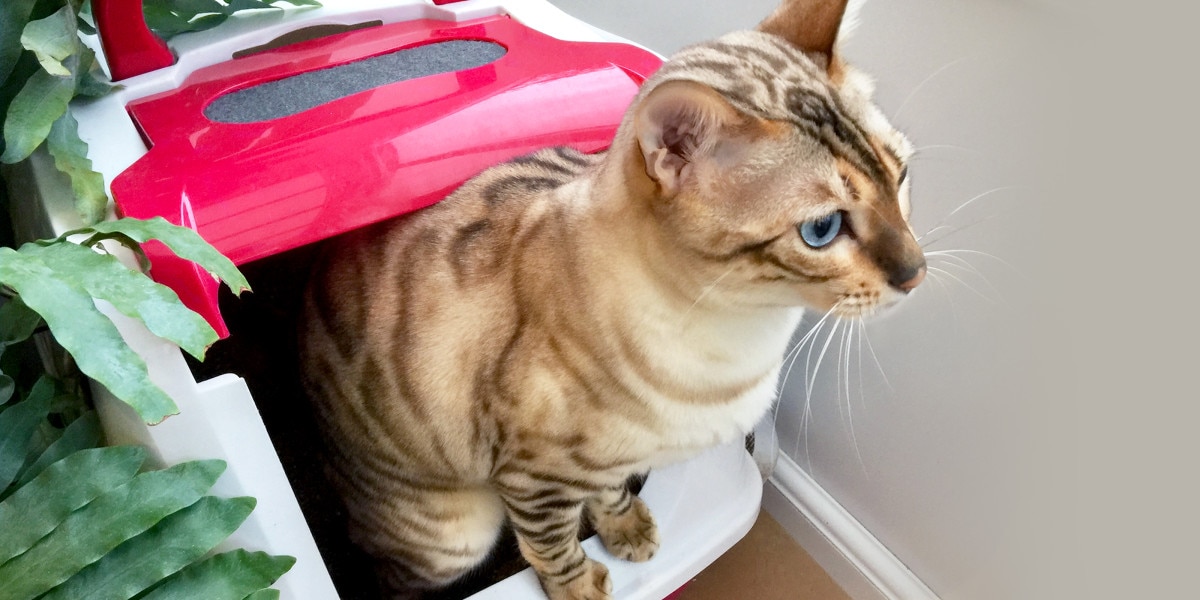
Cats use litter boxes because it suits their natural habits. Place the box in a quiet, accessible spot. Show the cat where the litter box is after meals and naps. Clean the box often to encourage use. Avoid punishment; instead, reward with gentle petting or treats. Cats learn quickly through routine and cleanliness.
Effective Dog Potty Training Methods
Dogs need set times for potty breaks each day. Take dogs outside first thing in the morning and after meals. Use a consistent command like “go potty” to signal the task. Praise dogs immediately after they go outside. Watch for signs like sniffing or circling. Use crate training to help dogs hold it longer. Stay patient; dogs take longer to fully learn.
Credit: www.purina.com
Common Misconceptions
Many people believe certain ideas about potty training cats and dogs. These ideas are not always true. Understanding common misconceptions helps us see why cats are often easier to potty train than dogs. It clears up confusion and guides pet owners better.
Cats Are Always Easy To Train
Not all cats learn potty habits quickly. Some cats take time to adjust to new places. Stress or illness can slow down training. Each cat has its own personality and habits. Training depends on patience and consistency, not just the animal’s nature.
Dogs Can’t Learn To Use Litter
Many think dogs can’t use litter boxes. Dogs can learn to use litter with the right steps. Smaller dogs or puppies often adapt well. It requires training and encouragement. Dogs need clear signals and routine to succeed.
Health And Behavioral Considerations
Health and behavior play a big role in how easy it is to potty train pets. Cats have natural habits that help with litter training. They tend to hide their waste, so they use a specific spot. Dogs, on the other hand, need more guidance and patience. Their behavior and health can affect potty training success. Understanding these factors helps owners manage training better.
Signs Of Potty Issues In Cats
Cats usually use their litter box without problems. Sudden changes can mean health issues. Watch for signs like frequent urination or blood in urine. Avoiding the litter box or going outside it shows discomfort. These signs often point to infections or stress. Early action is important to keep cats healthy. Check with a vet if problems continue.
Addressing Accidents In Dogs
Dogs may have accidents during potty training. This is common but needs attention. Look for patterns like accidents in the same spot. This can indicate confusion or medical problems. Clean accidents well to remove odors. This stops repeat accidents in the same place. Consistent training and positive rewards help dogs learn faster. Patience and routine improve success in potty training dogs.

Credit: www.reddit.com
Frequently Asked Questions
Why Are Cats Naturally Easier To Potty Train?
Cats instinctively bury their waste, making them easier to potty train. Their natural habits align with litter box use. This reduces accidents and speeds up training compared to dogs, who need more guidance and consistency.
How Does A Cat’s Behavior Aid Potty Training?
Cats are independent and clean animals. They prefer a specific place to eliminate waste. This instinct helps them quickly adapt to litter boxes, unlike dogs who require repetitive training and supervision.
Can Dogs Be Potty Trained As Easily As Cats?
Dogs can be potty trained but need more time and patience. Unlike cats, dogs don’t have a natural instinct to bury waste. Consistent routines and positive reinforcement are essential for successful dog potty training.
What Role Does Litter Box Design Play In Cat Training?
A well-designed litter box encourages cats to use it consistently. It should be clean, accessible, and comfortable. Proper litter box placement reduces accidents and supports easy potty training for cats.
Conclusion
Cats use their natural instincts to stay clean and use a litter box. They learn quickly without much help from owners. Dogs need more training and patience to potty outside. Cats’ independence makes potty training easier for busy people. Choosing a pet depends on your lifestyle and time.
Understanding these differences helps you care better for your pet. Potty training success feels good for both you and your animal friend. Simple steps and patience lead to happy homes with well-trained pets.