
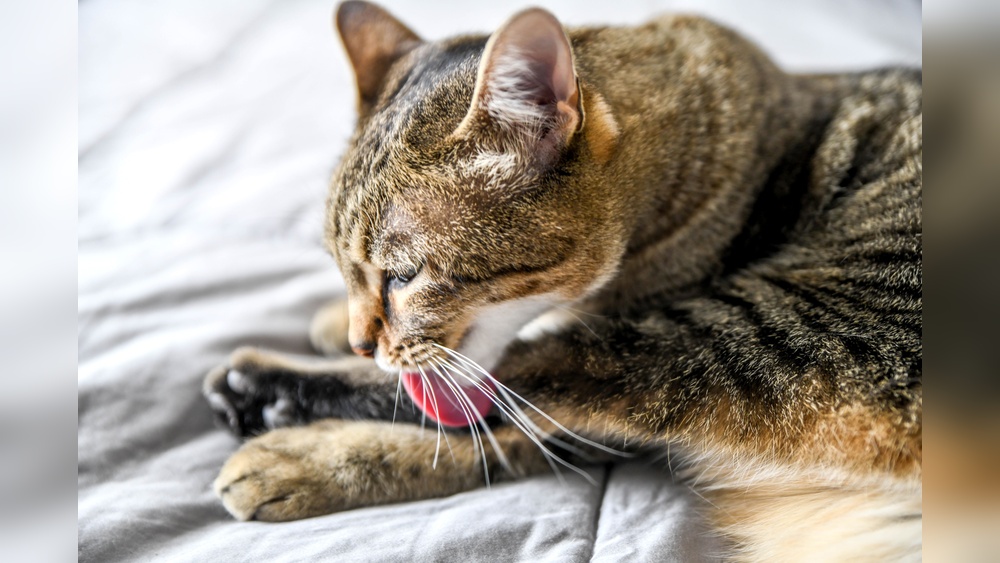
Is your cat spending too much time licking or biting its fur? Excessive grooming can be a sign that something is wrong, and it may lead to skin problems or discomfort for your furry friend.
If you’ve noticed your cat over-grooming, you’re probably wondering what you can do to help. You’ll discover simple and effective ways to treat your cat’s excessive grooming. By understanding the causes and learning how to respond, you can bring relief to your pet and restore their happy, healthy routine.
Keep reading to find out how to protect your cat’s well-being and stop the cycle of over-grooming.
Causes Of Excessive Grooming
Excessive grooming in cats can signal several underlying issues. Understanding the causes helps in managing and treating this behavior effectively. Cats groom to clean and relax. But too much grooming points to problems that need attention.
Medical Issues
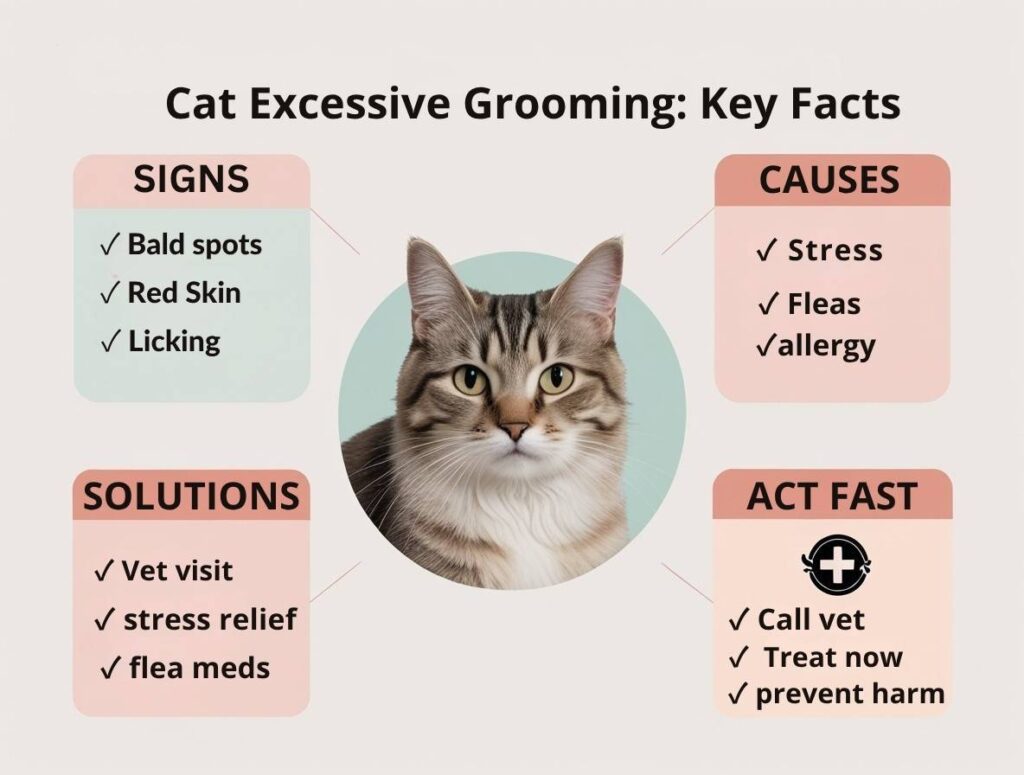
Skin allergies often cause itching and discomfort. Parasites like fleas make cats scratch and lick more. Pain from injuries or arthritis can lead to excessive grooming. Hormonal imbalances may also change grooming habits. A vet checkup is essential to rule out medical causes.
Stress And Anxiety
Cats feel stressed from changes in their environment or routine. Loud noises or new pets can cause anxiety. Grooming becomes a way to calm themselves. Stress-related grooming often leads to bald spots or sores. Identifying stress triggers helps reduce this behavior.
Environmental Factors
Dirty or uncomfortable living spaces may cause more grooming. Lack of stimulation or boredom can increase licking. Temperature changes might also affect grooming habits. Providing a clean, safe, and engaging environment helps control excessive grooming.
Behavioral Problems
Some cats develop compulsive grooming, a repetitive behavior. This can be due to frustration or lack of attention. It may also result from learned habits. Behavioral issues often need both environmental changes and vet advice. Patience and consistency are key to improvement.

Credit: www.reddit.com
Signs Of Over-grooming
Recognizing the signs of over-grooming in cats is important for their health. Excessive grooming can harm their skin and fur. It can also signal stress or health problems. Knowing these signs helps you act quickly and keep your cat comfortable.
Bald Spots And Skin Irritation
Look for areas where fur is missing or thin. These bald spots often appear on the belly, legs, or around the neck. The skin may look red, dry, or swollen. Scratches or sores can also show up from constant licking or biting.
Frequent Licking Or Biting
Notice if your cat licks or bites the same spot often. This behavior goes beyond normal grooming. It can happen several times in a short period. The cat may seem restless or unable to stop licking that area.
Changes In Behavior
Over-grooming can cause changes in your cat’s mood. Your cat might seem anxious or nervous. It may hide more or avoid playtime. Watch for signs of stress like pacing or vocalizing more than usual.
Veterinary Diagnosis
Veterinary diagnosis is the first step to treat excessive grooming in cats. A vet helps find the root cause of this behavior. This process involves several tests and checks. Each helps rule out health issues or allergies that may cause over-grooming.
Physical Examination
The vet starts with a full physical exam. They check the cat’s skin and coat for signs of irritation or injury. The vet looks for bald spots, redness, or wounds. This exam helps identify if grooming is due to pain or discomfort. They may also check for fleas or parasites. These pests often cause itching and licking.
Allergy Testing
Allergies often cause cats to groom too much. The vet may suggest allergy testing to find triggers. This can be a blood test or a skin test. Tests check for reactions to food, pollen, or dust mites. Identifying allergies helps create a treatment plan. Avoiding allergens can reduce the cat’s grooming behavior.
Skin Scrapings And Cultures
Skin scrapings help find infections or parasites under the skin. The vet gently scrapes the affected area and examines it under a microscope. This test looks for mites, bacteria, or fungi. Cultures may also be done to grow bacteria or fungi in a lab. These tests confirm infections that cause itching and grooming. Treating infections can stop the excessive grooming.
Credit: doctorgroomer.com
Treatment Options
Excessive grooming in cats can cause skin problems and discomfort. Treating this behavior is important for your cat’s health. Several treatment options help reduce over-grooming and improve your cat’s well-being. Each method targets different causes and symptoms. Understanding these choices helps you decide the best care approach.
Medications And Topical Treatments
Veterinarians often prescribe medications to control itching and inflammation. Anti-inflammatory drugs reduce skin irritation and calm the cat. Antibiotics treat infections caused by constant licking or scratching. Topical creams and sprays soothe irritated skin and promote healing. These treatments ease discomfort and stop further damage.
Addressing Allergies
Allergies can trigger excessive grooming in cats. Identifying food or environmental allergens is crucial. A special diet may remove common allergens to test reactions. Reducing exposure to dust, pollen, or chemicals helps as well. Allergy treatments relieve symptoms and lower the urge to groom excessively.
Behavioral Therapy
Stress and anxiety often cause over-grooming. Behavioral therapy helps change these habits. Training and positive reinforcement teach the cat to relax. Avoid punishment, which increases stress and worsens grooming. Consulting an animal behaviorist can provide tailored strategies. This therapy improves emotional health and reduces grooming behavior.
Environmental Enrichment
A boring environment may lead cats to groom too much. Providing toys, climbing areas, and scratching posts keeps them busy. Regular playtime with owners offers mental and physical exercise. A stimulating environment reduces stress and grooming urges. Enrichment creates a happier and healthier cat.
Preventing Future Over-grooming
Preventing future over-grooming in cats helps keep them healthy and happy. Over-grooming often starts from stress, illness, or poor nutrition. Taking steps to reduce stress, maintain good health, and provide proper food can stop this behavior from coming back. Here are simple ways to help your cat stay calm and comfortable.
Stress Reduction Techniques
Stress causes many cats to groom too much. Create a calm space for your cat to relax. Use soft bedding and quiet rooms. Play gentle music or use calming sprays made for cats. Spend time petting and talking softly to your cat. Regular play with toys also helps reduce anxiety.
Regular Vet Checkups
Health issues can cause over-grooming. Take your cat to the vet for regular exams. The vet can spot skin problems or allergies early. Treating these conditions stops your cat from licking too much. Keep vaccinations and parasite control up to date. A healthy cat grooms less.
Proper Nutrition
Good food supports your cat’s skin and coat health. Feed a balanced diet with essential vitamins and fatty acids. These nutrients keep fur shiny and skin moist. Avoid feeding low-quality or inappropriate food. Fresh water must always be available. Healthy cats feel better and groom less.
When To Seek Professional Help
Excessive grooming in cats can signal deeper health issues. Knowing when to seek professional help is key. Early intervention can prevent serious problems. Watch your cat closely for warning signs. Acting fast helps your cat heal better.
Signs Of Severe Distress
Cats in severe distress may hide or act restless. They might meow loudly or refuse food. Sudden aggression or extreme lethargy also shows trouble. These behaviors mean your cat needs a vet’s care. Do not wait to get help.
Persistent Skin Damage
Look for raw, bleeding, or scabby spots on skin. Constant licking can worsen wounds and cause infection. Hair loss patches that do not heal need attention. A vet can treat infections and find the cause. Ignoring skin damage can lead to bigger problems.
Lack Of Improvement With Home Care
Try basic home treatments like calming your cat or changing diet. If grooming stays excessive after weeks, seek expert advice. Home care may not solve medical or anxiety issues. A professional can diagnose and recommend proper treatment. Do not delay if no progress appears.

Credit: doctorgroomer.com
Frequently Asked Questions
What Causes Excessive Grooming In Cats?
Excessive grooming in cats can be caused by stress, allergies, parasites, or skin infections. Identifying the root cause is essential for effective treatment.
How Can I Stop My Cat From Over-grooming?
To stop over-grooming, reduce stress, treat underlying health issues, and provide environmental enrichment. Consult a vet for proper diagnosis and treatment.
Is Excessive Grooming Harmful To Cats?
Yes, excessive grooming can lead to skin irritation, hair loss, and wounds. It may also indicate health or emotional problems needing attention.
When Should I See A Vet For My Cat’s Grooming?
If your cat grooms excessively for more than a week or shows skin damage, consult a vet immediately for professional advice and care.
Conclusion
Excessive grooming in cats needs careful attention and patience. Watch your cat’s behavior closely for any changes. Providing a calm and safe space helps reduce stress. Regular vet visits can spot health issues early. Use gentle care to support your cat’s well-being.
Small changes can make a big difference over time. Taking action today helps your cat feel better tomorrow. Keep learning and adjusting to your cat’s needs. Your care matters most in helping your furry friend.