
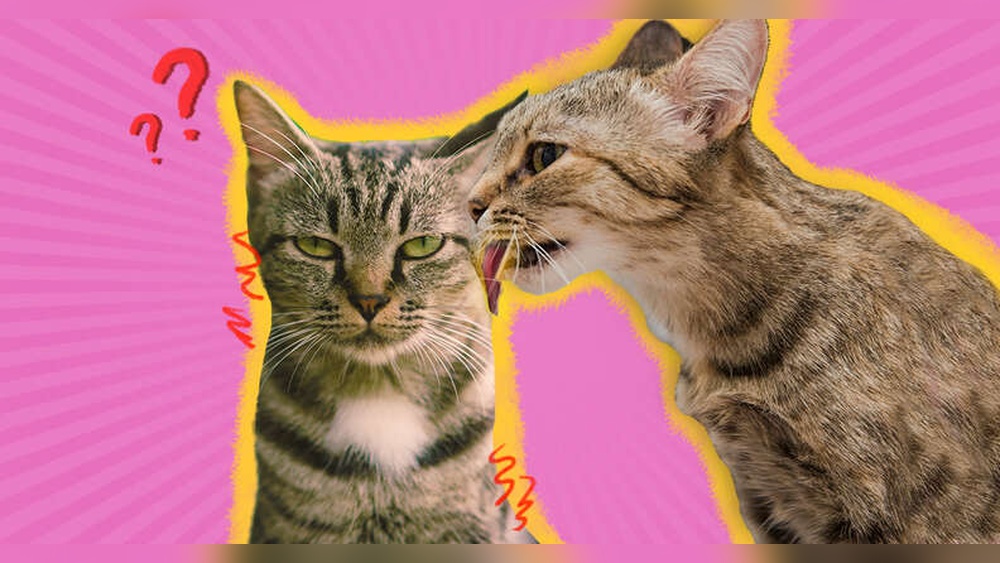
Have you ever watched cats grooming each other and wondered why they do it so intensely? If you’ve seen your cats lick and nibble their friends with surprising focus, you’re not alone.
This aggressive grooming might seem strange or even a little alarming at first. But there’s more to this behavior than meets the eye. Understanding why cats groom each other this way can help you better connect with your furry friends and even spot signs of their mood and health.
Keep reading to discover the fascinating reasons behind this unusual habit and what it means for your cats’ relationship.
Social Bonding
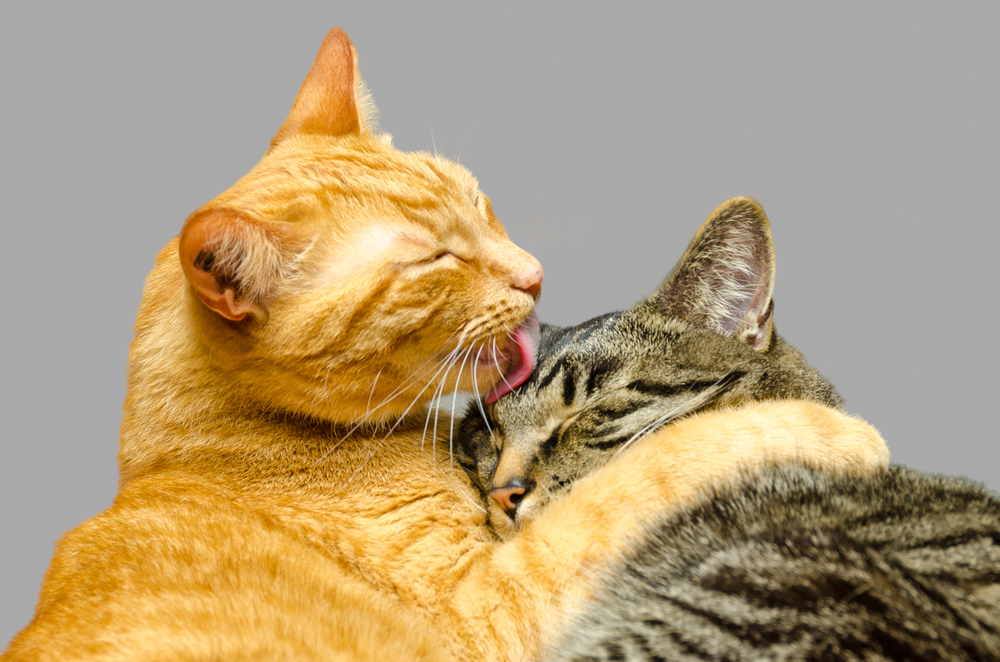
Social bonding is a key reason cats groom each other aggressively. This behavior helps build trust and closeness. Cats use grooming to connect and show care within their group. It is a natural way for cats to maintain friendships and feel safe.
Strengthening Relationships
Grooming tightly links cats together. It breaks down tension and creates comfort. Cats that groom each other often share strong bonds. This behavior shows respect and loyalty among cats. Aggressive grooming can signal deep affection and trust. It helps keep their relationship balanced and healthy.
Family And Pack Dynamics
In cat families, grooming plays a vital role. Mother cats groom their kittens to clean and protect them. Adult cats groom each other to keep the group united. It helps reduce fights and stress in the pack. Grooming signals cooperation and helps cats feel part of a team. This behavior is essential for group harmony and survival.
Credit: www.catster.com
Establishing Hierarchy
Cats use grooming to set their social order. This behavior helps them know who is in charge. Aggressive grooming can show who leads and who follows. It is a way cats talk without words. Understanding this helps us see why cats groom each other roughly sometimes.
Dominance Displays
Dominant cats groom others to show control. They often use forceful licking or biting. This action tells others who is boss. It stops fights and keeps peace. Dominant grooming can be quick and rough. It marks power without causing harm. Cats respect these clear signs of rank.
Submission Signals
Submissive cats accept rough grooming without fight. They stay still or lower their heads. This shows they accept the other’s power. They may purr or close their eyes to calm. This behavior helps avoid conflict. It keeps group harmony and balance. Grooming is a silent way to say “I yield.”
Stress Relief
Cats groom each other for many reasons. One key reason is stress relief. Grooming helps cats calm down and feel safe. It is a natural way for cats to handle stress. They use grooming to relax their body and mind.
Calming Effects
Grooming releases endorphins in a cat’s brain. These chemicals help reduce stress and pain. When cats groom each other, they share this calming effect. The act of grooming lowers their heart rate. It creates a peaceful moment for both cats.
Physical touch during grooming also soothes cats. It makes them feel cared for and less alone. This helps reduce feelings of fear or worry. Grooming is a gentle way cats comfort each other.
Handling Anxiety
Stress can make cats anxious and restless. Grooming helps them manage these feelings. When cats groom each other, they build trust and safety. This support lowers anxiety levels.
Aggressive grooming sometimes happens when cats feel very anxious. They use it as a way to control their nervous energy. The intense grooming can distract them from stress. It also helps release tension in their muscles.
Territorial Marking
Territorial marking plays a key role in why cats groom each other aggressively. Cats use grooming not just for cleanliness but to set boundaries. This behavior helps them mark their shared space clearly. It keeps other cats aware of the group’s presence.
Scent Sharing
When cats groom each other, they exchange scents. Their skin and fur carry unique smells. Grooming mixes these scents together. This blend creates a common group scent. It signals that these cats belong in the same territory.
This scent sharing helps reduce fights. Other cats recognize the smell and avoid entering. It acts as a natural boundary marker. Aggressive grooming ensures the scent spreads well across the group.
Group Identity
Grooming strengthens the group’s identity. Cats bond through this close contact. It shows loyalty and trust within the group. Aggressive grooming helps keep the group united.
This behavior also shows who leads the group. Dominant cats often groom others more forcefully. It reminds the group of the social order. Territorial marking through grooming is a clear group signal.
Health And Hygiene
Cats groom each other to keep clean and healthy. This behavior helps them stay neat and prevents illness. Grooming removes dirt and loose fur from their bodies. It also spreads natural oils that protect their skin and coat. These actions support their overall health and comfort.
Reaching Difficult Areas
Some parts of a cat’s body are hard to reach. The back of the neck and behind the ears are tricky spots. Cats help each other by grooming these areas. This teamwork ensures no spot is missed. It keeps their skin clean and reduces irritation.
Parasite Control
Cats groom to remove parasites like fleas and ticks. These pests cause itching and can carry diseases. Grooming helps catch and remove these parasites early. It lowers the risk of infections and skin problems. Mutual grooming strengthens their health and well-being.
Aggression Triggers
Aggression during grooming among cats can seem strange. Cats groom to bond and clean each other. Yet, sometimes this behavior turns rough or hostile. Understanding what triggers this aggression helps us care for cats better.
Overstimulation
Grooming can excite cats too much. Petting or licking for a long time may irritate them. Their skin becomes sensitive and they react by biting or scratching. This reaction is not anger but a way to stop the discomfort. Signs like tail flicking or skin twitching warn that the cat is overstimulated.
Resource Competition
Cats compete for resources like food, space, or attention. Grooming can become a way to show dominance. One cat may groom aggressively to control the other. This behavior keeps the weaker cat away from valuable resources. Understanding this helps owners manage multiple cats in the same home.
Signs Of Problematic Grooming
Signs of problematic grooming in cats show when their usual care turns into stress. Cats groom each other to bond and stay clean. Yet, aggressive grooming can hurt and cause issues. Spotting these signs early helps keep cats safe and happy.
When Grooming Becomes Harmful
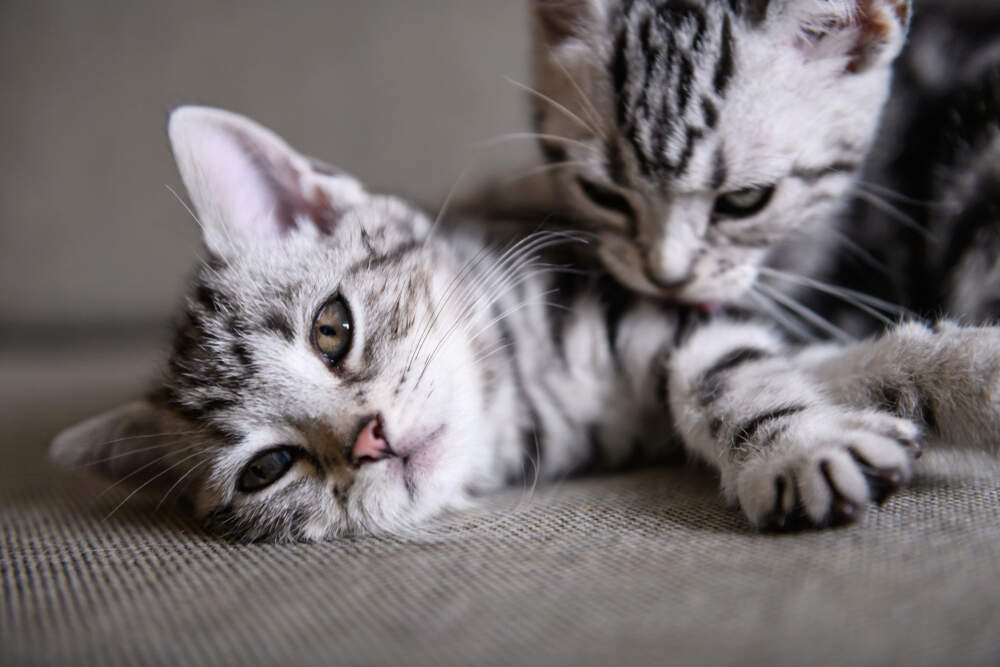
Aggressive grooming leaves wounds or bald patches on a cat’s fur. Cats may bite or scratch instead of licking gently. You might see redness or swelling on their skin. Grooming that causes pain or damage is harmful, not caring.
Behavioral Changes
Cats that groom each other too hard may act differently. They might hide more or avoid one another. Watch for increased aggression or fear during grooming times. Changes like these suggest the grooming is stressful, not friendly.
Credit: www.comfortzone.com
Managing Aggressive Grooming
Managing aggressive grooming in cats is important for their health and happiness. Too much grooming can cause skin damage and stress. Understanding how to handle this behavior helps keep peace between cats and protects their well-being.
This section explains practical ways to manage aggressive grooming. It covers methods to calm your cats and improve their environment. These steps reduce tension and encourage gentle grooming habits.
Intervention Techniques
Watch your cats closely to spot early signs of aggressive grooming. Interrupt the behavior gently using a soft voice or distraction. Use toys or treats to divert their attention. Avoid yelling or physical punishment; it can make stress worse. Give each cat some alone time to relax and cool down. Reward calm behavior to encourage positive interactions.
Environmental Adjustments
Provide enough space and resources for each cat. Separate feeding bowls and litter boxes reduce competition. Create cozy resting spots to help cats feel safe. Playtime and exercise help release built-up energy and stress. Use calming diffusers or sprays made for cats to ease tension. Keeping a clean, quiet, and stable environment supports peaceful grooming habits.

Credit: doctorgroomer.com
Frequently Asked Questions
Why Do Cats Groom Each Other Aggressively?
Cats groom aggressively to strengthen social bonds and establish hierarchy. It’s a mix of affection and dominance. This behavior also helps remove dirt and parasites from hard-to-reach areas, maintaining cleanliness in the group.
Is Aggressive Grooming A Sign Of Stress In Cats?
Not always. Aggressive grooming can show dominance or excitement, not just stress. However, excessive or harmful grooming might indicate anxiety or health issues, requiring attention from a vet.
How Does Aggressive Grooming Benefit Cat Relationships?
Aggressive grooming promotes trust and unity among cats. It reinforces social bonds and reduces tension within the group. This behavior helps cats communicate and maintain peaceful coexistence in shared spaces.
Can Aggressive Grooming Cause Harm To Cats?
Yes, if grooming becomes too intense or obsessive, it can cause skin irritation or injury. Owners should monitor the behavior and intervene if it leads to wounds or distress.
Conclusion
Aggressive grooming shows cats’ strong social bonds and trust. It helps them feel safe and stay clean. Sometimes, it can be a way to show dominance or set boundaries. Watching this behavior helps us understand cat relationships better. Remember, every cat is unique and may groom for different reasons.
Observing your cats closely can tell you a lot about their feelings. This natural behavior is part of how cats communicate and live together.