
Have you ever wondered if a breeder can tell that your cat has been declawed? It’s a question many cat owners don’t think about until they face it.
Knowing how breeders spot declawed cats can protect your pet’s health and help you make better decisions. You’ll discover the signs breeders look for and why it matters for your cat’s well-being. Keep reading to learn what every cat owner needs to know.
Credit: www.cstarnj.org
Visible Claw Absence
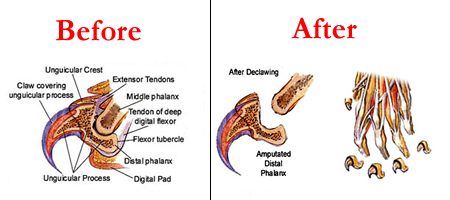
Visible claw absence is a clear sign that a cat has been declawed. This physical change is easy to spot for breeders who know what to check. Declawing removes the cat’s claws and part of the toe bones. This affects the cat’s paws and overall appearance.
Breeders often examine the cat’s paws closely. They look for missing claws and changes in the paw pads. These signs help them identify if a cat has been declawed.
Checking Paw Pads
Declawing changes the shape of the paw pads. The pads may appear flatter or smaller than usual. The skin around the toes may look smooth or even scarred. The absence of claw tips is visible at the end of the toes. Breeders carefully touch and inspect the paw pads to find these clues.
Behavioral Clues
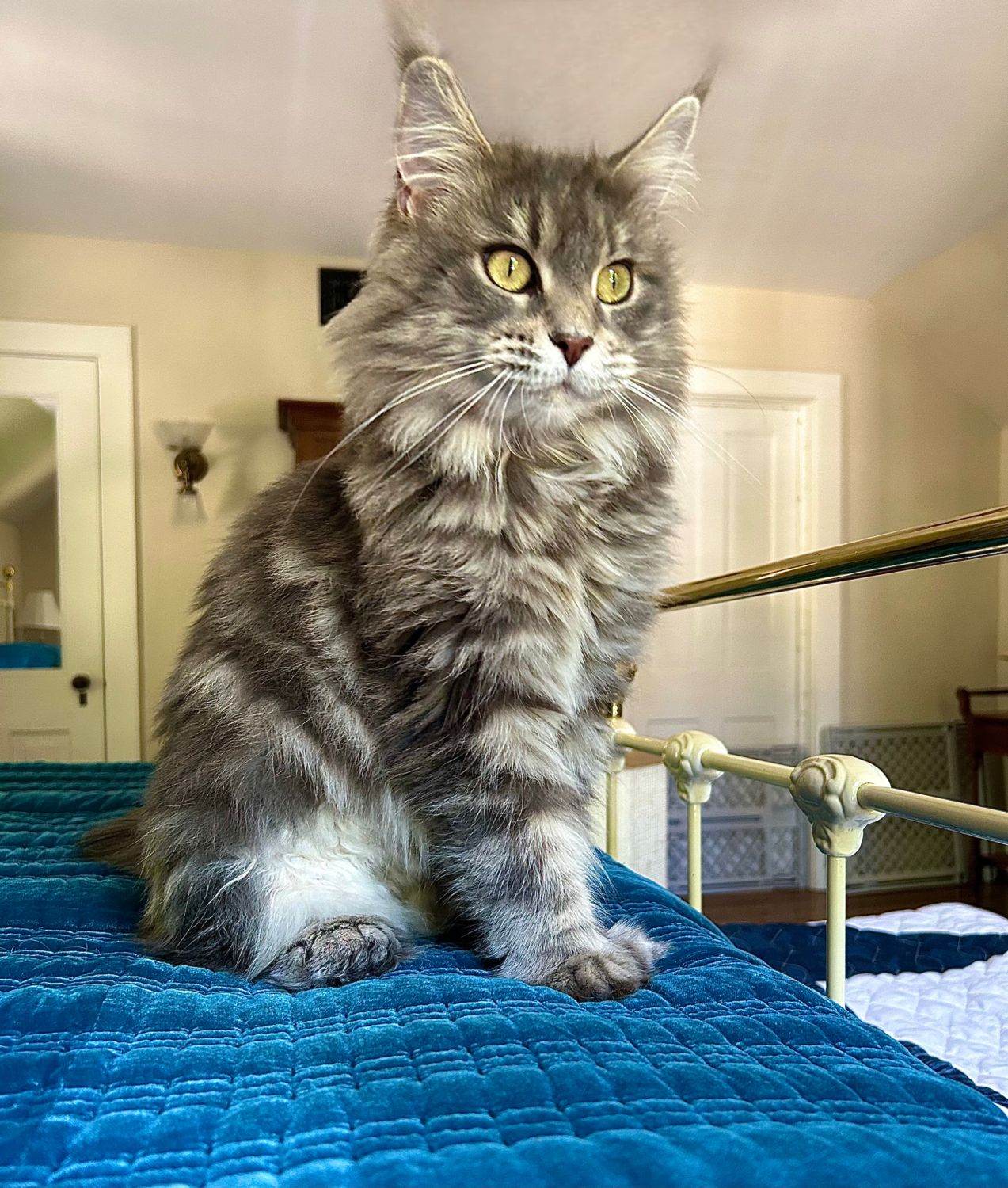
A declawed cat may show different behaviors. Some cats avoid jumping or climbing. They might walk softly to avoid paw pain. Breeders notice these changes in movement and activity. These behavior clues support what they see on the paws.
Credit: purebredcatrescue.org
Changes In Cat’s Movement
Cats rely on their claws for balance and movement. Removing claws can change the way a cat walks and moves. Breeders often notice these changes. They look closely at how the cat uses its paws.
Altered Walking Patterns
Declawed cats may walk differently than others. They might place their paws flat on the ground. This is unlike normal cats that walk on their toes. Their steps can seem heavier or less smooth. The cat may also take shorter steps. These changes can signal that the cat has been declawed.
Signs Of Discomfort
Movement may show discomfort or pain. The cat might limp or avoid putting weight on some paws. It may hesitate before jumping or climbing. Sometimes, the cat holds its paws up more often. These signs tell breeders the cat could be in pain. Pain often comes from declaw surgery or its aftereffects.
Behavioral Differences
Cats use their claws for many natural actions. These actions include scratching and playing. When a cat is declawed, these behaviors often change. Breeders can notice these changes. They look closely at how the cat acts. Behavioral differences show signs of declawing. These signs help breeders understand a cat’s history.
Reduced Scratching
Scratching is a strong instinct for cats. It helps them mark territory and keep claws sharp. Declawed cats often scratch less. They may avoid scratching surfaces or furniture. Sometimes, they try but show discomfort. This change in behavior is clear to breeders. They see less claw use during handling. Reduced scratching is a key sign of declawing.
Altered Play Habits
Play is important for cats’ health and mood. Cats with claws catch toys differently. Declawed cats may show less interest in chasing or catching. They often avoid rough play that needs claws. Their movements can be softer or slower. Breeders notice these differences quickly. Changes in play habits suggest the cat may be declawed.
Health Indicators
Health indicators can reveal if a cat has been declawed. Breeders often check for signs that show past claw removal. These signs are usually visible in the cat’s paws and behavior. Observing these can help breeders understand the cat’s history without needing a medical record.
Paw Swelling Or Scarring
Swelling in the paws may show old injury or surgery. Declawing leaves scars where the claws were removed. These scars can be small but clear to a trained eye. Sometimes, the paw pads might look uneven or thicker. This is a clue that the cat had surgery on its toes.
Limping Or Favoring Paws
Limping can signal pain or discomfort in a paw. A cat that favors one paw may have trouble using the others. Declawed cats might walk differently because of missing claws. This change in movement can last for a long time. Breeders watch how a cat walks to spot these signs.
Breeder’s Experience
Breeders have a deep understanding of cat care and behavior. They can often tell if a cat has been declawed. Their experience helps them notice small details that others might miss. This knowledge protects the health and well-being of the cats they breed.
Recognizing Common Signs
Breeders watch a cat’s paws closely. Declawed cats may have scars or uneven paw pads. They might walk differently or avoid using their front paws fully. Breeders notice these signs quickly because they see many cats regularly. These clues give them hints about past declawing.
Asking The Right Questions
Breeders ask direct questions about a cat’s history. They want to know if declawing was done and why. Honest answers help breeders understand the cat’s needs. This step ensures that the cat will live in a safe, caring environment.
Impact Of Declawing
Declawing a cat is a serious decision that affects its health and behavior. This surgery removes the claws and the last bone of each toe. Many breeders notice the signs of declawing because it changes how cats move and act. Understanding the impact helps explain why breeders might detect if a cat is declawed.
Physical Consequences
Declawing changes the way a cat walks. Without claws, cats lose balance and grip. Their paws may show scars or missing nails. Some cats develop arthritis or paw pain over time. These physical changes can be clear to a careful breeder. Declawed cats may avoid jumping or climbing.
Behavioral Effects
Declawing can make cats nervous or aggressive. They may bite more because they lost their claws. Some cats stop using the litter box due to paw pain. Declawed cats might hide or act shy. Breeders often notice these behavior changes quickly.

Credit: www.reddit.com
Frequently Asked Questions
How Can Breeders Detect If A Cat Is Declawed?
Breeders may notice changes in a cat’s paw structure and walking style. They also examine claw beds during physical checks. A declawed cat might show signs of discomfort or altered behavior, which can raise suspicion during an in-depth evaluation.
Why Is Declawing Important For Breeders To Know?
Declawing affects a cat’s health and behavior, which breeders must disclose. It influences breeding decisions and future cat welfare. Knowing helps breeders provide accurate health histories and care advice for potential owners.
Can Declawing Affect A Cat’s Breeding Potential?
Yes, declawing can cause long-term joint and mobility issues. These can impact a cat’s overall health and breeding ability. Breeders assess this to ensure the cat’s well-being and genetic quality.
Are There Visible Signs Of Declawing On Cats?
Yes, visible signs include missing claws, altered paw pads, and scar tissue. Cats may also exhibit changes in walking or grooming habits. These signs help breeders identify declawing during inspections.
Conclusion
Breeders notice declawing by checking a cat’s paws carefully. Signs like missing claws or altered paw pads show declawing. Honest communication helps maintain trust between breeders and owners. Declawing affects a cat’s health and behavior noticeably. Knowing this helps breeders provide better care and advice.
Always be clear about your cat’s history to avoid confusion. This understanding supports the cat’s well-being and breeder’s work.