
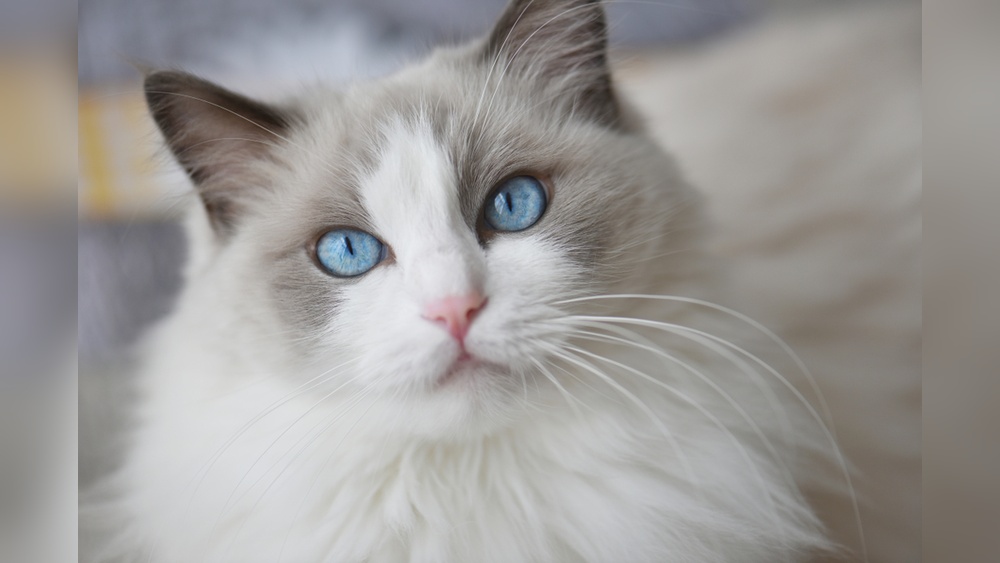
Are you thinking about adding a furry friend to your home? Before you choose a cat breed, it’s important to know which ones might not be the friendliest.
Some cats are more independent, shy, or even a bit grumpy. Knowing which breeds tend to be less sociable can save you from surprises and help you find a pet that fits your lifestyle perfectly. Keep reading to discover the least friendly cat breeds and learn what to expect from each.
This way, you can make a choice that keeps both you and your future cat happy.
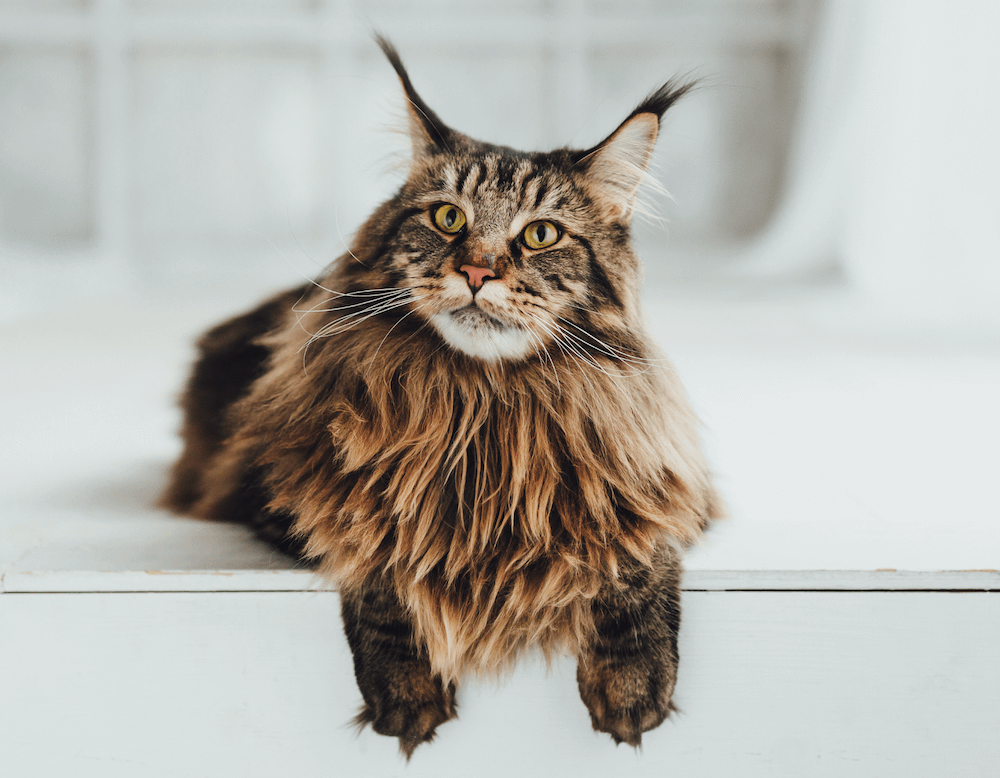
Credit: www.litter-robot.com
Traits That Affect Cat Friendliness
Cats show many different behaviors that affect how friendly they seem. Some cats are open and loving. Others act shy or distant. Understanding these traits helps explain why some breeds appear less friendly. Traits come from many sources. They shape a cat’s social style and how it reacts to people. This section looks at the key traits that affect cat friendliness.
Temperament And Social Needs
Temperament means a cat’s natural mood and behavior. Some cats like being around people. They enjoy attention and petting. Others prefer quiet and space. Social needs vary by cat. Cats with low social needs may seem less friendly. They might avoid contact or hide. Cats with high social needs seek company and play. Temperament shapes how a cat acts daily.
Influence Of Genetics
Genes play a big role in a cat’s personality. Some breeds inherit traits that make them more independent. These cats may not enjoy close contact. Others have genes that encourage friendliness and bonding. Genetic makeup also affects how cats handle stress and new people. This can change their social behavior. Breed traits often guide what to expect in friendliness.
Impact Of Early Socialization
Early socialization means how kittens learn to relate to people. Kittens that meet many people early tend to be more trusting. They grow up comfortable with humans and other animals. Lack of socialization can cause fear or aggression. This makes cats seem less friendly. Positive early experiences help cats feel safe and open. Socialization is key to developing a friendly cat.
Signs Of An Unfriendly Cat
Not all cats are friendly or welcoming. Some show clear signs of being unfriendly. Knowing these signs helps you respect their space. It keeps both you and the cat safe. Understanding their moods can improve your bond over time.
Body Language To Watch
Watch the cat’s tail. A twitching or flicking tail shows irritation. Ears pinned back mean the cat feels threatened. Dilated pupils can signal fear or aggression. Hissing or growling is a strong warning. Avoid sudden movements near these signs.
Common Behavioral Patterns
Unfriendly cats often hide from people. They may hiss when approached. Swatting or biting can happen without much warning. Some refuse to be touched or petted. They may avoid eye contact and stay tense. These patterns help protect their comfort.
How To Approach Reserved Cats
Approach slowly and speak softly. Let the cat come to you first. Offer a hand to sniff before touching. Avoid staring directly into their eyes. Use gentle, calm movements to build trust. Give them time to feel safe around you.
Top 7 Least Friendly Cat Breeds
Some cat breeds are known for their independent nature and less friendly behavior. These cats may not seek much attention or affection. They often prefer solitude and might be cautious around strangers. Understanding these breeds helps in setting the right expectations for cat owners. Here are the top 7 least friendly cat breeds to know about.
Siberian
Siberians are strong and playful but can be shy with new people. They tend to keep to themselves and may not enjoy constant petting. This breed needs time to trust their owners fully.
Russian Blue
Russian Blues are quiet and reserved cats. They show affection only to those they know well. Strangers may find them distant or aloof.
Chausie
Chausies are wild-looking cats with a strong hunting instinct. They often act independent and can be wary of strangers. Their playful nature is mostly for familiar people.
Turkish Van
Turkish Vans are active and love water but can be standoffish. They prefer their own space and may not like being held for long. They bond closely with their family.
Singapura
Singapura cats are small but bold. They can be shy and cautious around new faces. These cats enjoy quiet environments and gentle handling.
Scottish Fold
Scottish Folds are sweet but can be reserved. They might hide when strangers visit. They enjoy calm and peaceful homes.
Balinese
Balinese cats are intelligent and curious but sometimes distant. They prefer interacting on their terms. This breed often forms strong bonds with selected people.

Credit: www.trupanion.com
Why These Breeds Are Less Affectionate
Some cat breeds are less affectionate due to their nature and background. Understanding why these cats act distant helps pet owners manage expectations. Their behavior often links to their history, personality, and environment. Each factor shapes how much attention they seek from humans.
Breed History And Origins
Many less friendly cat breeds come from wild or working backgrounds. These cats were bred to hunt or guard, not cuddle. Their ancestors needed to be independent and alert. These traits passed down through generations and affect their social behavior today.
Typical Personality Traits
Less affectionate cats tend to be shy, reserved, or cautious. They may avoid strangers and prefer alone time. These cats show loyalty but only on their terms. They might enjoy company but dislike too much touch or noise.
Environmental Factors
Environment plays a big role in cat friendliness. Cats raised in busy homes might become stressed or withdrawn. Quiet, calm places help cats feel safe and relaxed. Lack of socialization as kittens can also make cats less friendly. Understanding their space needs helps build trust over time.
Living With A Less Friendly Cat
Living with a less friendly cat can be a challenge. These cats may not seek attention or enjoy being held. They often prefer their own space and might show signs of stress around people. Understanding their nature helps create a better home for both of you.
Patience is key. Building a bond with a less friendly cat takes time. Small steps can lead to trust and comfort. It is important to respect their limits and not force interactions.
Tips For Building Trust
Start by giving your cat space to explore. Let them come to you when they feel safe. Speak softly and move slowly around them. Offer treats to encourage positive feelings. Avoid sudden noises or movements that might scare them. Spend quiet time near your cat without touching them. This helps them get used to your presence.
Managing Expectations
Not all cats enjoy cuddles or playtime. Accept that your cat may prefer to be alone. Understand their mood and body language. Do not expect your cat to be outgoing or affectionate. Enjoy small signs of friendliness like sitting nearby. Adjust your daily routine to suit their comfort. Respect helps build a peaceful relationship.
Creating A Comfortable Space
Provide a quiet place where your cat feels safe. Use cozy beds or boxes for hiding spots. Keep food, water, and litter in a calm area. Avoid placing their space near loud noises or busy rooms. Regularly clean their space to keep it inviting. A comfortable environment reduces stress and helps your cat relax.

Credit: www.omlet.co.uk
Alternatives For Friendly Cat Breeds
Choosing a cat means finding one that fits your home and heart. Some breeds are less friendly by nature. Others offer warmth and affection. Knowing your options helps you pick the right furry friend.
Breeds Known For Affection
Several cat breeds show love and enjoy company. The Ragdoll is calm and loves to cuddle. Siamese cats are talkative and enjoy being near people. Maine Coons are gentle giants who bond well with families. These breeds often seek attention and enjoy playtime.
Matching Cats To Owner Lifestyles
Each cat breed suits different lifestyles. Active people may prefer playful cats like the Bengal. Quiet homes benefit from relaxed cats such as the British Shorthair. Busy owners might choose independent breeds like the Russian Blue. Knowing your daily routine helps pick a cat that matches well.
Frequently Asked Questions
Which Cat Breeds Are Considered Least Friendly?
Breeds like the Siamese, Bengal, and Russian Blue are often seen as less friendly. They can be aloof or independent, requiring experienced owners.
Why Are Some Cat Breeds Less Affectionate?
Certain breeds have genetic traits making them more independent. This affects their social behavior and willingness to bond closely with owners.
How To Handle Unfriendly Cat Breeds Effectively?
Patience and consistent positive interaction help. Respect their space, offer toys, and avoid forcing affection to build trust gradually.
Are Least Friendly Cats Good For Families?
These cats may not suit families with young kids. They prefer calm environments and can get stressed by loud activity.
Conclusion
Some cat breeds prefer independence over constant attention. They may seem distant or less affectionate. That does not mean they do not bond with owners. Each cat has a unique personality, even within breeds. Choosing a cat means understanding its needs and traits.
Patience and respect help build a strong relationship. Not all cats show love the same way. Knowing which breeds are less friendly helps set expectations. It makes living with your cat more enjoyable. Every cat deserves a loving home, no matter the breed.