

Are you thinking about breeding cats and wondering if it can actually make you money? You’re not alone.
Many people love cats and see breeding as a way to turn that passion into profit. But is it really that simple? Before you dive in, it’s important to understand what it takes to breed cats successfully—and whether the rewards are worth the effort.
You’ll discover the real costs, challenges, and potential earnings of cat breeding. Keep reading to find out if this path is right for you and your goals.
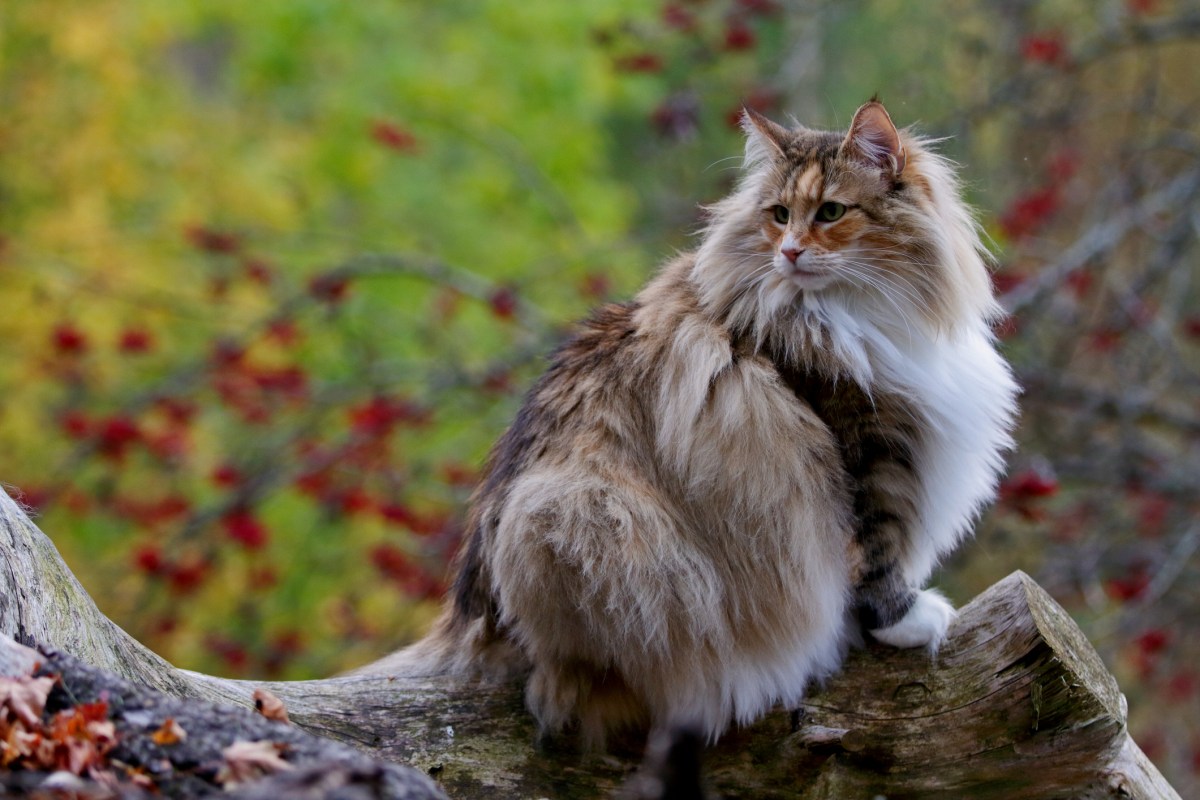
Credit: www.newsweek.com
Cat Breeding Basics
Cat breeding is a detailed process that needs care and knowledge. Understanding the basics helps to avoid common mistakes. It also prepares breeders for success. This section covers the essential points about cat breeding. It explores types of cat breeds, costs, and equipment required.
Types Of Cat Breeds
Many cat breeds exist worldwide, each with unique traits. Popular breeds include Persian, Siamese, Maine Coon, and Bengal. Some breeds are rare and more expensive. Choosing the right breed depends on your interest and market demand. Some breeds require special care and knowledge. Knowing breed characteristics helps in providing proper care and marketing.
Initial Investment Costs
Starting cat breeding requires money upfront. Costs include buying quality cats, health checks, and vaccinations. Breeding pairs with good lineage cost more. Budget for vet visits and emergency care. Licensing and registration fees may apply. Prepare for ongoing costs like food and grooming. Planning finances carefully prevents unexpected problems.
Necessary Equipment And Setup
Proper equipment ensures a safe and healthy environment for cats. You need comfortable bedding, litter boxes, and feeding bowls. A clean, quiet space helps mother cats and kittens feel secure. Heating pads may be necessary for newborn kittens. Regular cleaning supplies keep the area hygienic. Good lighting and ventilation improve health and comfort. Setting up the right space is key to successful breeding.
Income Sources From Cat Breeding
Cat breeding can bring in money from several different places. Each source offers unique chances to earn income. Understanding these helps breeders plan better and succeed.
Selling Kittens
Selling kittens is the main income source for most breeders. Prices depend on breed, health, and pedigree. Breeders often charge more for rare or champion bloodlines. Proper care and socializing increase kitten value. Many buyers pay a premium for well-raised kittens.
Stud Services
Stud services allow male cats to earn money without selling kittens. Breeders rent their male cat to mate with other females. This service brings steady income over time. It also helps spread the male cat’s strong genetics. Stud fees vary based on the cat’s quality and reputation.
Additional Revenue Streams
Breeders can earn extra money from other activities. Some offer cat grooming or boarding services. Selling cat-related products like toys or food is another option. Training classes or workshops also attract customers. These extras boost income beyond kitten sales and stud fees.
Expenses To Expect
Breeding cats involves several costs that impact overall profitability. Knowing these expenses helps plan better and avoid surprises. Each cost plays a key role in maintaining healthy and happy cats.
Veterinary Care
Regular vet visits keep cats healthy and prevent diseases. Vaccinations, check-ups, and treatments add up quickly. Spaying or neutering is important before breeding. Emergency care can be costly but necessary. Budgeting for vet bills is essential for responsible breeding.
Food And Supplies
High-quality food supports pregnant and nursing cats. Kitten food is also needed for growing kittens. Bowls, litter boxes, and bedding require regular replacement. Toys and scratching posts help keep cats active. These supplies add up every month.
Registration And Licensing
Registering cats with breed clubs adds credibility and value. Licensing may be required by local laws. Paperwork and fees vary depending on location. Proper documentation helps with sales and shows. This expense is part of responsible breeding practice.

Credit: www.walmart.com
Market Demand And Pricing
Market demand and pricing shape the cat breeding business. Knowing which breeds are popular helps set fair prices. Demand changes with seasons and customer needs. Understanding these factors guides profitable decisions. Breeders can match supply to demand for better earnings.
Popular Breeds And Their Value
Some cat breeds sell for higher prices. Persian, Maine Coon, and Siamese cats are often in demand. Rare breeds like Sphynx or Scottish Fold can fetch more money. Breed popularity depends on looks, personality, and health. Purebred cats with good lineage usually cost more. Choosing the right breed affects potential profit.
Seasonal Trends
Cat sales rise at certain times of the year. Spring and early summer see more buyers. Holidays may also increase demand for pets. Breeders who plan litters during these months can earn more. Prices might drop when many kittens are available. Timing helps manage supply and maximize income.
Target Customers
Different buyers want different cats. Families often prefer friendly and playful cats. Show cat buyers look for perfect physical traits. Some customers want hypoallergenic or low-shedding breeds. Understanding customer needs helps set prices right. Tailoring offers to buyers improves sales chances.
Profitability Factors
Profitability in cat breeding depends on several key factors. Each factor affects how much income breeders can earn. Understanding these helps plan a successful breeding business.
Breeding Frequency And Litter Size
Breeding frequency means how often a cat has kittens. More frequent litters can increase income but may harm the cat’s health. Litter size is the number of kittens born at once. Larger litters can bring higher profits but require more care and resources.
Quality And Health Of Cats
Healthy cats produce stronger kittens with better chances to sell. Quality means good breed traits and clear health records. Buyers pay more for cats with strong lineage and no diseases. Investing in vet care and proper nutrition improves cat health and value.
Marketing Strategies
Good marketing attracts serious buyers. Using websites and social media helps reach more people. Clear photos and honest descriptions build trust. Offering support and answering questions encourages sales. Pricing competitively ensures kittens sell faster.
Challenges In Cat Breeding
Breeding cats can seem rewarding, but it has many challenges. These challenges affect both the cats and the breeder. Understanding these issues helps prepare for the reality of cat breeding.
Many risks and responsibilities come with breeding cats. The process requires time, effort, and a deep sense of care. Ignoring these challenges can lead to serious problems.
Health Risks And Genetic Issues
Breeding cats can cause health risks for both mother and kittens. Some cats may inherit genetic diseases from their parents. These problems can reduce the kittens’ quality of life.
Careful health checks are needed before breeding. Testing for diseases helps prevent passing them to the next generation. Without testing, health problems may go unnoticed.
Breeders must watch for signs of illness or distress. Veterinary care is important to keep cats healthy. Ignoring health risks can harm the cats and the breeder’s reputation.
Time Commitment
Breeding cats needs a lot of time and effort. Cats require daily care, feeding, and cleaning. Newborn kittens need extra attention and warmth.
Pregnancy and raising kittens take weeks of work. Breeders must spend many hours caring for the cats. Time must be set aside for feeding, cleaning, and socializing kittens.
Breeding is not a quick or easy process. It demands patience and dedication. Those unprepared for the time needed may struggle to succeed.
Ethical Considerations
Ethics play a big role in cat breeding. Breeders should prioritize the cats’ well-being over profit. Avoid breeding cats with health problems or poor traits.
Overbreeding can harm the cats and cause suffering. Responsible breeders limit litters and provide good homes. Ethical breeding means caring for cats beyond money.
Thinking about the cats’ quality of life is essential. Good breeders focus on healthy, happy animals. Ethical choices help keep the breeding community respected and trusted.
Success Stories And Case Studies
Success stories and case studies give real examples of cat breeding profits. They show what works and what does not. These stories help beginners understand the business better. They reveal both good and bad experiences from breeders.
Experienced Breeders’ Insights
Experienced breeders share clear advice based on years of work. They stress the importance of patience and care. Many warn that breeding needs time before profits appear. They say success comes from knowing cat health well. Good breeders also focus on building a strong reputation.
Financial Outcomes
Some breeders report steady income after a few years. Earnings vary widely depending on cat breed and demand. Costs for food, vet care, and housing can reduce profits. Successful breeders keep detailed records of expenses and sales. They often reinvest earnings to improve their breeding program.
Lessons Learned
Many breeders highlight mistakes made early on. Some underestimated costs or overestimated demand. Others learned the hard way about cat health issues. They advise new breeders to start small and learn continuously. Good communication with buyers and vets is vital. These lessons help avoid common problems and improve chances of profit.
Legal And Ethical Responsibilities
Breeding cats involves more than just pairing animals and selling kittens. It requires a strong sense of legal and ethical duty. Every breeder must follow laws and care standards. This protects both the cats and the buyers. Understanding these responsibilities helps ensure a safe and respectful breeding process.
Animal Welfare Laws
Animal welfare laws protect cats from harm and neglect. These laws set rules for housing, feeding, and health care. Breeders must follow these rules strictly. They must provide clean spaces and proper medical care. Ignoring these laws can lead to fines or loss of license.
Breeder Certifications
Certifications prove a breeder’s knowledge and commitment to good practices. Many organizations offer courses and exams for breeders. Certified breeders show they understand genetics and health screening. This builds trust with buyers and improves cat welfare. Certification also helps breeders stay updated on new rules and methods.
Responsible Breeding Practices
Responsible breeding means prioritizing the cats’ health and well-being. Breeders should avoid mating cats with genetic diseases. They must provide socialization and clean environments for kittens. Selling kittens only to prepared owners is crucial. Responsible breeders focus on quality over quantity, ensuring healthy and happy cats.
Tips To Maximize Earnings
Maximizing earnings from cat breeding needs careful planning and effort. Small steps can lead to better profits and a steady business.
Focus on trust, visibility, and good connections. These factors help attract serious buyers and build a loyal customer base.
Building A Strong Reputation
Provide healthy and well-cared-for cats. Show proof of vaccinations and health checks. Happy buyers share positive feedback. This attracts more customers. Always be honest about your cats’ backgrounds and traits. Trust grows with transparency. A good reputation lasts long and boosts sales.
Effective Advertising
Use clear photos and detailed descriptions. Highlight unique features of your cats. Post ads on popular pet sites and social media. Regular updates keep your audience interested. Use keywords like “healthy kittens” and “pedigree cats” to rank higher on search engines. Simple, clear ads reach more buyers.
Networking With Buyers
Talk to potential buyers personally. Answer questions quickly and clearly. Join cat clubs and online forums. Meet other breeders and cat lovers. Referrals from satisfied customers bring new buyers. Building good relationships leads to repeat sales. Stay connected for future litters.
Credit: www.thebusinessplanshop.com
Frequently Asked Questions
Is Cat Breeding A Profitable Business?
Cat breeding can be profitable with proper knowledge and planning. Success depends on breed demand, quality, and marketing. Initial costs and ongoing care affect profits. Experienced breeders often see better returns by maintaining healthy, well-socialized cats.
What Are The Main Costs In Cat Breeding?
Main costs include veterinary care, quality food, breeding supplies, and registration fees. Unexpected health issues can increase expenses. Investing in good care ensures healthy kittens, which improves sales and profitability.
How Much Can I Earn From Breeding Cats?
Earnings vary widely by breed, location, and kitten quality. Some breeders earn a few hundred dollars per litter, while others make thousands. Profit depends on reputation, demand, and responsible breeding practices.
What Are The Ethical Concerns In Cat Breeding?
Ethical breeding focuses on health, temperament, and avoiding overpopulation. Responsible breeders screen for genetic diseases and provide good living conditions. Unethical breeding can harm cats and reduce profitability due to poor reputation.
Conclusion
Breeding cats can bring some profit, but it takes effort and care. Costs like food, vet visits, and time add up fast. Success depends on knowledge about cats and good planning. It’s not a quick way to make money. You must love cats and be ready for challenges.
Profit is possible, but it is not guaranteed. Think carefully before starting a breeding business. Keep your cats healthy and happy first. That’s the key to any success in breeding cats.