
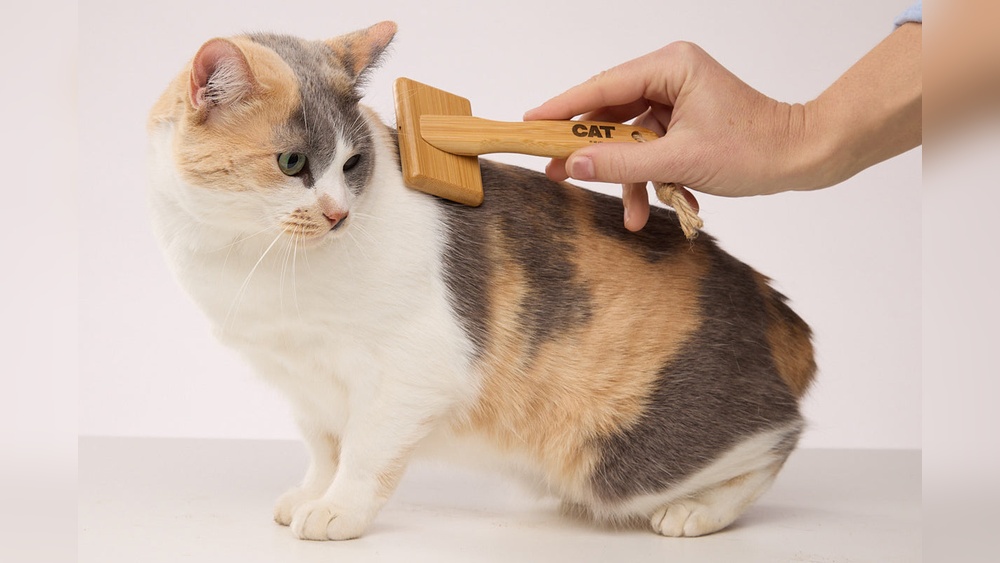
Grooming your cat is more than just keeping them clean—it’s a way to strengthen the bond between you and your furry friend. You might think your cat can handle their own grooming, but a little help from you can make a big difference.
Imagine your cat feeling comfortable, looking shiny, and staying healthy with just a few simple steps. You’ll discover easy and effective ways to groom your cat that will save you time, reduce stress, and keep your pet happy. Ready to become your cat’s favorite groomer?
Let’s dive in!
Choosing The Right Grooming Tools
Choosing the right grooming tools for your cat makes grooming easier and safer. Cats have different coat types and needs. The right tools help keep their fur clean and healthy. They also make the grooming experience more comfortable for your cat. This section explains which tools suit your cat best.
Brush Types For Different Coats
Short-haired cats need a soft bristle brush. It removes loose hair and dirt gently. Long-haired cats need a slicker brush. It helps untangle knots and mats. A metal comb works well for both coat types. It removes loose fur and checks for fleas. Cats with thick undercoats benefit from an undercoat rake. It clears dead hair deep in the fur.
Selecting Nail Clippers And Other Accessories
Choose nail clippers made for cats. They are small and sharp for precise cuts. Scissors or guillotine-style clippers work well. A nail file smooths sharp edges after clipping. A grooming glove can help remove loose hair. It also soothes your cat during brushing. Keep treats nearby to reward your cat’s calm behavior.
Brushing Techniques For Smooth Fur
Brushing your cat helps keep its fur soft and healthy. It removes loose hair and dirt. Brushing also stops mats and tangles from forming. Using the right technique makes grooming easier for both you and your cat. Gentle strokes and the correct tools help your cat enjoy the process.
Regular brushing supports good skin health. It spreads natural oils along the fur. This makes the coat shiny and smooth. Take time to brush all parts of your cat’s body. Focus on areas where tangles form more often.
Frequency Of Brushing
Brush short-haired cats once or twice a week. Long-haired cats need daily brushing. More frequent brushing prevents mats and shedding. Adjust based on your cat’s coat and activity level. Watch your cat’s fur for signs of tangling.
Handling Tangled Fur And Mats
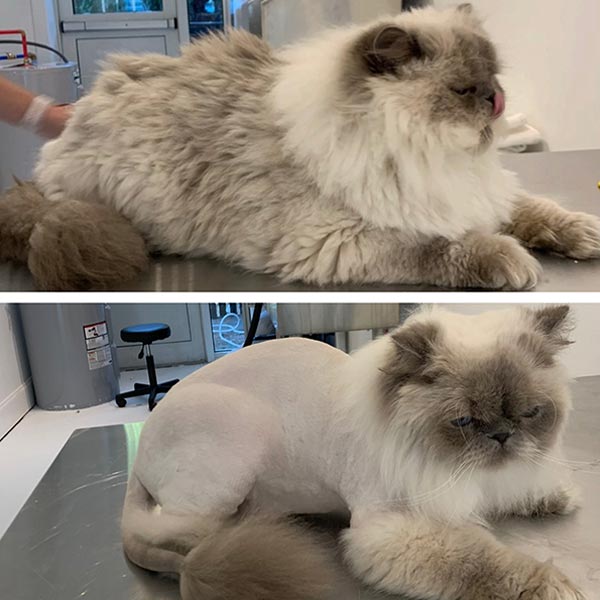
Use a wide-toothed comb for tangles. Hold the fur close to the skin. Gently work through knots starting at the ends. Avoid pulling hard to prevent pain. For tough mats, trim with scissors carefully. Seek help from a groomer if mats are severe.
Bathing Your Cat Safely
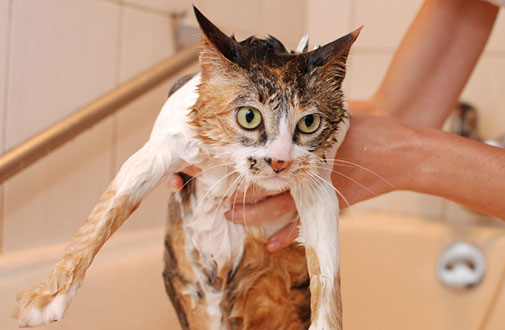
Bathing your cat can be a tricky task. Cats usually clean themselves well. But sometimes, a bath is needed. Bathing your cat safely keeps it calm and healthy. It prevents stress and skin problems. This guide helps you know when to bathe and how to do it step-by-step.
When To Bathe Your Cat
Baths are not often needed for most cats. Cats groom themselves daily. Bathe your cat if it gets very dirty or sticky. Also, bath your cat if it has fleas. Sometimes, cats with skin issues need baths. Always check with a vet before bathing for health problems.
Step-by-step Bathing Process
Prepare everything before starting. Use a cat-safe shampoo only. Fill a sink or tub with warm water. Water should be shallow, just enough to wet the cat. Gently place your cat in the water.
Wet the fur slowly with your hand or a cup. Avoid the eyes, ears, and nose. Apply shampoo and gently massage the fur. Rinse thoroughly with warm water. Make sure no shampoo stays on the skin.
Wrap your cat in a soft towel immediately. Pat dry without rubbing hard. Use a hairdryer on low, if your cat tolerates it. Keep the room warm until your cat is fully dry.

Credit: www.rocklinranchvet.com
Trimming Nails Without Stress
Trimming your cat’s nails can be a calm and easy task. Stress-free nail care helps keep your cat happy and healthy. Many cats dislike nail trims, but patience and the right steps can change that. Learn simple ways to make nail cutting safe and gentle.
Signs Your Cat Needs A Nail Trim
Watch for nails that touch the floor when your cat stands. Overgrown nails can curl and grow into the paw pads. Scratches on furniture or skin show nails are too long. Your cat may also stop using the scratching post. These signs mean it is time for a trim.
Tips For Calm And Safe Nail Cutting
Choose a quiet spot with good light to trim nails. Gently hold your cat and speak softly to keep it calm. Use sharp, small nail clippers made for cats. Cut just the sharp tip, avoiding the pink part inside the nail. Stop if your cat pulls away or gets upset. Reward your cat with praise or a treat after trimming. Practice often to help your cat get used to it.
Cleaning Ears And Eyes
Cleaning your cat’s ears and eyes is important for their health. Dirt and wax can build up and cause discomfort or infection. Regular checks help catch problems early and keep your cat happy.
Some cats need more frequent cleaning than others. Knowing when and how to clean is key to safe grooming.
Identifying When Cleaning Is Needed
Look at your cat’s ears for dark wax or bad smell. Redness or swelling shows irritation. Scratching or head shaking can mean ear trouble.
Check the eyes for discharge or redness. Watery or crusty eyes may need cleaning. Watch for squinting or pawing at eyes.
Safe Cleaning Methods
Use a soft cloth or cotton ball. Avoid cotton swabs inside the ear canal. Use a vet-approved ear cleaner for ears only.
Gently wipe around the eyes with a damp cloth. Do not touch the eyeball directly. Use separate cloth pieces for each eye to avoid spreading infection.
Be calm and gentle during cleaning. Stop if your cat shows pain or stress. Consult a vet if you see signs of infection or injury.
Managing Shedding And Hairballs
Shedding and hairballs are common challenges for cat owners. Cats shed fur daily, which can spread around your home. Hairballs form when cats swallow loose fur during grooming. Managing these issues keeps your cat healthy and your home cleaner.
Diet And Grooming To Reduce Shedding
A balanced diet helps keep your cat’s coat healthy. Foods rich in omega-3 and omega-6 fatty acids reduce shedding. Fresh water supports skin hydration, lowering fur loss.
Regular brushing removes loose fur before it falls off. Use a brush suitable for your cat’s fur type. Brushing also helps distribute natural oils, keeping fur shiny and soft.
Preventing And Handling Hairballs
Hairballs form when fur collects in the stomach. Frequent grooming lowers the amount of loose hair your cat swallows. Specialized hairball control treats and diets can ease digestion.
If a hairball causes discomfort, encourage your cat to drink more water. Gently massaging the stomach may help move the hairball. Consult a vet if hairballs become frequent or cause problems.
Creating A Grooming Routine
Creating a grooming routine helps keep your cat healthy and happy. Regular grooming removes loose fur and dirt. It also prevents mats and hairballs. Your cat will enjoy the attention and care. A good routine makes grooming easier and less stressful for both of you.
Setting A Schedule That Works
Choose a time when your cat feels calm. Some cats like grooming in the morning. Others prefer it in the evening. Try short sessions at first, about five minutes. Gradually increase the time as your cat gets used to it. Consistency helps your cat know what to expect. Stick to the same days and times each week.
Making Grooming Enjoyable For Your Cat
Use a soft brush or comb that suits your cat’s fur. Talk to your cat in a gentle voice. Give treats during or after grooming to create positive feelings. Watch your cat’s body language for signs of stress. Stop if your cat seems upset or restless. Make grooming a quiet and calm time. Patience and kindness go a long way.
Credit: www.daysmart.com
Credit: www.aspca.org
Frequently Asked Questions
How Often Should I Groom My Cat?
Groom your cat at least once a week to remove loose fur and prevent matting. Long-haired cats need more frequent grooming, about 3-4 times weekly, to maintain a healthy coat and reduce hairballs.
What Tools Are Best For Cat Grooming?
Use a soft-bristle brush for short-haired cats and a wide-toothed comb for long-haired cats. Nail clippers and grooming wipes also help keep your cat clean and comfortable.
How Do I Prevent Matting In My Cat’s Fur?
Regular brushing removes tangles before they become mats. Focus on areas prone to matting, like behind ears and under legs. Use detangling sprays if needed and consult a groomer for severe mats.
Can Grooming Improve My Cat’s Health?
Yes, grooming stimulates blood circulation and helps detect skin issues early. It reduces shedding and hairballs, promoting a healthier, happier cat. Regular grooming also strengthens the bond between you and your cat.
Conclusion
Grooming your cat keeps them healthy and happy. Regular brushing removes loose fur and prevents mats. It also helps you check for skin problems early. Cats enjoy gentle grooming; it builds trust and comfort. Use the right tools for your cat’s fur type.
Keep sessions short and calm to avoid stress. Clean their ears and trim nails carefully too. Consistent care makes a big difference in their well-being. Start simple, be patient, and enjoy time together. Your cat will thank you with a shiny coat and bright eyes.