
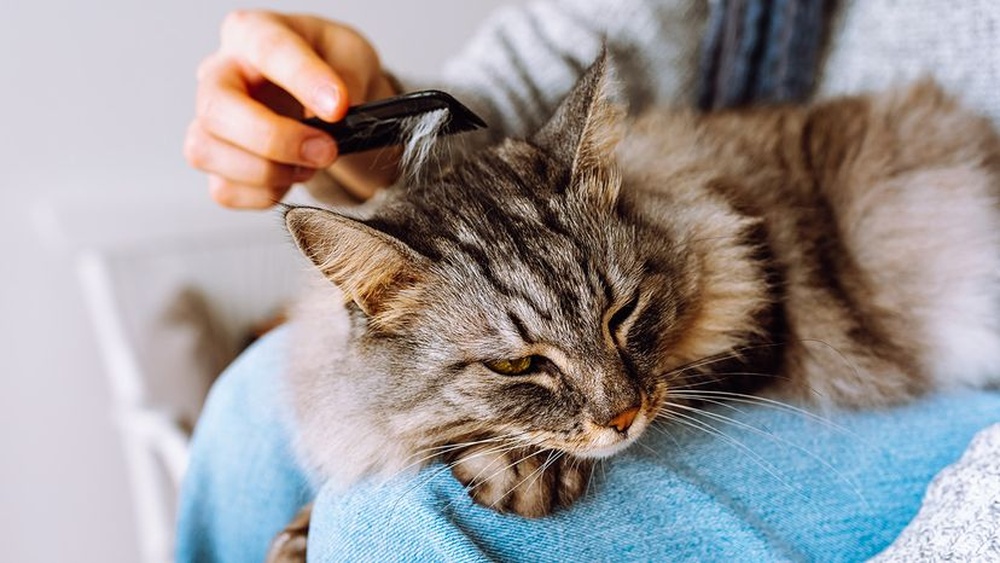
Have you noticed your cat spending more time licking and grooming than usual? It might seem harmless at first, but when your furry friend suddenly starts grooming a lot, it could be a sign that something is off.
Understanding why your cat is suddenly grooming so much can help you keep them healthy and happy. You’ll discover the surprising reasons behind this behavior and what you can do to help your cat feel better. Keep reading—your cat’s well-being might depend on it.
Signs Of Excessive Grooming
Excessive grooming in cats can signal an underlying problem. It often goes beyond normal cleaning habits. Cats usually groom to stay clean and calm. But too much grooming may show stress, pain, or illness.
Recognizing signs of excessive grooming helps catch issues early. Careful observation of your cat’s behavior and body can reveal important clues. These signs often fall into two categories: behavioral changes and physical symptoms.
Behavioral Changes
Watch for sudden shifts in your cat’s routine. Excessive licking or biting at the same spot is a clear sign. Your cat may become restless or agitated. It might also hide more or avoid playing. These behaviors indicate discomfort or anxiety linked to grooming.
Physical Symptoms
Look for bald patches or red, irritated skin. Your cat’s fur might appear thin or matted in certain areas. Scabs or sores could form from constant licking. Swelling or redness shows inflammation. These physical symptoms suggest the grooming is excessive and harmful.

Credit: www.banfield.com
Common Causes
Cats groom themselves daily to stay clean and healthy. Sometimes, they start grooming much more than usual. This change can signal different issues. Understanding common causes helps you know when to act. Here are the main reasons cats groom excessively.
Stress And Anxiety
Stress makes cats lick their fur more. Changes at home or loud noises cause anxiety. Grooming calms them down, like a coping habit. Too much grooming can lead to bald spots. Watch for signs of stress and try to reduce it.
Skin Irritations
Skin irritations cause itching and discomfort. Allergies, dry skin, or wounds make cats lick often. Grooming cleans the skin but can worsen irritation. Check for redness, swelling, or scabs on your cat’s skin. Consult a vet if skin problems persist.
Parasites And Allergies
Fleas, mites, and ticks cause intense itching. Cats groom to remove these pests. Allergies to food or environment also trigger itching. Parasite bites lead to hair loss and sores. Use vet-approved treatments to control parasites and allergies.
Pain And Discomfort
Pain in joints or muscles makes cats lick affected areas. Grooming can soothe sore spots. Injuries or arthritis increase grooming in one place. Notice if your cat focuses on one body part. A vet visit helps diagnose and relieve pain.
Health Risks Of Over Grooming
Over grooming in cats can lead to serious health problems. It is not just a bad habit. It can cause damage to your cat’s body and well-being.
Watching your cat groom too much is a warning sign. It may point to physical or emotional issues that need attention. Understanding the risks helps you protect your pet.
Hair Loss And Skin Damage
Excessive grooming removes too much fur. This causes bald spots on your cat’s body. The skin may become dry and irritated. Constant licking breaks the skin’s natural barrier. This can make your cat’s skin sensitive and painful.
Hair loss weakens your cat’s protection from the environment. Without fur, your cat feels cold or gets sunburn. Scratches from over grooming may cause wounds. These wounds can take a long time to heal.
Infections And Sores
Open skin from over grooming invites bacteria and germs. This can cause infections. Infections lead to redness, swelling, and pus. Your cat may lick even more to soothe the pain. This worsens the problem and makes healing slow.
Sores can form from constant licking and biting. These sores become painful and uncomfortable. Some cats develop deep wounds that need vet care. Untreated infections may spread and cause serious illness.
:max_bytes(150000):strip_icc()/why-does-my-cat-suddenly-bite-me-with-feline-logo-2-288048954-05903e7ba575499ab5520a0cfac2a704.png)
Credit: www.dailypaws.com
Home Remedies To Help Your Cat
Excessive grooming in cats can signal stress, allergies, or skin problems. Home remedies help ease your cat’s discomfort and reduce grooming. Simple changes at home can make a big difference for your pet’s health and happiness.
Environmental Enrichment
Keep your cat busy with toys and playtime. This helps reduce stress and boredom, which cause over-grooming. Provide scratching posts and climbing areas. New smells and sounds can also keep your cat interested and calm.
Soothing Baths And Topical Treatments
Use gentle, cat-safe shampoos to soothe irritated skin. Oatmeal baths can reduce itching and inflammation. Apply topical creams or sprays made for cats to help heal hot spots. Always check with a vet before trying new treatments.
Diet And Supplements
Feed a balanced diet rich in omega-3 fatty acids. These nutrients improve skin health and reduce itchiness. Consider supplements like fish oil after vet approval. Healthy skin means less need for your cat to groom excessively.
When To See A Vet
Sudden excessive grooming in cats can signal health problems. Knowing when to see a vet is important for your cat’s well-being. Watch for changes in behavior or skin condition. Early vet visits can prevent serious issues and ease your cat’s discomfort.
Identifying Serious Issues
Excessive grooming may cause hair loss or skin wounds. Cats might lick or bite one spot repeatedly. This behavior can indicate allergies, parasites, or infections. Behavioral problems like stress can also cause over-grooming. Notice if your cat seems anxious or restless. Any of these signs need professional attention.
Diagnostic Tests
A vet will examine your cat’s skin and coat carefully. Skin scrapings or hair samples might be taken. Blood tests can check for allergies or infections. Sometimes, X-rays or ultrasounds help rule out internal problems. These tests find the root cause of grooming issues. Accurate diagnosis guides the best treatment plan.
Treatment Options
Treatment depends on the cause found by the vet. Parasites may need special shampoos or medications. Allergies might require diet changes or medicines. Stress-related grooming can improve with environmental changes. Sometimes, vets prescribe calming aids or behavior therapy. Follow the vet’s advice closely for quick recovery.
Preventing Excessive Grooming
Excessive grooming in cats can signal discomfort or stress. Preventing this behavior helps keep your cat healthy and happy. Pay attention to your cat’s habits and surroundings.
Regular Checkups
Schedule regular visits to the vet. These checkups help find health issues early. Skin problems or allergies often cause more grooming. A vet can offer the right treatment. Early care stops grooming from becoming a problem.
Managing Stress
Cats groom more when feeling anxious or bored. Create a calm and safe space for your cat. Provide toys and activities to keep them busy. Spend quality time to build trust. Reducing stress lowers the urge to over-groom.
Parasite Control
Fleas and ticks irritate your cat’s skin. This irritation makes cats groom constantly. Use parasite treatments recommended by your vet. Check your cat regularly for any signs of parasites. Keeping parasites away stops excessive grooming fast.
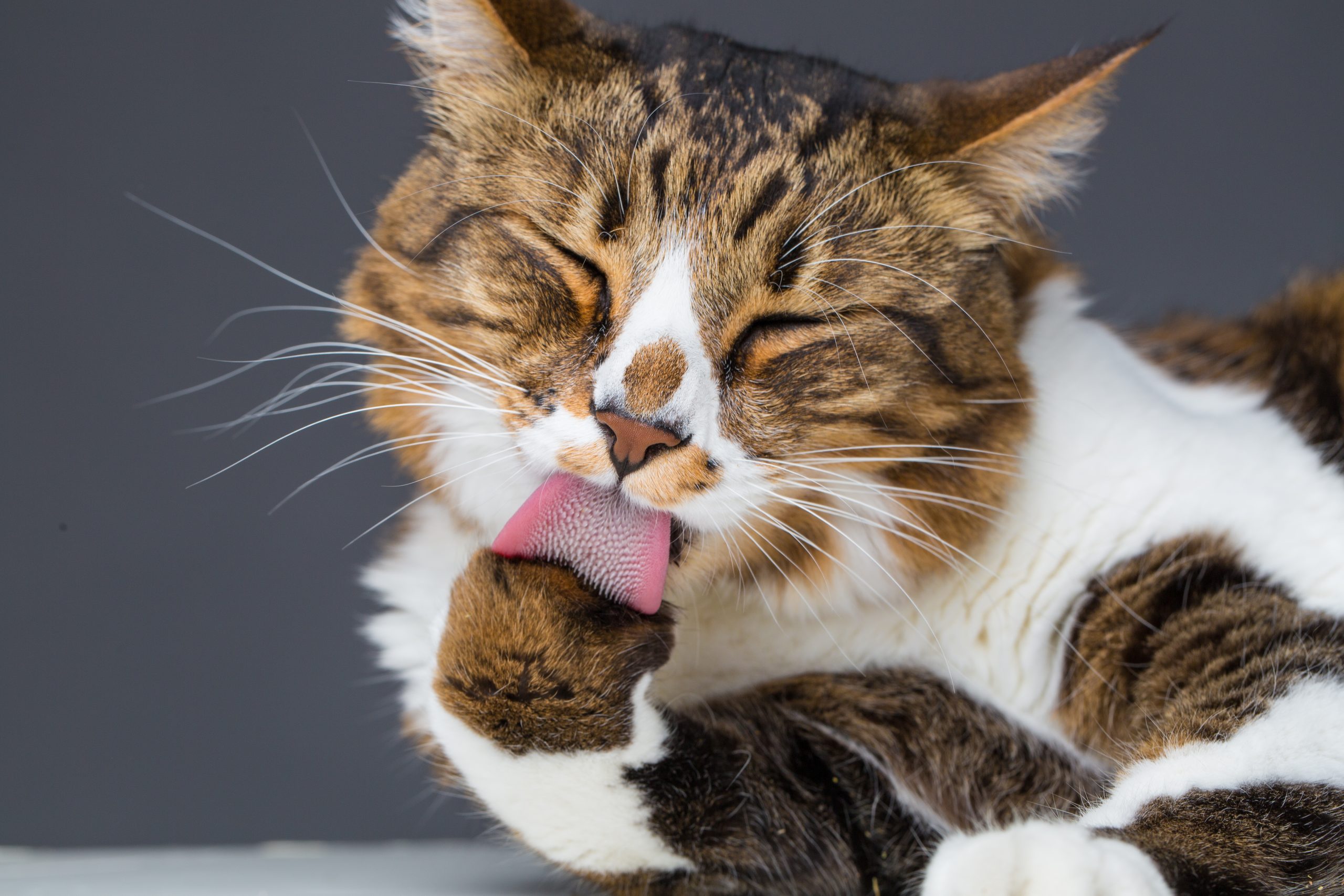
Credit: www.mspca.org
Frequently Asked Questions
Why Is My Cat Grooming More Than Usual?
Increased grooming can indicate stress, allergies, or skin issues. Cats may groom more to soothe irritation or anxiety. Observe for redness or hair loss. If excessive, consult a vet for proper diagnosis and treatment options.
Can Sudden Grooming Signal Health Problems In Cats?
Yes, sudden grooming often signals health issues like parasites or infections. It can also indicate pain or discomfort. Early detection helps prevent worsening conditions. Regular vet check-ups are essential to identify underlying causes quickly.
How Does Stress Affect A Cat’s Grooming Habits?
Stress triggers cats to groom excessively as a coping mechanism. Changes in environment or routine can cause this behavior. Excessive grooming may lead to bald spots or skin damage. Providing a calm environment helps reduce stress-related grooming.
When Should I Worry About My Cat’s Grooming Behavior?
Worry if grooming causes bald patches, sores, or bleeding. Excessive grooming can lead to skin infections. Also, note if your cat is lethargic or losing appetite. Seek veterinary advice promptly to address potential health concerns.
Conclusion
Cats groom more for many reasons. Stress, allergies, or skin problems can cause this. Watch your cat’s behavior closely every day. A visit to the vet can help find the cause. Early action keeps your cat healthy and happy. Understanding your cat’s grooming helps you care better.
Don’t ignore sudden changes in grooming habits. Small signs can mean bigger health issues. Stay patient and gentle while helping your cat. Your care makes a big difference in their life.