
Are you thinking about breeding Savannah cats and wondering if it can bring in good money? You’re not alone.
Many people are curious whether turning this passion into a profitable venture is possible. Breeding Savannah cats isn’t just about love for these unique pets—it’s also about smart planning and understanding the market. You’ll discover what it takes to make breeding Savannah cats a profitable business and whether it’s the right choice for you.
Keep reading to find out the real costs, potential earnings, and key tips to succeed.
Savannah Cats Overview
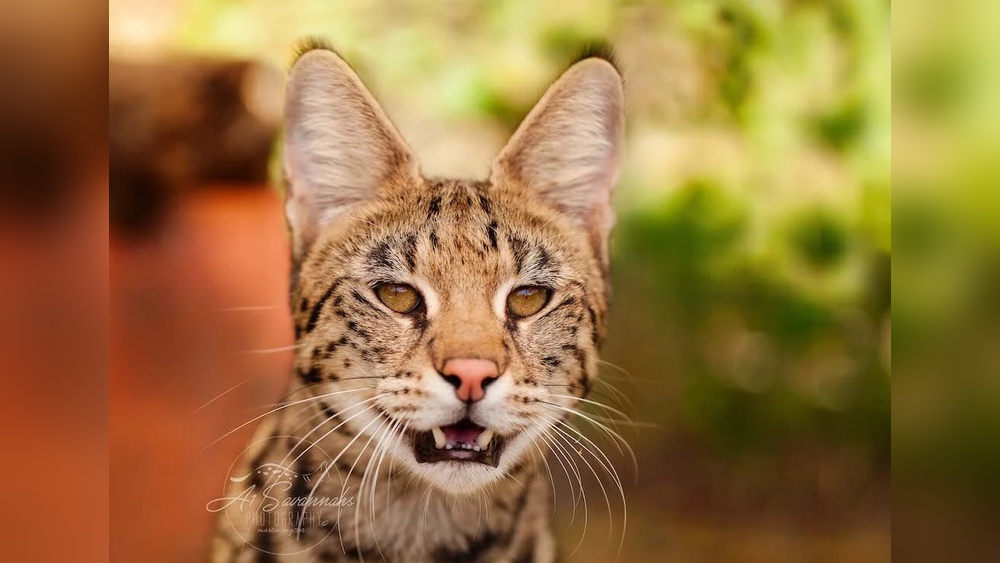
Savannah cats are a unique mix between a domestic cat and a wild African serval. They have a striking appearance and active personality. These cats attract many cat lovers who want a pet with wild looks but a friendly nature.
Breeding Savannah cats requires knowledge and patience. Understanding their traits and market demand is important. This helps breeders decide if breeding Savannah cats is a profitable venture.
Breed Characteristics
Savannah cats have tall ears and long legs. Their coat is spotted, like a wild cat’s. They are larger than most house cats. These cats are very smart and curious. They enjoy playing and need lots of attention. Savannah cats are also known to be loyal to their owners. Their energy level is high, so they need space to run and explore.
Popularity Trends
Savannah cats have grown popular over the years. More people want exotic pets, raising demand for these cats. Their unique look attracts buyers worldwide. Some enjoy their playful and friendly nature. Popularity peaks in urban areas with pet enthusiasts. This trend affects the price and breeding opportunities. Demand often changes with pet laws and public interest.
Initial Investment Costs
Starting a Savannah cat breeding business requires a solid financial foundation. Initial investment costs can be high. These costs cover buying quality breeding cats and creating proper facilities. Both are essential for a successful and ethical breeding program.
Purchasing Breeding Cats
Buying breeding cats is the first major expense. Savannah cats are rare and expensive. Prices vary depending on the cat’s generation and quality. F1 and F2 Savannahs usually cost more than later generations. Choose healthy cats with good temperaments and strong pedigrees. This ensures better kittens and fewer health problems. Expect to spend several thousand dollars per cat.
Setting Up Facilities
Proper facilities keep cats safe and comfortable. You need space for separate enclosures, feeding areas, and play zones. Facilities must provide good ventilation, clean water, and proper lighting. Special equipment like litter boxes, scratching posts, and bedding adds to costs. Secure fencing or cages prevent escapes. Setting up a clean and safe environment is essential for the cats’ health. Initial setup costs can run from hundreds to thousands of dollars.
Breeding Process Essentials
Breeding Savannah cats requires careful planning and attention. Understanding the breeding process is key to success. This process includes several important steps. Each step affects the health of the mother and kittens. It also impacts the overall profitability of the breeding effort.
Knowing what to expect and how to handle each phase can save time and money. It also helps create healthy, happy kittens. Proper care during mating and pregnancy is essential. After birth, caring for the mother and kittens remains a priority.
Mating And Pregnancy
Select healthy cats with good traits for mating. Choose the right time based on the female’s heat cycle. This improves the chance of pregnancy. Provide a quiet, safe place for mating. Monitor the cats closely to avoid stress or injury.
Once pregnant, the mother needs extra nutrition and rest. Regular vet check-ups ensure the pregnancy is healthy. Watch for signs of illness or complications. Pregnancy usually lasts about 65 days in cats.
Care For Mother And Kittens
Prepare a clean, warm area for the mother to give birth. Keep it quiet and free from disturbances. After birth, help the mother feed and clean her kittens. Monitor the kittens’ growth and health daily.
Provide proper nutrition for both mother and kittens. Vaccinate and deworm kittens as advised by the vet. Socialize kittens gently to build trust with humans. Healthy care during this phase increases survival rates and future value.
Credit: www.newyorker.com
Market Demand And Pricing
Market demand and pricing play a key role in the profitability of breeding Savannah cats. These cats are rare and have unique traits that many people want. Their popularity affects how much breeders can charge for each kitten. Understanding market trends helps breeders set fair prices and attract buyers quickly.
The price for Savannah kittens can vary a lot. It depends on the cat’s generation, appearance, and health. Buyers often search for specific features, which can raise prices. Savvy breeders watch market demand to price their kittens right and remain competitive.
Price Range Per Kitten
Savannah kittens usually sell between $1,500 and $20,000. Early generation cats, like F1 and F2, cost more because they are closer to wild servals. Later generations tend to be less expensive but still valuable. The kitten’s size, coat pattern, and eye color also affect the price.
Factors Affecting Value
Several factors can change a Savannah kitten’s value. The cat’s generation is important—closer to wild servals means higher price. Health certificates and vaccinations add trust and worth. Pedigree and breeder reputation also influence buyer willingness to pay more. Unique markings and temperament matter too.
Potential Revenue Streams
Breeding Savannah cats can bring in income from various sources. Understanding these streams helps breeders plan better. Each revenue stream adds to the overall profit.
Kitten Sales
Selling Savannah kittens is the main source of income. These cats are unique and often sell at high prices. Prices depend on the kitten’s generation, size, and markings. Early sales can start when kittens are about 8 weeks old. Keeping good health and proper care raises their value. Buyers often pay more for well-socialized kittens.
Additional Services
Offering extra services boosts earnings beyond kitten sales. Some breeders provide grooming and health checks. Training sessions for new owners can also be a service. Breeders may sell cat supplies or special food. Consulting on cat care attracts more clients. These services build trust and create steady income.
Ongoing Expenses
Breeding Savannah cats requires continuous spending beyond the initial setup. Ongoing expenses can affect your profits significantly. Understanding these costs helps plan a better budget and avoid surprises.
Veterinary Care
Regular vet visits keep Savannah cats healthy. Vaccinations, check-ups, and parasite control are necessary. Pregnancy care and emergency treatments add to the costs. Good health is vital for breeding success.
Food And Supplies
High-quality food supports the cats’ growth and health. Savannah cats need a special diet that matches their energy levels. Supplies like litter, bedding, and toys also cost money. These items improve the cats’ comfort and wellbeing.
Marketing And Advertising
Finding buyers requires marketing efforts. Creating a website or social media page helps reach more people. Paid ads increase visibility but add to expenses. Clear photos and honest descriptions attract serious buyers.
Profit Margin Analysis
Profit margin analysis helps understand how much money breeders can make from Savannah cats. It looks at costs and income to find real profits. This analysis is key for anyone thinking about starting a breeding business. It shows which parts bring in money and which parts cost more.
Breeding Savannah cats can seem profitable at first. Yet, many costs reduce the final earnings. Careful study of earnings and expenses helps make smart decisions. This section breaks down important points about profit margins in breeding.
Estimating Earnings
Price per kitten depends on breed quality and lineage. Savannah cats often sell for high prices due to their rarity. A single kitten can cost several thousand dollars. Breeders usually have multiple kittens per litter.
Income depends on the number of litters per year. Successful breeders may have two to three litters annually. Total earnings come from adding all kitten sales. Other income may include selling breeding rights or stud services.
Common Financial Challenges
High initial costs reduce profit margins. Expenses include quality cats, veterinary care, and special food. Unexpected health problems increase costs too. Breeders must spend on proper facilities and licenses.
Marketing and finding buyers take time and money. Not all kittens sell quickly or at top price. Some litters may have fewer kittens or health issues. These challenges lower overall profitability.
Credit: www.savannahgans.com
Legal And Ethical Considerations
Breeding Savannah cats involves more than just profit. Legal and ethical rules guide responsible breeders. These rules protect both the cats and the breeders. Understanding these aspects is key before starting a Savannah cat breeding business.
Breeding Regulations
Breeders must follow state and local laws about animal breeding. Some places require licenses or permits. These rules control how many cats you can breed. They also set standards for care and sale. Ignoring these laws can lead to fines or business closure. Checking with local authorities is essential before breeding Savannah cats.
Animal Welfare
Breeders must prioritize the health and happiness of their cats. Proper housing, nutrition, and medical care are musts. Breeding too often or without care harms the cats. Ethical breeders avoid selling to bad owners or pet mills. Respecting animal welfare builds a good reputation and trust. Healthy, well-treated cats bring better returns in the long run.
Tips For Successful Breeding
Successful breeding of Savannah cats requires careful planning and dedication. Breeders must focus on quality and reputation. These two factors help ensure healthy kittens and good sales. Following simple tips can improve breeding outcomes and profitability.
Breeding Savannah cats is more than pairing two cats. It involves selecting the right cats and building trust with buyers. Attention to detail and patience are key for success in this niche market.
Selecting Quality Breeders
Start by choosing breeders with strong genetics and good health records. Quality breeders provide well-socialized, healthy cats. This reduces risks of genetic diseases in kittens. Check for proper vaccinations and clean living conditions. Ask for references and visit the breeding facility if possible. Good breeders also follow ethical breeding practices. This ensures the breed’s health and longevity.
Building A Reputation
Reputation grows through consistent care and transparency. Share honest information about your cats and breeding methods. Respond quickly and politely to buyer questions. Offer support after the sale for kitten care advice. Positive reviews and word of mouth attract more buyers. Attend cat shows or local pet events to meet potential customers. A strong reputation leads to trust and repeat business.
Credit: www.wildcatsanctuary.org
Frequently Asked Questions
Is Breeding Savannah Cats A Profitable Business?
Yes, breeding Savannah cats can be profitable due to their high demand. However, costs like care, vet bills, and genetics impact profits significantly. Success depends on knowledge, experience, and proper marketing strategies.
What Are The Main Costs Of Savannah Cat Breeding?
Main costs include quality breeding cats, veterinary care, proper housing, and marketing. Nutrition and health expenses are crucial to maintain healthy litters. These costs influence overall profitability and require careful budgeting.
How Much Can I Earn From Breeding Savannah Cats?
Earnings vary widely, from a few hundred to several thousand dollars per kitten. Factors include cat generation, quality, and market demand. Experienced breeders with high-quality cats generally earn more.
How Long Does It Take To Start Earning Profits?
It can take 1-2 years to build a reputable breeding program. Initial investments and kitten sales may delay profits. Patience and consistent care are essential for long-term success.
Conclusion
Breeding Savannah cats can bring profits but also needs effort and care. Costs like food, vet visits, and space matter a lot. Success depends on knowledge, patience, and good planning. Not every breeder makes money fast or easy. Passion for cats helps keep motivation high.
Think about the time and money before starting. Profits come with responsibility and hard work. Choose wisely if this path fits your goals and lifestyle.