
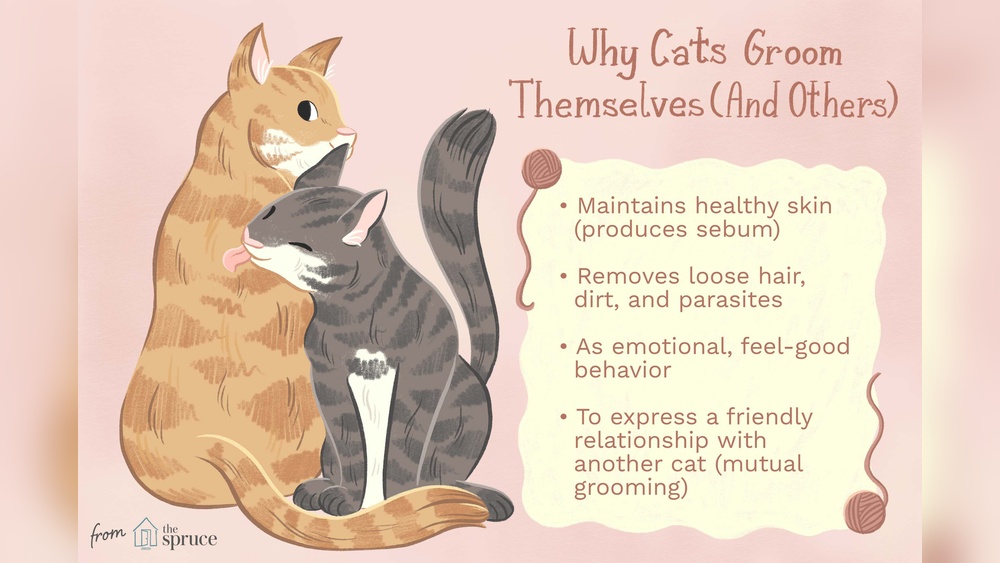
Have you ever watched your cat carefully cleaning its fur and wondered, “Is this a good sign?” When your cat grooms itself, it’s more than just a cute habit. It’s a way your furry friend communicates how it feels and stays healthy.
But what exactly does this behavior mean for your cat’s well-being? If you want to understand your pet better and ensure it’s happy and healthy, keep reading. You’ll discover why grooming is important and what it tells you about your cat’s mood and health.
:strip_icc()/grooming-cat-120689839-57d967d33df78c583396e386.jpg)
Credit: www.thesprucepets.com
Normal Grooming Habits
Cats spend a lot of time grooming themselves. This is a normal and healthy habit. Grooming helps cats stay clean and comfortable. It also keeps their fur smooth and shiny. Watching a cat groom can show you how well it feels. Understanding normal grooming habits helps you notice any changes in your pet’s health.
How Often Cats Groom
Cats groom several times a day. Most cats spend around 30 to 50 percent of their waking hours cleaning. They use their tongue to lick their fur. This removes dirt and loose hair. Cats also nibble and scratch to clean hard-to-reach areas. Grooming is a daily routine that keeps them happy and healthy.
Common Grooming Behaviors
Cats lick their fur in a smooth, steady motion. They often lick their paws and then use them to clean their face. Scratching is part of grooming too. Cats use their claws to remove dirt and loose fur. Sometimes they bite gently to remove tangles. Grooming also helps cats cool down and relax. These behaviors show a cat feels safe and cared for.
Credit: www.comfortzone.com
Health Benefits Of Grooming
Cats grooming themselves is more than a habit. It plays a key role in their health and comfort. Grooming keeps their bodies clean and helps them stay healthy. Understanding these benefits shows why grooming is a good sign in cats.
Skin And Coat Maintenance
Grooming removes dirt and loose fur from a cat’s body. This keeps their coat shiny and smooth. It also stops mats and tangles, which can hurt the skin. Cats spread natural oils while grooming. These oils protect the skin and fur from drying out.
Temperature Regulation
Grooming helps cats control their body temperature. Licking spreads saliva on their fur, which cools them as it evaporates. This works like a natural air conditioner. Grooming also helps cats fluff their fur in cold weather. Fluffed fur traps heat and keeps them warm.
Emotional Signals In Grooming
Cats use grooming as more than just cleaning. It sends important emotional signals. Their self-grooming can show how they feel inside. Watching these behaviors helps understand a cat’s mood and health.
Calming Effects
Grooming helps cats feel calm and safe. The repetitive licking soothes their nerves. It lowers stress and creates a sense of peace. Cats often groom after stressful events to relax. This behavior acts like a natural stress relief.
Stress And Anxiety Indicators
Too much grooming can mean stress or anxiety. Cats may lick themselves until their skin looks sore. This shows they feel nervous or uncomfortable. Sudden changes in grooming habits can warn of emotional problems. Observing grooming helps spot signs of distress early.
When Grooming Becomes Excessive
Cats grooming themselves is normal and healthy. It helps keep their fur clean and skin healthy. But grooming can become a problem if it happens too much. Excessive grooming can harm your cat’s skin and fur. It might also signal that something is wrong.
Causes Of Over-grooming
Stress and anxiety often cause cats to groom too much. Changes in their environment can trigger this behavior. Allergies to food or fleas can also make cats lick their skin more. Some cats over-groom due to boredom or lack of attention. Pain or discomfort from an injury may lead to more grooming too.
Signs Of Underlying Health Issues
Look for bald spots or red, irritated skin. Scabs and sores may appear from constant licking. Your cat may bite or scratch the area often. Changes in behavior like hiding or aggression could be a sign. Over-grooming may indicate skin infections or parasites. Sometimes, it relates to deeper medical problems. Seeing a vet is important to find the cause.
Grooming And Social Behavior
Cats spend a lot of time grooming themselves. Grooming is not just about staying clean. It also shows their mood and health. Understanding their grooming habits can tell us about their social behavior. This helps us know if a cat feels safe and happy.
Grooming helps cats stay calm and relaxed. It also plays a role in how they connect with other cats. Watching your cat groom can give clues about their feelings and relationships.
Self-grooming Vs. Social Grooming
Self-grooming is when cats clean themselves. They lick their fur to remove dirt and loose hair. This keeps their coat healthy and shiny. Self-grooming also helps cats cool down in warm weather.
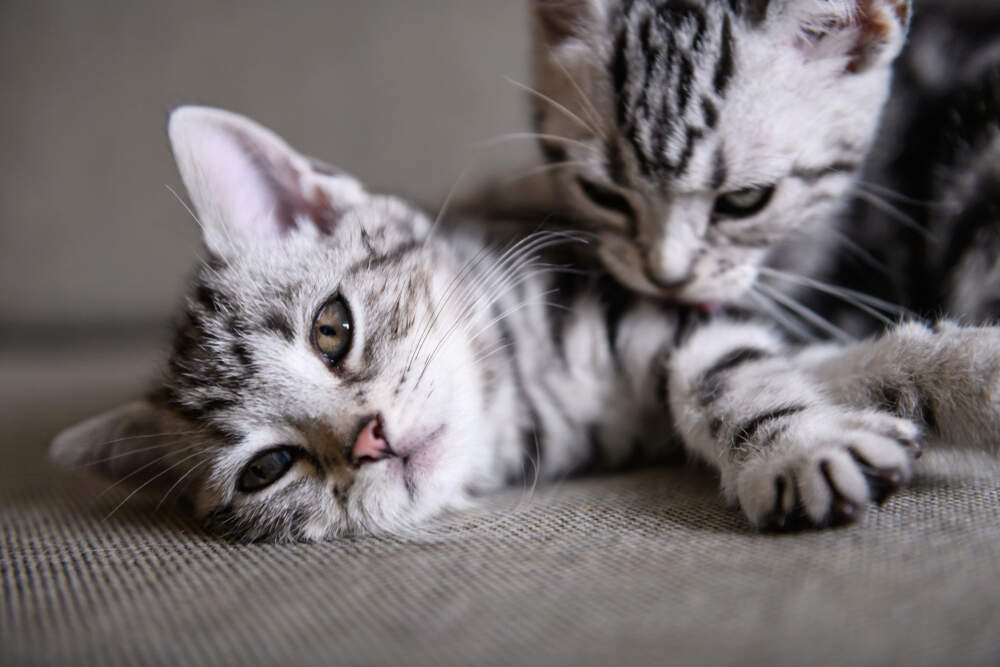
Social grooming happens between cats. They lick each other’s heads, necks, or backs. This behavior builds trust and friendship. Cats use social grooming to feel close and safe with each other.
Bonding Through Grooming
Grooming is a strong way cats bond. It shows care and friendship. Cats that groom each other often share a good relationship. This helps reduce stress and fights.
When cats groom their owners, it means they feel love and trust. Grooming is a gentle way for cats to connect. It makes their social bonds stronger and happier.

Credit: cats.com
Tips To Support Healthy Grooming
Helping your cat maintain healthy grooming is key to its well-being. Grooming keeps their fur clean and skin healthy. It also helps them relax and feel safe. Support your cat’s grooming habits with a few simple steps. These tips make grooming easier and more effective for your pet.
Regular Vet Checks
Schedule vet visits regularly to monitor your cat’s health. Vets check for skin issues and parasites that affect grooming. Early detection prevents serious problems. Discuss any changes in your cat’s grooming habits with the vet. They can suggest treatments or diet changes to improve skin and coat health.
Creating A Comfortable Environment
Provide a calm space where your cat feels safe. Stress can cause grooming problems or over-grooming. Soft bedding and quiet corners help your cat relax. Keep their living area clean and free of irritants. A healthy environment supports natural grooming behaviors and overall comfort.
Frequently Asked Questions
Why Do Cats Groom Themselves Frequently?
Cats groom themselves to stay clean and remove dirt, loose fur, and parasites. Grooming also helps regulate their body temperature and reduces stress, promoting overall health and comfort.
Is Self-grooming A Sign Of A Healthy Cat?
Yes, regular self-grooming indicates good health. It shows your cat feels comfortable, maintains hygiene, and has no skin issues or pain affecting grooming behavior.
Can Excessive Grooming Indicate A Problem?
Excessive grooming may signal stress, allergies, or skin problems. If your cat grooms too much, consult a vet to rule out underlying health issues.
How Does Grooming Affect A Cat’s Mood?
Grooming helps cats relax and reduces anxiety. It releases endorphins, promoting calmness and emotional well-being, making grooming a positive sign of contentment.
Conclusion
Cats grooming themselves is a sign of good health and comfort. It shows they feel safe and relaxed in their space. Grooming helps them stay clean and cool. Sometimes, it also helps reduce stress. Watch for changes in grooming habits, as they may signal health issues.
Regular grooming means your cat cares about its well-being. Pay attention to your cat’s behavior for a happy, healthy pet. Keep their environment calm to encourage natural grooming. Simple signs can tell a lot about your cat’s mood and health.