
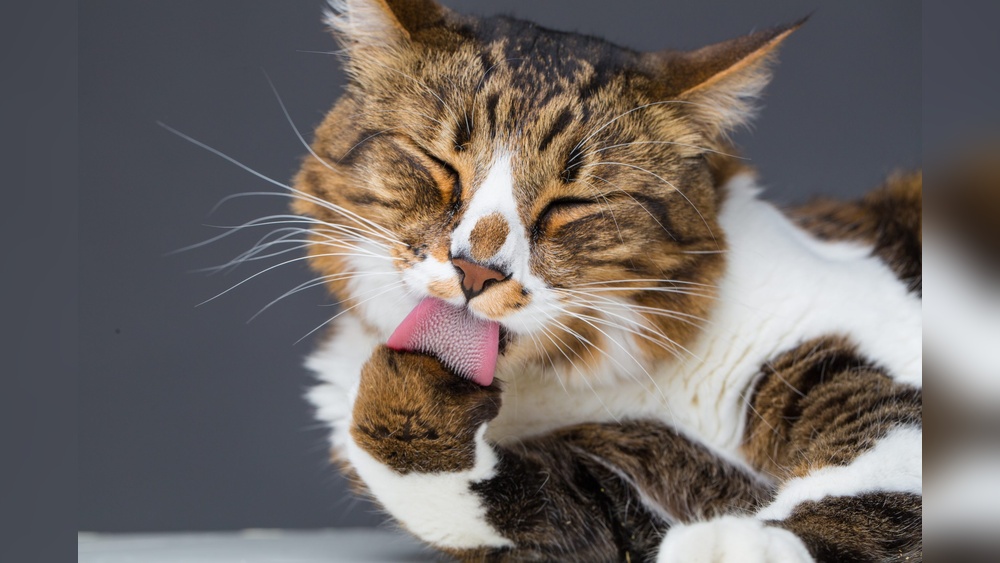
Have you noticed your cat spending more time than usual licking and grooming herself? It’s natural to wonder if this behavior is normal or if something might be wrong.
When your furry friend grooms herself excessively, it can be a sign that she’s stressed, uncomfortable, or even in pain. Understanding why your cat is grooming so much can help you keep her happy and healthy. Keep reading to discover the surprising reasons behind this behavior and what you can do to help your beloved pet feel her best.
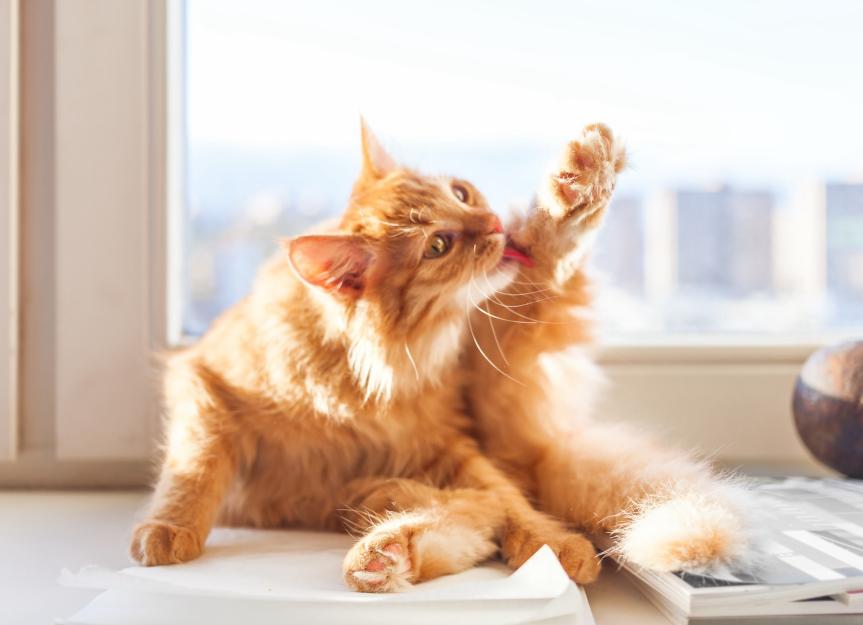
Credit: www.petmd.com
Excessive Grooming Signs
Excessive grooming in cats can signal a problem beneath the surface. It is normal for cats to groom themselves daily. But too much grooming can cause harm. This behavior may point to stress, allergies, or skin issues. Watching for signs helps you act early. Understanding these signs protects your cat’s health and happiness.
Behavior Patterns
Look for changes in how often your cat licks or bites. Grooming longer than usual is a red flag. Your cat may focus on one spot repeatedly. Pacing or restlessness can also appear alongside grooming. Cats might hide or avoid contact more than before. These changes show discomfort or anxiety behind the grooming.
Physical Symptoms
Check your cat’s skin and fur for damage. Bald patches or thinning fur appear in over-groomed areas. Redness, swelling, or sores may develop from constant licking. Scabs or crusts can show infection or irritation. Your cat might scratch or bite these spots often. These symptoms need quick attention from a vet.
Common Causes
Cats groom themselves to stay clean and healthy. Sometimes, they groom too much. This behavior may signal a problem. Understanding common causes helps you care for your cat better. Here are main reasons cats groom excessively.
Allergies And Skin Issues
Allergies cause itching and discomfort in cats. They may lick or scratch to ease the feeling. Skin problems like dry patches or rashes also lead to more grooming. Food, dust, or pollen can trigger allergies in cats. Check your cat’s skin often for redness or sores.
Parasites And Infections
Fleas, ticks, and mites irritate your cat’s skin. These parasites make your cat lick and bite repeatedly. Infections from bacteria or fungi cause itching too. Keep your cat’s fur clean and check for parasites. Visit a vet if you find signs of infection or pests.
Stress And Anxiety
Cats feel stress from changes in their environment. Moving, loud noises, or new pets can upset them. Grooming helps calm their nerves in stressful times. Excessive grooming may show anxiety or discomfort. Provide a safe and quiet space for your cat to relax.
Boredom And Lack Of Stimulation
Bored cats groom to pass time or seek attention. Lack of toys or playtime leads to over-grooming. Mental and physical stimulation keeps cats happy and busy. Offer interactive toys and regular play sessions. This reduces boredom and prevents excessive grooming.
Health Risks Of Overgrooming
Overgrooming can cause serious health problems for cats. Grooming is normal, but too much licking or biting can harm your pet. Understanding these risks helps you protect your cat’s health.
Skin Damage
Excessive grooming wears down the skin. It can cause redness, sores, and irritation. The skin becomes raw and painful. This damage makes your cat uncomfortable and stressed.
Hair Loss
Too much licking pulls out fur. Bald patches appear on the body. Hair loss can expose sensitive skin. This makes your cat feel cold and vulnerable.
Secondary Infections
Open wounds from grooming invite bacteria. These wounds can get infected easily. Infections cause swelling, pain, and bad smells. Without treatment, infections can become serious.
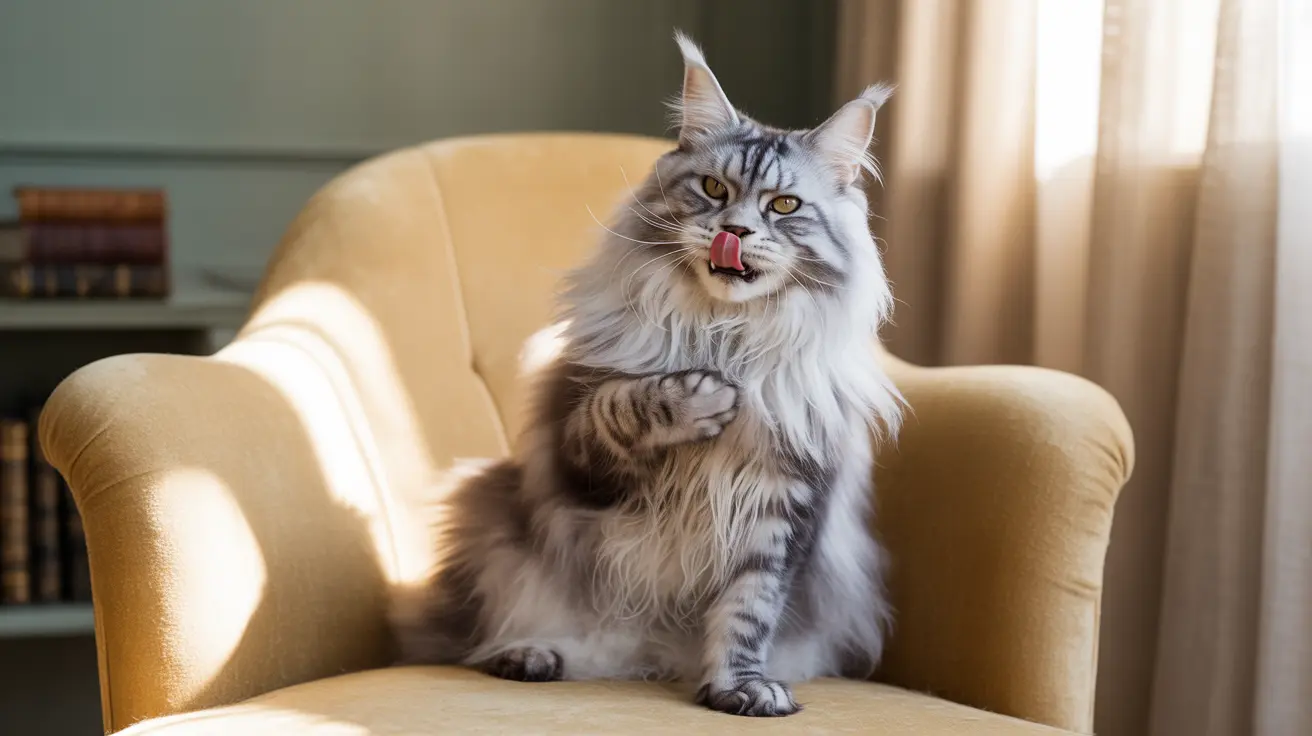
Credit: www.petscare.com
Veterinary Diagnosis
Veterinary diagnosis plays a key role in understanding why your cat grooms excessively. The vet uses careful steps to find the root cause. This process helps to treat the problem effectively. A proper diagnosis can prevent further health issues for your cat.
Physical Examination
The vet starts with a full physical checkup. They look for skin problems, wounds, or parasites. Checking the coat and skin helps spot irritation or infections. This exam shows signs of pain or discomfort your cat may hide. A careful look guides the next steps in diagnosis.
Allergy Testing
Allergies often cause cats to lick or scratch a lot. The vet may run allergy tests to find triggers. These tests can include blood work or skin tests. Identifying allergies helps reduce itching and grooming. Treating allergies improves your cat’s comfort and health.
Behavioral Assessment
Sometimes, grooming is linked to stress or anxiety. The vet observes your cat’s behavior for signs of nervousness. They may ask about changes in your cat’s environment. Stress can cause over-grooming as a coping habit. Understanding behavior helps create a plan to calm your cat.
Treatment Options
Excessive grooming in cats can signal health or behavior issues. Treating this problem depends on the cause. Understanding treatment options helps calm your cat and protect her skin.
Some cases need medicine. Others require changes in your cat’s environment. Sometimes, both are necessary for the best results.
Medical Treatments
Your vet may prescribe medicines to reduce itching or allergies. Anti-inflammatory drugs can soothe irritated skin. Antibiotics treat infections caused by over-grooming. Always follow your vet’s instructions carefully.
Parasite Control
Parasites like fleas cause itching and discomfort. Flea treatments help stop the cycle of itching and scratching. Use vet-recommended flea control products regularly. Check your cat’s fur for signs of parasites often.
Behavioral Therapy
Stress and anxiety can cause over-grooming. Behavioral therapy helps your cat feel calm. Techniques include gentle play and positive reinforcement. Consult a vet or animal behaviorist for guidance.
Environmental Enrichment
Provide toys, scratching posts, and quiet spaces. New activities reduce boredom and stress. A happy cat grooms less out of habit. Change the environment slowly to avoid stress.
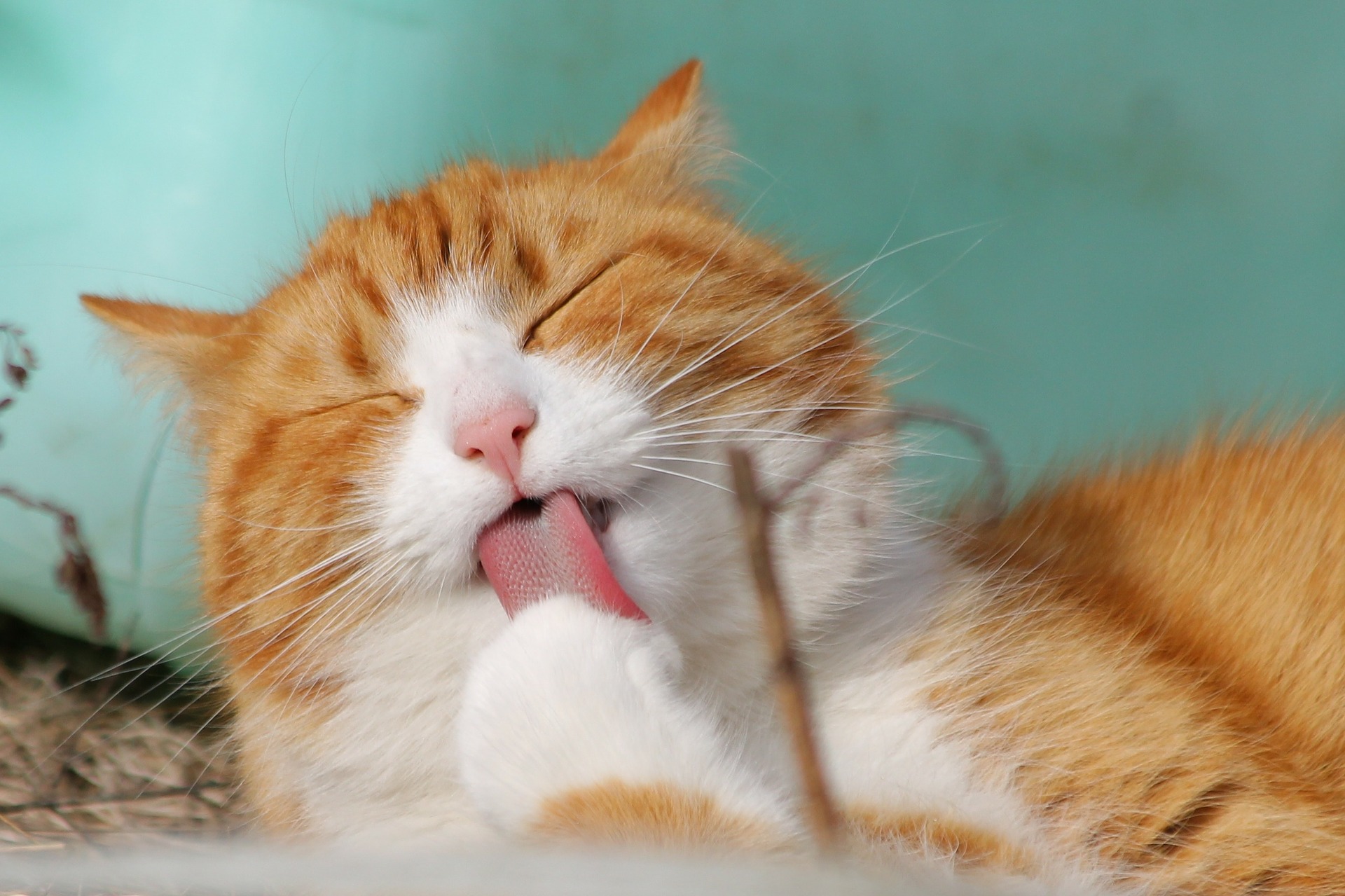
Credit: www.4pawsanimal.com
Preventing Overgrooming
Preventing overgrooming is key to keeping your cat healthy and happy. Overgrooming can cause skin damage and hair loss. It may also signal an underlying problem. Taking steps to prevent this behavior helps your cat feel calm and comfortable.
Regular Vet Checkups
Schedule regular visits to the vet. The vet can spot health issues early. Skin allergies, parasites, or pain may cause overgrooming. Treating these problems stops your cat from licking too much. Keep vaccinations and parasite control up to date. This helps maintain your cat’s overall well-being.
Stress Reduction Techniques
Stress often leads cats to groom excessively. Create a calm environment for your cat. Provide quiet spaces and safe hiding spots. Use calming sprays or diffusers made for cats. Keep a steady daily routine. These steps reduce anxiety and help your cat relax.
Interactive Playtime
Play keeps your cat engaged and distracted. Use toys that mimic hunting, like feather wands or laser pointers. Regular playtime burns energy and reduces boredom. A tired cat grooms less out of stress. Play also strengthens the bond between you and your pet.
Frequently Asked Questions
Why Is My Cat Grooming Herself Excessively?
Excessive grooming can signal stress, allergies, or skin problems. Cats may over-groom to soothe themselves or remove irritants. If grooming causes hair loss or skin damage, a vet visit is essential for diagnosis and treatment.
Can Stress Cause My Cat To Groom More Often?
Yes, stress triggers over-grooming as a coping mechanism. Changes in environment, loud noises, or new pets can increase stress. Managing stress through routine, play, and comfort can reduce excessive grooming.
How Do Allergies Affect My Cat’s Grooming Habits?
Allergies cause itching and discomfort, prompting more grooming. Food, pollen, or fleas often trigger allergic reactions. Identifying and eliminating allergens helps reduce grooming and improves your cat’s skin health.
When Should I Worry About My Cat’s Grooming Behavior?
Worry if grooming leads to bald patches, sores, or bleeding. Excessive licking can cause infections and pain. Seek veterinary advice if grooming behavior changes suddenly or seems compulsive.
Conclusion
Cats groom themselves to stay clean and healthy. Sometimes, they groom too much because of stress or skin problems. Watch your cat’s behavior and check for signs of irritation. A balanced diet and regular vet visits help keep your cat comfortable.
Understanding why your cat grooms a lot can improve their well-being. Keep your cat happy and calm by giving love and attention. Small changes can make a big difference in their grooming habits. Caring for your cat shows you care about their health and happiness.