

Are you thinking about breeding Bengal cats and wondering if it’s really profitable? You’re not alone.
Many cat lovers see the stunning looks and unique personality of Bengals and ask, “Can this be a good source of income? ” Breeding three Bengal cats might sound simple, but there’s more to it than just pairing them up.
You’ll discover the key factors that affect your earnings, the costs involved, and what you need to watch out for to make smart decisions. Keep reading to find out if breeding Bengals can truly boost your income or if it’s just a costly hobby.
Why Choose Bengal Cats
Bengal cats are a popular choice for breeders and pet lovers. Their striking looks and playful nature set them apart. Choosing Bengal cats can be a smart decision for those interested in breeding.
These cats have qualities that attract many buyers. Their unique traits and steady demand make them a profitable option.
Unique Traits And Appeal
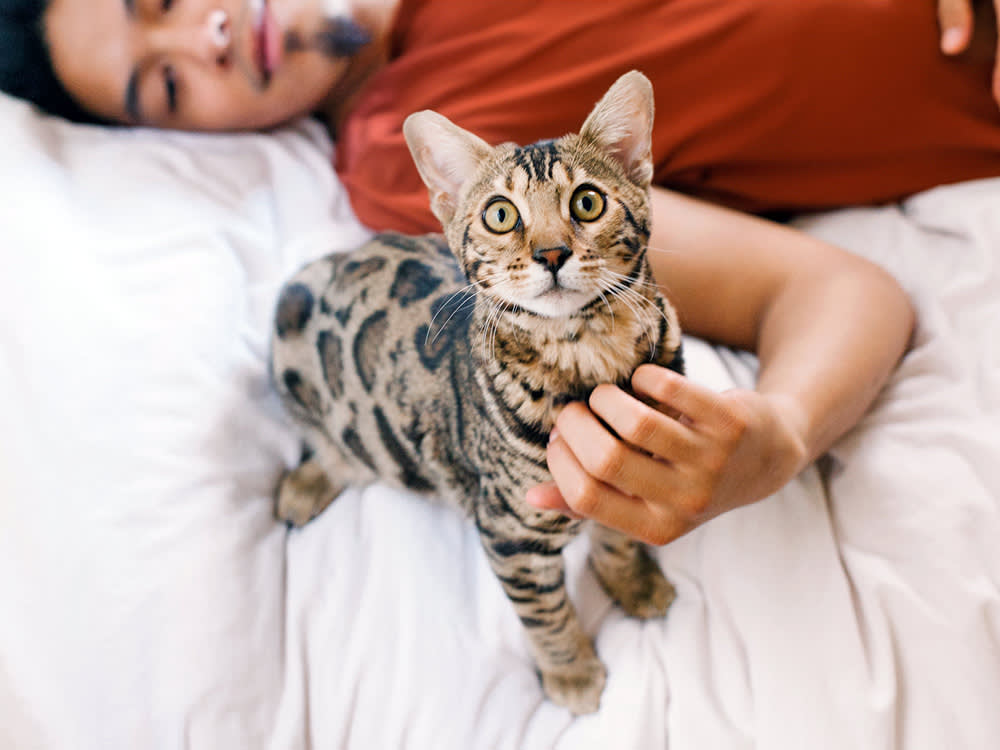
Bengal cats have a wild, exotic look. Their coat has spots and rosettes like a leopard. This pattern makes them highly desired.
They are very active and playful. Bengals love to climb and explore. Their intelligence makes them easy to train.
Their friendly and social nature fits well in homes. They often bond closely with their owners. This personality adds to their charm.
Demand In The Market
Bengal cats remain popular worldwide. Many people want them as pets. This demand keeps prices stable and often high.
Breeders find a steady market for healthy, well-bred Bengals. Buyers seek kittens with good markings and temperament. This demand helps ensure profitable sales.
Careful breeding and healthy practices boost reputation. A good breeder can build loyal customers. This reputation supports long-term success.
Credit: www.kinship.com
Initial Investment Costs
Starting a Bengal cat breeding business needs some money upfront. These costs cover buying cats and making a safe space for them. Understanding these expenses helps plan better and avoid surprises.
Purchasing Quality Breeding Cats
Buying healthy Bengal cats is the first big cost. Good cats have strong bloodlines and no health problems. Expect to pay between $1,500 and $3,000 for each cat. Quality cats increase chances of healthy kittens. It is important to check their health records before buying.
Setting Up Proper Facilities
A safe, clean place is needed for the cats and kittens. This includes cages, bedding, and litter boxes. You also need good ventilation and temperature control. Setting up the space can cost around $1,000 to $3,000. Proper facilities keep cats healthy and happy. This investment protects your breeding success.
Breeding Process Essentials
Breeding Bengal cats requires careful planning and knowledge. The process involves several important steps. Each step helps ensure healthy kittens and a smooth experience. Understanding these essentials improves your chances of success and profitability.
Let’s explore the key parts of the breeding process that every breeder should know.
Selecting Breeding Pairs
Choosing the right cats is crucial. Look for strong, healthy Bengals with good traits. The male and female should complement each other. Aim for cats with good temperament and clear markings. Avoid breeding cats with known health issues or poor traits. This increases the chance of healthy, beautiful kittens.
Health And Genetic Testing
Testing is a must before breeding. Check for common Bengal diseases like PKD and PRA. Genetic testing helps prevent passing defects to kittens. Both cats should have up-to-date vaccinations. Regular vet checks ensure they are fit for breeding. Healthy parents lead to stronger babies.
Mating And Pregnancy Care
Mating should be planned to match the female’s heat cycle. Provide a calm, safe environment for the cats. Pregnancy lasts about 63-65 days. Monitor the female’s health closely during this time. Give her nutritious food and a quiet place to rest. Prepare for birth by setting up a clean nesting area.
Raising Bengal Kittens
Raising Bengal kittens requires careful attention and care. These cats are active and curious. They need proper care to grow healthy and happy. Understanding their needs helps ensure success in breeding.
Good care also builds trust between you and the kittens. It helps them become friendly and well-behaved pets. Focus on their health and behavior from an early age.
Nutrition And Health Care
Bengal kittens need high-quality food rich in protein. Protein supports their energy and muscle growth. Avoid feeding them low-quality or harmful foods. Fresh water should always be available.
Regular vet visits keep kittens healthy and prevent diseases. Vaccinations and deworming are essential. Watch for signs of illness like loss of appetite or lethargy. Early care helps avoid costly health problems.
Socialization And Training
Start socializing Bengal kittens early. Handle them gently every day. Introduce them to new people and sounds slowly. This builds confidence and reduces fear.
Teach basic rules like using the litter box. Play with them to encourage good behavior. Training helps kittens become calm and polite adults. Early socialization makes them better pets for buyers.
Marketing And Selling Bengals
Marketing and selling Bengal cats requires clear strategies to reach the right buyers. Success depends on pricing, finding customers, and building trust. Each step plays a key role in making breeding profitable.
Careful planning in marketing helps breeders connect with people who want Bengals. Presenting cats well and showing their value attracts serious buyers. A good approach makes selling smoother and more rewarding.
Pricing Strategies
Set prices based on the cat’s quality, age, and pedigree. Check prices from other Bengal breeders to stay competitive. Avoid pricing too low, which can reduce perceived value. High prices need strong proof of quality and health. Transparent pricing builds buyer trust and shows professionalism.
Finding Buyers
Use online platforms and social media to reach Bengal enthusiasts. Join cat clubs and pet shows to meet potential buyers. Word of mouth remains powerful in this niche market. Offer clear photos and honest descriptions to attract interest. Keep communication fast and friendly to keep buyers engaged.
Building A Reputation
Reputation grows from healthy cats and good customer service. Share testimonials and updates about the kittens’ growth. Provide advice and support to new owners after sale. Consistent quality and care encourage repeat buyers and referrals. A strong reputation makes marketing easier over time.
Credit: www.lionstigersandbears.org
Profitability Factors
Breeding three Bengal cats can offer financial opportunities but involves many factors. Profit depends on costs, sales, and challenges. Understanding these factors helps assess if breeding is worth it.
Cost Vs. Revenue Analysis
Initial costs include purchasing quality Bengal cats and health tests. Feeding, vet visits, and vaccinations add to expenses. Proper care also requires time and effort.
Revenue comes from selling kittens. Prices vary based on pedigree, health, and demand. Selling all kittens at good prices can cover costs and generate profit.
Breeders must calculate all expenses and expected income. This helps decide if breeding is financially viable.
Common Challenges And Risks
Breeding Bengal cats has risks like health problems and complications during birth. These issues can increase veterinary costs. Not all kittens may survive or sell quickly.
Market demand can change, affecting kitten prices. Poor timing or low demand lowers profits. Time invested may not always match financial returns.
Careful planning and knowledge reduce risks. But challenges remain a key factor in profitability.
Legal And Ethical Considerations
Breeding Bengal cats can be rewarding but involves legal and ethical duties. Understanding these is key to responsible breeding. These duties protect both the cats and the breeders from problems.
Breeding Regulations
Each region has rules for breeding animals. These laws control how many cats you can breed. They also require health checks and proper documentation. Following these rules avoids fines and legal trouble. Always check local laws before starting breeding.
Animal Welfare Practices
Caring for Bengal cats means more than just breeding. It includes providing good food, clean space, and medical care. Avoid overbreeding to keep cats healthy. Socialize kittens early to help their behavior. Respect the needs of each cat to breed ethically.
Tips For Long-term Success
Success in breeding Bengal cats takes more than just passion. It needs careful planning and steady effort. Following practical tips helps keep your breeding business profitable and healthy over time.
These tips build strong foundations for your Bengal cat breeding journey. They improve your skills and expand your connections in the cat breeding world.
Networking With Other Breeders
Connecting with fellow breeders opens many doors. Sharing knowledge helps you avoid common mistakes. You learn about new trends and best practices.
Networking also helps find good buyers and partners. Trusted breeders can offer advice on health and genetics. Joining breeder groups or forums creates lasting relationships.
Continuous Learning And Improvement
Breeding Bengal cats requires ongoing education. Stay updated on health care and breed standards. Attend workshops and read expert articles regularly.
Improving your skills helps maintain high-quality litters. Track your results and adapt your methods. Learning keeps your breeding program strong and ethical.

Credit: www.walmart.com
Frequently Asked Questions
Is Breeding 3 Bengal Cats Financially Profitable?
Breeding 3 Bengal cats can be profitable with proper planning. Success depends on demand, breeding costs, and kitten quality. Careful management ensures good returns while maintaining cat health and pedigree.
What Are The Main Costs In Bengal Cat Breeding?
Key costs include veterinary care, quality food, and breeding supplies. Registration, vaccinations, and genetic testing also add expenses. Budgeting these is crucial for profitable Bengal cat breeding.
How Long Does It Take To Earn Profit From Bengal Cats?
Profit timelines vary but typically take several months to a year. This depends on breeding cycles, kitten sales, and market demand. Consistent quality and marketing speed up profitability.
What Factors Affect Bengal Cat Breeding Success?
Success depends on genetics, health, and proper care. Experience in breeding and understanding cat behavior also matter. Good customer relations and ethical breeding practices improve outcomes.
Conclusion
Breeding Bengal cats can bring profits but also needs care and effort. Costs for food, health, and space add up quickly. Finding good homes for kittens takes time and patience. Not everyone earns big money from breeding three Bengals. Success depends on knowledge, dedication, and responsible choices.
Think about the work and expenses before starting. Breeding is more than just making money—it’s about love for cats too. Choose wisely and plan well to see if it suits you.