
Are you wondering when to switch your playful kitten to adult cat food? This decision is important for your furry friend’s health and growth.
Feeding your kitten the right food at the right time ensures they get the nutrients they need to thrive. If you change their diet too early or too late, it could affect their energy, weight, and overall well-being. Keep reading to discover the perfect timing for this transition and how to make it smooth for your beloved pet.
Your kitten’s future starts with the food you choose today.

Credit: www.vetsupply.com.au
Growth Stages Of Kittens
Kittens grow fast in their first months. Their food needs change during different growth stages. Understanding these stages helps decide when to switch to adult cat food. Proper nutrition supports healthy bones, muscles, and brain development. Each stage has unique feeding requirements to keep your kitten strong and happy.
Newborn To Weaning Phase
Newborn kittens rely entirely on their mother’s milk. This milk provides all essential nutrients and antibodies. Kittens nurse frequently during this time. The weaning phase starts around 4 weeks old. Kittens slowly begin to eat soft, wet food. Milk remains important, but solid food begins to appear.
Transition To Solid Food
Between 4 and 8 weeks, kittens eat more solid food. Start with wet kitten food or softened dry food. This stage helps their teeth and digestive system grow strong. Offer small, frequent meals to encourage eating. Continue to provide milk or formula if needed. Proper transition prevents digestive upset and supports growth.
Juvenile Development
From 8 weeks to 12 months, kittens grow rapidly. They need food rich in protein and calories. Kitten food contains extra nutrients for this stage. Feed multiple times daily to match their energy needs. Around 12 months, growth slows and adult food suits better. This stage prepares them for a healthy adult life.

Credit: www.bluebuffalo.com
Nutritional Needs Of Kittens
Kittens grow fast and need special food to stay healthy. Their bodies require more energy and nutrients than adult cats. Feeding the right food helps kittens develop strong bones, muscles, and a good immune system. Understanding their nutritional needs guides the right time to switch to adult cat food.
Protein And Calorie Requirements
Kittens need high protein to build muscles and tissues. Protein supports their rapid growth and energy use. They also need more calories per pound than adult cats. These calories fuel their active play and body development. Kitten food has extra protein and calories to meet these needs.
Essential Vitamins And Minerals
Vitamins and minerals keep kittens healthy and growing. Calcium and phosphorus help build strong bones and teeth. Vitamins A and E support vision and skin health. Taurine, an amino acid, is vital for heart and eye function. Kitten food contains all these nutrients in the right amounts.
Hydration And Diet Balance
Kittens need water for digestion and overall health. Wet kitten food helps keep them hydrated. Balanced diets include the right mix of protein, fat, and moisture. This balance supports healthy weight and organ function. Proper hydration and nutrients prevent health problems later.
Signs To Switch To Adult Food
Knowing when to switch your kitten to adult cat food is important. Proper nutrition supports healthy growth and development. Watching for clear signs helps make the right choice. These signs include age, size, weight, and behavior changes.
Age Benchmarks
Kittens usually start adult food at about one year old. Some vets suggest starting at 10 months. By this time, growth slows and energy needs change. Age alone is not enough. Combine it with other signs for best results.
Weight And Size Indicators
Kittens grow quickly in their first year. When your kitten reaches near full size, it may be time to switch. Adult cats have different calorie needs than growing kittens. Check if your kitten’s weight is steady or still rising fast.
Behavioral Cues
Changes in appetite or energy can hint it is time to change food. Adult cat food supports a mature cat’s activity level. Notice if your kitten seems less playful or more calm. These behavior shifts often mean they are growing up.
Risks Of Early Or Late Transition
Changing a kitten’s food too early or too late can cause problems. The timing is important for their health. Both early and late transitions have risks that affect growth and well-being.
Choosing the right time helps your kitten grow strong and healthy. Here are some risks to watch for when changing their diet.
Digestive Issues
Kittens have sensitive stomachs. Switching food too soon can upset digestion. They may get diarrhea or vomiting. Their bodies need time to adjust to new food. Waiting too long can also cause stomach problems. Their digestive system needs nutrients from adult food at the right time.
Nutrient Deficiencies
Kittens need special nutrients for growth. Early change to adult food may lack enough vitamins. This can slow bone and muscle development. Late switching might miss essential nutrients for adult cats. Both cases can weaken your cat’s immune system. Balanced nutrition is key for strong health.
Weight Management Problems
Food affects kitten weight. Early transition to adult food can cause weight loss. Their body burns energy fast and needs more calories. Late change can lead to weight gain. Adult food has fewer calories, which may make kittens fat. Proper timing helps keep a healthy weight.
Choosing The Right Adult Cat Food
Choosing the right adult cat food is important for your kitten’s health. The switch from kitten to adult food should provide balanced nutrition. Adult cat food supports their changing needs as they grow. It helps maintain energy levels, muscle mass, and overall wellness.
Picking the best food means paying attention to ingredients, avoiding harmful additives, and seeking advice from a vet. These steps ensure your cat stays healthy and happy.
Ingredients To Look For
Choose food with high-quality protein like chicken or fish. Protein helps keep muscles strong. Look for added vitamins and minerals to support immune health. Omega-3 and omega-6 fatty acids aid skin and coat health. Whole grains or vegetables provide fiber for digestion. These ingredients promote overall well-being and energy.
Avoiding Harmful Additives
Steer clear of foods with artificial colors and flavors. These can cause allergies or digestive problems. Avoid excessive fillers like corn or wheat, which offer little nutrition. Watch out for preservatives like BHA or BHT. These chemicals may harm your cat over time. Choose natural and simple ingredient lists for safety.
Consulting A Veterinarian
Ask your vet about the best time to switch foods. Vets can recommend brands that suit your cat’s needs. They can also check for allergies or health issues. Regular vet visits help track your cat’s growth and diet. Professional advice ensures your cat gets the right nutrition.
Tips For A Smooth Food Transition
Changing your kitten’s food to adult cat food needs care. A smooth change helps avoid stomach problems. It keeps your cat happy and healthy. Follow these tips for a gentle transition.
Small steps work best. Watch your kitten closely. Adjust food amounts carefully. These actions make the process easy.
Gradual Mixing Techniques
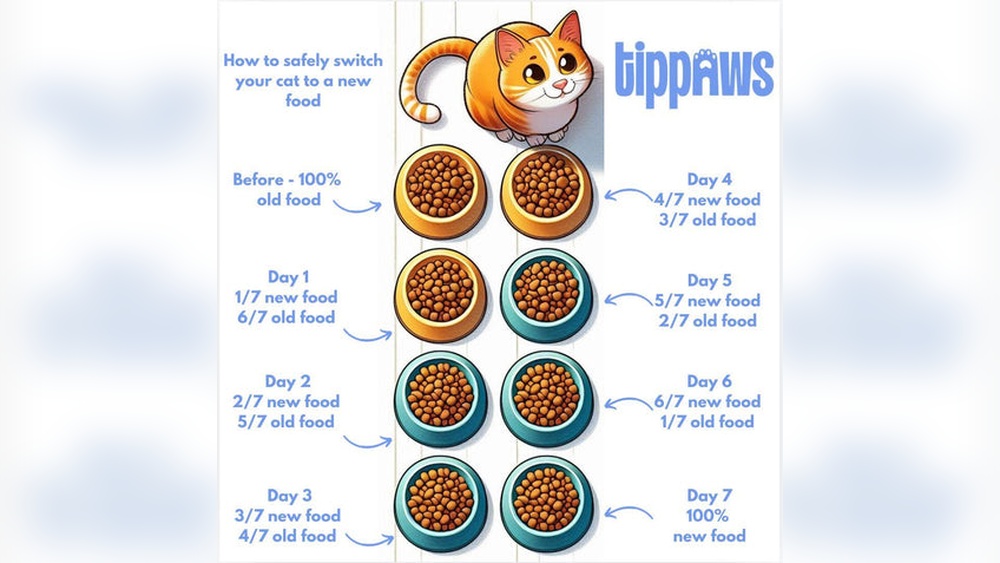
Start by mixing a small amount of adult food with kitten food. Increase adult food slowly over 7 to 10 days. This helps your kitten get used to new flavors. Avoid sudden changes to prevent upset stomach.
Mix food well so your kitten does not reject the new diet. Keep the same feeding times. Consistency helps your kitten feel safe during the change.
Monitoring Health And Behavior
Watch your kitten’s stool and appetite daily. Soft stool or vomiting means the change is too fast. Your kitten may refuse food if it does not like the taste.
Note any changes in energy or mood. Healthy kittens stay active and playful. Contact your vet if you see serious problems or long-lasting changes.
Adjusting Portions Over Time
Measure food to avoid overfeeding or hunger. Adult cat food has different calories than kitten food. Start with small portions and increase as needed.
Keep feeding your kitten according to weight and age. Over time, your cat will eat less than when it was a kitten. Adjust portions to keep your cat fit and healthy.

Credit: nourish.petuniverse.com
Frequently Asked Questions
When Is The Right Age To Switch Kitten Food?
Most kittens should switch to adult cat food at about 12 months. This timing supports their changing nutritional needs as they grow. Some larger breeds may transition later, around 18 months, so consult your vet for personalized advice.
How To Tell If Kitten Needs Adult Cat Food?
Signs include slowed growth, reduced activity, and less need for high calories. If your kitten seems less playful and is approaching one year, it may be time to switch. Always consider your vet’s guidance for the best timing.
Can I Mix Kitten And Adult Food During Transition?
Yes, gradually mixing adult food with kitten food over 7-10 days helps kittens adjust. Start with mostly kitten food and increase adult food portion slowly. This reduces digestive upset and makes the transition smoother.
Why Switch From Kitten To Adult Cat Food?
Adult cat food meets the nutritional needs of mature cats, with fewer calories and different nutrient balances. Continuing kitten food too long can lead to weight gain. Proper diet changes support long-term health and wellbeing.
Conclusion
Kittens grow fast and need the right food to stay healthy. Around one year old, most cats can eat adult food. This change helps meet their energy and nutrition needs. Watch your kitten’s weight and activity to know the best time.
Switching slowly avoids stomach problems. Feeding proper food supports a long, happy life for your cat. Take time to choose good quality adult cat food. Your cat will thank you with love and purrs.