
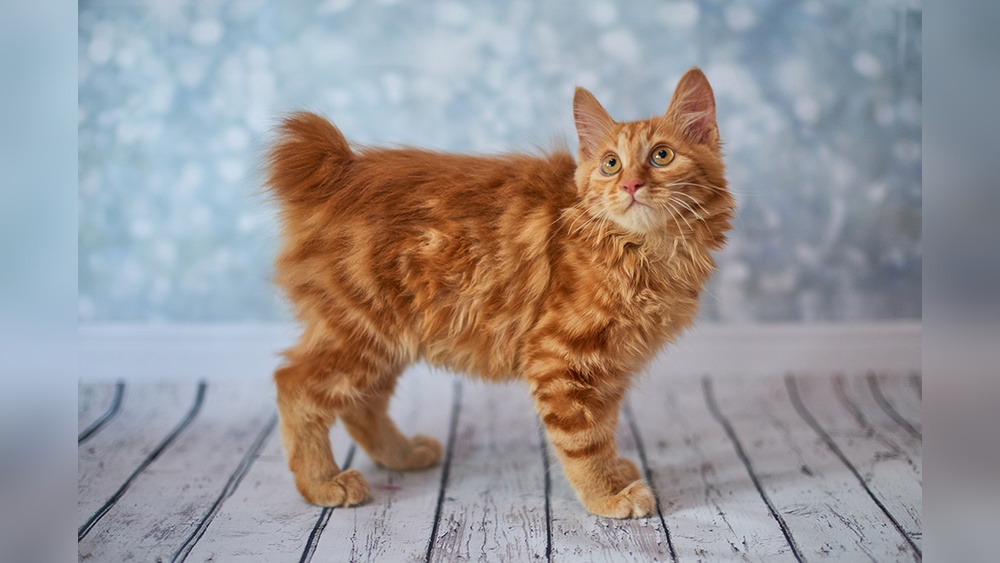
Have you ever noticed a cat with a tail that looks unusually short or even almost missing? These unique cats aren’t just special—they belong to some fascinating breeds known for their stubby tails.
If you’re curious about what makes these cats so different and want to discover which breeds have these charming little tails, you’re in the right place. Keep reading to find out everything you need to know about cat breeds with stubby tails and why they might be the perfect furry friend for you.
Stubby Tails In Cats
Stubby tails in cats create a unique look that many find charming. These short, sometimes kinked or curled tails differ from the usual long, straight ones. Cats with stubby tails often belong to special breeds. Their tails are not just a physical trait but a part of their story.
Genetics Behind Short Tails
Short tails in cats come from specific genes. A mutation affects the tail’s bone growth. This mutation is often passed down from parent cats to kittens. Not all cats with short tails share the same gene. Different breeds have their own genetic traits causing stubby tails.
How Stubby Tails Affect Mobility
Stubby tails do not usually harm a cat’s movement. Cats rely more on their legs and body for balance. The tail helps with quick turns and balance but a short tail still works fine. Most stubby-tailed cats move just as well as normal-tailed cats. Their agility and speed remain strong.
Evolutionary Advantages
Short tails may help cats in certain environments. In some cases, stubby tails reduce injury risks during fights or hunting. They might also help cats move through thick brush or tight spaces. This tail type can be an advantage in wild or crowded areas. Evolution may favor stubby tails in some cat populations.
Credit: drinkteatravel.com
Popular Stubby-tailed Breeds
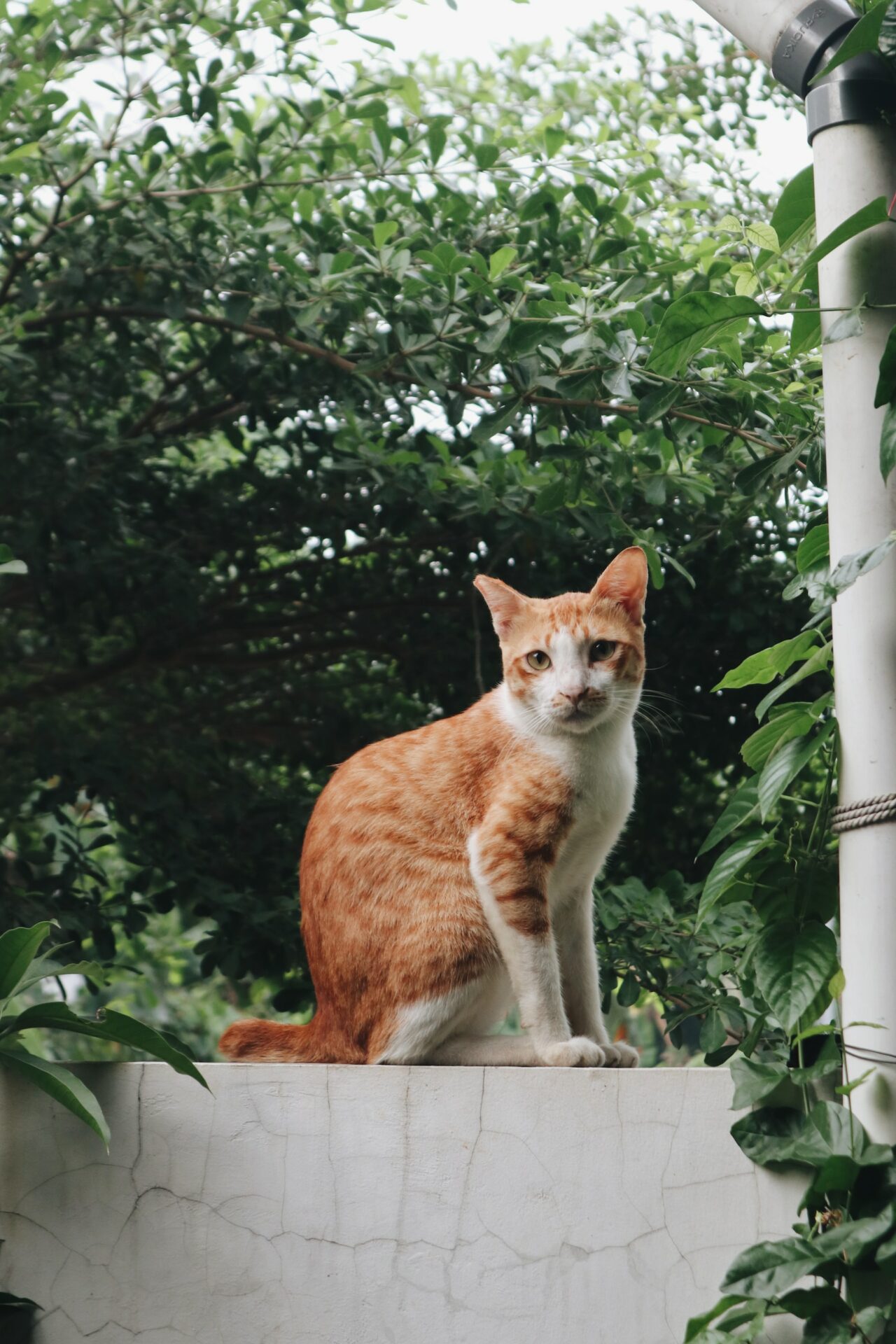
Stubby-tailed cats have a unique charm. Their short tails make them stand out. Many cat lovers find these breeds fascinating. Each breed has its own history and character. Here are some popular stubby-tailed cat breeds you should know.
Manx Cats
Manx cats are famous for their lack of tails or very short tails. This breed comes from the Isle of Man. Manx cats have strong bodies and round faces. They are playful and loyal pets. Their stubby tails can be just a small bump or missing entirely.
Japanese Bobtail
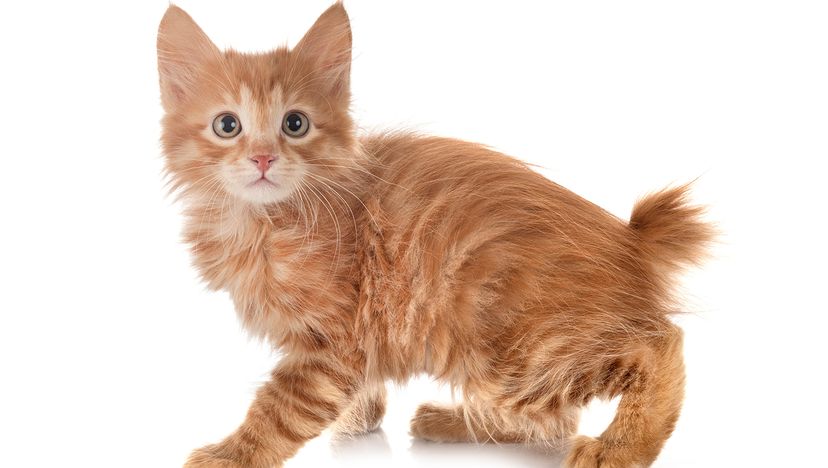
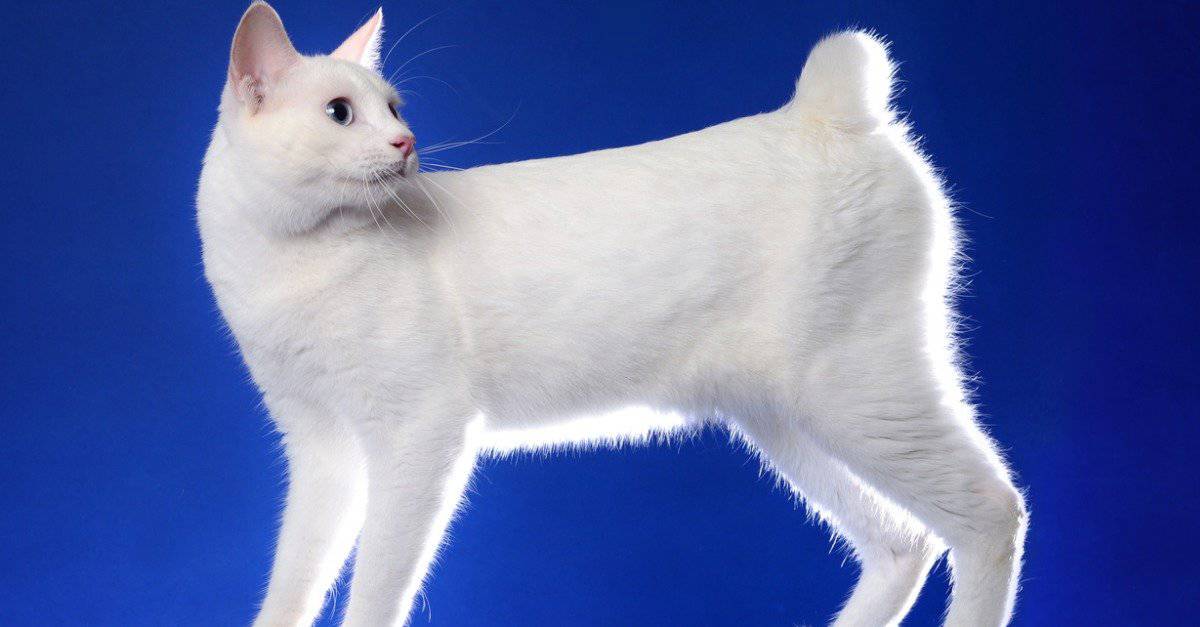
Japanese Bobtail cats have a short, fluffy tail that looks like a pom-pom. This breed is known in Japan for bringing good luck. They have slender bodies and bright eyes. These cats love to be active and social. Their stubby tails make them very distinctive.
American Bobtail
American Bobtails have a short tail that varies in length. They are muscular and medium-sized cats. This breed is friendly and intelligent. American Bobtails enjoy playing and bonding with their owners. Their stubby tails add to their wild look.
Pixie-bob
Pixie-Bobs look like small wild cats with short, bobbed tails. They have thick fur and strong legs. This breed is gentle and affectionate. Pixie-Bobs are known for being good family pets. Their stubby tails give them a unique appearance.
Personality Traits Of Stubby-tailed Cats
Stubby-tailed cats have unique personality traits that make them special pets. These cats often show charming behaviors that differ from other breeds. Their short tails do not affect their character. Many owners find them friendly and easy to live with.
Understanding their personality helps in giving them the best care. These cats enjoy social time but also value quiet moments. Their energy levels vary, making some playful and others calm. Loyalty and affection are common traits too. Learning about these helps create a strong bond.
Social Behavior
Stubby-tailed cats enjoy being around people. They often seek attention and love company. These cats can be friendly with strangers. They usually get along well with other pets. Many are curious and like exploring their home. Social interaction is important for their happiness.
Activity Levels
These cats have moderate energy levels. They enjoy playing but also like resting. Short bursts of activity are common. They chase toys and enjoy climbing. After play, they rest quietly. Their energy fits well with a calm household.
Affection And Loyalty
Stubby-tailed cats show strong affection to their owners. They like sitting on laps and being petted. Many form close bonds with family members. They may follow their owners around the house. Loyalty is a key trait in these cats. They often show love in gentle ways.
Credit: animals.howstuffworks.com
Care Tips For Stubby-tailed Cats
Stubby-tailed cats have unique needs that differ from other cats. Their short tails require special care to keep them healthy and happy. Understanding these needs helps provide better care and comfort.
Grooming Needs
Stubby-tailed cats usually have short fur, but some breeds have thicker coats. Brush their fur regularly to avoid mats and tangles. Clean their tails gently to prevent dirt buildup. Check their skin for any signs of irritation or infection. Keep their nails trimmed to avoid injuries during play.
Health Considerations
Stubby tails may result from genetic traits or past injuries. Watch for any signs of pain or discomfort in their tail area. Regular vet visits are important to monitor tail health. Some cats with short tails may have spine or nerve issues. Early detection helps manage these problems effectively.
Dietary Recommendations
Feed stubby-tailed cats a balanced diet rich in protein. Good nutrition supports healthy skin and fur. Provide fresh water daily to keep them hydrated. Avoid overfeeding to prevent obesity, which can strain their spine. Consult a vet for diet plans specific to your cat’s breed and health.
Cultural Significance And Myths
Stubby tails on cats are not just a physical trait. They carry deep cultural meanings and stories. Different cultures have seen these short tails as symbols or signs. These meanings often come from old myths and legends. People have passed these stories from one generation to another. This made stubby-tailed cats special in many societies.
Folklore Around Stubby Tails
Many cultures have tales about cats with stubby tails. Some believe these cats bring good luck. Others think they protect homes from evil spirits. In Japan, the Maneki-neko, or beckoning cat, sometimes has a short tail and is a symbol of fortune. In parts of Asia, stubby tails mean the cat has magical powers. These stories make the cats more than pets. They are seen as guardians or lucky charms.
Stubby Tails In Art And Media
Artists often show stubby-tailed cats in paintings and drawings. These cats appear in old tapestries and pottery. Their unique tails catch the eye and add charm. In modern media, stubby-tailed cats appear in cartoons and movies. They are often shown as cute and playful. This helps keep the fascination with these cats alive. The stubby tail becomes a symbol of uniqueness and character.
Credit: a-z-animals.com
Frequently Asked Questions
What Cat Breeds Have Naturally Stubby Tails?
Breeds like the Manx, American Bobtail, and Japanese Bobtail have naturally short or stubby tails. These tails are genetic traits passed down through generations.
Why Do Some Cats Have Stubby Tails?
Stubby tails result from specific gene mutations affecting tail length. These mutations are harmless and part of certain breed standards.
Are Stubby-tailed Cats Healthy?
Yes, most stubby-tailed cats are perfectly healthy. However, Manx cats may have spinal issues, so regular vet checkups are important.
How Do Stubby Tails Affect A Cat’s Balance?
Stubby tails slightly alter balance but cats adapt well. They rely more on body agility and whiskers for coordination.
Conclusion
Cats with stubby tails have unique charm and personality. These breeds stand out with their short, cute tails. Knowing about them helps you appreciate their special traits. Each breed has its own story and character. Stubby tails do not affect a cat’s agility or playfulness.
They remain loving and playful pets. Choosing a stubby-tailed cat brings joy and fun. Consider their care needs and enjoy their company every day.