
Are you worried about allergies but still dream of having a furry friend by your side? You’re not alone.
Many cat lovers face the challenge of sneezing, itchy eyes, or worse whenever they’re near a kitty. But what if you could find a cat breed that’s kinder to your allergies? Imagine enjoying the warmth and companionship of a cat without the constant sniffles.
You’ll discover the most hypoallergenic cat breeds that might just be perfect for you. Keep reading to find out which cats can bring joy to your home without triggering your allergies.
Credit: www.purina.co.nz
Why Choose Hypoallergenic Cats
Many people love cats but struggle with allergies. Hypoallergenic cats offer a way to enjoy pets without constant sneezing or itchy eyes. These breeds produce fewer allergens that trigger reactions. Choosing a hypoallergenic cat means more comfort for allergy sufferers. It helps create a happier home for both pets and owners.
Hypoallergenic cats can reduce allergy symptoms significantly. They allow more people to experience the joy of having a cat. These breeds often have special fur or skin traits. This limits the spread of allergy-causing proteins. It makes living with cats easier and more pleasant.
Common Cat Allergens
Cat allergies come from proteins in saliva, skin, and urine. The main allergen is called Fel d 1. Cats spread it when they groom themselves. Fel d 1 sticks to fur and skin flakes. These particles float in the air or land on surfaces. People breathe or touch them and may have allergic reactions.
Some cats produce less Fel d 1, making them better for allergy sufferers. Not all cats cause the same allergic response. Factors like fur length and grooming habits affect allergen levels. Hypoallergenic cats usually have lower Fel d 1 or shed less. This reduces exposure and allergy symptoms.
Benefits For Allergy Sufferers
Hypoallergenic cats help reduce sneezing, itching, and watery eyes. They improve quality of life for many allergy sufferers. These cats allow people to enjoy pets without constant discomfort. They also reduce the need for medication or air filters.
Living with a hypoallergenic cat promotes emotional well-being. Pets provide companionship, reduce stress, and increase happiness. Allergy-friendly cats make pet ownership possible for more people. They open doors to bonding with a furry friend without health worries.
Credit: catclinicatcherryhill.net
Traits Of Hypoallergenic Cats
Hypoallergenic cats have special traits that make them easier for allergy sufferers. These traits help reduce allergic reactions in many people. Understanding these traits helps in choosing the right cat breed for your home. Two main traits stand out: coat types and protein levels in saliva. Both influence how likely a cat is to cause allergies.
Coat Types And Shedding
Hypoallergenic cats often have unique coat types. Some have short hair, while others have curly or very fine fur. These coats shed less dander, the tiny skin flakes that cause allergies. Less shedding means fewer allergens spread around your home. Cats with less fur also trap allergens better, reducing air particles. Breeds like the Siberian and Balinese show this trait well.
Protein Levels In Saliva
Allergy reactions come from a protein called Fel d 1 found in cat saliva. Cats groom themselves by licking, spreading this protein on their fur. Hypoallergenic cats produce lower levels of Fel d 1 protein. Less protein means fewer chances of triggering allergies. Some breeds naturally produce less Fel d 1, helping sensitive owners live comfortably with cats.
Top Hypoallergenic Cat Breeds
Hypoallergenic cats cause fewer allergy problems. They produce less of the proteins that trigger reactions. These breeds are better for people with mild allergies or sensitivities. Their unique coats and grooming habits help reduce allergens in the home.
Here are some popular hypoallergenic cat breeds. Each one has special traits that make them stand out.
Siberian Cats
Siberian cats have thick, long fur that looks fluffy. Despite this, they produce lower levels of allergenic proteins. Their friendly nature makes them great companions. They enjoy playing and being around people.
Balinese Cats
Balinese cats have silky, medium-length coats. They shed less than many other breeds. Their calm and intelligent behavior suits quiet homes well. They often form strong bonds with their owners.
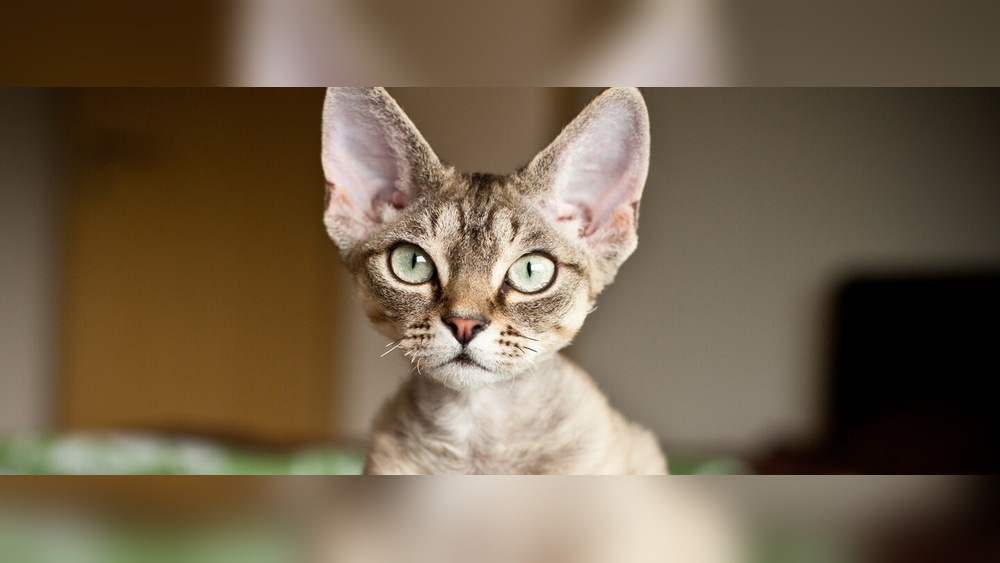
Devon Rex Cats
Devon Rex cats have short, curly fur. Their coat feels soft and requires less grooming. They are very active and playful pets. Their unique look often attracts attention.
Sphynx Cats
Sphynx cats are mostly hairless. Their skin needs regular care and cleaning. They love warmth and often cuddle with people. Their lack of fur reduces allergens greatly.
Russian Blue Cats
Russian Blues have dense, short blue-gray fur. They produce less of the allergen called Fel d 1. These cats are quiet and gentle. Many owners find them easy to care for.
Oriental Shorthair Cats
Oriental Shorthairs have sleek, short coats. They come in many colors and patterns. These cats are social and talkative. Their grooming needs are minimal, helping reduce allergens.
Caring For Allergy-friendly Cats
Caring for allergy-friendly cats requires attention and routine. These cats produce fewer allergens but still need care. Proper care helps reduce allergic reactions and keeps cats healthy. Simple habits make a big difference in managing allergies. Focus on grooming and cleaning to keep allergens low.
Grooming Tips To Reduce Allergens
Regular grooming helps remove loose fur and dander. Brush your cat at least twice a week using a soft brush. Bathing your cat can reduce allergens on fur. Use a cat-friendly shampoo and keep baths short. Clean your cat’s bedding often to remove dander. Wipe your cat’s face and paws gently with a damp cloth daily.
Home Cleaning Strategies
Vacuum floors and furniture frequently using a HEPA filter vacuum. Wash curtains and blankets weekly in hot water. Use air purifiers to capture airborne allergens inside your home. Avoid carpets if possible; they trap allergens easily. Clean litter boxes regularly and place them in well-ventilated areas. Keep your cat out of the bedroom to reduce allergens where you sleep.
Living With Hypoallergenic Cats
Living with hypoallergenic cats offers a chance to enjoy feline companionship with fewer allergy issues. These cats produce fewer allergens, which helps reduce allergic reactions. Yet, managing allergies is still important for a comfortable home.
Understanding how to live with hypoallergenic cats can improve your experience. It involves careful choices and daily habits to keep allergies under control. This way, both you and your cat stay happy and healthy.
Managing Allergies Effectively
Keep your home clean to reduce allergens. Vacuum floors and furniture often using a vacuum with a HEPA filter. Wash your cat’s bedding regularly in hot water. Use air purifiers to remove airborne allergens. Groom your cat weekly to lower loose hair and dander. Always wash your hands after touching your cat. Avoid letting your cat sleep in your bed to minimize exposure. These steps help control allergens and ease symptoms.
Choosing The Right Cat For Your Home
Select a breed known for low allergen production. Breeds like Siberian, Balinese, or Sphynx cause fewer allergies. Consider the cat’s personality and activity level too. Spend time with the cat before adopting to check your reaction. A calm, friendly cat fits well in most homes. Think about your lifestyle and space available. The right choice creates a happy and allergy-friendly environment.
Credit: www.metlifepetinsurance.com
Frequently Asked Questions
What Makes A Cat Breed Hypoallergenic?
Hypoallergenic cats produce fewer allergenic proteins in their saliva and skin. This reduces allergic reactions in sensitive individuals. Their coat type and grooming habits also influence allergen levels, making them suitable for allergy sufferers.
Which Cat Breeds Are Best For Allergy Sufferers?
Siberian, Balinese, and Sphynx cats are top hypoallergenic breeds. They produce fewer allergens and shed less. These breeds are often recommended for people with mild to moderate cat allergies.
Can Hypoallergenic Cats Completely Prevent Allergies?
No cat breed is 100% allergen-free. Hypoallergenic cats reduce allergen exposure but may not eliminate symptoms. Allergy sufferers should spend time with the cat before adoption to assess their reaction.
How Do Grooming Habits Affect Cat Allergens?
Regular grooming reduces loose fur and dander, lowering allergen spread. Bathing hypoallergenic cats weekly can help minimize allergens. Proper grooming is essential for managing allergy symptoms effectively.
Conclusion
Choosing a hypoallergenic cat can help reduce allergy problems. Some breeds shed less and produce fewer allergens. This makes them easier to live with for sensitive people. Remember, no cat is 100% allergen-free. Spending time with a cat before adopting is smart.
It helps you see if allergies flare up. Hypoallergenic cats bring joy with fewer sneezes. A happy home is possible with the right breed. Enjoy the company of a furry friend safely.