
Have you ever wondered what happens when your cat eats fleas while grooming? It’s a common behavior, but it raises an important question: is it safe for your furry friend?
Understanding what goes on inside your cat’s body after swallowing fleas can help you protect their health and avoid unexpected problems. Keep reading to discover the surprising effects flea-eating can have on your cat, and learn how you can keep them safe and comfortable.
Credit: www.petmd.com
How Cats Groom Fleas
Cats spend a lot of time cleaning themselves. Grooming keeps their fur neat and healthy. It also helps remove unwanted pests, like fleas. Fleas can hide deep in a cat’s fur. Cats use their tongue and teeth to find and catch these tiny bugs.
Grooming is a natural behavior for cats. They do it several times a day. This habit controls fleas and other irritants. Understanding how cats groom fleas can help pet owners care better for their pets.
Common Grooming Habits
Cats lick their fur with a rough tongue. The tongue acts like a comb. It pulls out dirt and loose fur. It also catches fleas hiding near the skin. Cats use their teeth to bite and remove fleas. They focus on areas fleas like, such as the neck and tail. Grooming also spreads natural oils. These oils keep the fur soft and shiny.
Fleas As Part Of The Grooming Process
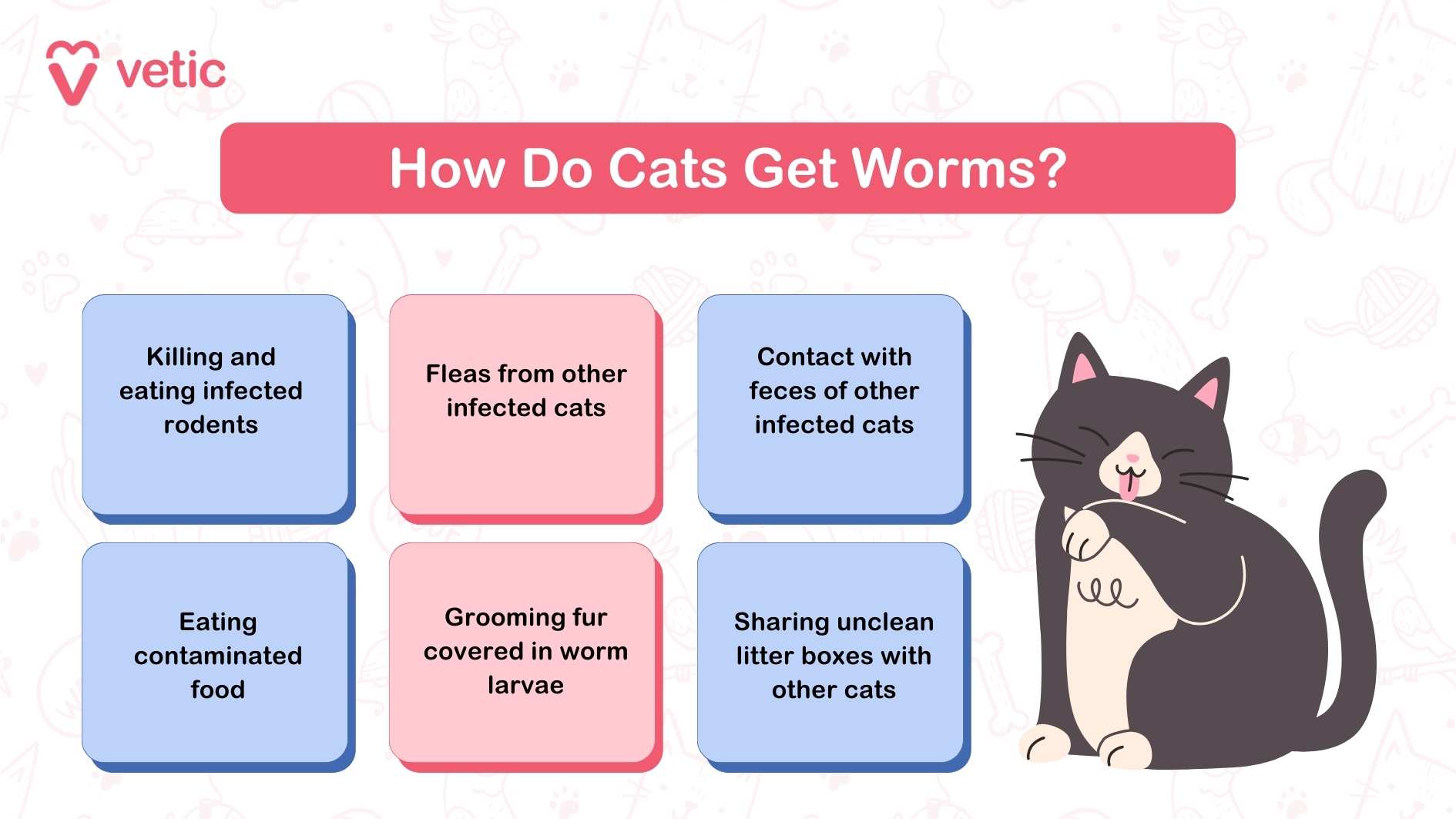
Fleas are tiny and fast. Cats often swallow fleas while grooming. The fleas are trapped by the tongue and teeth. Eating fleas is a normal part of grooming. Most fleas die in the cat’s stomach. But too many fleas can cause problems. Cats can get stomach upset or infections. Watching for fleas and treating them is important for health.
Immediate Effects Of Eating Fleas
Cats often eat fleas while grooming themselves. This can cause a few immediate effects on their health. Some reactions are mild, while others may need closer attention. Understanding these effects helps keep your cat safe and healthy.
Mild Reactions
Eating fleas may cause slight stomach upset in cats. This can lead to vomiting or diarrhea. Some cats might show mild irritation around the mouth. These symptoms usually go away quickly. Most cats recover without any treatment.
Potential Allergic Responses
Some cats can have allergic reactions to fleas. This can cause itching and redness on the skin. Swelling may appear around the face or neck. In rare cases, breathing problems can occur. Allergic reactions may need a vet’s care right away.
Health Risks From Flea Ingestion
Cats often groom themselves to stay clean. During grooming, they may swallow fleas. This can lead to health problems. Fleas carry germs and parasites that harm your cat’s body. Understanding these risks helps protect your pet’s health.
Intestinal Parasites Transmission
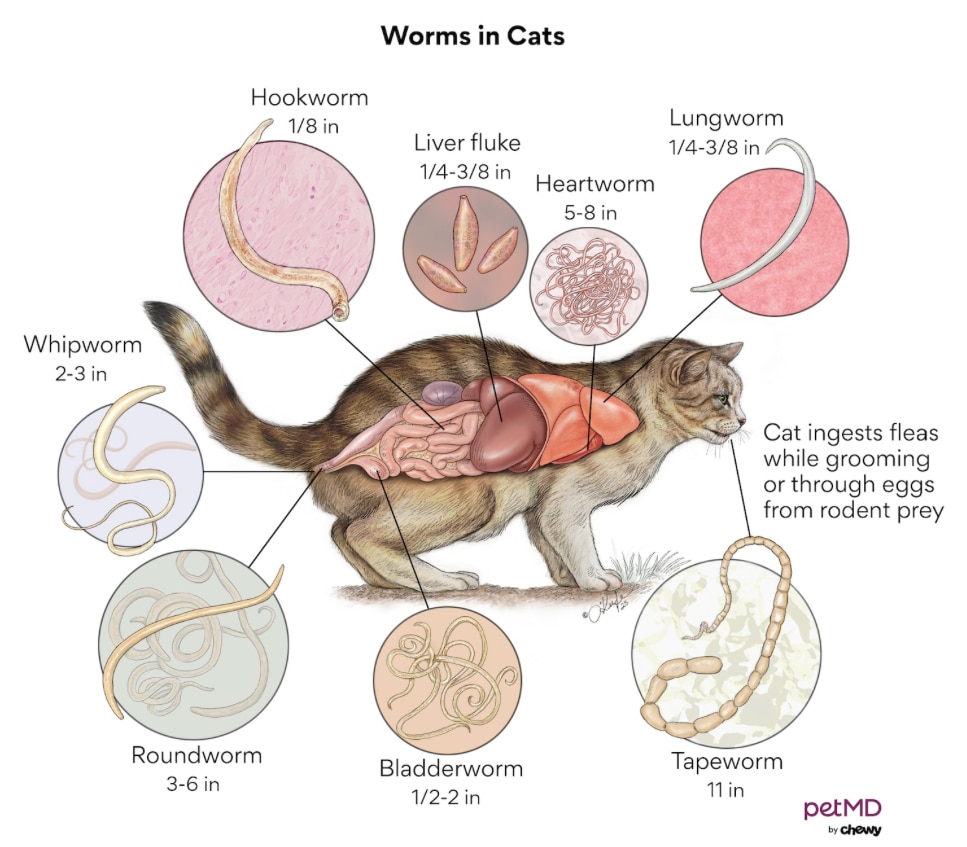
Fleas can carry tiny worms called tapeworms. When cats swallow fleas, these worms enter their intestines. Tapeworms grow inside the cat’s digestive system. They can cause weight loss and stomach pain. Sometimes, you may see small white worms near your cat’s rear. Treating fleas helps prevent these parasites.
Risk Of Flea-borne Diseases
Fleas can spread diseases to cats. These include bacterial infections like Bartonella. Bartonella can cause fever and tiredness in cats. Fleas also carry plague and typhus in some areas. These diseases harm your cat’s immune system. Controlling fleas lowers the chance of disease transmission.
Credit: vetic.in
Flea Allergy Dermatitis In Cats
Flea Allergy Dermatitis (FAD) is a common skin problem in cats. It happens when cats are allergic to flea saliva. Even a few flea bites can cause a strong reaction. This makes cats very itchy and uncomfortable.
When cats groom themselves, they often swallow fleas. This can affect their allergies in several ways. Understanding these effects helps cat owners manage their pets’ health better.
Symptoms And Causes
Flea bites cause irritation and redness on the cat’s skin. The cat may scratch, lick, or bite the affected areas. Hair loss and scabs often appear where fleas bite. Common spots include the neck, back, and tail base.
The main cause of FAD is an allergy to flea saliva. Fleas inject saliva when they bite. This saliva triggers an allergic reaction in sensitive cats. Even one flea bite can cause severe itching.
Impact Of Flea Ingestion On Allergies
When cats eat fleas during grooming, they swallow flea saliva. This can increase allergic reactions inside their bodies. The immune system may react more strongly to flea proteins.
Swallowed fleas can also carry bacteria or parasites. These can cause infections or other health problems. Flea ingestion may worsen skin inflammation and itching.
Proper flea control helps reduce both bites and ingestion. This lowers the risk of allergic reactions and skin damage. Regular flea prevention is essential for cats with FAD.
Preventing Flea Ingestion Risks
Preventing flea ingestion risks is important for your cat’s health. When cats groom, they may swallow fleas that carry parasites. These parasites can cause stomach problems or infections. Stopping fleas from bothering your cat lowers the chance of swallowing them.
Effective Flea Control Methods
Use flea treatments recommended by a vet. These keep fleas off your cat’s skin and fur. Clean your home often to remove flea eggs and larvae. Wash your cat’s bedding regularly in hot water. Treat your yard to reduce flea populations outside.
Safe Grooming Practices
Brush your cat gently every day to spot fleas early. Use a fine-toothed flea comb to remove fleas safely. Avoid harsh shampoos that can harm your cat’s skin. Bathe your cat only if needed and with vet-approved products. Keep grooming sessions calm to reduce stress for your cat.
When To Consult A Veterinarian
Cats often eat fleas while grooming. Most times, this causes no serious problem. Still, fleas can carry germs or cause allergies. Knowing when to visit a vet helps keep your cat safe.
Signs Of Flea-related Illness
Watch for constant scratching or biting. Red, irritated skin may appear on your cat. Hair loss might show in patches. Your cat could seem restless or uncomfortable. Small black specks in fur mean flea dirt. Vomiting or diarrhea can also occur. These signs suggest a flea problem needs attention.
Treatment Options
The vet may give medicine to kill fleas. They might also treat skin infections or allergies. Your cat could get pills, sprays, or baths. Sometimes, special diets or supplements help heal skin. The vet will check your cat’s overall health. Following their advice ensures a quick recovery.
Credit: douxo.de
Frequently Asked Questions
Can Cats Get Sick From Eating Fleas While Grooming?
Yes, cats can get sick if they ingest fleas. Fleas may carry tapeworm eggs, which can infect cats and cause digestive issues.
Do Fleas Harm Cats Internally When Eaten?
Fleas can harm cats internally by transmitting parasites like tapeworms. These parasites may cause weight loss, vomiting, and diarrhea in cats.
How Can Flea Ingestion Affect A Cat’s Health?
Ingesting fleas can lead to tapeworm infections and allergic reactions. It may also worsen flea infestations, causing discomfort and skin problems.
Should I Worry If My Cat Eats Fleas During Grooming?
Mild flea ingestion is common and usually not harmful. However, repeated ingestion may increase the risk of parasitic infections and requires flea control measures.
Conclusion
Cats eating fleas during grooming can cause health problems. Fleas may carry diseases or parasites harmful to cats. Eating fleas can lead to stomach upset or infections. Regular flea control helps keep cats safe and healthy. Watch your cat closely for signs of flea issues.
Treat fleas promptly to avoid bigger health risks. Keeping your cat flea-free is important for its well-being. Simple care steps make a big difference in your cat’s health.