
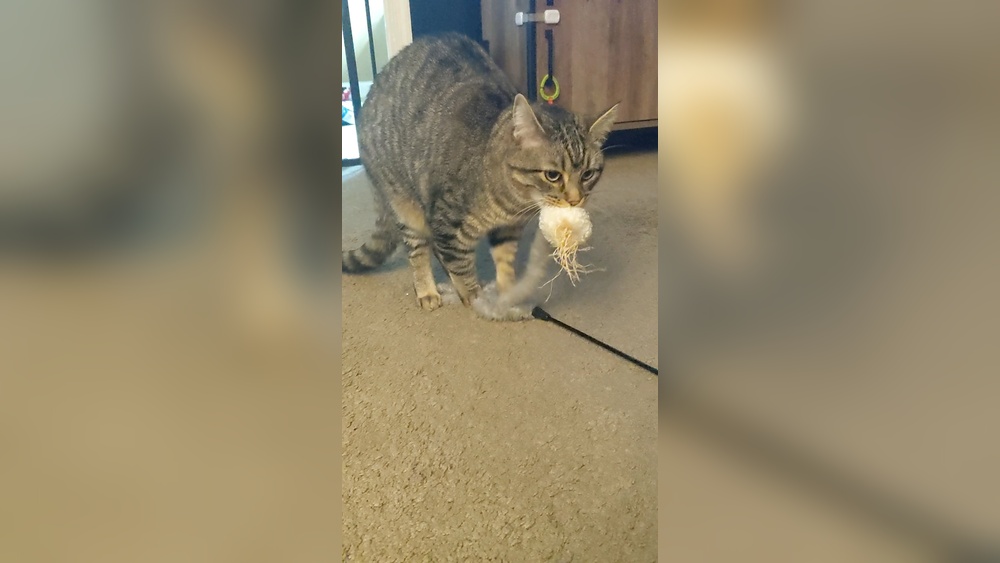
Have you ever caught your neutered cat humping his toys and wondered why? It can be surprising and even confusing to see this behavior, especially when you thought neutering would stop it.
You’re not alone—many cat owners notice this and ask the same question. Understanding why your cat does this can help you feel more connected to him and know what’s normal. You’ll discover the surprising reasons behind this behavior and what it means for your furry friend.
Keep reading—you might find the answers you’ve been looking for.
Hormonal Changes After Neutering
Neutering changes a cat’s hormone levels. These changes can affect behavior. Even after neutering, some cats show habits linked to hormones. One such habit is humping toys. Understanding how hormones work after neutering helps explain this behavior.
Residual Hormone Effects
Neutering lowers hormone levels but does not stop them instantly. Some hormones stay in the body for a while. These leftover hormones can cause old behaviors to continue. Humping toys may be a result of these residual hormones. It takes time for the body to adjust to lower hormone levels.
Timing Of Neutering And Behavior
The age when a cat is neutered affects behavior. Cats neutered later may keep some adult habits. Early neutering can reduce hormone-driven actions more. Cats neutered after puberty might hump toys more often. Behavior changes depend on when the neuter surgery happens.
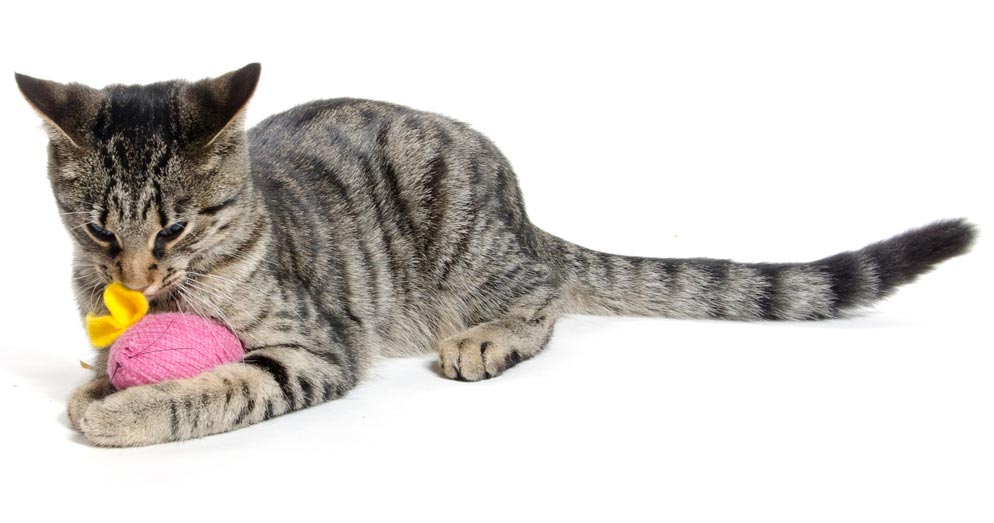
Credit: www.cathealth.com
Natural Instincts And Play
Neutered cats still keep many natural behaviors. These behaviors come from instincts built into their bodies. Play is one way cats express these instincts. Humping toys can be part of this natural play. It helps cats practice actions that come from deep inside them.
Even after neutering, some behaviors do not disappear. Cats use play to explore their world. Humping toys may look strange but is normal for many cats. It can be a way for them to enjoy themselves and release energy.
Humping As A Play Behavior
Humping is often a form of play. Cats like to be active and use their bodies. They may hump toys to feel excitement or fun. This action can help them stay sharp and healthy. It is a way to practice control and movement.
Play helps cats learn and grow. Humping toys may feel satisfying. It gives them a chance to use muscles and focus. This behavior is natural and part of their fun time.
Mimicking Mating Actions
Humping can also mimic mating behaviors. Even without hormones, instincts remain in cats. They may copy actions they once used to find mates. This is a way to express their natural drives safely.
Such behavior is not about reproduction anymore. It is more about instinct and comfort. Humping toys helps cats feel calm and secure. It is a simple way for them to connect with their nature.
Stress And Anxiety Triggers
Neutered cats humping their toys can confuse many pet owners. This action often links to stress and anxiety. Cats cannot speak, so their behavior shows how they feel. Understanding these triggers helps you support your furry friend. Stress and anxiety cause unusual actions like humping objects. Let’s explore why this happens.
Stress-related Humping
Humping is a way cats handle stress. It offers comfort and calms them down. This behavior is similar to how people use fidget toys. Cats may hump toys to reduce nervous energy. Stress can come from many things. Changes in routine or loud noises often upset cats. Humping becomes a safe outlet for their tension. Neutered cats still feel emotions strongly. Their toys become a target for this stress relief.
Environmental Factors Influencing Behavior
Surroundings affect a cat’s mood and actions. New pets, visitors, or moving house cause anxiety. Lack of play or exercise also builds frustration. Cats stuck indoors may seek ways to express themselves. Humping toys is one way to release built-up energy. A noisy or crowded space can stress cats. Quiet, safe areas help reduce these behaviors. Regular playtime and attention lessen anxiety. Creating a calm environment supports your cat’s well-being.
:strip_icc()/stop-humping-behavior-554062-823478aba7944cdea260df5f69b2ec49.jpg)
Credit: www.thesprucepets.com
Medical Causes To Consider
Sometimes, neutered cats hump their toys due to health problems. These medical causes can affect their behavior unexpectedly. Understanding these issues helps you care better for your pet. Two common medical reasons include urinary tract issues and hormonal imbalances.
Urinary Tract Issues
Urinary tract problems cause discomfort and stress in cats. This pain can lead to unusual behaviors like humping toys. Infections or blockages make urination painful or difficult. Cats may hump objects to relieve tension or pain. Watch for signs like frequent urination or licking the genital area. A vet visit is important to diagnose and treat these issues.
Hormonal Imbalances
Neutering lowers hormones but does not remove all hormone activity. Sometimes, imbalances occur, causing strange behaviors. These hormonal changes can trigger humping as a form of self-soothing or stress relief. Conditions like adrenal gland disorders can raise hormone levels. A vet can check hormone levels through tests. Treating these imbalances often reduces the humping behavior.
Attention-seeking And Habit Formation
Neutered cats may hump their toys for reasons beyond instinct. Attention-seeking and habit formation play big roles in this behavior. Cats use actions like humping to get reactions from people or to comfort themselves. Over time, these actions can become habits. Understanding why your cat does this helps you respond better.
Seeking Interaction
Cats often hump toys to get your attention. They want you to notice and engage with them. This behavior may start if the cat feels lonely or bored. When you respond, the cat learns humping brings interaction. They use this behavior as a way to connect with you.
Reinforcing The Behavior
Each time you react to the humping, the cat repeats it. Your attention acts like a reward. This strengthens the habit over time. Even if you scold, the cat still gets a reaction. The behavior becomes part of their routine. Breaking the habit needs patience and clear signals from you.
Managing And Redirecting The Behavior
Managing and redirecting your neutered cat’s humping behavior helps maintain a calm home. It also keeps your cat happy and healthy. Understanding simple ways to guide your cat makes a big difference. Focus on what your cat needs and offer better choices.
Providing Alternative Outlets
Give your cat plenty of toys to play with. Choose interactive toys that move or make noise. These toys keep your cat busy and distracted. Try puzzle feeders to engage your cat’s mind. Let your cat explore new textures and shapes. A scratching post or climbing tree also helps. These outlets reduce boredom and excess energy. Rotate toys often to keep your cat interested.
Behavioral Training Tips
Use gentle redirection when your cat starts humping. Calmly move your cat away from the toy. Offer a different toy or activity right after. Praise your cat when it plays nicely. Avoid yelling or punishment. Set a daily playtime routine. Use a laser pointer or feather wand for exercise. This helps your cat release energy positively. Consistency helps your cat learn faster. Patience and kindness build trust and good habits.

Credit: www.reddit.com
Frequently Asked Questions
Why Does My Neutered Cat Hump Toys?
Neutered cats may hump toys due to leftover hormones or instinctual behaviors. It can also be a sign of playfulness or stress relief.
Is Humping Toys Normal For Neutered Cats?
Yes, it is normal. Humping toys can be a harmless way for neutered cats to express energy or seek comfort.
Can Neutered Cats Hump Due To Medical Issues?
Rarely. If humping is excessive, consult a vet to rule out infections or behavioral problems.
How Can I Stop My Neutered Cat From Humping Toys?
Redirect your cat’s attention with interactive play. Provide mental stimulation and avoid punishing the behavior.
Conclusion
Neutered cats may hump toys for many reasons. It can be play, stress, or habit. This behavior is usually normal and not harmful. Watch your cat’s mood and health closely. Give your cat enough attention and exercise. If the humping seems excessive, talk to your vet.
Understanding your cat helps you care for them better. Keep your cat happy and calm with love and patience.