
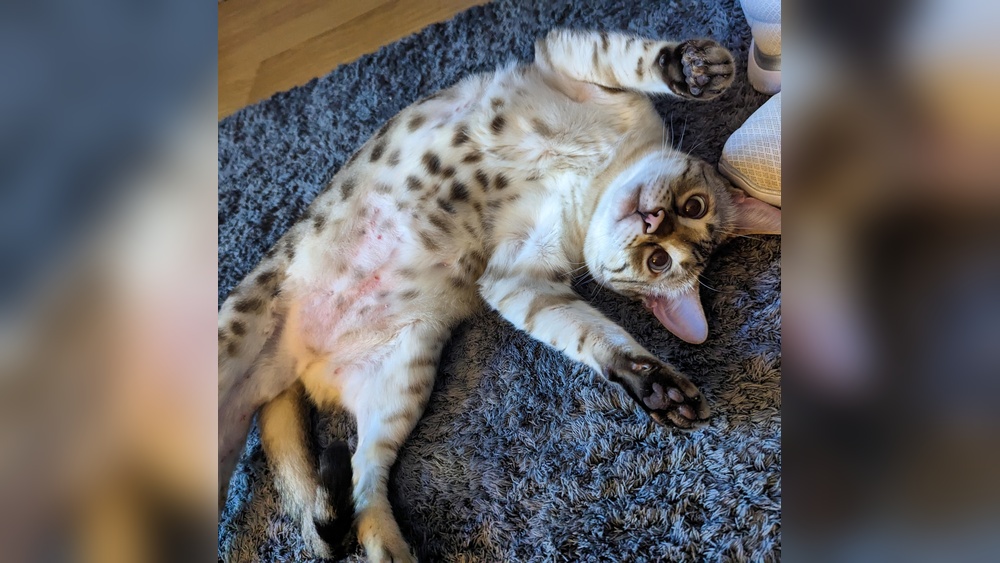
Is your cat spending more time licking and biting than usual? Excessive grooming can be a sign that your furry friend is uncomfortable or stressed.
You might wonder, “What can I do for my cat with excessive grooming? ” The good news is, you’re not alone, and there are simple steps you can take to help your cat feel better. Keep reading to discover practical tips that can ease your cat’s discomfort and restore their happy, healthy routine.
Credit: pittwateranimalhospital.com.au
Causes Of Excessive Grooming
Excessive grooming in cats can signal different problems. Understanding why your cat grooms too much helps find the right solution. Several causes may lead to this behavior, from physical issues to emotional stress. Identifying the root cause is important for your cat’s health and comfort.
Physical Irritations
Physical irritations include injuries, wounds, or pain. Cats may lick or bite these areas more often. This behavior aims to soothe discomfort or heal the skin. Check your cat’s body for cuts, swelling, or lumps. Physical problems need quick attention to prevent worsening.
Stress And Anxiety
Stress makes cats groom excessively. Changes in the home or loud noises can trigger anxiety. Grooming acts as a calming ritual for stressed cats. Signs include repeated licking in one spot or restlessness. Reducing stress can help stop over-grooming.
Allergies And Skin Conditions
Allergies cause itchy skin, leading to frequent grooming. Food, pollen, or chemicals may trigger allergic reactions. Skin conditions like dermatitis also cause irritation. Look for redness, flakes, or hair loss. Treating allergies or skin issues reduces excessive licking.
Parasite Infestations
Parasites like fleas or mites cause constant itching. Cats try to remove parasites by grooming too much. Check for small bugs or flea dirt in the fur. Parasite treatment is necessary to stop discomfort and damage.
Signs To Watch For
Excessive grooming in cats can signal health problems or stress. Noticing signs early helps you act fast. Watch your cat carefully for clues that something is wrong.
Bald Patches And Redness
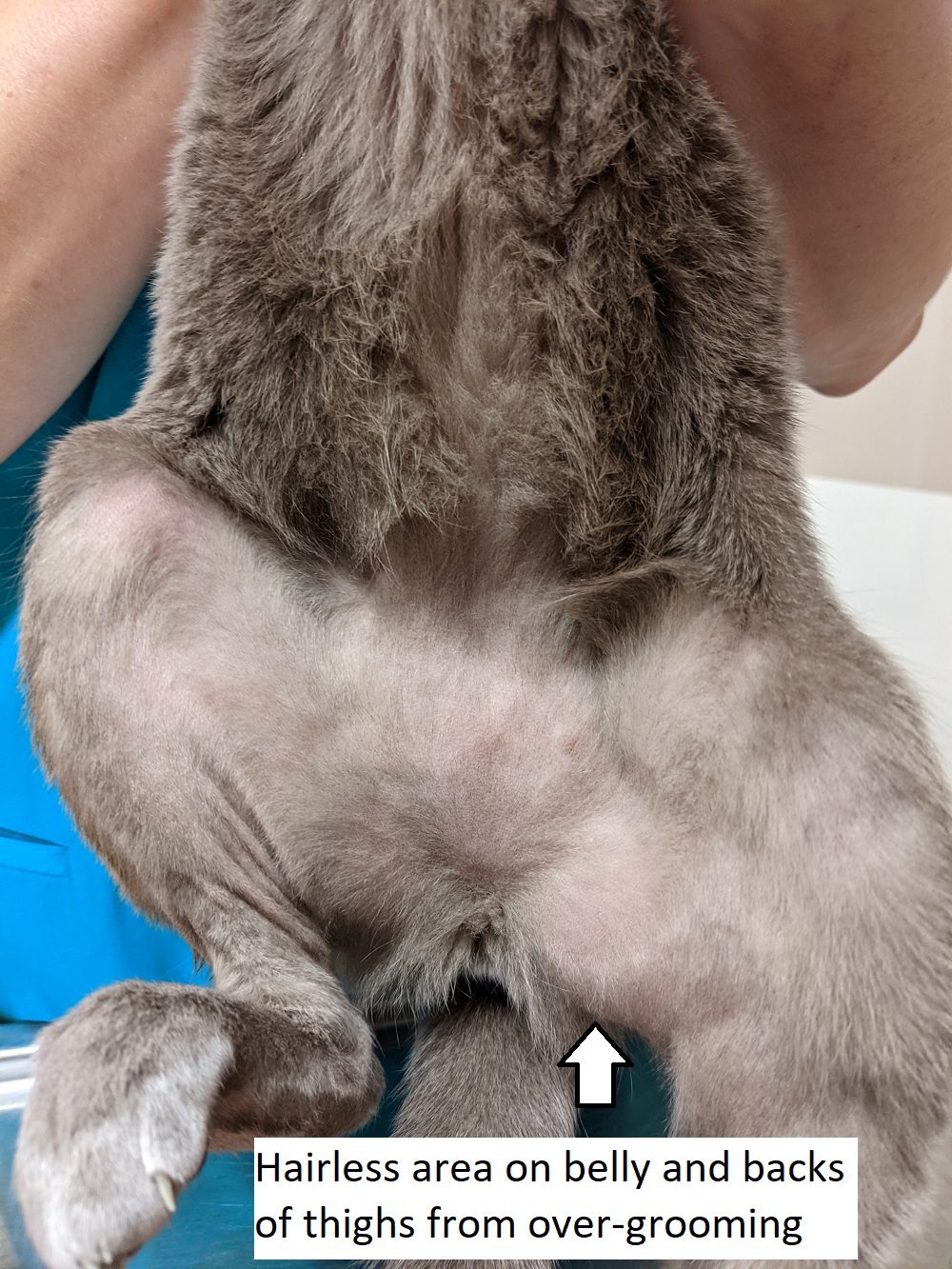
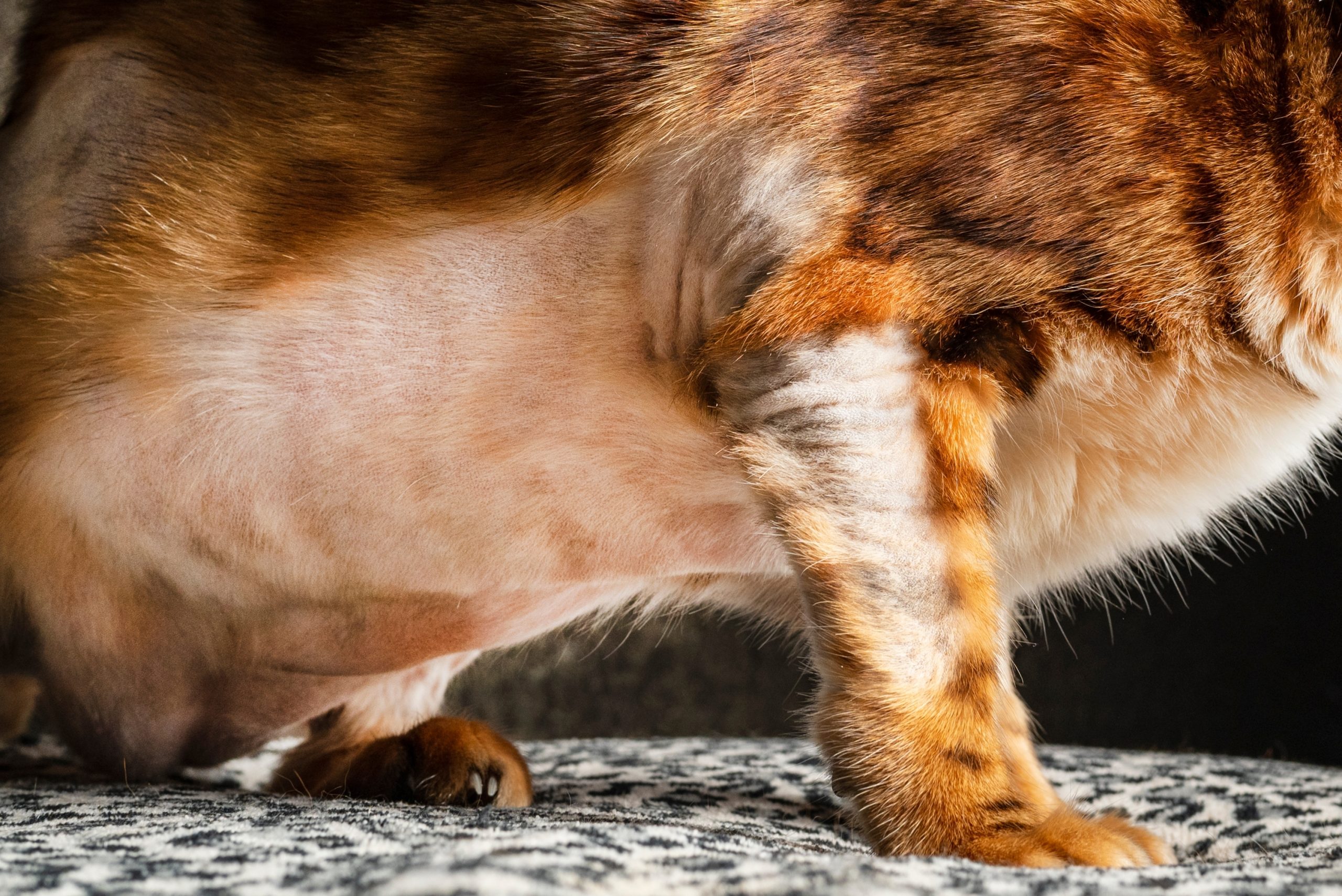
Check your cat’s fur for bald spots. These patches show where your cat grooms too much. Look for red or irritated skin under the fur. Redness means the skin is sore or inflamed. These signs need a vet’s attention quickly.
Behavioral Changes
Watch for changes in your cat’s behavior. Your cat might seem restless or anxious. It may hide more than usual. Some cats become aggressive or irritable. These changes can mean stress or pain behind grooming.
Excessive Licking Sounds
Listen for repeated licking sounds. Cats usually groom quietly and briefly. Continuous licking noises suggest over-grooming. This behavior can lead to skin damage. Noticing these sounds helps catch problems early.
At-home Care Tips
Excessive grooming in cats can signal stress or health issues. Home care plays a key role in reducing this behavior. Simple steps can help your cat feel better and stop over-grooming. Focus on comfort, health, and a calm space for your pet.
Regular Flea Control
Fleas cause itching and discomfort. Check your cat often for fleas or flea dirt. Use flea treatments recommended by your vet. Keep your home clean and wash your cat’s bedding regularly. This reduces flea presence and skin irritation.
Calming Environment Setup
Create a quiet, safe place for your cat. Provide cozy beds and hiding spots. Play soft music or use white noise to soothe your cat. Avoid loud noises and sudden changes in the home. Routine and calm surroundings reduce stress and grooming urges.
Proper Diet And Nutrition
Good nutrition supports healthy skin and coat. Feed high-quality food with essential fatty acids. Omega-3 and Omega-6 help reduce inflammation and dryness. Avoid food allergies by choosing limited ingredient diets. Fresh water should always be available to your cat.
When To Visit The Vet
Excessive grooming in cats can signal a health problem. Knowing when to visit the vet is important. Some signs need professional care right away. Acting fast can prevent more serious issues.
Persistent Skin Issues
Look for redness, sores, or hair loss. If these last longer than a week, see the vet. These signs may mean infection or allergies. The vet can find the cause and give treatment.
Unusual Behavior
If your cat acts restless or hides a lot, take notice. Changes in mood or appetite can show pain or stress. A vet visit can help find the problem early. Early care leads to better recovery.
Failed Home Remedies
Try simple home care first, like cleaning or calming your cat. If grooming does not improve, do not wait. Persistent problems need a vet’s checkup. They can provide medicine or special care.
Veterinary Treatments
Excessive grooming in cats can signal health problems. Veterinary treatments play a key role in helping your cat feel better. A vet can find the cause and suggest the right treatment. These treatments reduce discomfort and stop the behavior from worsening.
Medications And Topicals
Vets may prescribe medicines to ease itching and inflammation. These can be pills, creams, or sprays. Medicines help calm irritated skin and reduce grooming urges. Some treatments target infections or parasites causing the problem. Always use medications exactly as the vet instructs.
Behavioral Therapy
Stress or anxiety can cause cats to groom too much. Vets may suggest ways to change your cat’s behavior. This can include creating a calm environment and using toys. Sometimes, behavior-modifying drugs help reduce stress. Therapy helps break the cycle of excessive grooming.
Allergy Testing
Allergies often lead to itchy skin and overgrooming. Vets can perform allergy tests to find triggers. Tests check for food or environmental allergens. Once identified, you can avoid or treat these allergens. Allergy testing guides the best care plan for your cat.
Credit: www.mspca.org
Preventing Excessive Grooming
Preventing excessive grooming in cats is key to keeping them healthy and happy. This behavior often signals stress or health issues. Taking steps to stop it early helps avoid skin damage and infections. Focus on creating a calm and engaging environment for your cat.
Environmental Enrichment
Provide toys and scratching posts to keep your cat busy. Play with your cat daily to reduce boredom. Change toys often to keep things interesting. A window perch lets your cat watch outside safely. A happy cat grooms less.
Regular Health Checks
Visit the vet regularly to catch skin problems early. Fleas and allergies can cause itching and over-grooming. Check your cat’s coat for redness or bald spots. Healthy skin means less need for grooming. Early treatment prevents bigger issues.
Stress Reduction Techniques
Keep your cat’s routine consistent to lower stress. Avoid loud noises and sudden changes in the home. Use calming sprays or diffusers made for cats. Create quiet, safe spaces for your cat to relax. Less stress means less grooming.
:strip_icc()/how-to-stop-cat-over-grooming-554052-02-292560d5fa1542458556eff312f669d7.jpg)
Credit: www.thesprucepets.com
Frequently Asked Questions
What Causes Excessive Grooming In Cats?
Excessive grooming in cats often results from stress, allergies, parasites, or skin infections. Identifying the cause helps in effective treatment and prevents further discomfort or skin damage.
How Can I Reduce My Cat’s Grooming Behavior?
To reduce excessive grooming, address stressors and provide a calm environment. Regular vet check-ups and treating underlying conditions also help curb this behavior.
When Should I Consult A Vet About Grooming?
If your cat grooms excessively, causing bald spots or skin wounds, consult a vet promptly. Early diagnosis prevents complications and ensures proper care for your cat.
Can Diet Affect My Cat’s Grooming Habits?
Yes, poor nutrition or food allergies can cause skin irritation, leading to excessive grooming. A balanced diet and allergy management improve your cat’s skin health and reduce grooming.
Conclusion
Excessive grooming in cats can signal stress or health problems. Watch your cat closely and note any changes. Provide a calm space and regular playtime to reduce anxiety. Check with a vet to rule out allergies or skin issues. Small steps can help your cat feel better.
Patience and care make a big difference. Stay observant and act early for your cat’s health. Your cat deserves comfort and love every day.